Okay, fellow tapeheads, let's rewind to 1996. The world felt a bit simpler, the internet screamed through phone lines, and Arnold Schwarzenegger was still the undisputed king of blowing things up on screen. If you haunted the 'New Releases' wall at Blockbuster like I did, you definitely remember the buzz around Eraser. That cover art, often with a cool holographic sheen on the slipcase, promised pure, unadulterated Arnie action, and boy, did it deliver... mostly.
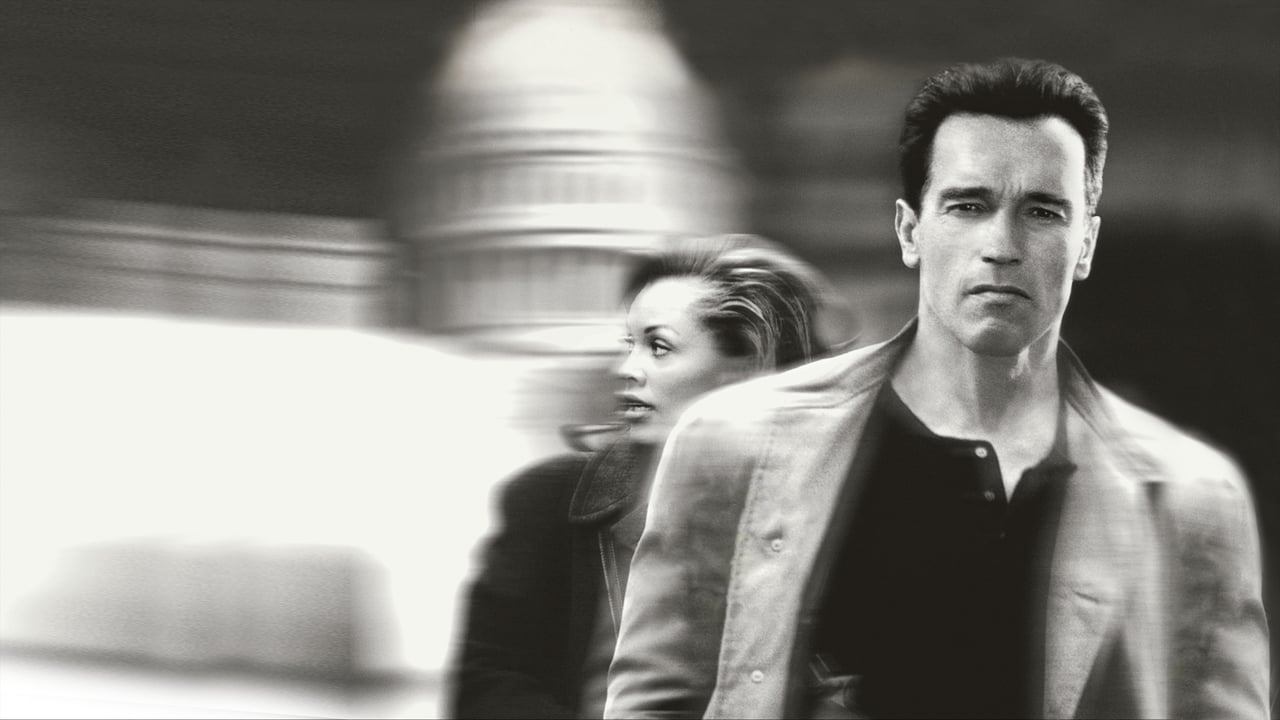
Remember that absolutely bonkers scene early on? Arnold Schwarzenegger, as U.S. Marshal John Kruger, finds himself on a compromised private jet with his protectee. The solution? Not a subtle maneuver, oh no. He straps the pilot into an ejection seat, blows the cockpit door, grabs a parachute mid-air after leaping out sans 'chute himself, navigates falling debris like an aerial slalom course, and lands relatively unscathed. It's preposterous, physics-defying, and utterly glorious 90s action filmmaking. This sequence alone perfectly encapsulates the appeal and the absurdity of Eraser. It’s the kind of moment that made you yell at the fuzzy CRT screen, elbowing your buddy, "Did you SEE that?!"
Peak Arnie, Peak Excess
Coming off hits like True Lies (1994), Schwarzenegger was arguably at the zenith of his box office power. Eraser feels tailor-made for his particular brand of stoic heroism mixed with quippy one-liners ("You're luggage!"). The premise is pure high-concept gold: Kruger is the best agent in the Witness Protection Program, specializing in "erasing" people completely, faking their deaths, and giving them new lives. His latest assignment is Lee Cullen (Vanessa Williams, bringing poise and vulnerability to the damsel-in-distress role), a high-level executive at a defense contractor who stumbled onto a conspiracy involving illegal arms dealing. Naturally, the people she's testifying against want her permanently silenced.
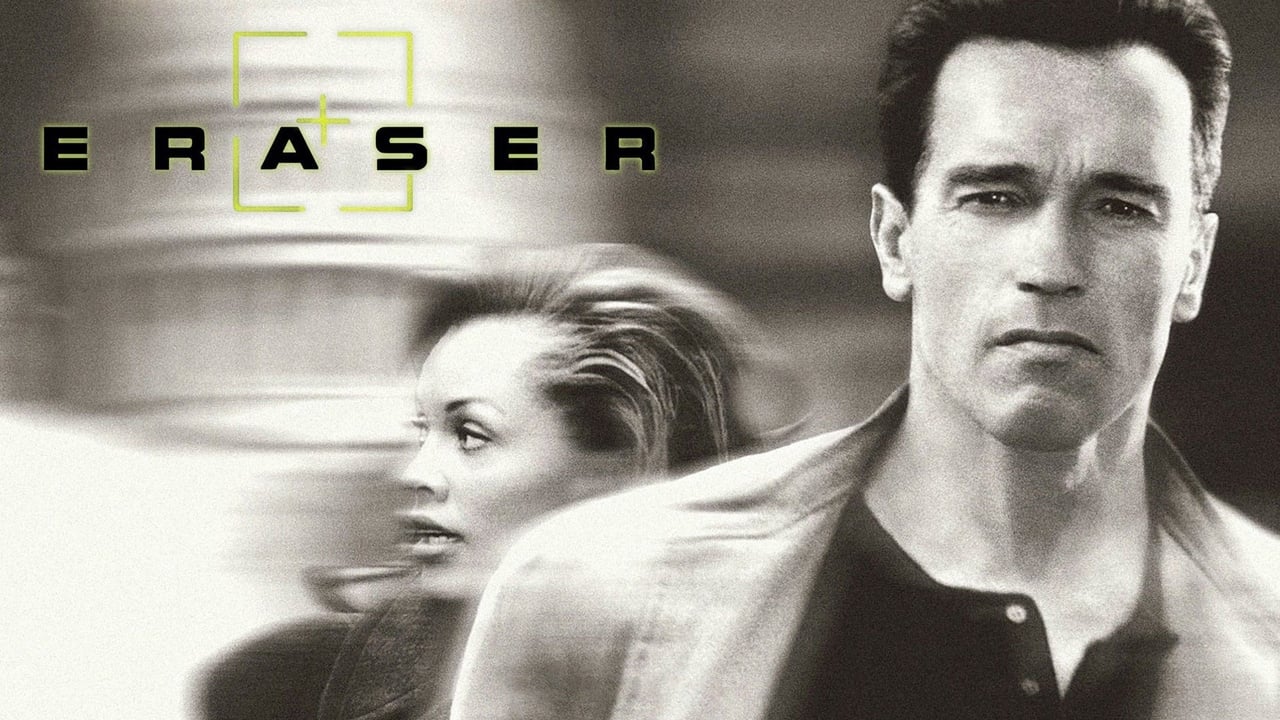
What makes Eraser such a quintessential slice of VHS Heaven is its commitment to tangible, practical spectacle. Director Chuck Russell, who’d previously shown a knack for blending wild visuals with genre fare in films like A Nightmare on Elm Street 3: Dream Warriors (1987) and The Mask (1994), brings a certain muscular slickness to the proceedings. While Eraser definitely employed early digital effects (especially noticeable in some X-ray scope shots), the core action feels grounded in real explosions, intricate stunt work, and palpable danger.
When Stunts Felt Real
Think about that plane jump again. While Arnold obviously didn't really do it, the sequence was a complex ballet of wirework, bluescreen compositing, miniatures, and powerful wind machines battering stunt performers. I recall reading that Arnold himself did some of the close-up wire suspension work, enduring gale-force winds. It feels perilous in a way that seamless modern CGI often smooths over. There’s a weight and impact to the action – the shattering glass, the crunching metal, the sheer chaos of it all – that feels distinctly physical. Remember how those bullet hits looked back then? Squibs exploding with forceful pops of fake blood felt so much more immediate than the digital puffs we often see today.

The film throws Kruger and Cullen into one elaborate set piece after another. There’s a fantastic, tense sequence involving Kruger fending off assassins in Cullen’s home, culminating in a refrigerator door used as a surprisingly effective shield. And who could forget the detour to the New York City Zoo?
"They Got Loose?"
Yes, the zoo sequence, where Kruger casually warns some pursuing goons about escaped alligators right before unleashing said reptiles upon them, is peak 90s action movie logic. It’s completely over-the-top, slightly ridiculous, and undeniably entertaining. Fun fact: that scene reportedly used a mix of sophisticated animatronics (one apparently cost a fortune!) and actual trained alligators. You can almost sense Schwarzenegger’s real-life unease in some of those shots near the snapping jaws. Adding another layer is the betrayal by Kruger's mentor, Robert Deguerin, played with wonderfully smug villainy by the legendary James Caan. Caan, fresh off reminding everyone of his intense screen presence, provides a perfect foil for Arnold's heroics. Even James Coburn pops up in a smaller, but welcome, role as the WITSEC chief.
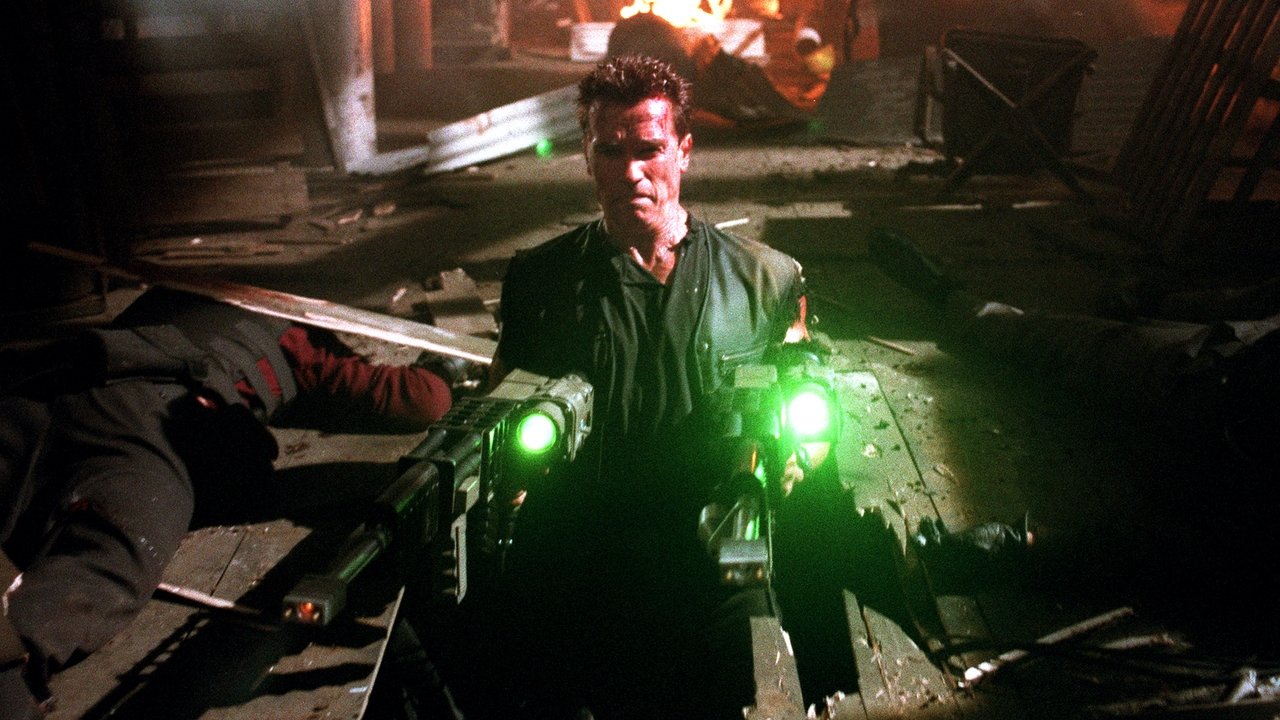
The film's MacGuffin – the EM-1 Railgun, a futuristic rifle capable of firing aluminum rounds near the speed of light – felt incredibly high-tech in '96. They were hefty practical props on set, complete with cool blue lighting effects, and the visual of seeing through walls and people via the X-ray scope was a major selling point. This tech fuels the explosive finale set in and around the Baltimore docks, a symphony of shipping containers, gunfire, and, of course, railgun mayhem. It’s loud, chaotic, and exactly the kind of climax you rented an Arnold movie for.
A Solid Hit from a Bygone Era
Despite costing a hefty $100 million (a massive sum back then!), Eraser was a bona fide global hit, pulling in over $242 million worldwide. Critics were somewhat mixed, often pointing to the derivative plot (borrowing heavily from previous action thrillers), but audiences didn't care. They came for Arnold, explosions, and impossible stunts, and Eraser delivered the goods. While maybe not reaching the iconic heights of Terminator 2 or Predator, it remains a thoroughly enjoyable example of Schwarzenegger’s reign. Apparently, script doctor Walon Green, known for his work on the gritty western The Wild Bunch (1969), punched up the dialogue and action, adding some veteran grit to the proceedings.
Watching it now, sure, some of the dialogue feels cheesy, the tech is amusingly dated (those chunky laptops!), and the plot has holes you could drive a railgun-equipped truck through. But the sheer energy, the commitment to practical mayhem, and the undeniable charisma of its star make it a blast to revisit. It’s a movie that knows exactly what it is and leans into it with maximum effort.
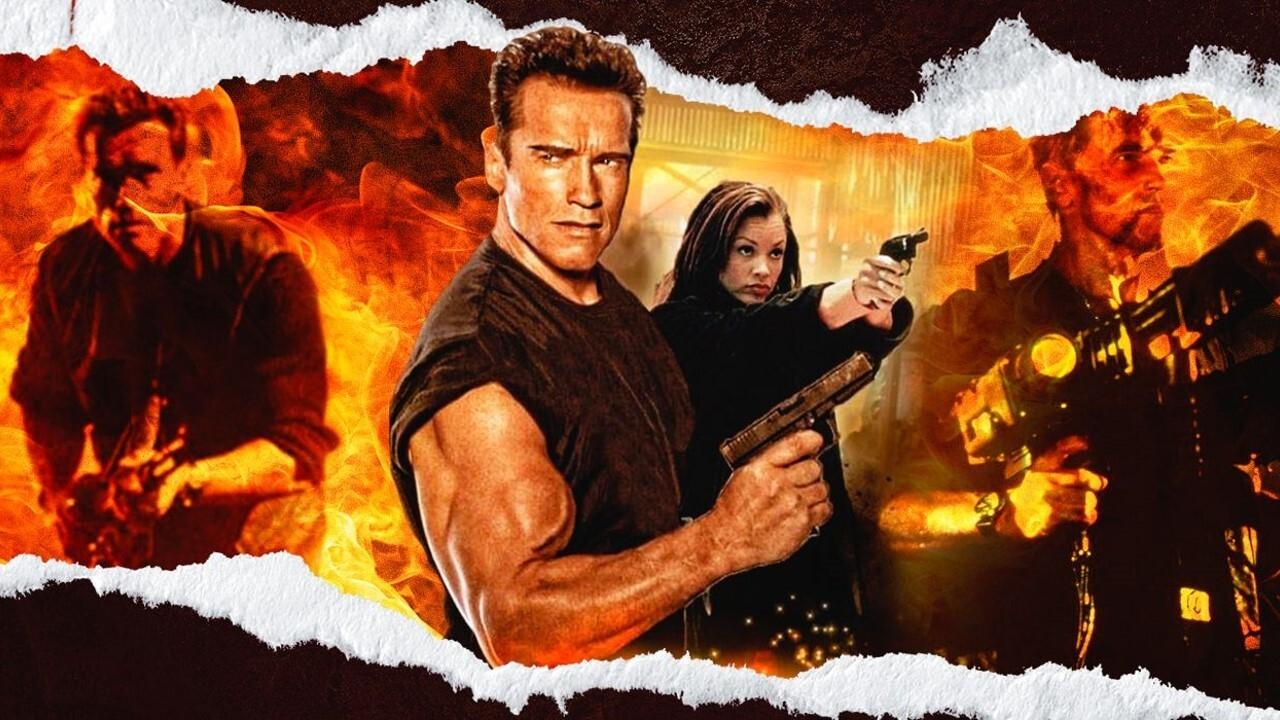
VHS Heaven Rating: 7.5/10
Justification: Eraser earns a solid 7.5 for being a prime example of big-budget, star-driven 90s action filmmaking. While the plot is standard issue and some elements haven't aged gracefully, the practical stunt work (especially the plane sequence), the sheer fun factor (alligators!), James Caan's villainy, and peak Arnold Schwarzenegger charisma make it incredibly entertaining. It loses points for predictability and some dated effects/tropes, but gains them back for sheer audacity and rewatchable spectacle.
Final Thought: Forget subtlety; Eraser is the cinematic equivalent of a fist-pump followed by a massive explosion – loud, proud, and perfectly preserved on that well-worn VHS tape. It reminds you of a time when action heroes solved problems by jumping out of planes first and asking questions later.