The air hangs heavy before the first tremor. There’s a picture-perfect town nestled at the foot of a sleeping giant, all quaint shops and friendly faces, bathed in the crisp light of the Pacific Northwest. But beneath the surface calm, something ancient and terrible stirs. That unsettling beauty, the dormant power lurking just beyond the frame – that’s the chilling promise of Roger Donaldson’s 1997 disaster epic, Dante's Peak. It’s a film that taps into a primal fear, not of monsters or madmen, but of the earth itself turning against us.
Under the Mountain's Shadow
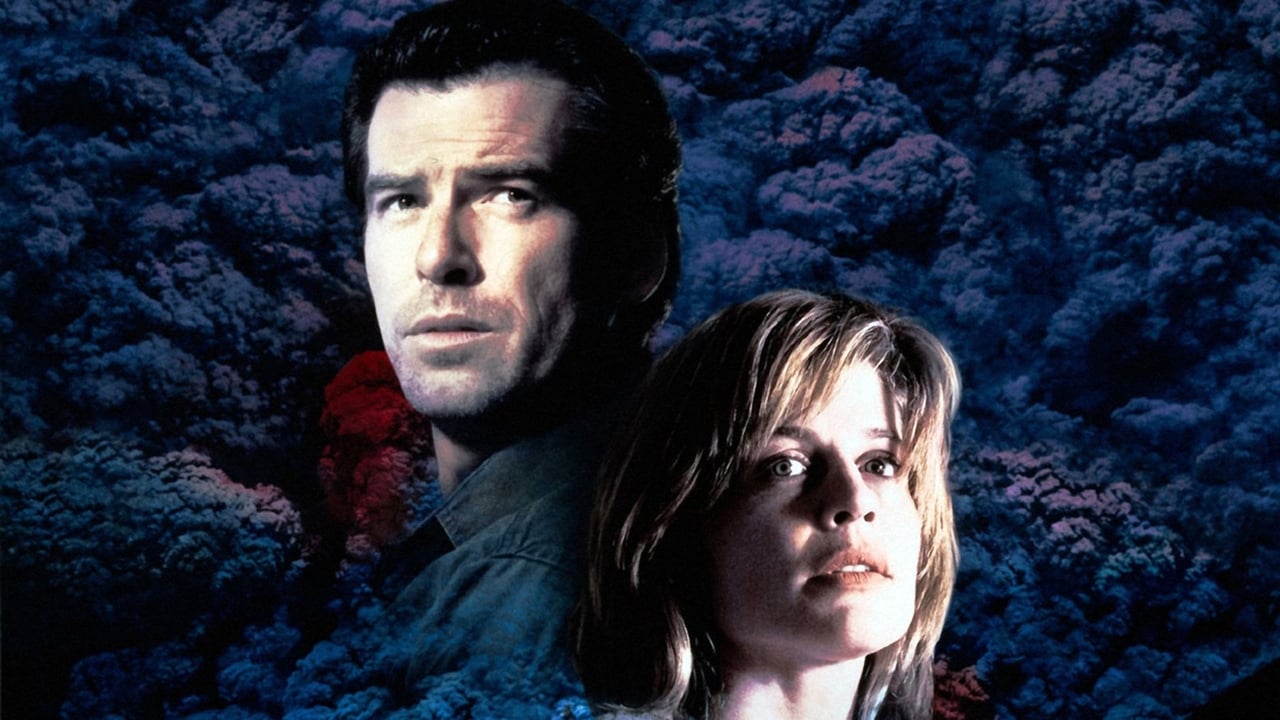
We’re dropped into this idyllic setting alongside USGS volcanologist Dr. Harry Dalton, played with a simmering intensity by Pierce Brosnan, fresh off strapping back into Bond’s tuxedo for GoldenEye (1995). Dalton carries the scars, literal and emotional, of a past volcanic tragedy, making him hyper-aware of the warning signs others are quick to dismiss. He finds a kindred spirit, and perhaps something more, in the town’s pragmatic and resilient mayor, Rachel Wando, portrayed by the formidable Linda Hamilton. Still radiating the hardened strength she brought to Sarah Connor in Terminator 2: Judgment Day (1991), Hamilton grounds the film’s escalating chaos with a believable maternal fierceness. Their dynamic, a blend of burgeoning romance and shared urgency, forms the human heart battling the geological apocalypse.
The film excels in its slow-burn tension. Director Roger Donaldson, already proven with thrillers like No Way Out (1987), masterfully builds the dread. We see the subtle signs: dying squirrels, contaminated water,温泉 turning acidic enough to scald unwary teens. It's a patient escalation, mirroring the scientific process Dalton employs, clashing inevitably with the economic anxieties represented by his cautious boss, Paul Dreyfus (Charles Hallahan). Remember that palpable sense of frustration watching Dalton plead his case, knowing the catastrophe looming? It’s a classic disaster movie setup, but executed with a compelling seriousness. The filmmakers notably consulted with actual USGS volcanologists, striving for a degree of scientific plausibility that set it apart from some of its flashier genre contemporaries.
When Hell Breaks Loose
And then, the mountain awakens. Dante's Peak doesn't hold back when the titular volcano finally erupts. The sequences depicting the cataclysm are visceral and terrifying, especially when viewed through the lens of late-90s practical effects wizardry, augmented by early CGI. Forget sterile, weightless digital destruction; here, you feel the grit and the heat. The sheer volume of ash unleashed feels suffocating even through the screen. Fun fact: achieving that effect involved deploying tons of material like shredded newspaper pulp and cellulose insulation – apparently causing considerable respiratory issues for the cast and crew during the demanding shoot in Wallace, Idaho, the small town that stood in for Dante's Peak itself.
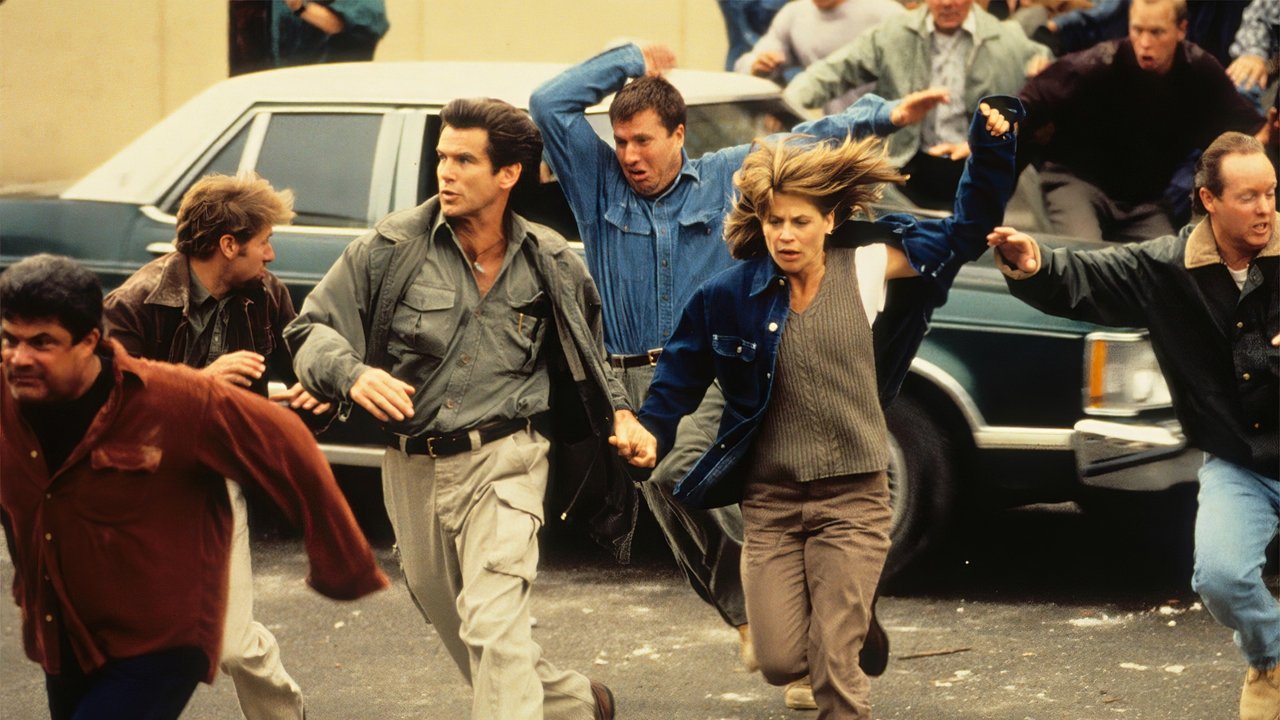
The film throws its characters into one harrowing set piece after another. The initial eruption sends shockwaves of panic, vehicles are tossed like toys, and the sky turns a perpetual, choking grey. The pyroclastic flow sequence, realized through impressive miniature work and visual effects, remains a standout – a terrifyingly fast cloud of superheated gas and debris incinerating everything in its path. It’s the kind of spectacle that felt genuinely overwhelming on a buzzing CRT screen back in the day.
Sacrifice and Survival
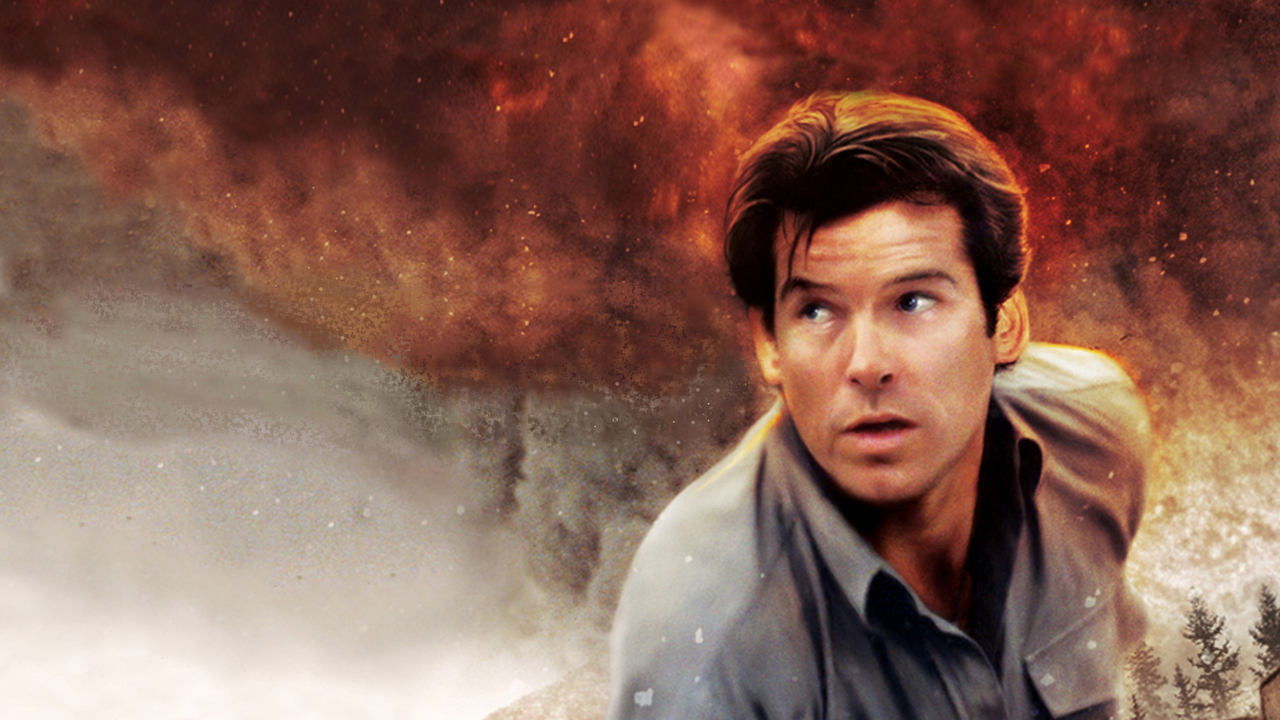
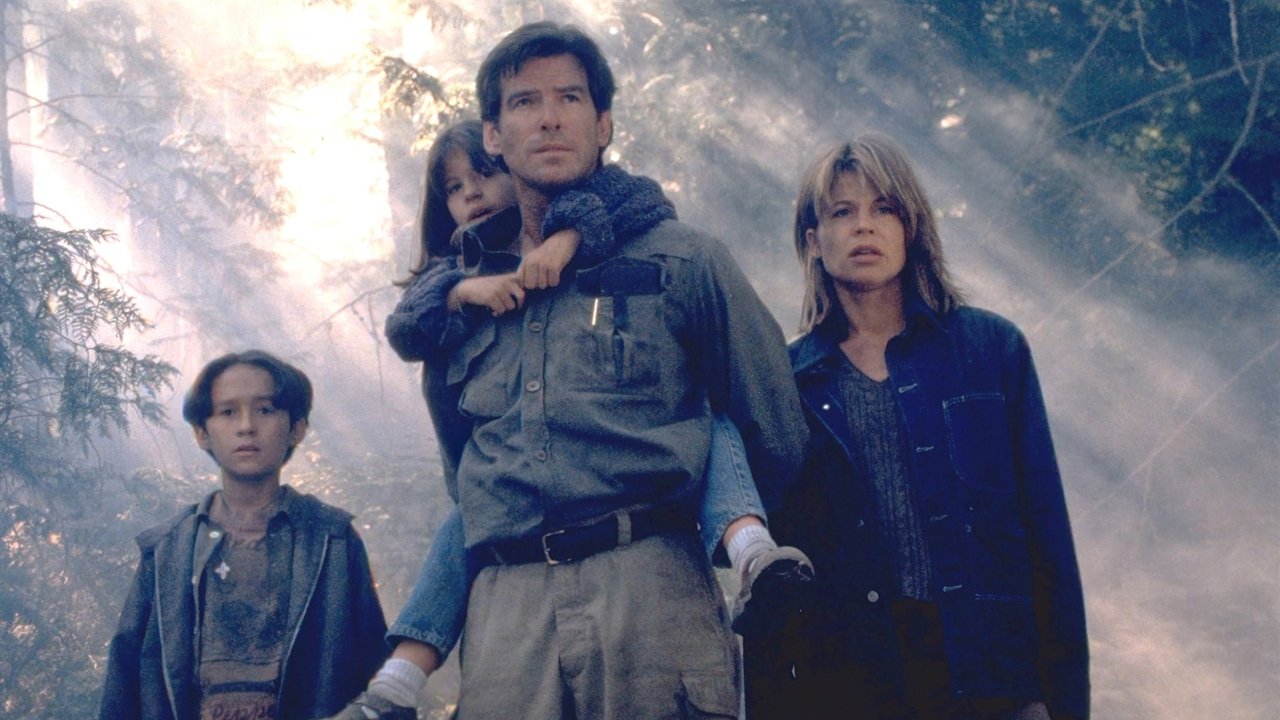
Amidst the large-scale destruction, Dante's Peak finds power in its more intimate moments of peril. The desperate attempt to cross a lake turned acidic by volcanic gases is pure nightmare fuel. Watching Grandma Ruth (Elizabeth Hoffman) sacrifice herself to push their boat across that corrosive water… didn’t that moment hit hard? It’s a surprisingly grim turn for a PG-13 blockbuster, lending genuine weight to the survival stakes. Even the modified Chevy Suburban, famously equipped with a snorkel for river forging, feels like a character in its own right – a battered symbol of resilience against impossible odds. Brosnan himself reportedly performed many of his own stunts, adding a layer of tangible risk to Dalton's frantic efforts.
The Volcano Wars and VHS Glory
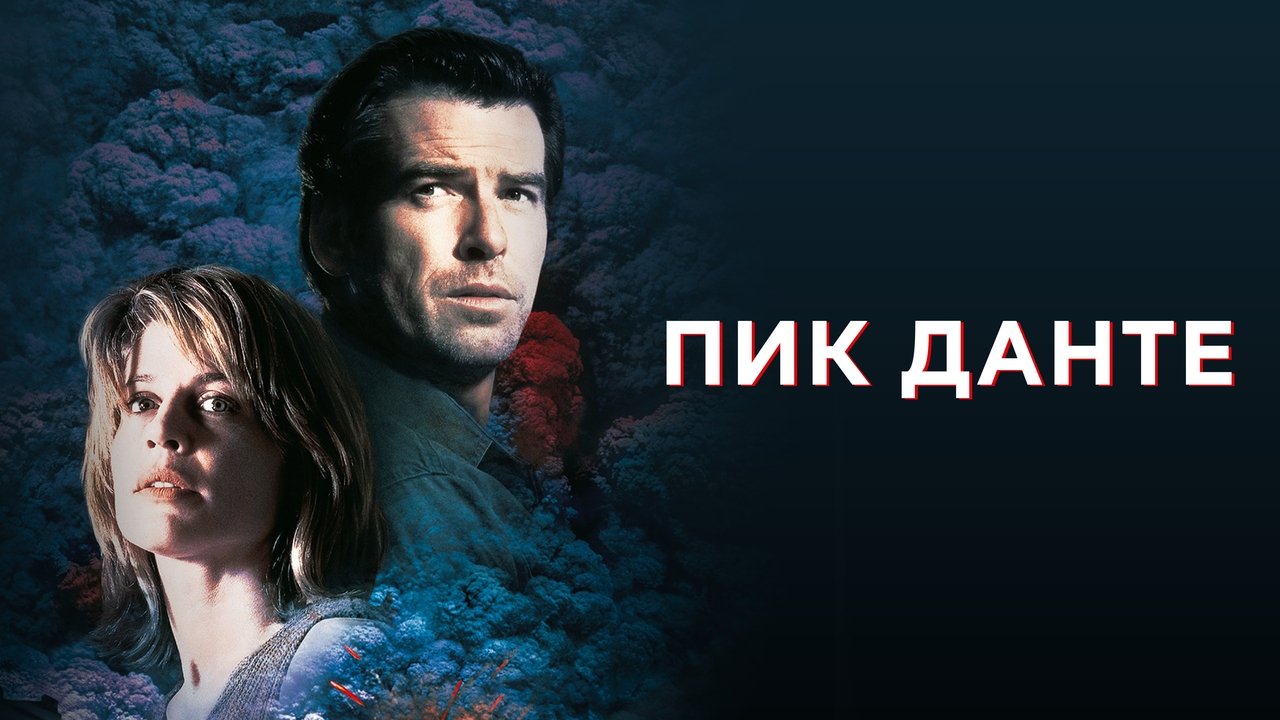
Of course, you can't talk about Dante's Peak without mentioning the great "Volcano War" of 1997. Rushed into theaters by Universal just ahead of 20th Century Fox's Volcano, the two films offered competing takes on molten mayhem. While Volcano embraced a more outlandish, urban destruction vibe in L.A., Dante's Peak felt comparatively grounded, focusing on the specific, varied threats of a stratovolcano and the human drama unfolding beneath it. Made for a hefty $116 million, it pulled in around $178 million worldwide – respectable, but perhaps not the Earth-shattering hit the studio hoped for given the star power involved. Yet, on the shelves of Blockbuster and Hollywood Video, its cover art – that ominous peak spewing fire – was an irresistible beacon for anyone craving high-stakes disaster thrills. It became a staple rental, a reliable go-to for a night of edge-of-your-seat entertainment.
***
Rating: 7.5/10
Dante's Peak earns its score through sheer commitment to its premise. It delivers thrilling, well-staged disaster sequences anchored by strong lead performances from Brosnan and Hamilton. The emphasis on practical effects and a degree of scientific grounding gives the chaos a tangible weight often missing in later, more CGI-reliant disaster flicks. While it certainly employs some familiar tropes of the genre (yes, the dog makes it!), it does so with conviction and a palpable sense of dread that builds effectively before unleashing spectacular destruction. It might not have rewritten the rulebook, but it executed the playbook with skill and intensity.
For those of us who remember grabbing that hefty VHS tape, Dante's Peak remains a satisfying slice of 90s disaster cinema – a reminder of a time when Hollywood spectacle felt thrillingly, terrifyingly real. It’s a rumble of nostalgia that still carries the heat.