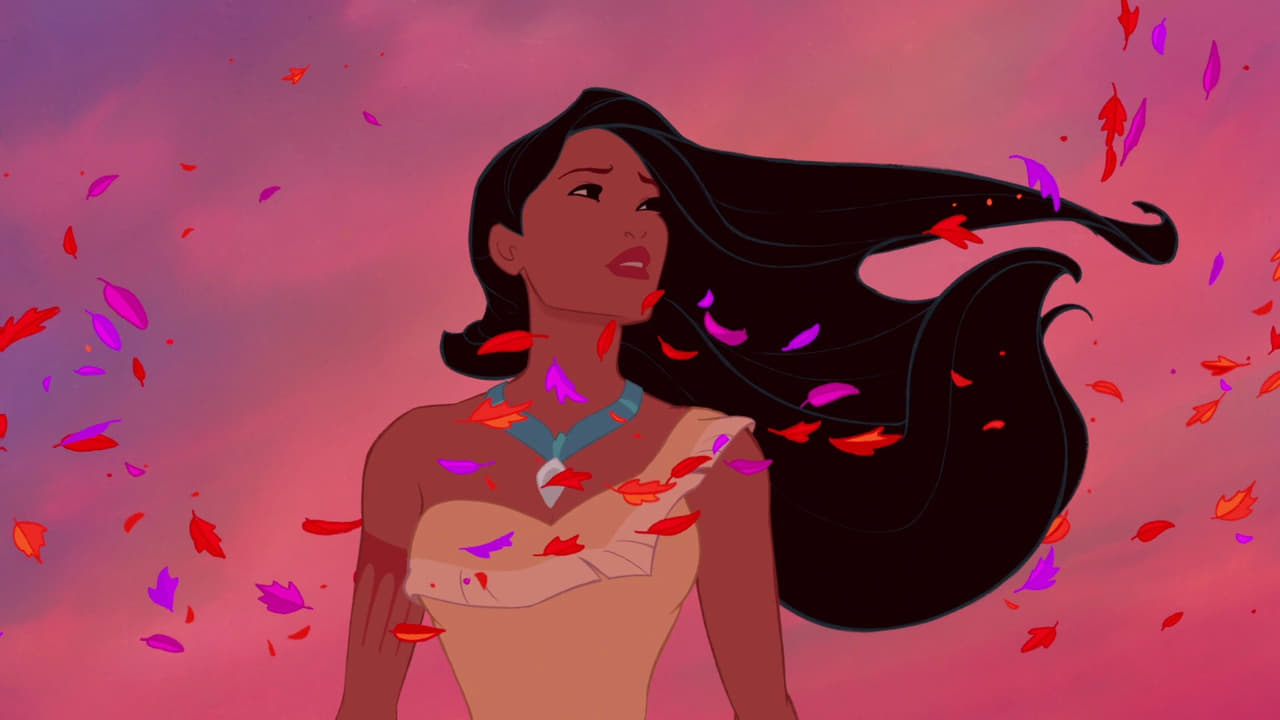
The wind whips, leaves swirl in impossible, painterly patterns, and a lone figure stands poised on a precipice, overlooking a world about to change forever. That stunning opening sequence of Disney's Pocahontas (1995) wasn't just animation; it felt like a statement. Coming off the unprecedented successes of Beauty and the Beast and The Lion King, Disney seemed to be reaching for something grander, more mature, aiming squarely at the artistic sensibilities of its audience, young and old. Watching it on VHS back in the day, even through the fuzzy glow of a CRT, the sheer visual ambition was undeniable.
A Brushstroke of the New World
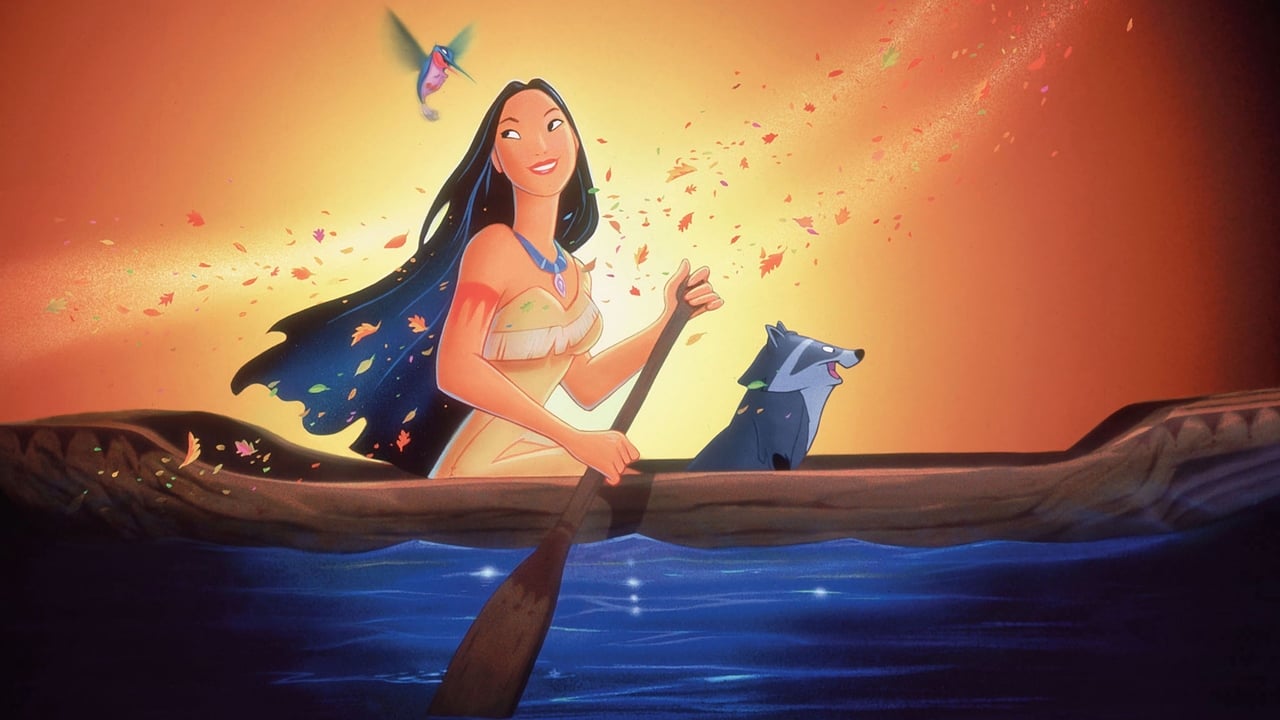
Directed by Mike Gabriel (who later co-directed The Rescuers Down Under) and animation veteran Eric Goldberg (the genius behind the Genie in Aladdin), Pocahontas presented a strikingly different aesthetic within the Disney Renaissance. The character designs were more angular, more stylized, drawing inspiration from graphic art rather than the softer, rounder forms of previous hits. The landscapes of the Virginia Tidewater region were rendered with breathtaking beauty, vast and expressive, often stealing the show entirely. This wasn't just a backdrop; the environment felt alive, imbued with the spirits Pocahontas communes with, most notably the wise and wonderful Grandmother Willow (voiced with comforting resonance by Linda Hunt).
The story, penned by Carl Binder, Susannah Grant, and Philip LaZebnik, takes considerable liberties with historical fact – a point frequently discussed then and even more so now. It reimagines the encounter between the Powhatan tribe and the English settlers of Jamestown as a sweeping romance between the free-spirited Pocahontas (voiced with gentle strength by Irene Bedard, with Judy Kuhn providing those soaring, unforgettable vocals) and the adventurous Captain John Smith. Casting Mel Gibson, then at the peak of his action-hero fame (Braveheart would release the same year!), as the voice of Smith was certainly a choice that raised eyebrows, but his familiar cadence lent the character a rugged charm.
Colors of the Award-Winning Wind
You simply cannot talk about Pocahontas without dwelling on its music. Alan Menken, the composer behind the iconic scores of The Little Mermaid, Beauty and the Beast, and Aladdin, teamed up with lyricist Stephen Schwartz (who would later give us Wicked) to create a soundtrack that felt both epic and deeply personal. "Colors of the Wind," the film's signature anthem, became an instant classic, a global hit that perfectly encapsulated the film's themes of understanding and respecting nature. It deservedly snagged the Academy Award for Best Original Song, alongside another Oscar for Best Original Score for Menken. The power of that song, coupled with Kuhn's incredible delivery, remains potent. Even the villain's bombastic number, "Savages," while perhaps heavy-handed in its message, is undeniably powerful in its staging and composition.
Behind the Animation Cel
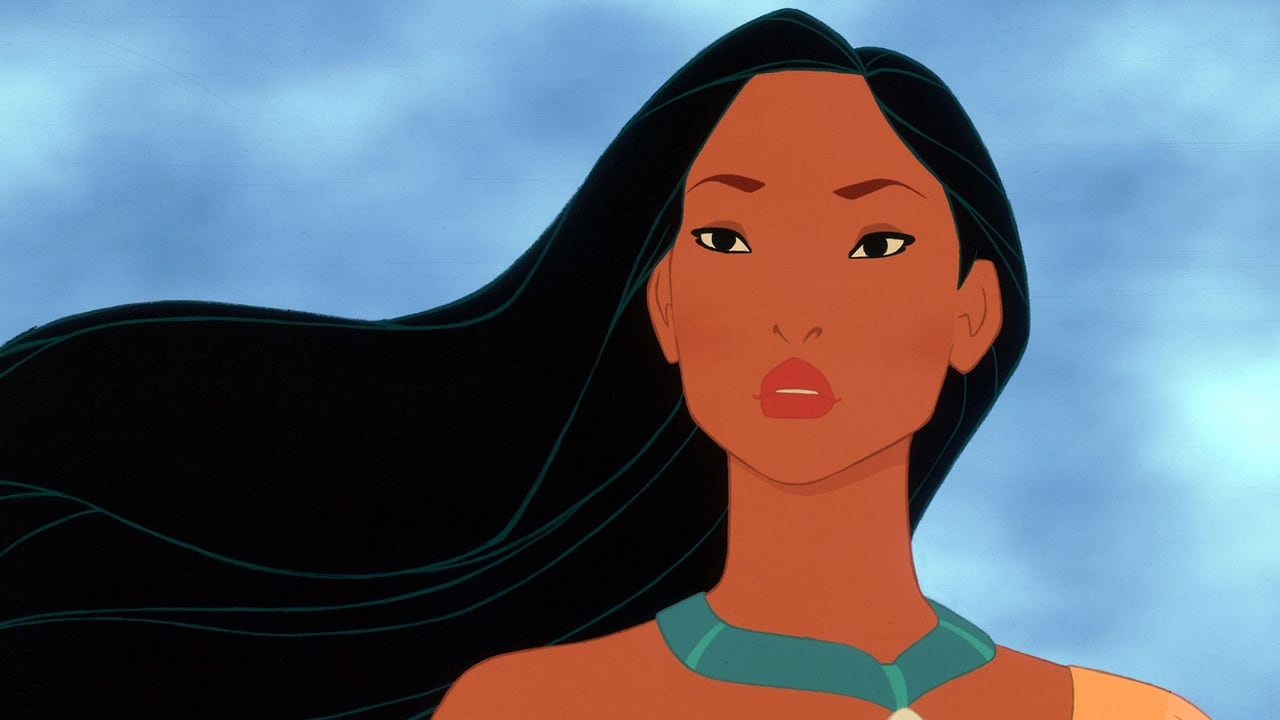

Making a film this ambitious wasn't without its hurdles. The production involved a massive team of animators striving for that unique visual style. Interestingly, Eric Goldberg primarily oversaw the animation of Pocahontas herself, aiming for a blend of grace and realism. The film was a significant box office success for Disney, pulling in around $141.6 million domestically and over $346 million worldwide against its estimated $55 million budget – a testament to the enduring appeal of the Disney brand during this golden era. Despite its financial success and Oscar wins for music, critical reception was more mixed compared to its predecessors, often citing the historical inaccuracies and a somewhat serious tone that occasionally felt at odds with typical Disney fare. There was even a significant character, a turkey sidekick named Redfeather intended to be voiced by the late, great John Candy, who was ultimately cut from the film during development.
Legacy in the Leaves
Looking back, Pocahontas occupies a fascinating space in the Disney canon. It represented a bold attempt to tackle more complex themes – colonialism, prejudice, environmentalism – within the framework of an animated family musical. While its handling of history remains a valid point of criticism, the artistic achievements are undeniable. The fluid animation, the gorgeous background paintings, and that powerhouse score created moments of pure cinematic magic that still resonate. We remember the way the leaves danced, the power in Pocahontas's voice as she sang of understanding the world around her, the palpable tension between the two cultures.
Did it fully succeed in balancing its romantic narrative with its historical backdrop? Perhaps not perfectly. But it dared to be different, pushing the boundaries of what a mainstream animated film could look and feel like in the mid-90s. For many of us who wore out that VHS tape, it was a visually stunning adventure with songs that stuck in our heads for weeks. It sparked conversations, maybe even made us look at the world, just for a moment, through slightly different eyes.
VHS Heaven Rating: 7/10
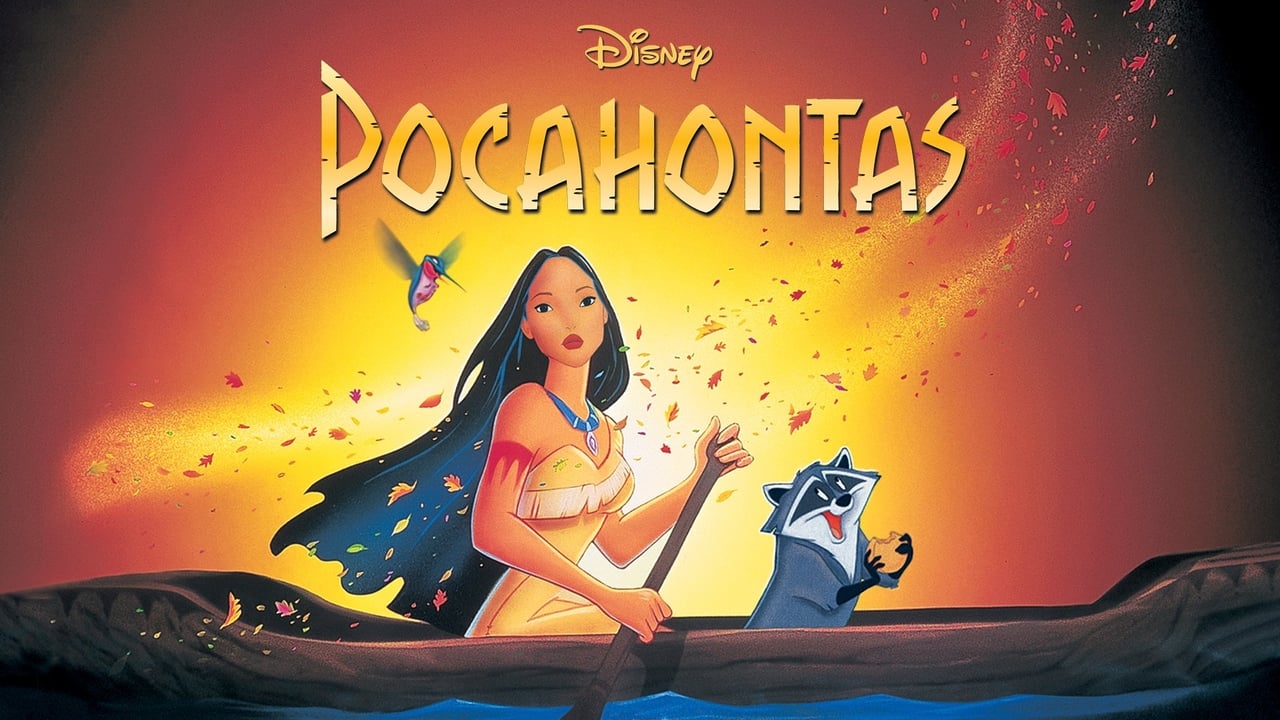
Pocahontas earns a solid 7 for its breathtaking animation, truly outstanding Oscar-winning score and songs, and its ambitious, if flawed, attempt at mature storytelling within the Disney Renaissance. Points are deducted for the significant historical liberties and a central romance that sometimes overshadows the more complex themes it tries to explore.
It remains a visually lush and musically rich entry from Disney's 90s peak, a film whose artistry often transcends its narrative shortcomings. It's a reminder of a time when Disney animation felt truly epic, painting with all the colors of the wind right there on our television screens.