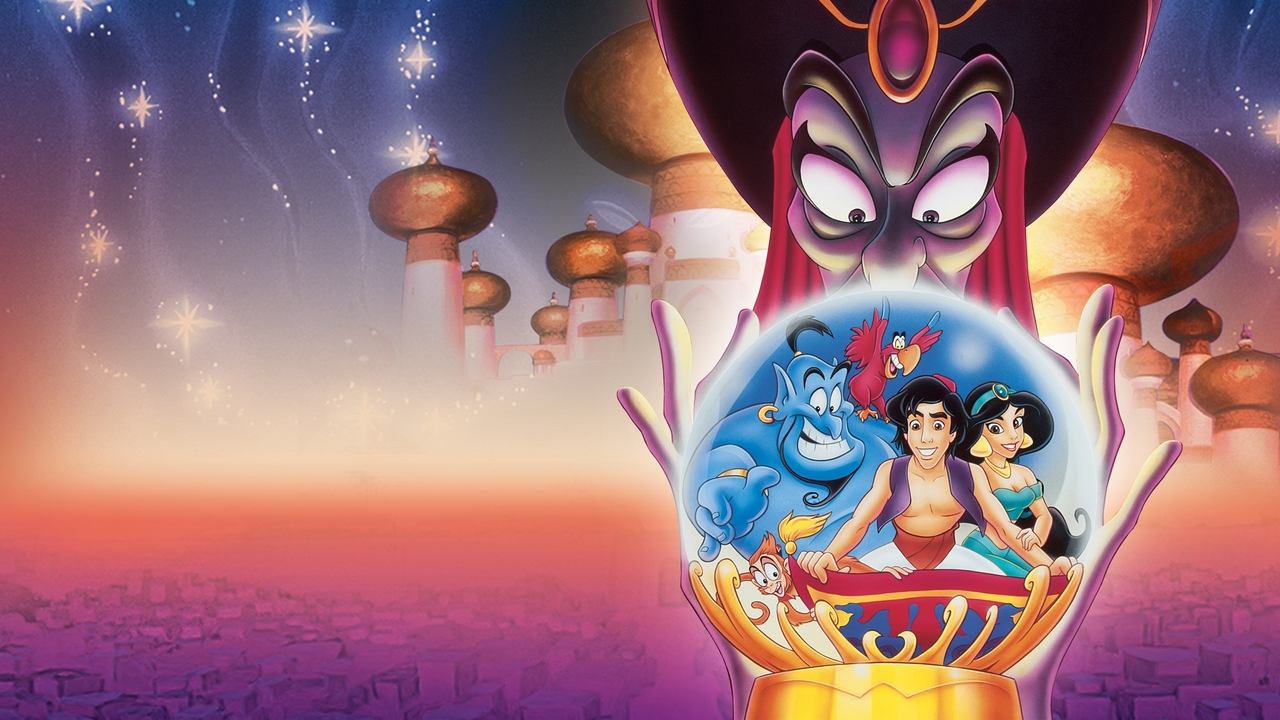
Okay, fellow travelers of the tape-tracked path, let’s rewind to 1994. Picture this: you’re browsing the New Releases wall at your local video rental haven – Blockbuster, Hollywood Video, maybe a cherished mom-and-pop shop. The scent of plastic cases and carpet cleaner hangs in the air. And then you see it. A familiar Agrabah skyline, a certain wicked vizier looking even more menacing, and wait… is that Iago looking conflicted? It wasn’t a dream whispered on the desert wind; it was the arrival of The Return of Jafar, a sequel to Disney’s monumental hit Aladdin, appearing not on the big screen, but right there, ready to be taken home on glorious VHS. For many of us, this was a genuine surprise, the first major instance of Disney bypassing theaters for a direct-to-video sequel, a move that felt both intriguing and slightly bewildering.
### A Whole New (Kind Of) World
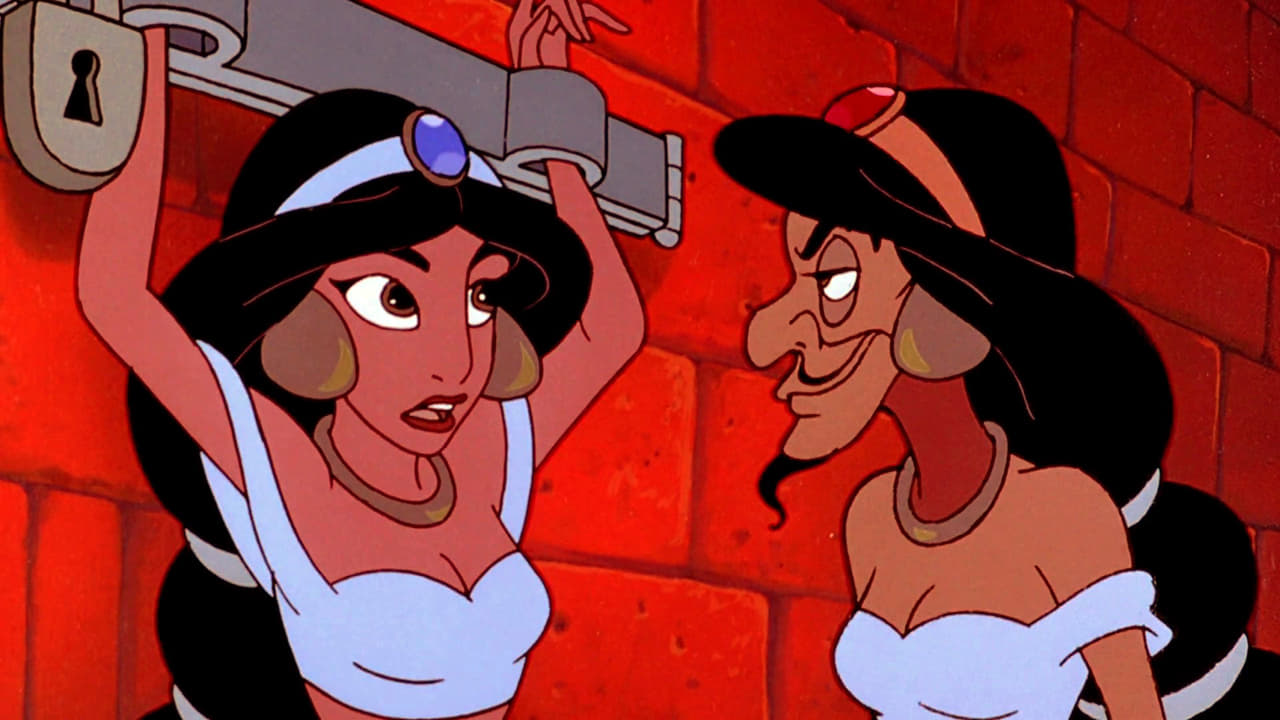
Picking up seemingly right after Aladdin (though technically after the first few episodes of the planned TV series it was originally meant to launch), The Return of Jafar dives back into the bustling streets and opulent palaces we came to love. Jafar, trapped in his genie lamp, isn't quite as contained as Aladdin hoped. Thanks to the bumbling bandit Abis Mal (voiced with manic energy by Jason Alexander), the lamp surfaces, and Jafar plots his revenge. But the twist? Iago, Jafar's feathered, sarcastic sidekick, manages to escape the lamp first and finds himself in the awkward position of trying to worm his way back into Aladdin's good graces.
Directed by a trio familiar with the rhythms of television animation – Toby Shelton, Tad Stones, and Alan Zaslove – the film immediately presents a different visual texture than its predecessor. Produced by Walt Disney Television Animation (rather than the Feature Animation division) on a significantly tighter budget, the animation, while perfectly competent for television standards of the day, lacks the fluidity and lavish detail of the 1992 theatrical masterpiece. It’s noticeable, sure, but for kids (and many adults) eager for more adventures with these characters, it was easy enough to accept as just a different chapter in the story. The narrative, penned by a team including Kevin Campbell, Mirith J. Colao, Bill Motz, Bob Roth, and Dev Ross, cleverly hinges on Iago's attempted face-turn, giving Jason Alexander ample room to showcase his comedic timing and surprising range.
### The Genie in the (Different) Bottle
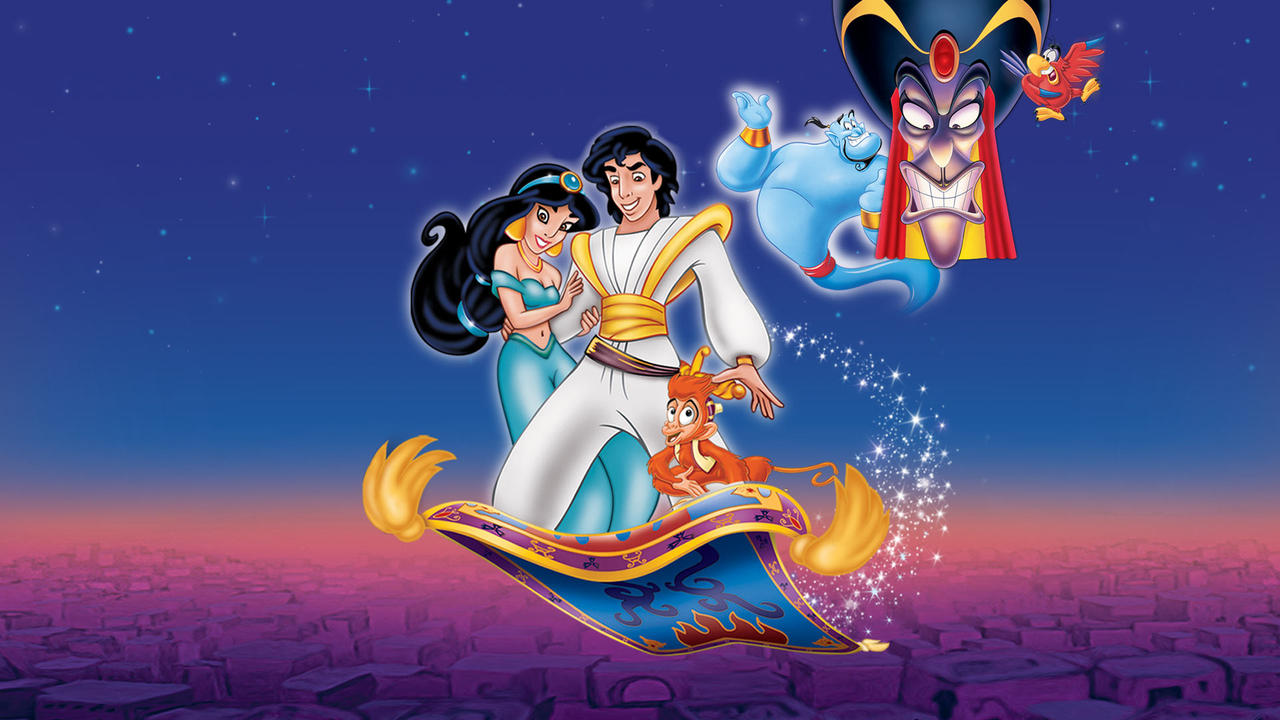
Let's address the big blue elephant in the room: the Genie. Due to a well-documented dispute with Disney over the marketing of the original Aladdin, the incomparable Robin Williams did not return to voice the character for this sequel (though thankfully, fences were later mended). Stepping into those enormous cosmic shoes was none other than Dan Castellaneta, beloved voice of Homer Simpson. Now, following Williams is an impossible task, and Castellaneta wisely doesn't try to mimic him directly. His Genie is energetic, funny, and captures the character's core warmth, albeit with a different comedic cadence. While it's undeniably different, Castellaneta delivers a commendable performance that keeps the Genie central to the fun. Scott Weinger returns as Aladdin, bringing that same earnest charm, and Linda Larkin is back as Jasmine (though her singing voice was provided by Liz Callaway). But truly, this sequel often feels like The Iago Show. Jason Alexander sinks his teeth into the role, making the morally ambiguous parrot surprisingly sympathetic and genuinely hilarious. His song, "I'm Looking Out For Me," is arguably one of the film's highlights.
### Retro Fun Facts: The Dawn of the DTV Dynasty
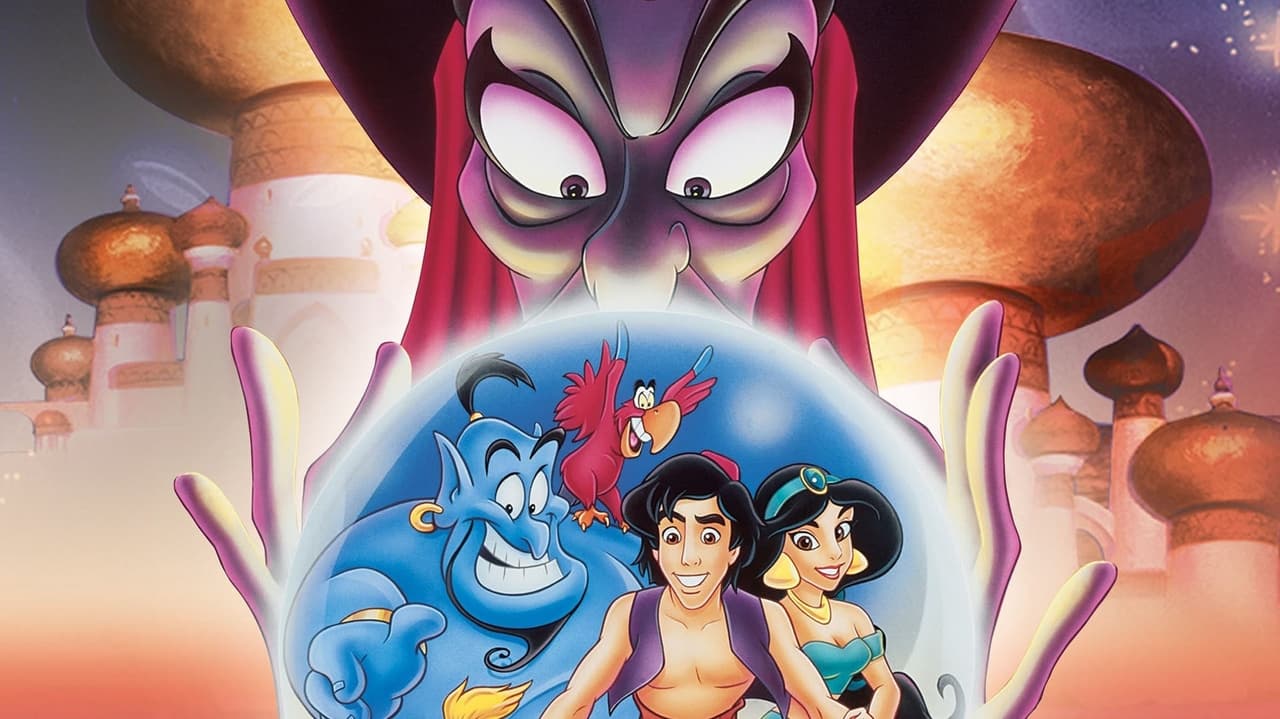
The Return of Jafar wasn't just another movie; it was a gamble that paid off spectacularly and changed Disney's strategy.
- Pioneering Project: This was Disney's first-ever direct-to-video animated sequel, testing the waters for releasing follow-ups to major hits directly to the home market.
- Budget Battle: Reportedly made for a fraction of Aladdin's budget (estimates vary, but think low millions vs. Aladdin's $28 million), relying heavily on Disney's television animation studios in Japan and Australia. This explains the difference in animation style.
- Sales Sensation: Despite mixed critical reactions often focusing on the animation and lack of Williams, the VHS release was a colossal commercial success. It sold millions upon millions of copies (reports often cite over 10 million units initially), proving a massive audience existed for these home-video adventures.
- Opening the Floodgates: Its success directly led to the greenlighting of the Aladdin television series (for which Return of Jafar served as a pilot of sorts) and paved the way for a veritable flood of Disney DTV sequels throughout the 90s and 2000s – Aladdin and the King of Thieves, Beauty and the Beast: The Enchanted Christmas, The Lion King II: Simba's Pride, and many, many more. It essentially created a new, lucrative market for the studio.
- Iago's Arc: The decision to center so much of the plot on Iago's redemption was a key factor in differentiating it from the original and giving Jason Alexander a chance to shine.
### Not Quite Cinematic Magic, But Charming Nonetheless
Does The Return of Jafar reach the dizzying heights of the original Aladdin? Honestly, no. The songs aren't quite as iconic (though "Forget About Love" and Iago's numbers are fun), the animation isn't as breathtaking, and the scale feels smaller. Jafar, while still menacing (voiced again by the excellent Jonathan Freeman), perhaps loses a little something in his transition from sorcerer to all-powerful, slightly less cunning genie.
Yet, there's an undeniable charm here. Seeing these characters again felt like visiting old friends. The focus on Iago provides genuine character development and plenty of laughs. The action sequences, particularly the final confrontation, deliver excitement, capturing that feeling of peril and high stakes needed to make the story compelling. It successfully expanded the world of Agrabah, setting the stage for further adventures in the TV series. Watching it again now evokes potent memories of that specific era – the thrill of a sequel appearing out of the blue, the satisfaction of adding another Disney clamshell case to the shelf, and the simple joy of more time spent in a beloved fictional world, even if the production values weren't quite the same.
### Final Verdict
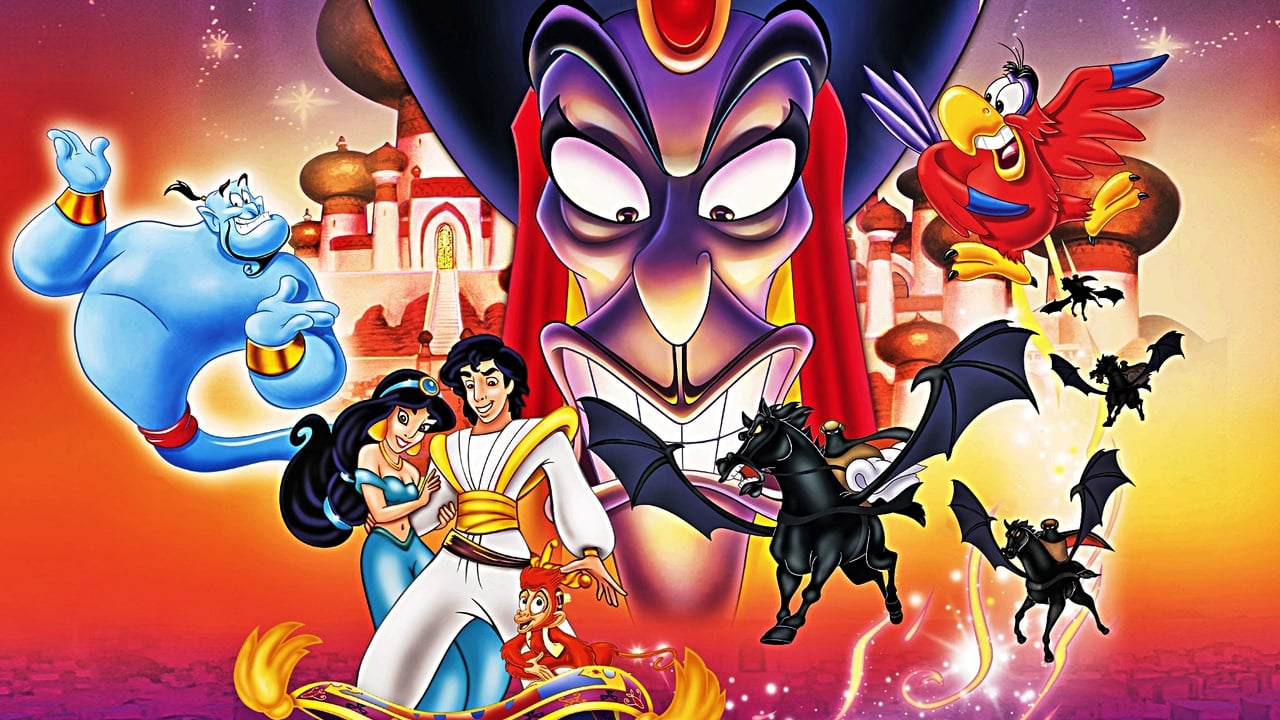
The Return of Jafar is a fascinating piece of Disney history and a key marker in the evolution of home video. It bravely ventured where no major Disney animated feature had gone before – straight to VHS – and found immense success. While it can't escape the shadow of its near-perfect predecessor in terms of animation quality and musical brilliance, it succeeds on its own terms as an entertaining adventure with strong voice work (especially from Jason Alexander) and a surprisingly engaging character arc for Iago. It delivered more of the world and characters fans loved, directly into their living rooms.
Rating: 6/10
The score reflects its status as a direct-to-video sequel: the animation and songs aren't theatrical quality, and the absence of Robin Williams is felt. However, it earns points for its enjoyable story, strong performance from Jason Alexander, its historical significance as the first major Disney DTV sequel, and the undeniable nostalgic charm it holds for those who discovered it on that video store shelf back in '94. It may not have been a whole new world, but it was a welcome return visit, proving that sometimes, even a copy can have its own unique magic.