Okay, fellow tapeheads, let’s rewind to ’98. Remember walking through Blockbuster, the scent of plastic cases and slightly stale popcorn in the air? You spot a familiar, rugged face on a cover – Harrison Ford, squinting under a tropical sun, next to the sharply beautiful Anne Heche. The title promises adventure with a ticking clock: Six Days Seven Nights. You grab it, maybe along with a bag of microwave popcorn, ready for some good old-fashioned movie magic on your trusty CRT. This flick felt like pure, unadulterated escapism back then, and popping it back in today… well, it still delivers a surprisingly satisfying dose of that late-90s charm.
### Stranded in Paradise (and Bickering)
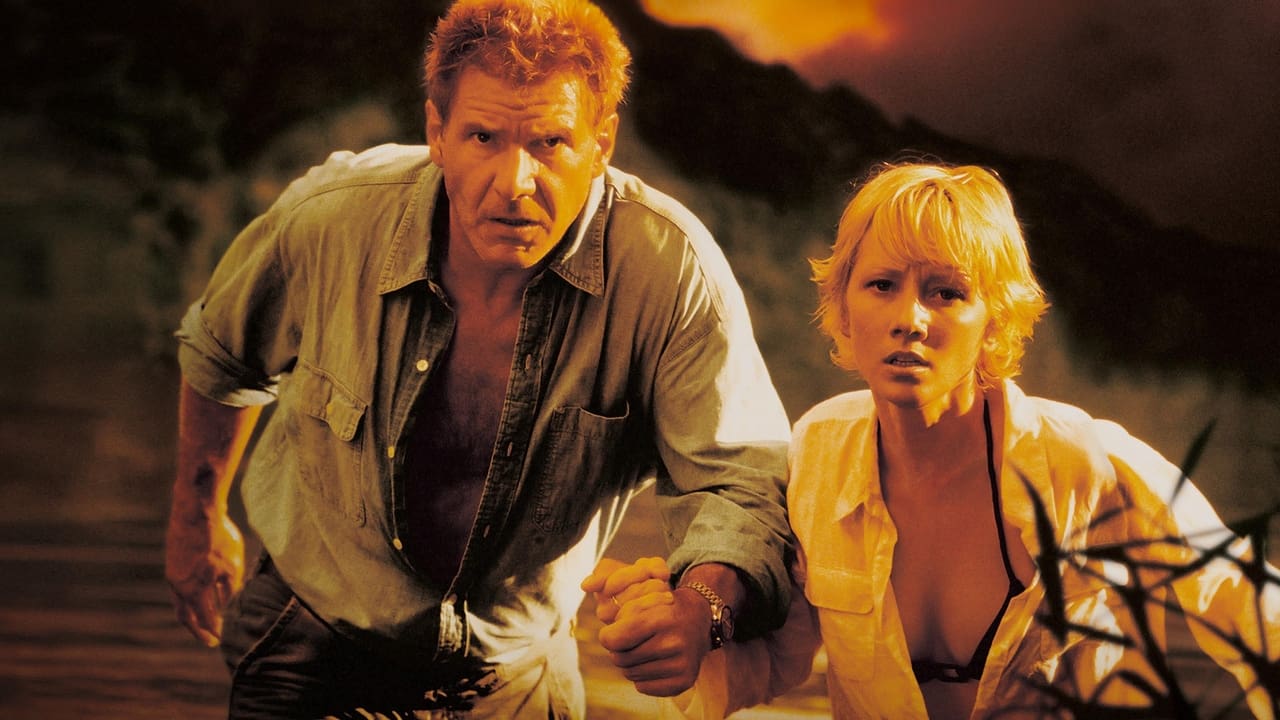
The setup is classic Hollywood gold: Robin Monroe (Anne Heche), a sharp, ambitious New York magazine editor, is on a romantic getaway in Makatea with her slightly goofy but well-meaning boyfriend Frank (David Schwimmer, right in the thick of his Friends fame). When a work emergency demands Robin zip over to Tahiti for a photoshoot, the only available ride is via Quinn Harris (Harrison Ford), a gruff, seen-it-all cargo pilot flying a beat-up de Havilland Canada DHC-2 Beaver. He lives a simple island life, happily detached from the kind of hustle Robin embodies.
Naturally, disaster strikes. A sudden, violent thunderstorm forces their plane down onto a deserted island. No radio, dwindling supplies, and two personalities more likely to clash than coconuts. It's the kind of high-concept premise studios loved back then – throw two attractive opposites into peril and watch the sparks fly, both romantic and argumentative.
### Real Planes, Real Peril, Real Ford
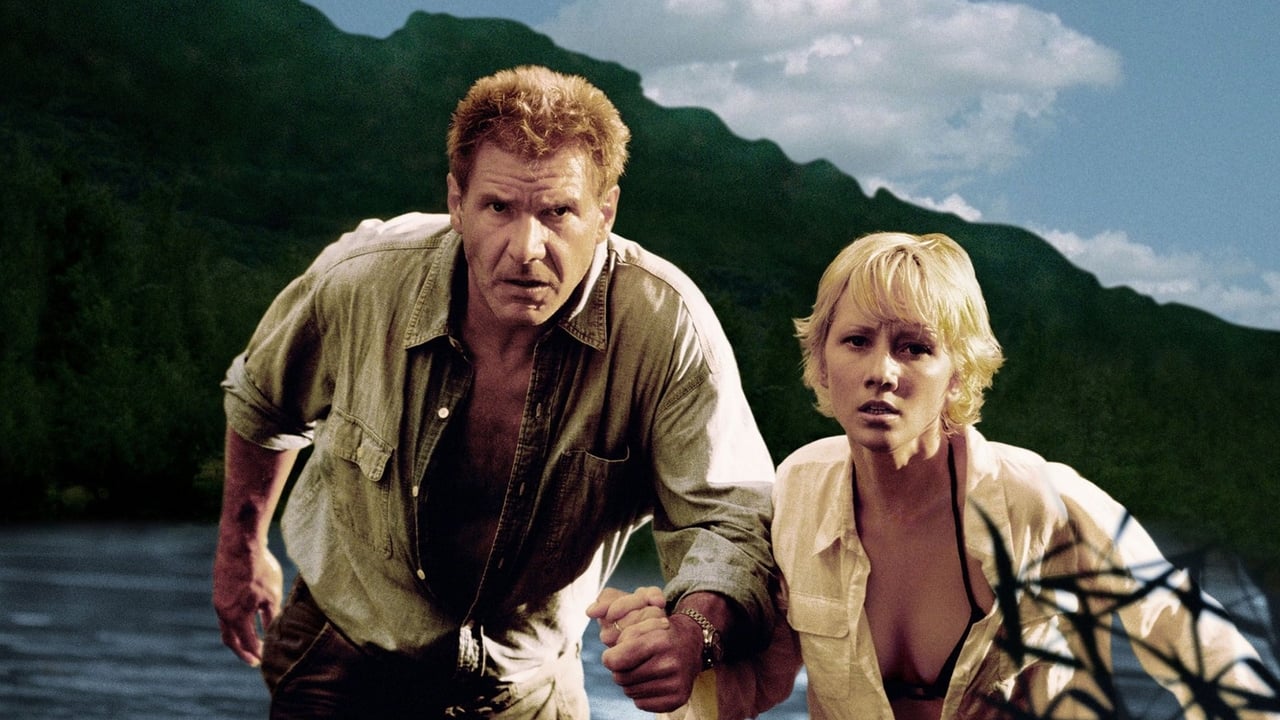
What hits differently watching Six Days Seven Nights now is how tangible the danger feels, especially during that initial crash sequence. Director Ivan Reitman, mostly known for massive comedies like Ghostbusters (1984) and Twins (1988), stages the storm and crash with a visceral, practical energy. You feel the turbulence rattle the fuselage; the lightning flashes illuminate genuine panic on the actors' faces. Forget smooth CGI – this feels like metal groaning, rivets popping, and sheer luck keeping them alive. It’s a reminder of an era where you felt the impact because often, something was genuinely impacting something else just off-camera (or sometimes, on camera).
And let's talk about Quinn Harris. Harrison Ford, already an icon from Star Wars and Indiana Jones, slips into this role like a comfortable old flight jacket. Quinn is pure Ford archetype: capable, cynical on the surface, but with a core of decency. It's not Indy, but there's that familiar glint in his eye. Interestingly, Ford, a noted aviation enthusiast in real life, actually earned his pilot's license around the time of filming, adding a layer of authenticity to his portrayal behind the yoke, even if seasoned stunt pilots handled the truly hairy stuff. Knowing the star genuinely loves flying just adds to the character’s believability. That beat-up Beaver plane practically becomes a character itself, a symbol of Quinn’s rugged independence.
### Chemistry and Kauai
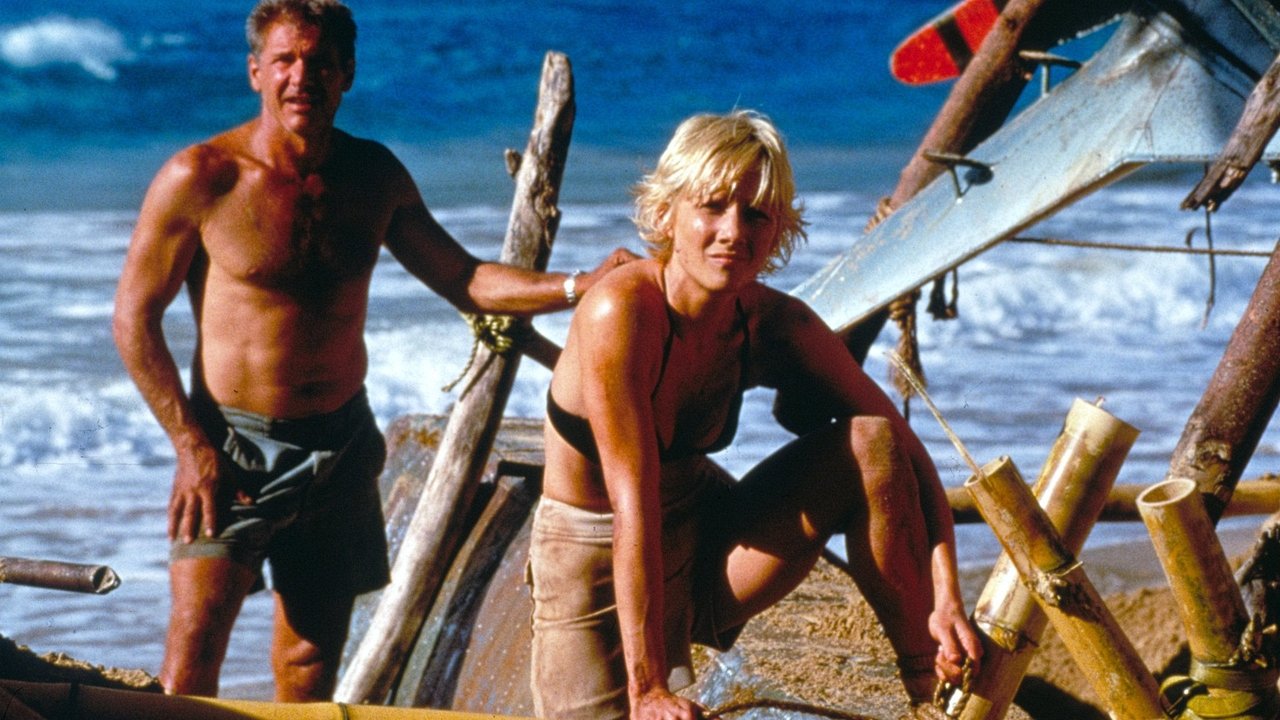
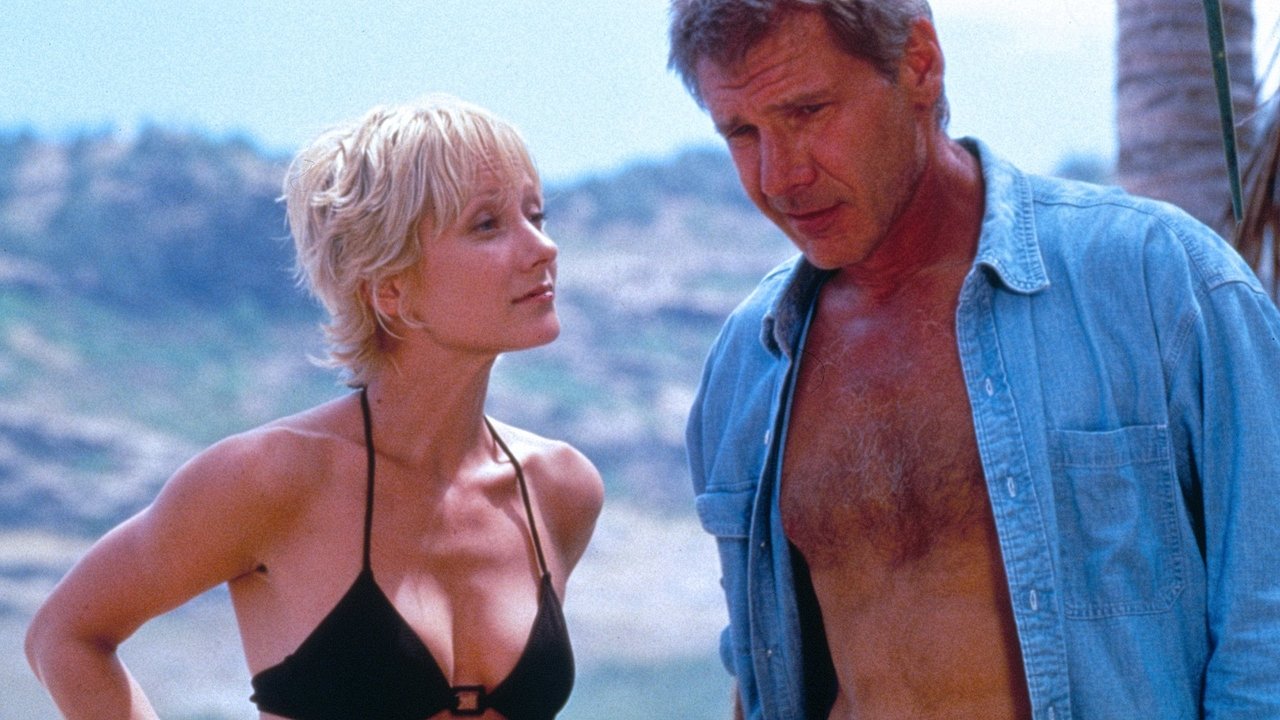
The heart of the film relies on the friction and eventual connection between Quinn and Robin. Anne Heche more than holds her own against Ford, giving Robin a believable mix of vulnerability and city-smart toughness. Their back-and-forth dialogue, penned by Michael Browning, crackles with classic rom-com energy, even amidst snake bites and treacherous cliff climbs. You buy their initial antagonism and their gradual thawing. It’s a dynamic we don’t see quite as often anymore, that slow burn built on shared survival rather than instant attraction. Schwimmer, bless him, leans perfectly into the ‘wrong guy’ role, providing some good laughs back on the main island.
Reitman and his crew make incredible use of the Kauai locations. The lush greens, dramatic cliffs, and sparkling blue waters are stunningly captured by cinematographer Michael Chapman (Raging Bull, Taxi Driver – talk about pedigree!). The island itself feels wild and untamed, amplifying the leads' isolation and forcing them to rely on each other. Reportedly, the production faced its own challenges shooting on location, dealing with the lingering effects of Hurricane Iniki which had devastated Kauai a few years prior. This real-world context perhaps subtly underscores the film's themes of survival and recovery.
### Pirates and Practicality
Just when you think it’s all about survival and romance, the film throws in… pirates! Yes, actual modern-day pirates who add another layer of action-adventure thrills. The ensuing chase sequences again showcase that practical stunt work we love from this era. Remember how real those boat chases and near misses felt before digital replacements became the norm? There’s a weight and chaos to the action here that’s undeniably engaging, even if the pirate subplot feels a tad convenient for raising the stakes.
Six Days Seven Nights landed in theaters with a hefty $70 million budget and pulled in around $165 million worldwide. Respectable, but perhaps not the runaway smash expected given Ford's star power. Critical reception was lukewarm, often calling it predictable, but audiences seemed to enjoy the ride for what it was: a gorgeous-looking, star-powered adventure with genuine chemistry. It’s the kind of film that might not have redefined cinema, but it sure made for a great Friday night rental.
---

VHS Heaven Rating: 7/10
Justification: The film scores points for its fantastic leads and their undeniable chemistry, the gorgeous location shooting that practically begs you to book a flight, and the satisfyingly tangible practical effects in its action/adventure sequences. It loses a few points for a fairly predictable plot trajectory and a slightly tacked-on pirate subplot. However, the sheer charm and classic Hollywood escapism, anchored by Ford’s effortless charisma and Heche’s spirited performance, make it highly enjoyable.
Final Take: Six Days Seven Nights is prime late-90s comfort cinema – a breezy, beautiful adventure-romance that knew exactly what it wanted to be. It's a reminder of when movie stars could carry a simple premise to enjoyable heights, bolstered by real locations and action you could almost feel through the fuzzy tracking lines on your VCR. Still a fun island getaway, no passport required.