The flickering static clears, revealing the stark, almost offensively amateur title card: "Fact or Fiction". There’s an immediate, unsettling authenticity to it, isn't there? Not the slick, manufactured dread of later horrors, but something cruder, closer to the bone. The Last Broadcast (1998) doesn't just feel like a relic from the late 90s cable access wasteland; it feels like evidence dredged from a digital abyss, a chilling premonition of the found footage wave that was about to crash over us all.

Into the Pines
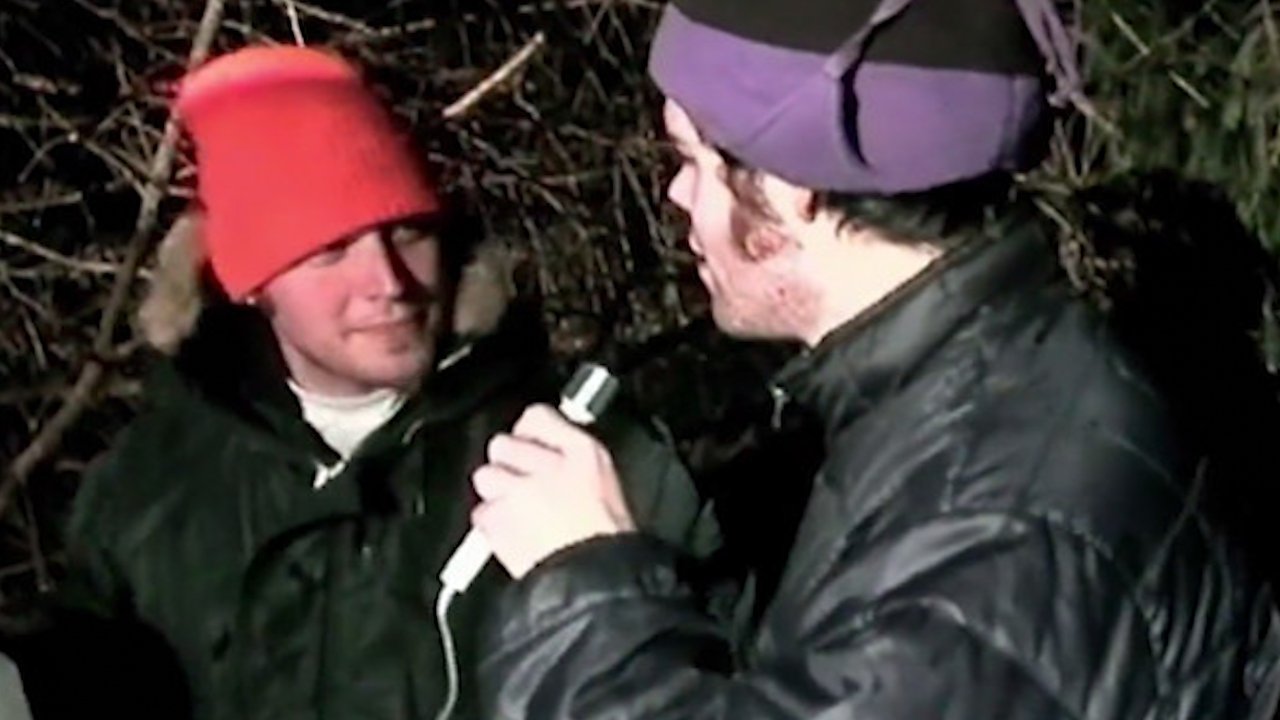
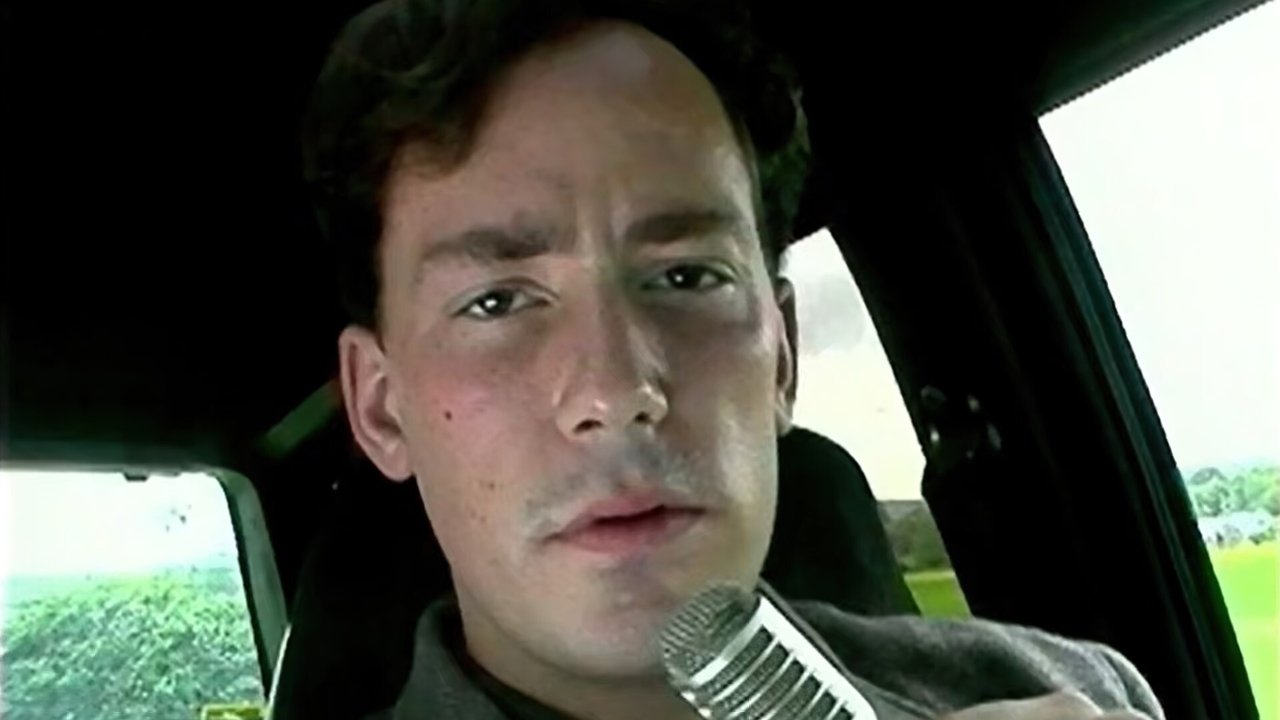
The setup is deceptively simple, presented as a true-crime documentary investigating a multiple homicide. We follow the hosts of the aforementioned public access show, "Fact or Fiction" – the driven Stefan (Stefan Avalos) and the more flamboyant Locus (Lance Weiler) – as they plan a live broadcast from the desolate New Jersey Pine Barrens. Their subject? The legendary Jersey Devil. Accompanied by a soundman (Rein Clabbers) and a supposed psychic (Jim Seward), their trip ends in brutal tragedy, leaving only fragmented digital tapes and one traumatized survivor, Jim. David Beard plays the documentarian piecing together the grim puzzle, interviewing experts and relatives, analyzing the recovered footage with an almost forensic detachment that only amplifies the creeping dread.
Digital Ghosts and Shoestring Nightmares
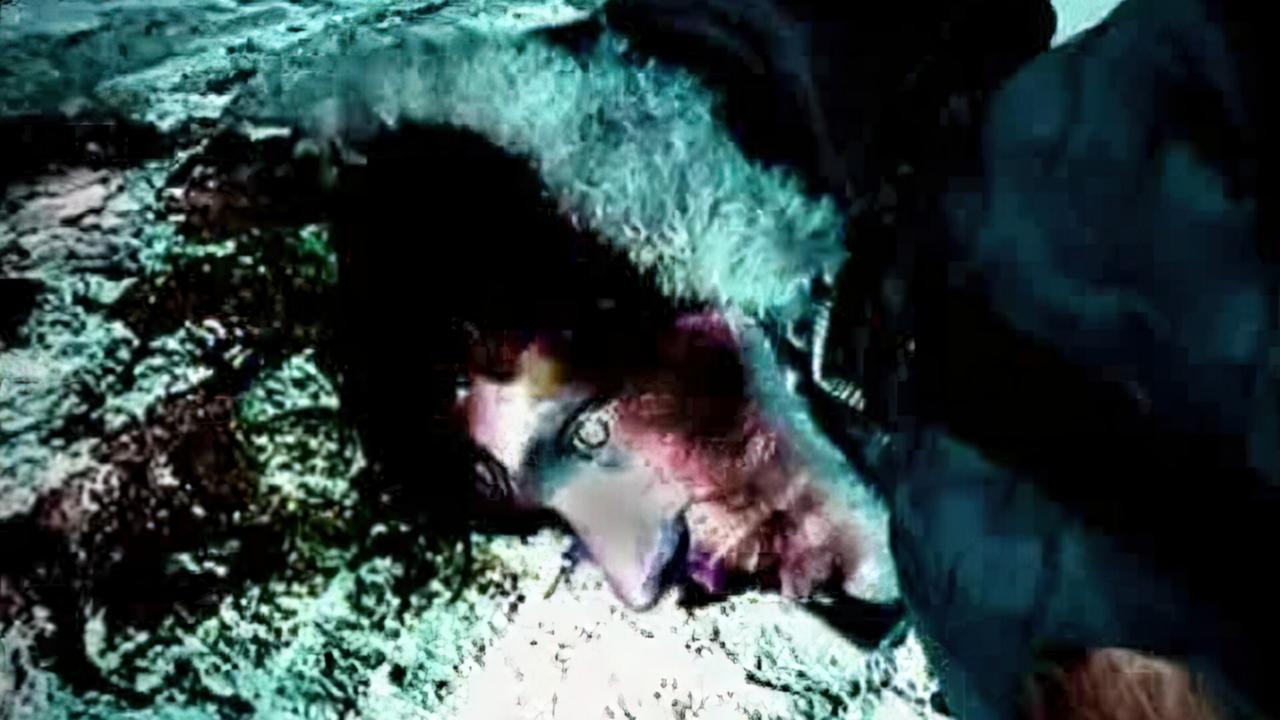
What truly sets The Last Broadcast apart, especially viewing it through the lens of VHS nostalgia, is its groundbreaking production. Forget Hollywood gloss; this was guerrilla filmmaking born from necessity. Shot entirely on consumer-level digital video cameras for a reported budget of just $900 (yes, nine hundred dollars – less than a decent VCR back then!), it was edited on a desktop computer by Avalos and Weiler themselves. This raw, pixelated aesthetic, initially a budgetary constraint, becomes one of the film's greatest assets. The jerky camerawork, the occasional digital artifacts, the flat lighting – it all contributes to a disturbing sense of verisimilitude. It feels found, less constructed than unearthed. The filmmakers, pulling triple duty as writers, directors, and lead actors, imbue the "Fact or Fiction" segments with a cringeworthy accuracy that anyone who channel-surfed late at night in the 90s will instantly recognise. Their commitment sells the doomed venture long before they even reach the woods.
The Slow Burn of Suggestion
This isn't a film that relies on jump scares or elaborate monster effects. Its horror is insidious, built through grainy video fragments, unsettling audio recordings played back in sterile editing suites, and the conflicting testimonies of those involved. The documentary structure allows for a slow, deliberate build-up of unease. We pore over the low-resolution images alongside the fictional investigators, searching for clues in the digital noise. What did happen out there in the Barrens? Was it the Jersey Devil? Something more human? Or something else entirely? The ambiguity is wielded effectively for much of the runtime, letting your imagination fill in the terrifying blanks, much like the best ghost stories whispered around a campfire. The film leans heavily on the psychological toll, particularly on Jim, the sole survivor whose narrative becomes increasingly suspect.
The Shadow of Blair Witch
It's impossible to discuss The Last Broadcast without mentioning The Blair Witch Project, which exploded onto the scene just a year later and largely eclipsed this pioneering effort. While Blair Witch mastered the marketing and captured the cultural zeitgeist, The Last Broadcast was arguably there first, experimenting with digital distribution via satellite and its own website – revolutionary concepts for an indie feature in 1998. History, however, is written by the victors (or at least the better marketed). Despite its innovations and earlier release, The Last Broadcast often gets relegated to a footnote, a "proto-Blair Witch". Does that diminish its unnerving power? Not entirely. It remains a fascinating, often genuinely creepy experiment from the dawn of digital horror.
The Final Transmission (Spoiler Alert!)
And then there’s the ending. For ninety minutes, the film masterfully builds tension through suggestion and ambiguity. The final minutes, however, take a sharp turn, revealing the killer and the how in a way that feels jarringly explicit compared to the preceding subtlety. This digitally manipulated climax, meant to be a shocking twist, has always been divisive. For some, it shatters the carefully crafted realism; for others, it’s a chillingly cold resolution. There's a certain dark irony that a film built on the limitations of consumer video culminates in a revelation enabled by digital editing trickery – a ghost literally in the machine. Did that final reveal work for you back then, or did it pull you out of the carefully constructed illusion?
Final Rating & Thoughts
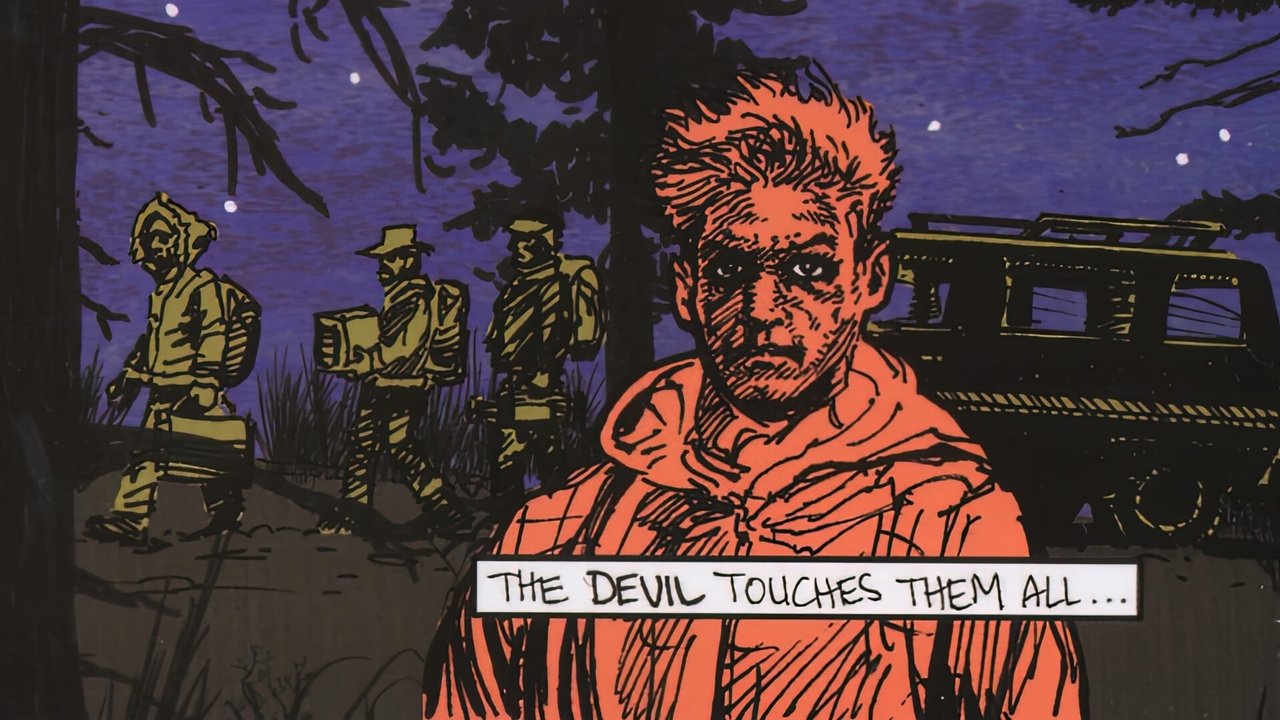
The Last Broadcast is a vital piece of indie horror history, a testament to creative vision triumphing over microscopic budgets. Its low-fi digital look, once a sign of its cutting-edge (and cheap) production, now serves as a uniquely unsettling time capsule. The slow-burn dread and mockumentary framing are highly effective for most of its runtime, genuinely tapping into that late-night channel-surfing unease. However, the controversial ending undeniably impacts the overall experience, shifting gears perhaps too abruptly. It pioneered techniques and a distribution model that were ahead of their time, even if mainstream success eluded it.
Rating: 6/10
Justified by its historical significance, genuinely creepy atmosphere for much of its length, and groundbreaking low-budget digital execution, but docked points for pacing issues and a divisive final act that undermines some of the preceding ambiguity.
It remains a fascinating, sometimes frustrating, but undeniably important artifact from the cusp of the digital revolution in filmmaking – a grainy, unsettling transmission from a time just before the internet and found footage changed everything. It’s a reminder that sometimes the most chilling horrors are the ones pieced together from the static and the shadows, broadcast just before the signal cuts out for good.