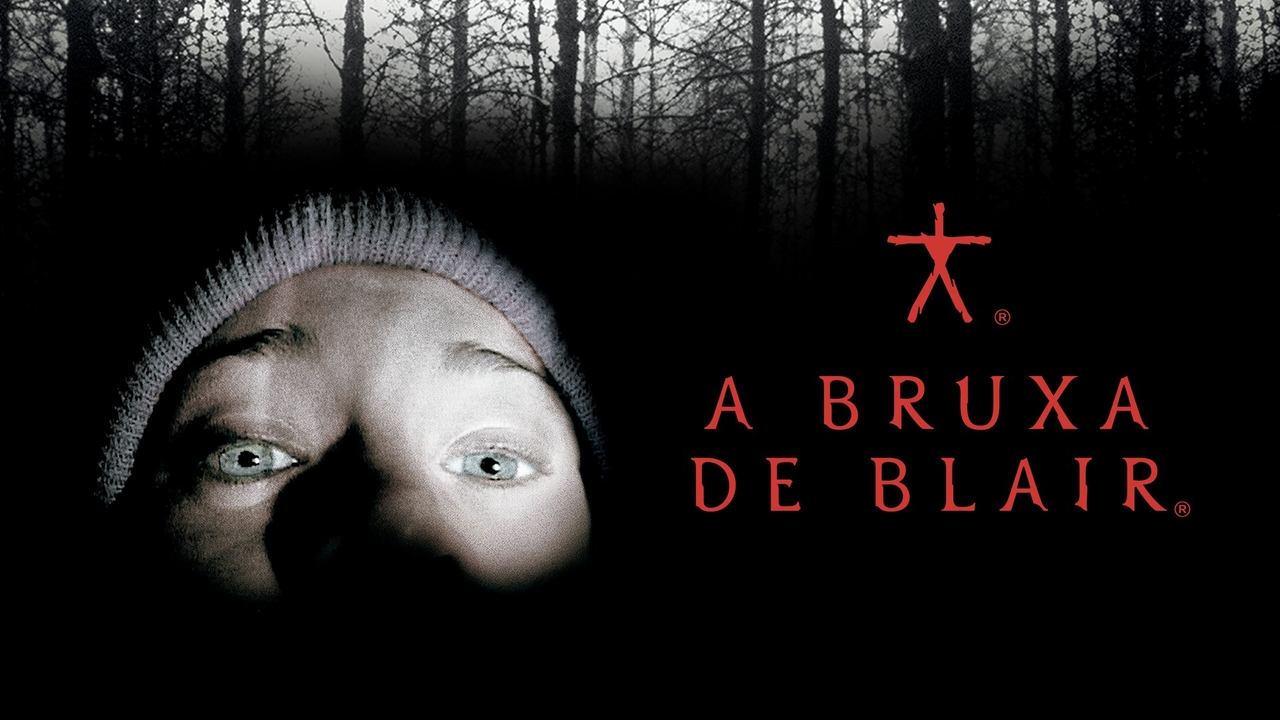
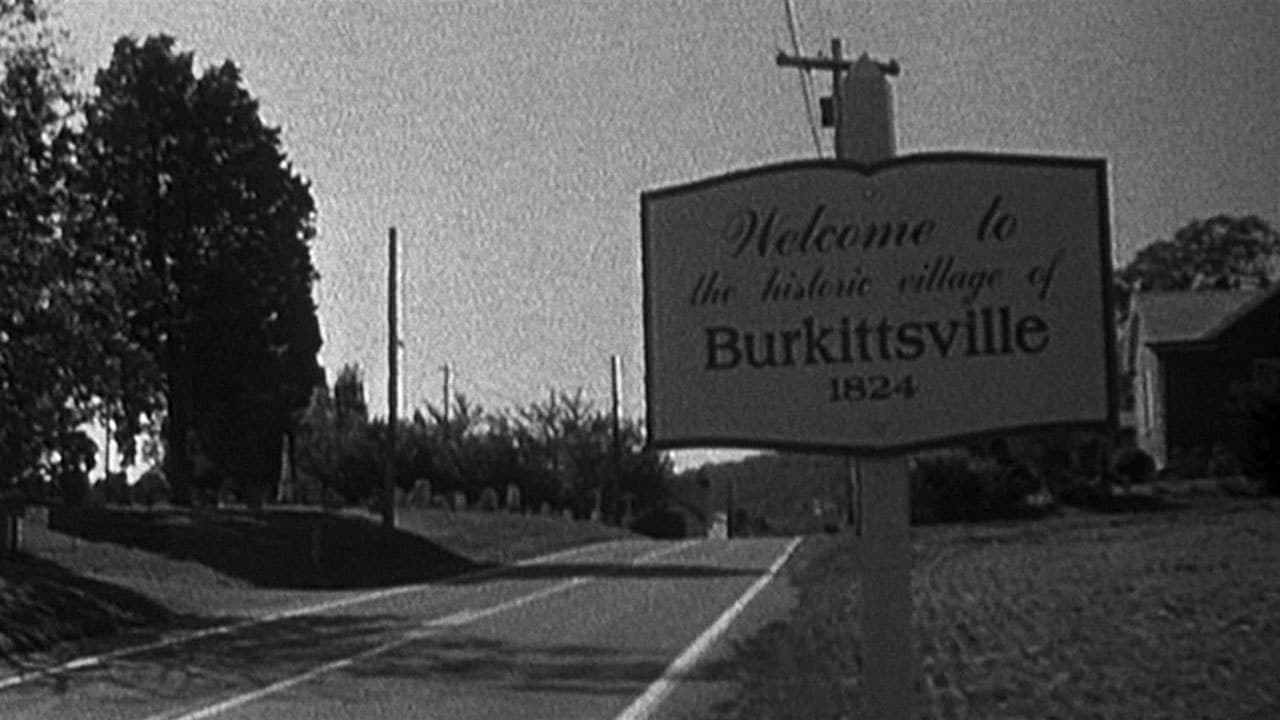
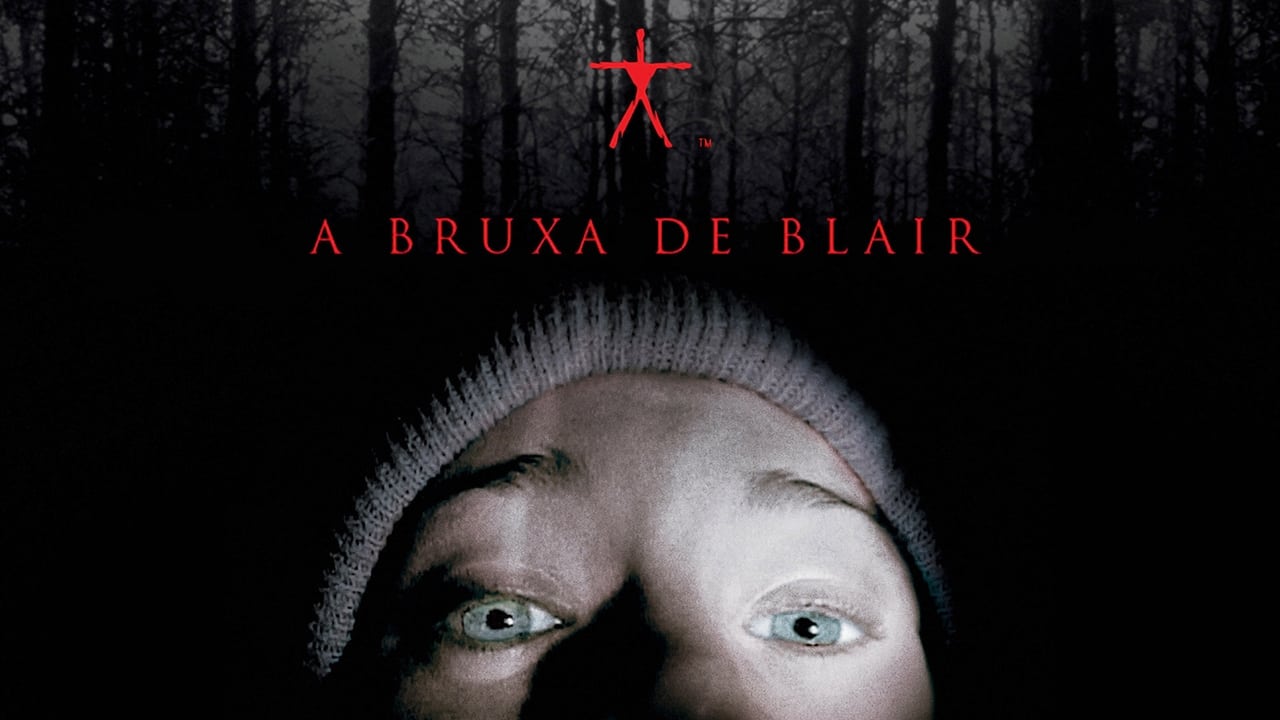
That shaky camera footage. That stark, chilling text card: "In October of 1994, three student filmmakers disappeared in the woods near Burkittsville, Maryland while shooting a documentary... A year later their footage was found." Forget jump scares staged in pristine Hollywood sets. The Blair Witch Project didn't just creep under your skin; it burrowed into the primitive fear centre of your brain, whispering that maybe, just maybe, this wasn't entirely fictional. Watching it back then, on a flickering CRT, perhaps late at night after hearing the frantic internet buzz, felt less like watching a movie and more like bearing witness.
The Legend That Swallowed Us Whole
Before viral marketing was a calculated corporate strategy, there was the raw, almost accidental genius of The Blair Witch Project's online campaign. Directors Daniel Myrick and Eduardo Sánchez didn't just make a movie; they birthed a modern folktale. The website, presented as a factual repository of evidence surrounding the disappearance of Heather Donahue, Michael C. Williams, and Joshua Leonard, was unnervingly convincing. Missing persons posters, fabricated police reports, Heather's recovered journal entries – it all fed into the chilling narrative. Remember the Sci-Fi Channel special, Curse of the Blair Witch, airing before the film's wide release? It treated the legend with such faux-documentary seriousness that lines blurred completely. For a glorious, terrifying moment in the summer of 1999, a significant chunk of the audience genuinely debated whether they were about to watch recovered snuff footage. That marketing masterstroke wasn't just clever; it amplified the film's core dread tenfold before the first frame even flickered.
Lost in the Sound and Fury
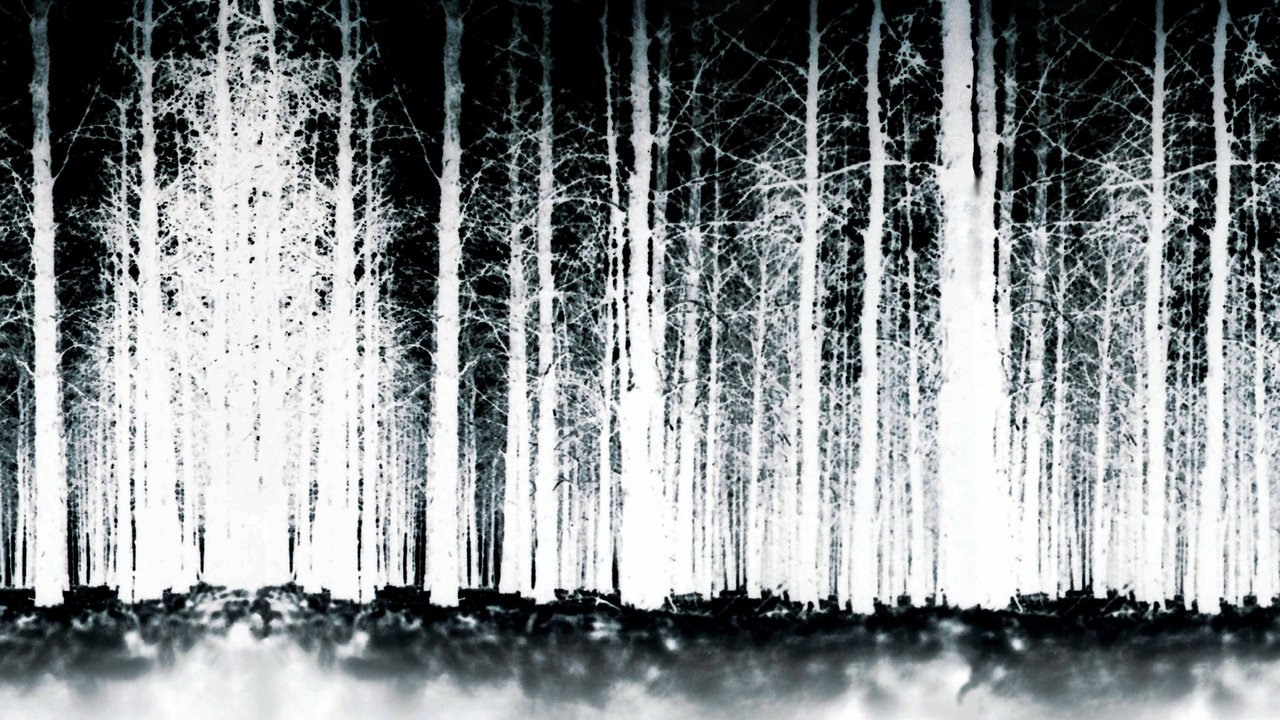
The film itself weaponizes minimalism. There’s no monster reveal, no orchestral stings telegraphing frights. The horror is conjured entirely from suggestion, off-screen sounds, and the performers' raw, deteriorating nerves. The snapping twigs just beyond the firelight, the chilling laughter of unseen children, those terrifying stick figures dangling from the trees – doesn't that sound design still feel deeply unsettling? The genius lies in what isn't shown. Our imagination, fueled by the escalating panic of Heather, Mike, and Josh, conjures terrors far more potent than any prosthetic creature could provide.
The actors weren't just performing; they were enduring. Myrick and Sánchez famously gave their cast only a 35-page outline, forcing them to improvise dialogue based on notes left daily at designated drop points. They were deliberately given less food each day to increase irritability and fatigue. The directors actively harassed them from just out of sight during night sequences, shaking the tent, playing sounds – tactics designed to elicit genuine reactions of fear and frustration. Heather Donahue's tearful, iconic monologue facing the camera wasn't just acting; it felt agonizingly real because, in many ways, the distress was real. It's a method that walks a fine ethical line, perhaps, but undeniably contributed to the film's gut-wrenching authenticity.
Micro-Budget, Macro-Impact
This whole terrifying experience was captured for pennies, relatively speaking. Shot on consumer-grade Hi8 video and 16mm film cameras operated by the actors themselves, the initial production budget hovered around a reported $60,000. Even after post-production tweaks by distributor Artisan Entertainment, the final cost remained well under a million dollars. Its eventual worldwide gross of nearly $250 million remains one of the most staggering return-on-investment stories in film history. It proved that vision, atmosphere, and a truly innovative concept could conquer colossal budgets. The shaky, often nauseating camerawork wasn't just a stylistic choice; it was born of necessity and became integral to the found-footage aesthetic the film would popularize. I distinctly remember the initial confusion, the feeling that this couldn't be a traditional movie – it felt too raw, too immediate.
The Lingering Chill
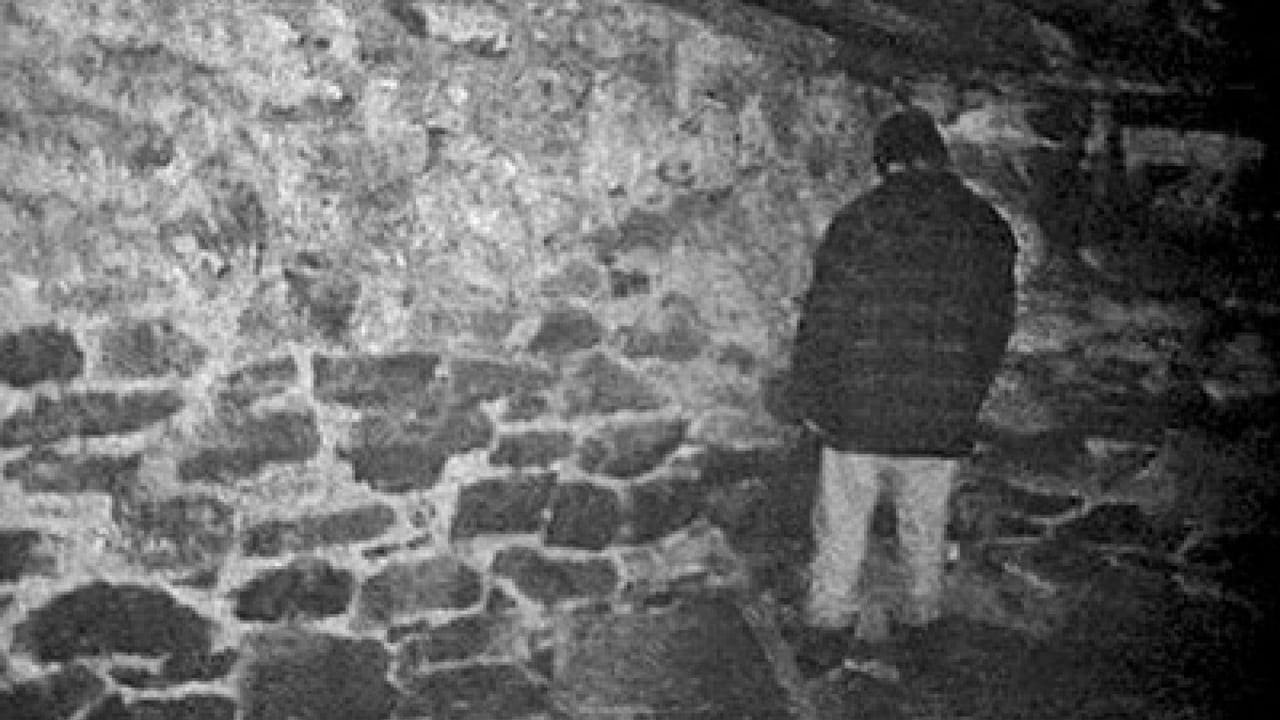
Of course, the film wasn't without its detractors. Some found the shaky cam unbearable (reports of audience members getting motion sickness were common), while others felt cheated by the lack of a conventional monster or resolution. That infamous final shot – Mike facing the corner, Heather dropping the camera – is still debated. Was it terrifyingly suggestive or frustratingly ambiguous? For me, its power lies precisely in that ambiguity, leaving the true nature of the horror hauntingly undefined.
The Blair Witch Project didn't just make money; it fundamentally altered the horror landscape. It demonstrated the power of suggestion, legitimized found footage as a subgenre (for better or worse, paving the way for everything from Paranormal Activity to Cloverfield), and showcased the potential of the internet as a storytelling platform. While sequels and spin-offs (Book of Shadows: Blair Witch 2 in 2000, and the 2016 Blair Witch) attempted to expand the mythology, none captured the lightning-in-a-bottle phenomenon of the original.
Rating: 9/10
This score reflects the film's groundbreaking impact, its masterful generation of atmosphere and psychological dread through minimalist techniques, and the sheer audacity of its execution and marketing. It loses a point only because the very rawness and shaky-cam style that make it effective can also be genuinely difficult for some viewers to watch, and the deliberate ambiguity, while powerful, can feel unsatisfying to those seeking concrete answers.
The Blair Witch Project remains a watershed moment in horror cinema. It’s more than just a film; it was an event, a cultural moment where reality and fiction blurred in the flickering darkness of the woods, leaving a chill that, for many of us who experienced it back then, has never quite faded. It tapped into something primal, reminding us that sometimes the most terrifying things are those we never truly see.