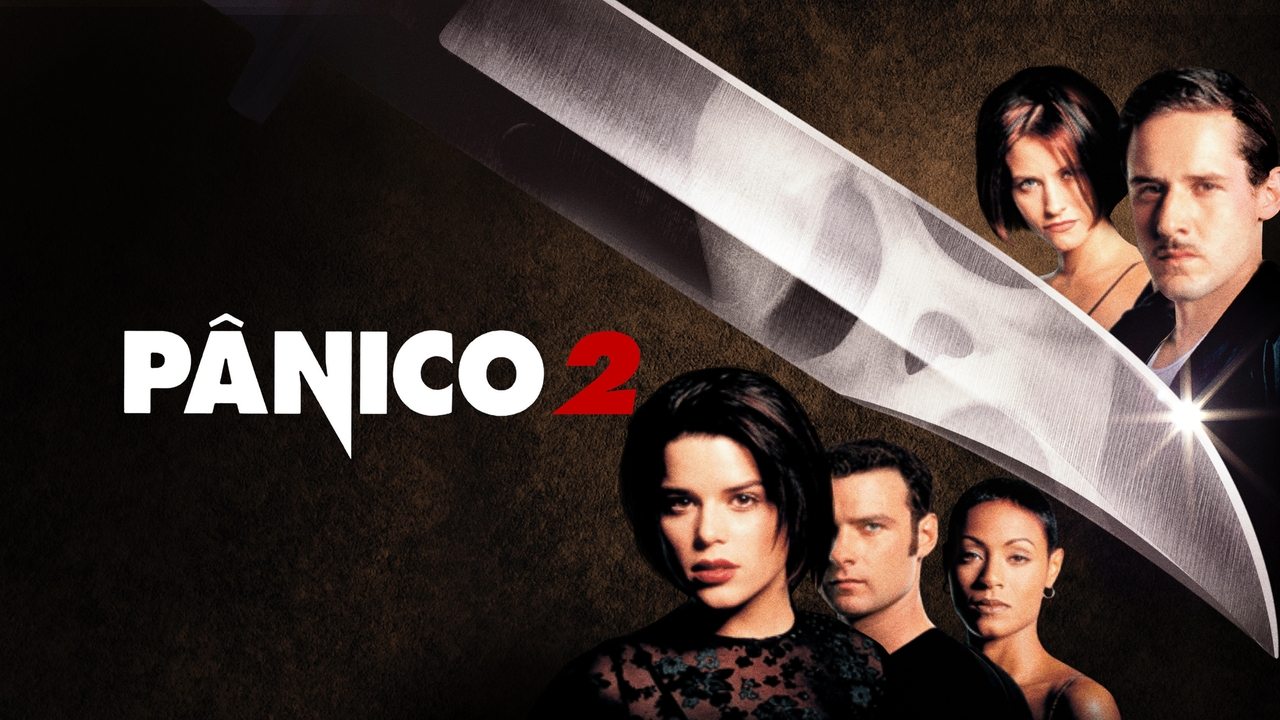
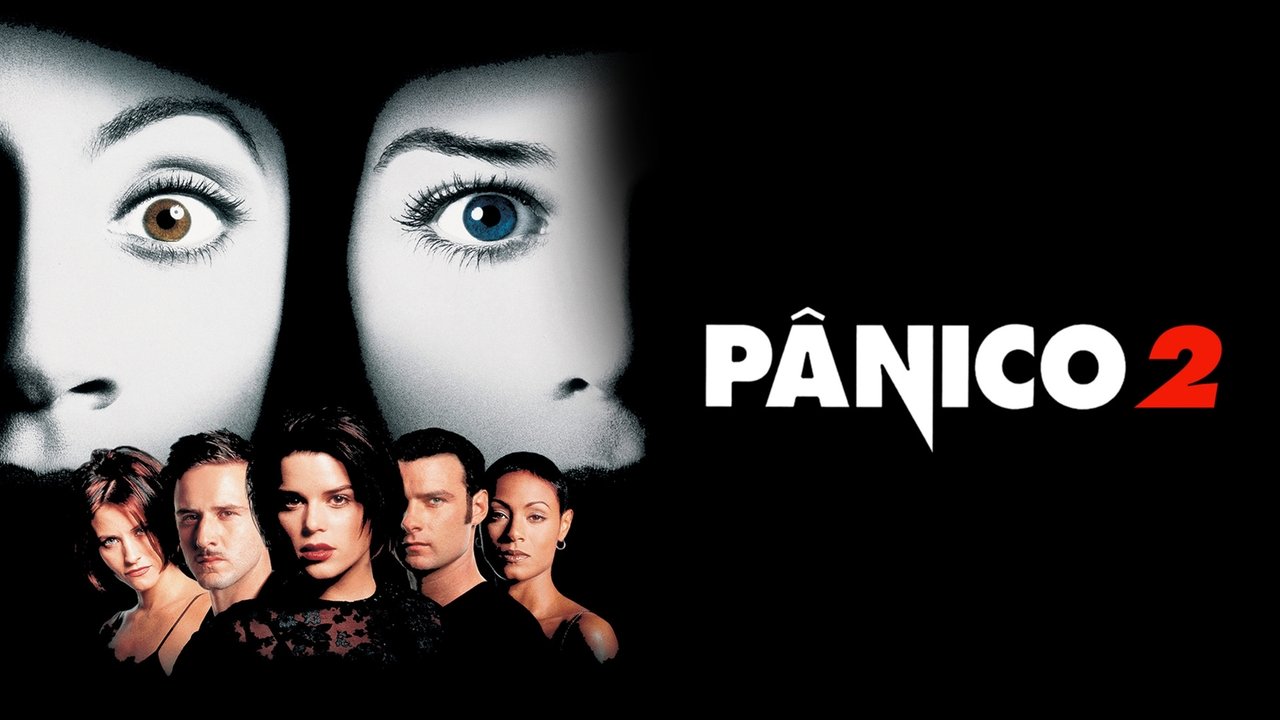
"Rule number two: The body count is always bigger." Randy Meeks laid it out plain, didn't he? Less than a year after Scream sliced through the complacency of mid-90s horror, the chillingly familiar mask was back, and the rules had changed. Scream 2 hit the video store shelves – and our VCRs – with the force of a perfectly timed jump scare, carrying the weight of impossible expectations. Could lightning strike twice? Could the meta-slasher magic be recaptured? The dark, grainy opening frames, set within the volatile atmosphere of a sneak preview for the movie-within-a-movie Stab, gave us our answer almost immediately. And it was drenched in blood.
The Echo Chamber of Fear
What Wes Craven, returning with ferocious energy alongside screenwriter Kevin Williamson, understood so well was that a sequel couldn't just repeat the formula; it had to amplify it, twist it, and turn the lens back onto itself. Scream 2 takes place at Windsor College, where Sidney Prescott (Neve Campbell, evolving Sidney from victim to resilient survivor) is trying to piece together a semblance of normalcy. But the past, as it so often does in these tales, refuses to stay buried. The release of Stab, based on Gale Weathers' book about the Woodsboro murders, acts as a catalyst, reigniting the terror with a new Ghostface who seems determined to stage their own bloody follow-up.
The campus setting provides a broader canvas for terror, moving beyond the confines of a single town. Dorm rooms, lecture halls, sorority houses, even the theatre department stage – nowhere feels safe. This expansion allows for some truly nerve-shredding set pieces. Remember the agonising tension of Gale Weathers (Courteney Cox, sharper and more driven than ever) trapped in the film school's soundproof recording booth, unable to warn Dewey (David Arquette, embodying the lovable deputy with endearing vulnerability) of the killer stalking him just feet away? Or Sidney and Hallie's excruciating crawl over a seemingly unconscious Ghostface in a crashed police car? These sequences are masterclasses in suspense, proving Craven had lost none of his touch for orchestrating pure dread. He knew precisely how long to hold a shot, how to use silence as effectively as a sudden shriek from Marco Beltrami's pulse-pounding score.
Secrets Behind the Mask
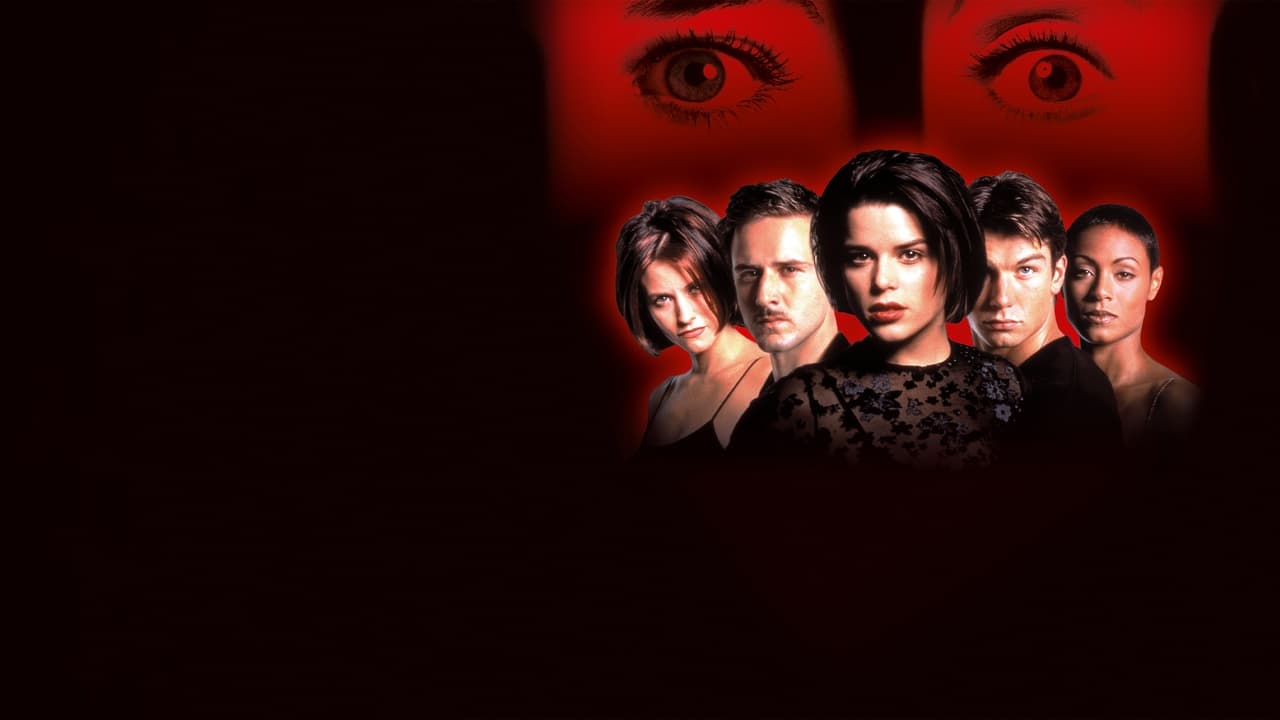
The production of Scream 2 itself is a story worthy of its own meta-commentary. Faced with an incredibly tight turnaround demanded by the studio eager to capitalize on the first film's success (released December 1996, Scream 2 hit cinemas December 1997!), the pressure was immense. This was compounded by one of the most notorious script leaks in modern film history. Large chunks of Williamson's original draft found their way online, forcing frantic rewrites during filming. Reportedly, multiple dummy endings were circulated, even among the cast, to preserve the ultimate reveal. You can almost feel that chaotic energy bleeding onto the screen – a sense of paranoia and uncertainty that mirrors the characters' own desperate situation. Who could you trust when the blueprint for murder was potentially public knowledge? This real-world drama inadvertently added another layer to the film's central themes of media saturation and the blurring lines between reality and fiction.
The film cost around $24 million, a significant jump from the original's $15 million, but it paid off handsomely, grossing over $172 million worldwide. It proved Scream wasn't just a fluke; it was a bona fide phenomenon, capable of sustaining its thrilling, self-aware momentum.
More Than Just Rules
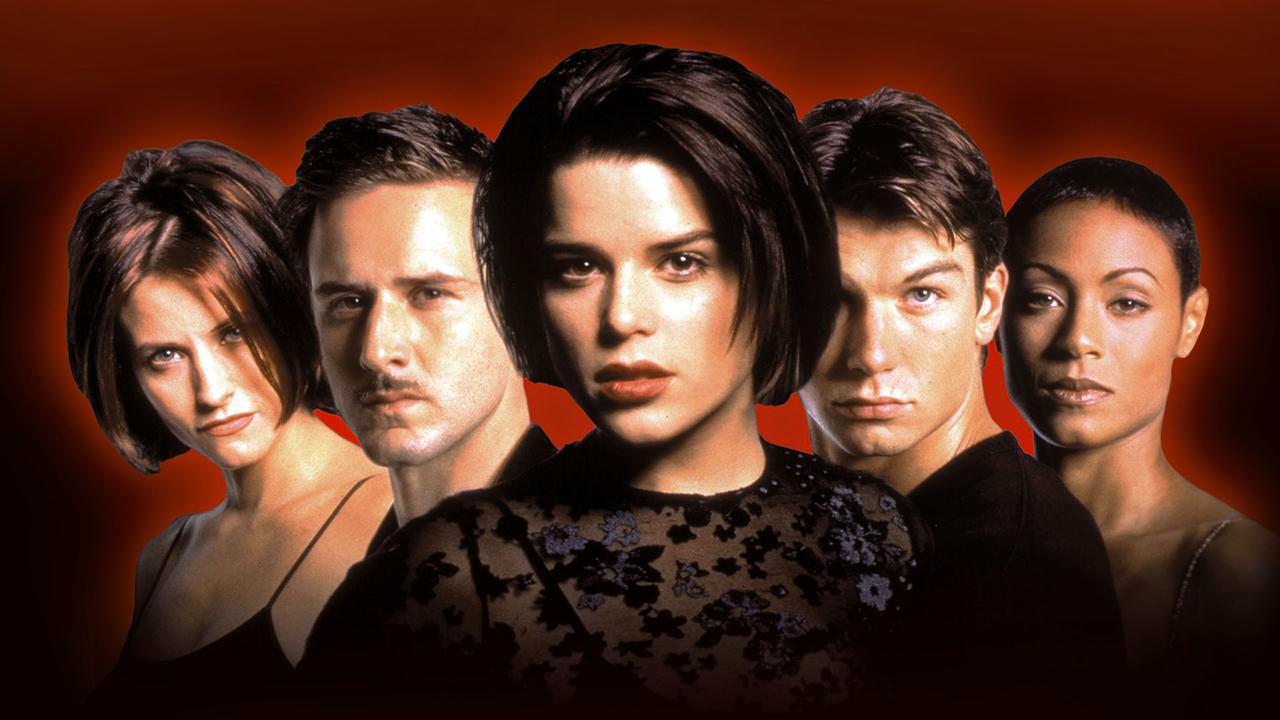
While Randy (the ever-watchable Jamie Kennedy) is there to dutifully outline the "Rules of a Horror Sequel" (bigger body count, more elaborate deaths, the 'if you wanna survive...' clause), Scream 2 is more than just a checklist. It deepens the exploration of trauma, particularly through Sidney's journey. Neve Campbell's performance anchors the film; her portrayal of Sidney grappling with PTSD, trust issues, and the unwanted fame thrust upon her is compelling. She’s not just running and screaming; she’s fighting back, processing, and trying to reclaim her narrative. The supporting cast is also strong, introducing memorable new faces like Jerry O'Connell as Sidney's earnest boyfriend Derek, Timothy Olyphant as the cynical film student Mickey, and Sarah Michelle Gellar (of Buffy the Vampire Slayer fame, perfectly cast) in a Cici Cooper role that delivers one of the film's most effective early shocks.
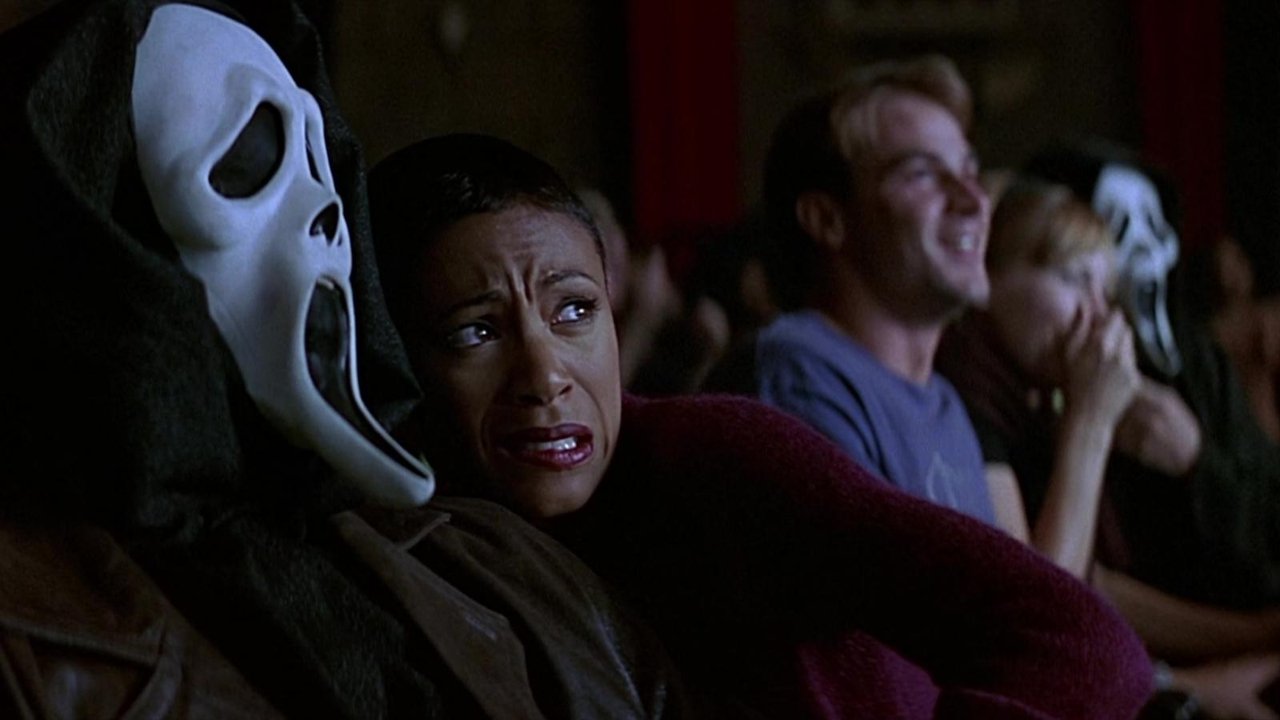
Does it reach the revolutionary heights of the original? Perhaps not quite. The first Scream had the element of surprise, the sheer audacity of its deconstruction. Scream 2, by necessity, plays within the framework established by its predecessor. Some argue the killer reveal(s) might feel a touch more contrived this time around. Did that final twist genuinely shock you back then, or did you piece it together from the clues scattered like breadcrumbs? Yet, even with these minor quibbles, the film succeeds brilliantly on its own terms. It's a smarter, often scarier, and arguably more ambitious sequel than most franchises ever manage. The opening sequence alone, with Omar Epps and Jada Pinkett Smith, remains a brutally effective statement of intent – a commentary on audience desensitization and the real-world consequences of screen violence that felt sharp then and still resonates now.
***
VHS Heaven Rating: 8/10
Scream 2 earns this high mark for defying the sequel slump with intelligence, style, and genuine scares. While the first film broke the mould, the second expertly built upon that foundation, delivering iconic set pieces, deepening its core characters, and continuing the sharp meta-commentary without simply repeating itself. The rushed production and script leaks could have derailed it, but instead, Craven and Williamson crafted a sequel that felt urgent and thrillingly unstable. It cemented Scream as the defining horror franchise of the late 90s. Popping this tape in always felt like settling in for a reunion with familiar faces plunged into fresh, terrifying chaos – a perfect slice of late-night, edge-of-your-seat viewing from the golden age of VHS rentals. It wasn't just a sequel; it was proof the game had changed for good.