It arrived on shelves not in the familiar puffy white clamshells of Disney, but often in a striking, darker case, hinting at something different. And The Prince of Egypt (1998) truly was different. In an era dominated by singing animals and fairy-tale romances, DreamWorks Animation’s debut feature dared to tackle one of the oldest, most epic stories known to humankind with a gravity and visual grandeur that felt monumental, even on a fuzzy CRT screen fed by a well-loved VHS tape. This wasn't just another cartoon; it felt like an event.
### An Epic Scope, A Human Heart
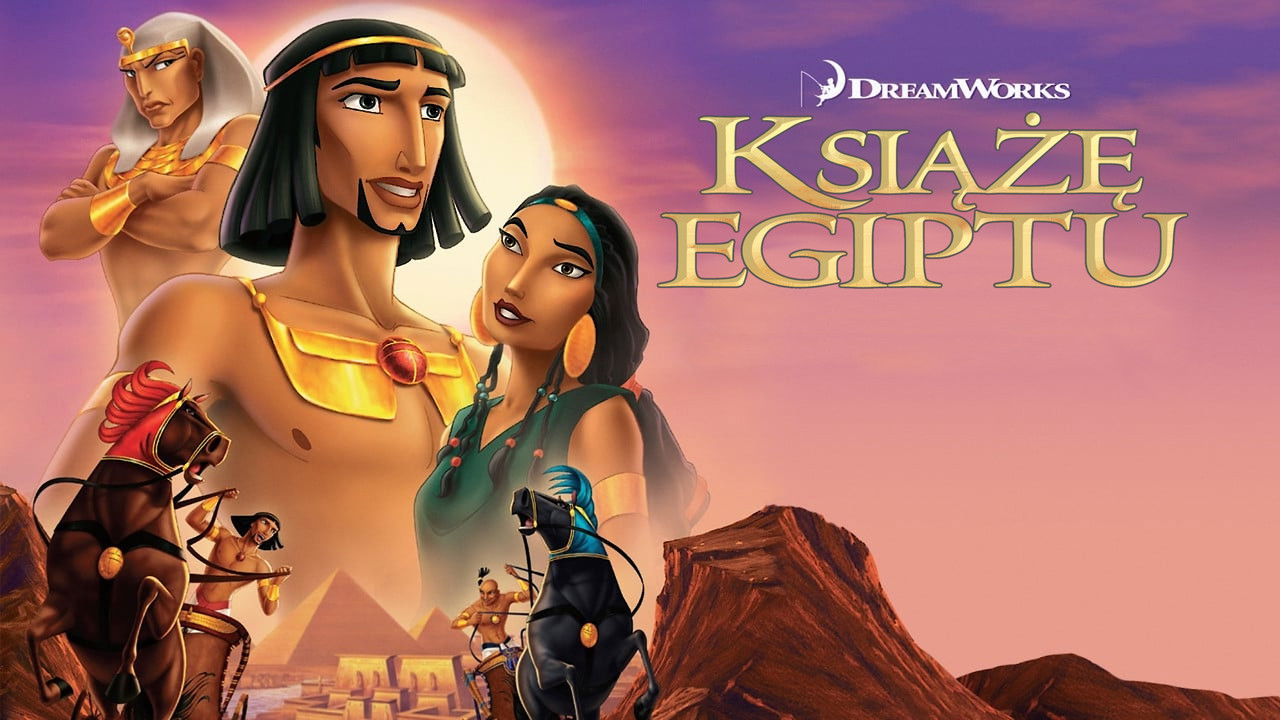
Right from the harrowing opening sequence depicting the slaughter of the Hebrew infants – rendered with chilling restraint but undeniable impact – you knew this film wasn't pulling its punches. Based on the Book of Exodus, it tells the story of Moses, born a Hebrew slave, set adrift in a basket, and raised as a prince of Egypt alongside the heir to the throne, Rameses. The core of the film, beautifully scripted by Philip LaZebnik (with story contributions from Kelly Asbury and Lorna Cook), lies in the complex, fractured brotherhood between Moses and Rameses. It’s a relationship forged in youthful camaraderie and torn apart by destiny, duty, and divine intervention. Directors Brenda Chapman, Steve Hickner, and Simon Wells masterfully balanced the spectacle of plagues and parting seas with this deeply personal conflict, giving the ancient tale a powerful emotional anchor.
### Animation That Reached for the Heavens

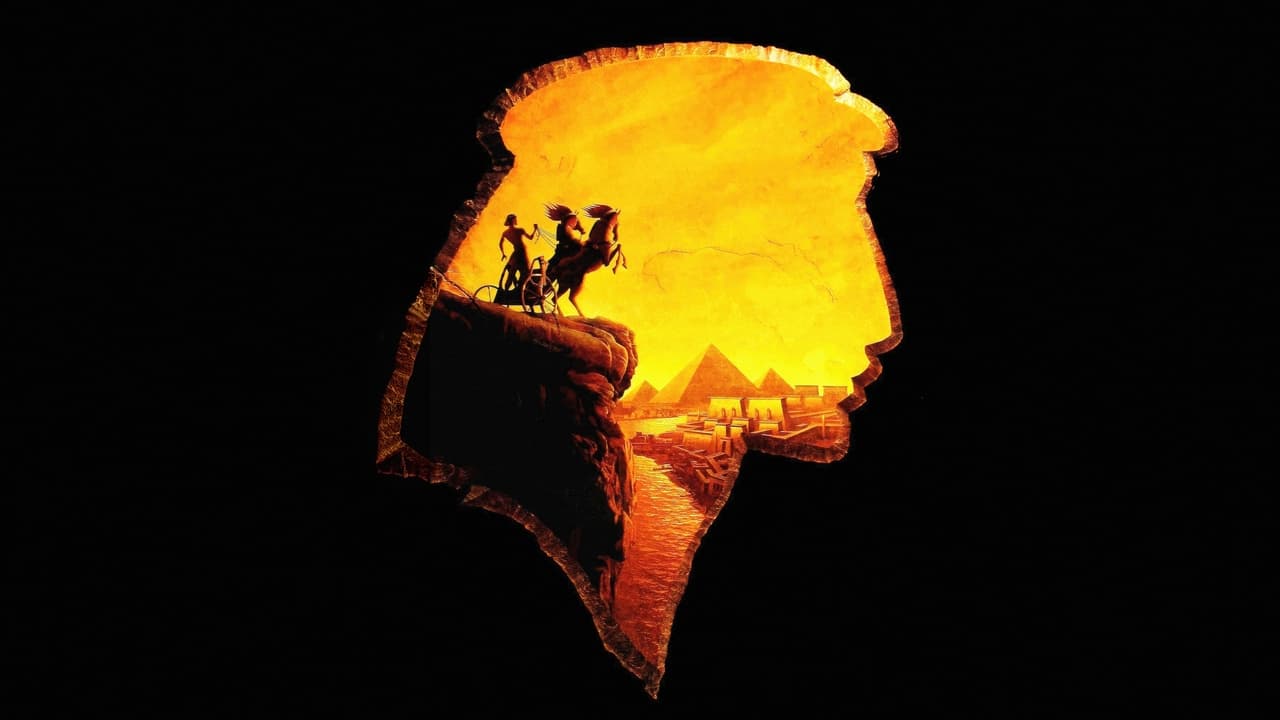
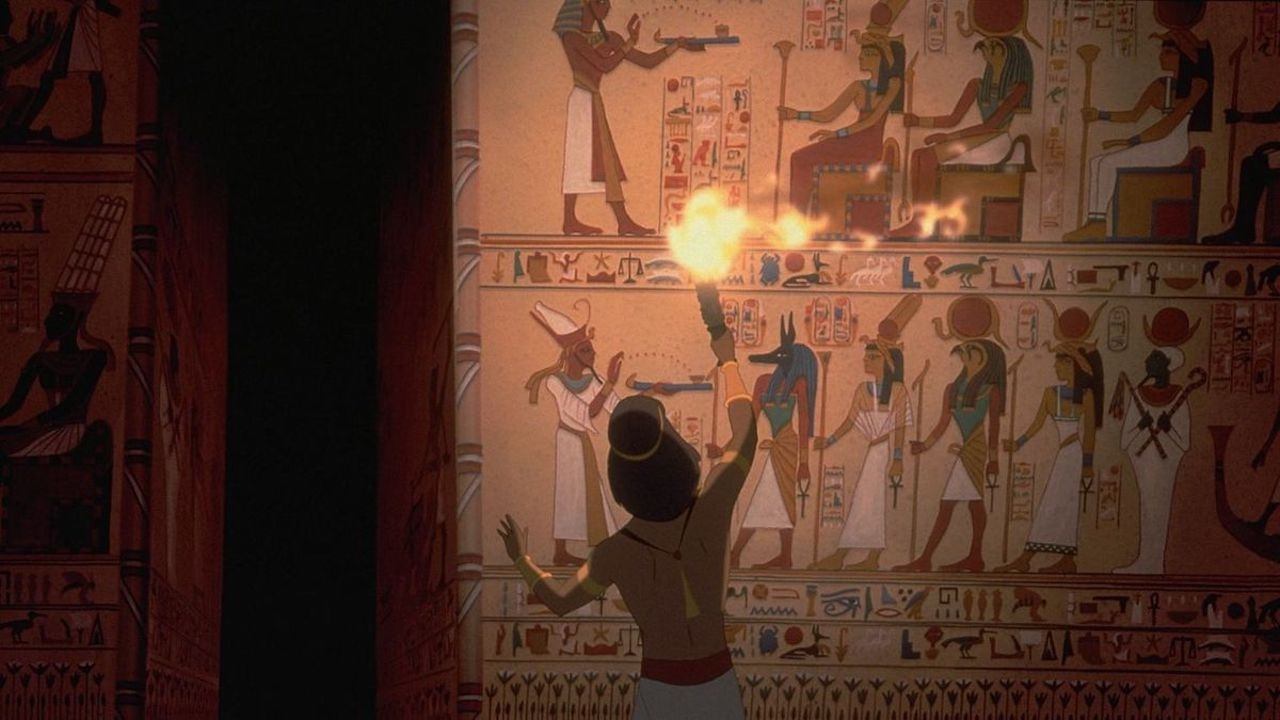
Let's talk visuals. DreamWorks assembled a colossal team of artists – reportedly over 350 people from 34 different nations – and their ambition shines through in every frame. The animation blends traditional hand-drawn artistry with burgeoning computer-generated imagery, creating breathtaking vistas of ancient Egypt, staggering crowd scenes, and moments of sheer visual poetry. Remember the hieroglyphic nightmare sequence? Or the awe-inspiring, terrifying majesty of the parting of the Red Sea? That sequence, in particular, was a technical marvel for its time, seamlessly integrating 2D characters with a wholly convincing 3D water effect that still looks impressive today. It pushed the boundaries of what mainstream animation could achieve, aiming for a realism and scale that felt distinct from its contemporaries. Seeing that kind of cinematic scope translate onto the humble VHS felt like witnessing magic smuggled into your living room.
### A Cast and Score Fit for Pharaohs
The voice cast assembled here is nothing short of legendary. We have Val Kilmer, hot off roles like Batman Forever (1995) and Heat (1995), bringing a conflicted soulfulness to Moses (and providing the subtle voice of God). Opposite him, Ralph Fiennes, chillingly invoking his Amon Goeth menace from Schindler's List (1993), gives Rameses a powerful, tragic pride. Surrounding them is an embarrassment of riches: Michelle Pfeiffer as the resilient Tzipporah, Sandra Bullock as Miriam, Jeff Goldblum as Aaron, Danny Glover as Jethro, Patrick Stewart as Pharaoh Seti I, Helen Mirren as Queen Tuya, and even comedic relief from Steve Martin and Martin Short as the duplicitous high priests Hotep and Huy. This wasn't stunt casting; these were actors lending their dramatic weight to the characters, elevating the entire production.

And the music! Oh, the music. Hans Zimmer delivered one of his most soaring, evocative scores, perfectly capturing the epic scale and emotional depth. Paired with the unforgettable songs by Stephen Schwartz (the genius behind Wicked and Disney's Pocahontas (1995) score), the soundtrack is integral to the film's power. From the stirring anthem "Deliver Us" to the Oscar-winning ballad "When You Believe" (a duet powerhouse by Whitney Houston and Mariah Carey for the end credits single version), the music drives the narrative and sticks with you long after the tape rewinds. It's a soundtrack that genuinely enhances the storytelling, rather than just interrupting it.
### Behind the Papyrus Curtain
Bringing such a revered and sensitive story to the screen was a monumental task. DreamWorks invested heavily, with a budget around $70 million – a significant sum for animation then – and it paid off, grossing nearly $218 million worldwide (that's roughly $410 million today!), proving audiences were ready for more mature animated storytelling. Extensive research went into the historical and cultural details, with filmmakers consulting religious scholars from various faiths to ensure respect and authenticity. This commitment is palpable; the film treats its subject matter with a seriousness rarely seen in animation aimed at a broad audience. While its box office didn't quite match Disney's biggest titans, its critical reception was strong (currently holding an 80% on Rotten Tomatoes and a 7.2 on IMDb), and its influence on subsequent non-Disney animated features is undeniable. It demonstrated that animation could be artful, dramatic, and deeply moving for all ages. It even spawned a direct-to-video prequel, Joseph: King of Dreams, in 2000.
### A Timeless Tale, A Lasting Impression
Watching The Prince of Egypt today, it holds up remarkably well. The animation is stunning, the voice acting superb, and the music remains incredibly powerful. Sure, some of the CGI might show its age slightly compared to modern standards, but the artistry and emotional core are timeless. It successfully navigated the challenge of adapting a sacred text into compelling popular entertainment, focusing on universal themes of freedom, faith, family, and the burden of destiny. It wasn't just a technical showpiece; it had soul. For many of us who first encountered it on that VHS tape, it felt like a revelation – animation that could be epic, serious, and breathtakingly beautiful all at once.
Rating: 9/10
This score reflects the film's sheer ambition, artistic achievement, powerful score, stellar voice cast, and its success in bringing an epic, mature story to life through animation with grace and impact. It pushed boundaries for its time and remains a standout achievement in the medium.
The Prince of Egypt wasn't just a movie; it was an experience. It proved that animation could tackle the grandest stories with the seriousness they deserved, leaving an indelible mark on a generation of viewers and reminding us of the sheer power cinema – even on a flickering TV screen – possesses. A true animated epic that delivered us something special.