Alright, rewind your minds with me. It’s the late 90s. You’re browsing the aisles of the local video store, maybe grabbing a late-night rental after work. The Hong Kong action section is usually reliable for some insane stunts or heroic bloodshed, but then you see this box: The Storm Riders (1998). The cover art looks... different. Less gritty realism, more epic fantasy, splashed with colours and energy that practically leaps off the cardboard sleeve. This wasn't just another cop thriller; this felt like something entirely new blasting out of the East.
### A Comic Book Explodes onto the Screen
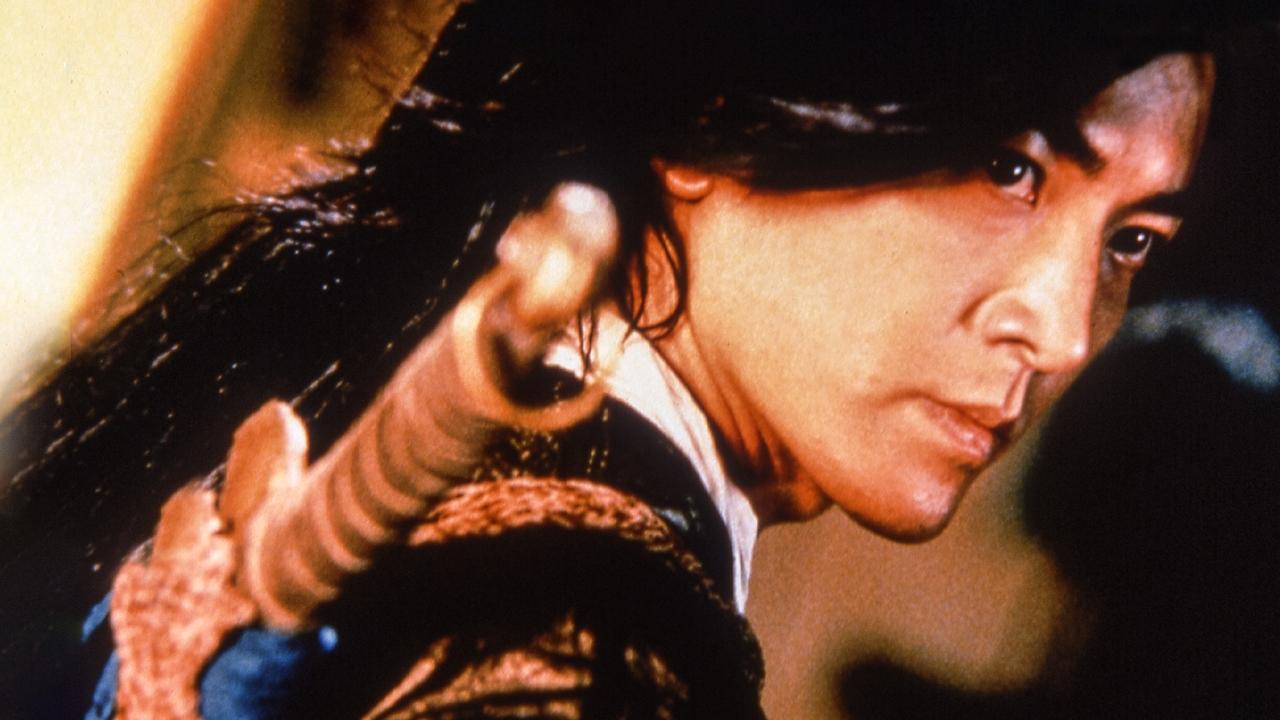
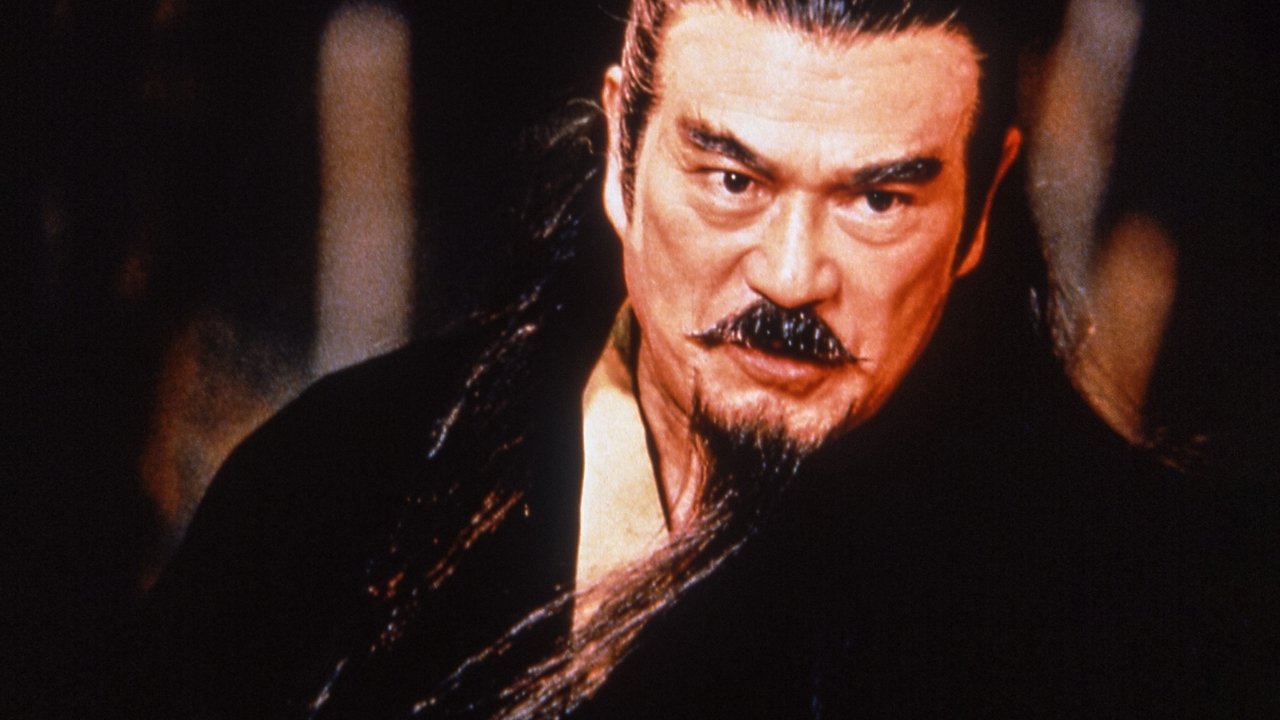
Based on the wildly popular Fung Wan manhua (Hong Kong comic) by Ma Wing-shing, The Storm Riders wasn't just an adaptation; it was a statement. Director Andrew Lau, already known for the gritty, kinetic energy of his Young and Dangerous gangster series, pivoted hard into high fantasy wuxia. The story follows two orphans, Whispering Wind (Ekin Cheng) and Striding Cloud (Aaron Kwok), raised by the ruthless warlord Lord Conqueror (Sonny Chiba!!). A prophecy dictates Conqueror's fate is tied to Wind and Cloud – first, they will help him rise, then they will bring about his downfall. What follows is a whirlwind of martial arts, magic, betrayal, and destiny, all painted with a visual style that was, for its time and place, utterly groundbreaking.
### Digital Dreams, Analog Realities
Let's talk about the elephant in the room: the CGI. By today's standards, some of the digital effects in The Storm Riders look, well, charmingly retro. Think somewhere between a high-end video game cutscene of the era and early experiments on Western screens. But here’s the thing: back in 1998, seeing this level of computer-generated imagery seamlessly (or sometimes not-so-seamlessly) blended with live-action wire-fu felt revolutionary, especially coming from Hong Kong. They poured a reported HK$100 million into this thing – a colossal budget for the local industry then – specifically to push the envelope. Remember seeing Cloud summon water or Wind unleash gale-force attacks? It might look a bit pixelated now on your flatscreen, but on a fuzzy CRT via a worn VHS tape, it had a genuine "wow" factor. It felt like watching a comic book panel truly come alive, something traditional stuntwork alone couldn't quite capture.
This was Hong Kong cinema boldly stepping into the digital age. While Hollywood was playing with dinosaurs and sinking ships, Andrew Lau and his team were using computers to visualize the elemental power struggles and impossible martial arts feats straight from the manhua. They built huge blue screen stages, something relatively new for the HK industry on this scale, apparently taking inspiration from films like The Crow (1994) for integrating digital backgrounds and effects. It wasn't always perfect, but the ambition was palpable.
### Warriors and Warlords
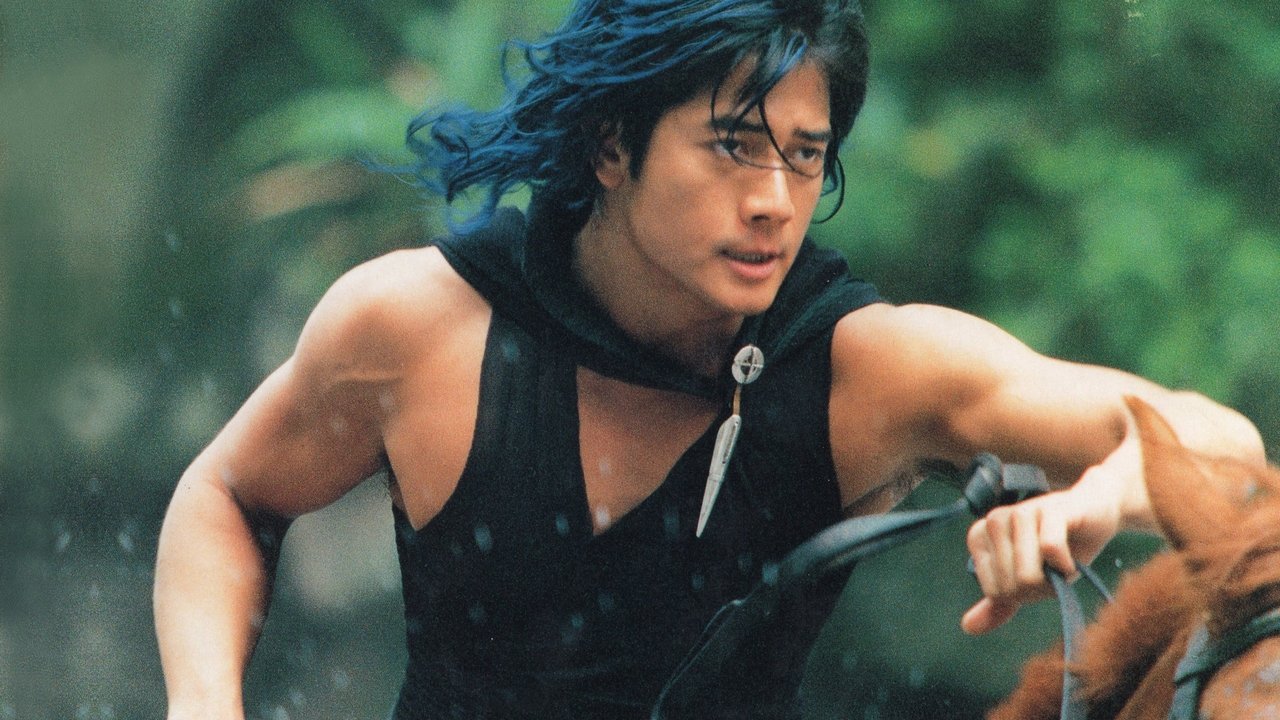
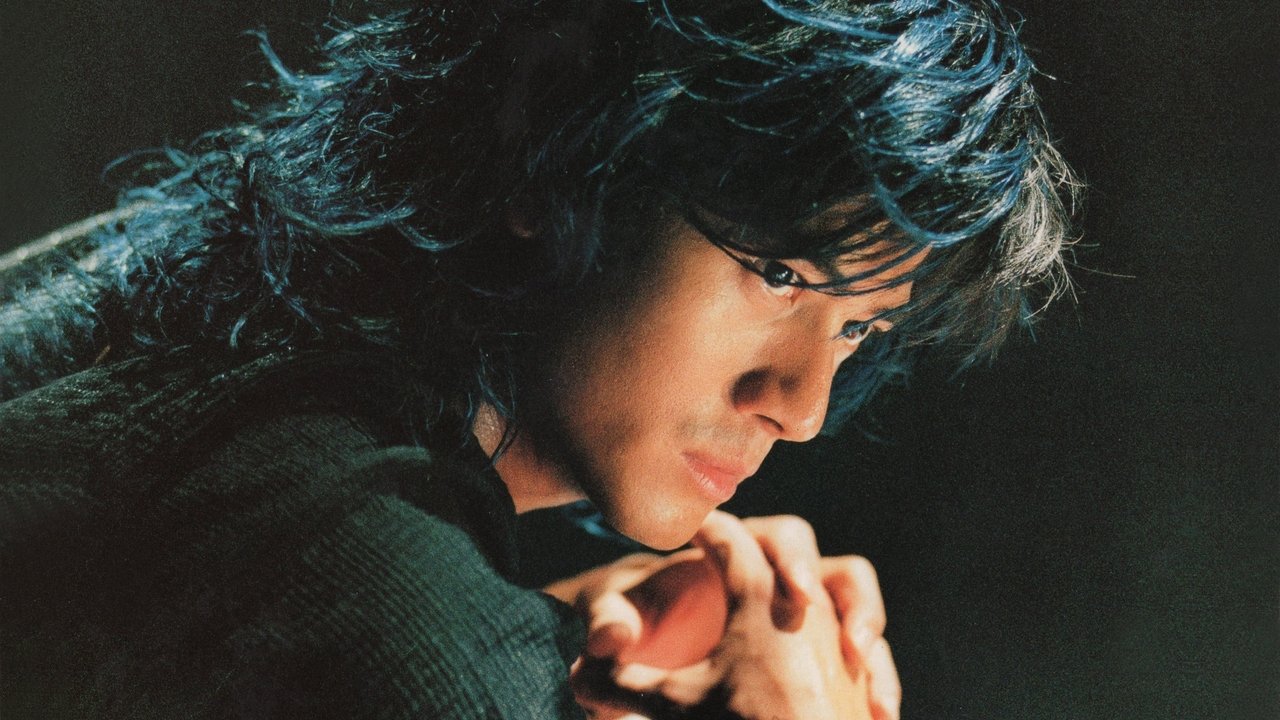
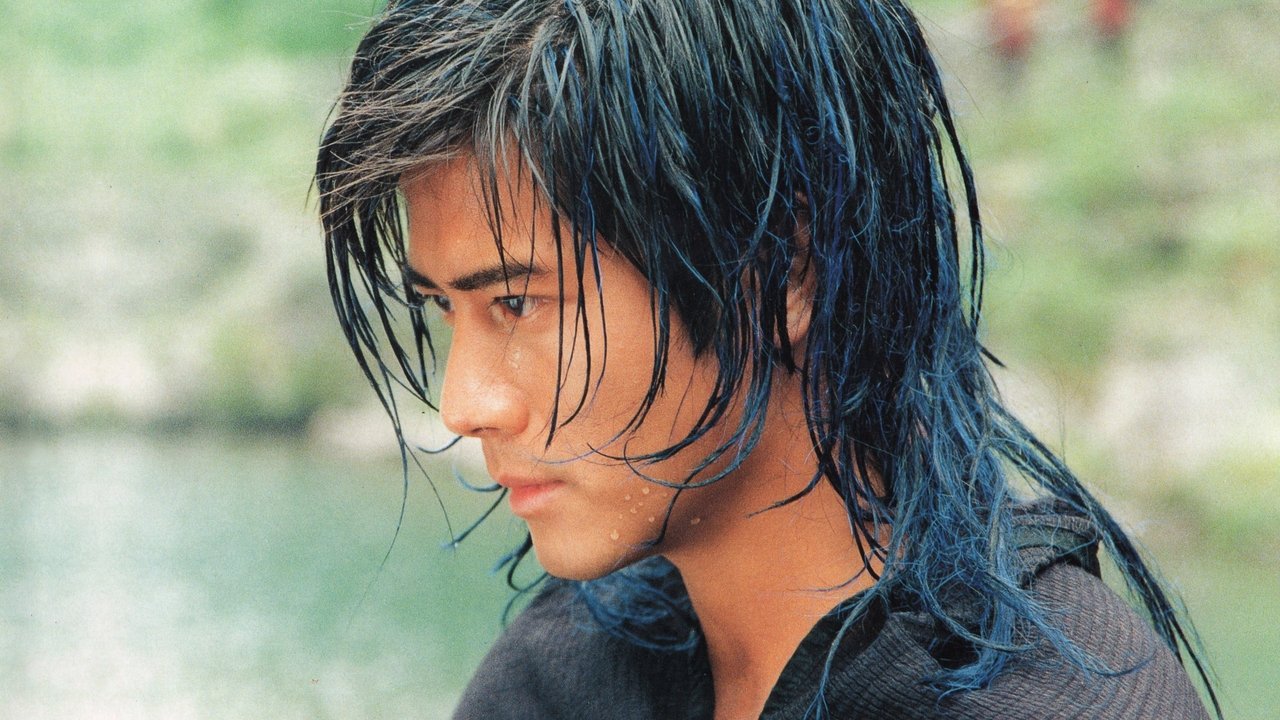
Beyond the pixels, the human element still holds up. Ekin Cheng, with his flowing locks and earnest demeanour, embodies the more righteous Wind. Aaron Kwok, brooding and intense, perfectly captures the stoic, tormented Cloud. Their dynamic, shifting from brotherhood to rivalry and back again, forms the emotional core. And then there's Sonny Chiba. Seeing the legendary Japanese action star, already an icon from The Street Fighter (1974) series, chewing the scenery as the power-mad Lord Conqueror is an absolute treat. He brings a gravitas and physical presence that anchors the fantastical elements. His casting was a masterstroke, adding international cult appeal and a sense of old-school martial arts legitimacy to this new-school digital spectacle.
The supporting cast, including Kristy Yang as Charity and Shu Qi as Muse, navigate the sometimes overly complex plot threads and romantic entanglements typical of the genre. While the narrative can feel a bit rushed, trying to cram years of comic book lore into two hours, the sheer visual momentum usually carries you through.
### When East Met West (Digitally)
The action itself is a fascinating hybrid. You get the graceful, gravity-defying wire-fu that Hong Kong cinema perfected, but augmented with energy blasts, elemental shields, and impossible weapon summons. It's less about the bone-crunching impact of a Jackie Chan stunt and more about capturing the feeling of superhuman power depicted in the source material. The fight choreography is often spectacular, even when layered under digital sparks. That final confrontation? Still genuinely epic in its scope and operatic tragedy.
The Storm Riders wasn't just a movie; it was an event. It shattered box office records in Hong Kong, becoming the highest-grossing local film up to that point. Critics were somewhat divided, some praising its visual innovation while others found the plot thin or the effects variable, but audiences flocked to it. It proved that Hong Kong could compete on a different kind of visual playing field and paved the way for a wave of CGI-heavy fantasy films from the region like Zu Warriors (2001). I distinctly remember the buzz around this one, renting the imported VCD because the official VHS release took a while. It felt important.
### The Verdict
The Storm Riders is a fascinating time capsule. It captures Hong Kong cinema at a crossroads, embracing digital tools with fearless ambition while still retaining its unique wuxia spirit. The effects may have aged, but the energy, the iconic performances (Chiba!), and the sheer visual audacity remain impressive. It's a film that dared to dream big on screen, even if the technology wasn't quite ready for prime time by today's measure.
Rating: 7.5 / 10 - The score reflects its groundbreaking status in HK cinema, sheer entertainment value, and iconic performances, balanced against CGI that's now firmly 'of its time' and a sometimes convoluted plot. It was a visual feast then, and remains a hugely important and fun watch now, especially for appreciating how far effects have come.
Final Thought: Watching The Storm Riders today is like finding a treasured artifact – a digital dream from an analog past, reminding us that sometimes, ambition is just as exciting as flawless execution. Pure late-90s wuxia magic, best served with a side of nostalgic pixel appreciation.