A Chinese Odyssey Part One: Pandora's Box
Okay, let's rewind the tape. It's Friday night, the video store beacon cutting through the dark. You grab a box with intriguing, slightly chaotic cover art – maybe some fantasy elements, a familiar comedic face, but nothing prepares you for the sheer whirlwind of lunacy and heart crammed onto the magnetic tape inside A Chinese Odyssey Part One: Pandora's Box. Popping this 1995 Hong Kong marvel into the VCR was less like starting a movie and more like mainlining pure, unfiltered imagination. It was baffling, hilarious, surprisingly touching, and utterly unforgettable – a perfect candidate for our "VHS Heaven" deep dive.

### From Bandit King to... Monkey King?
The film throws us headfirst into the dusty plains where Joker (Stephen Chow), leader of a bumbling gang of axe-wielding bandits, lives a relatively simple life of inept robbery and avoiding his demanding wives, Spider Woman (Yammie Lam) and Bak Jing-jing (Karen Mok). But things get cosmically complicated fast. This isn't just any bandit leader; Joker is revealed (to everyone but himself, initially) to be the reincarnation of the mischievous Monkey King, Sun Wukong, destined for a much grander, and far more troublesome, fate involving gods, demons, and a journey to India.
The plot, loosely spun from the epic Chinese novel Journey to the West, is less a linear narrative and more a glorious pile-up of time travel paradoxes, slapstick set pieces, mistaken identities, and sudden bursts of surprisingly effective romance. Director Jeffrey Lau, who also co-wrote the screenplay (credited alongside the original novel's author, Wu Cheng'en), doesn't just blend genres; he throws them into a cinematic particle accelerator and delights in the resulting explosion. Remember how jarringly it could shift from a goofy chase scene involving extending phalluses (yes, really) to a moment of genuine yearning? That audacity is the movie.
### The Reign of Stephen Chow
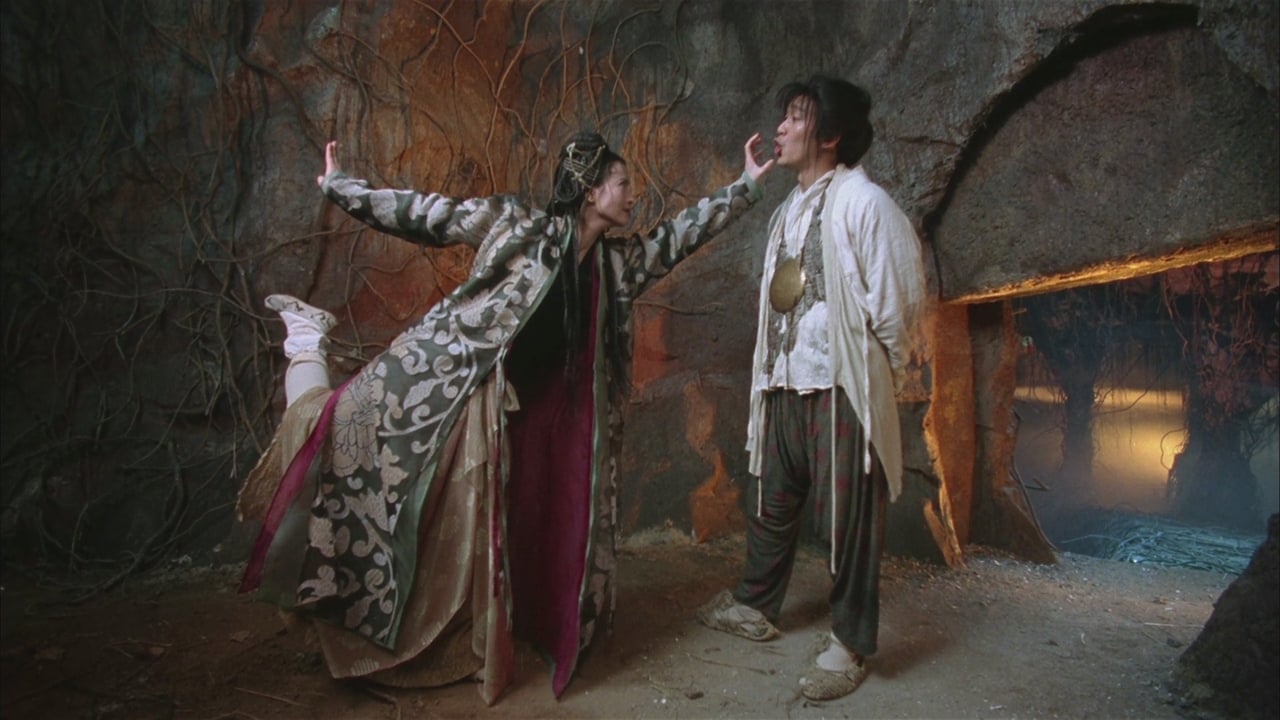
You can't talk about A Chinese Odyssey without bowing down to the king of "mo lei tau" (roughly translating to "makes no sense") comedy, Stephen Chow. Already a massive star in Hong Kong, this film, along with its second part, cemented his status as a unique comedic force capable of blending incredible physical comedy, lightning-fast wordplay (some lost in translation, but the energy remains), and moments of unexpected pathos. His Joker is arrogant, cowardly, confused, and ultimately, tragically heroic. Watching him react to the escalating supernatural chaos is pure gold. Retro Fun Fact: Chow reportedly had significant creative input, improvising heavily and shaping the film's unique comedic rhythm alongside Lau. This collaborative energy is palpable on screen.
Alongside Chow is his frequent, indispensable comedic partner, the late, great Ng Man-tat as Joker's loyal, long-suffering second-in-command. Their chemistry is legendary, a perfect blend of master and fool (though who is which often shifts). And then there's Athena Chu as Zixia, the ethereal fairy who enters Joker's life via the titular Pandora's Box. Her arrival injects a powerful romantic core into the mayhem, creating the film's most iconic and surprisingly moving moments. Chu’s performance is luminous, providing the emotional anchor amidst the comedic storm. Wasn't her entrance, descending with such innocent determination, a perfect contrast to the surrounding absurdity?
### That Glorious 90s Hong Kong Energy
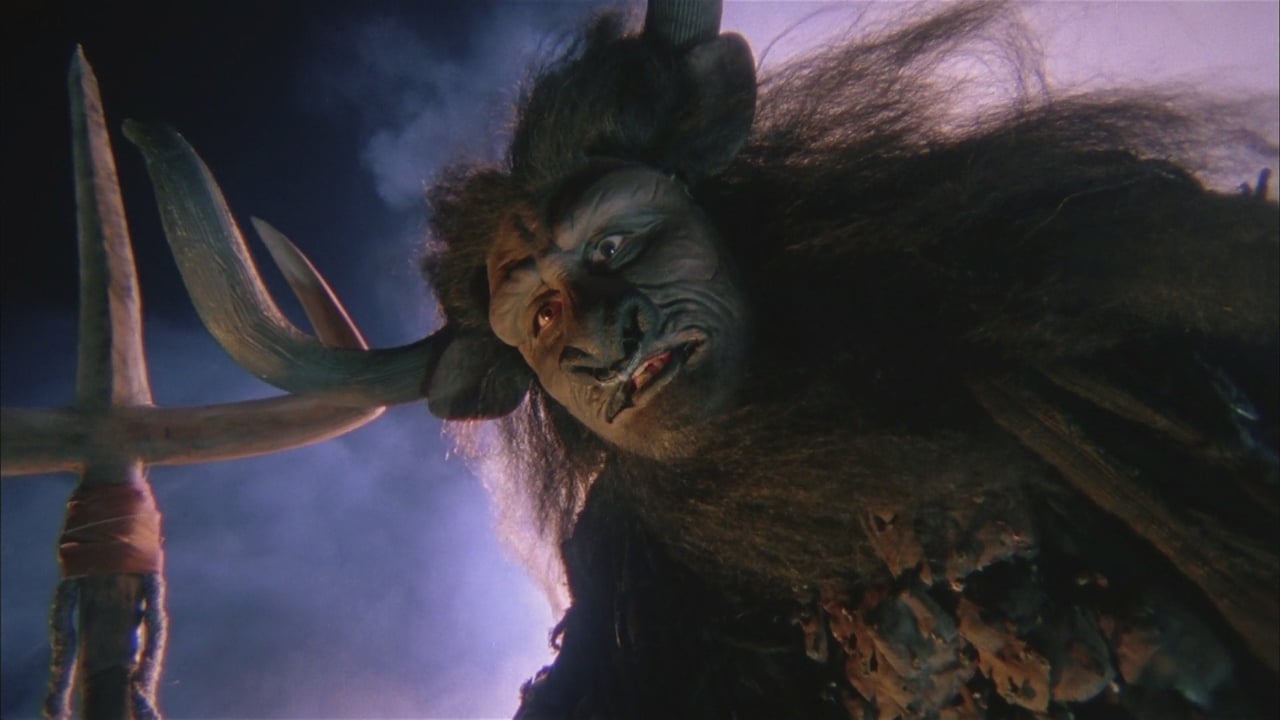
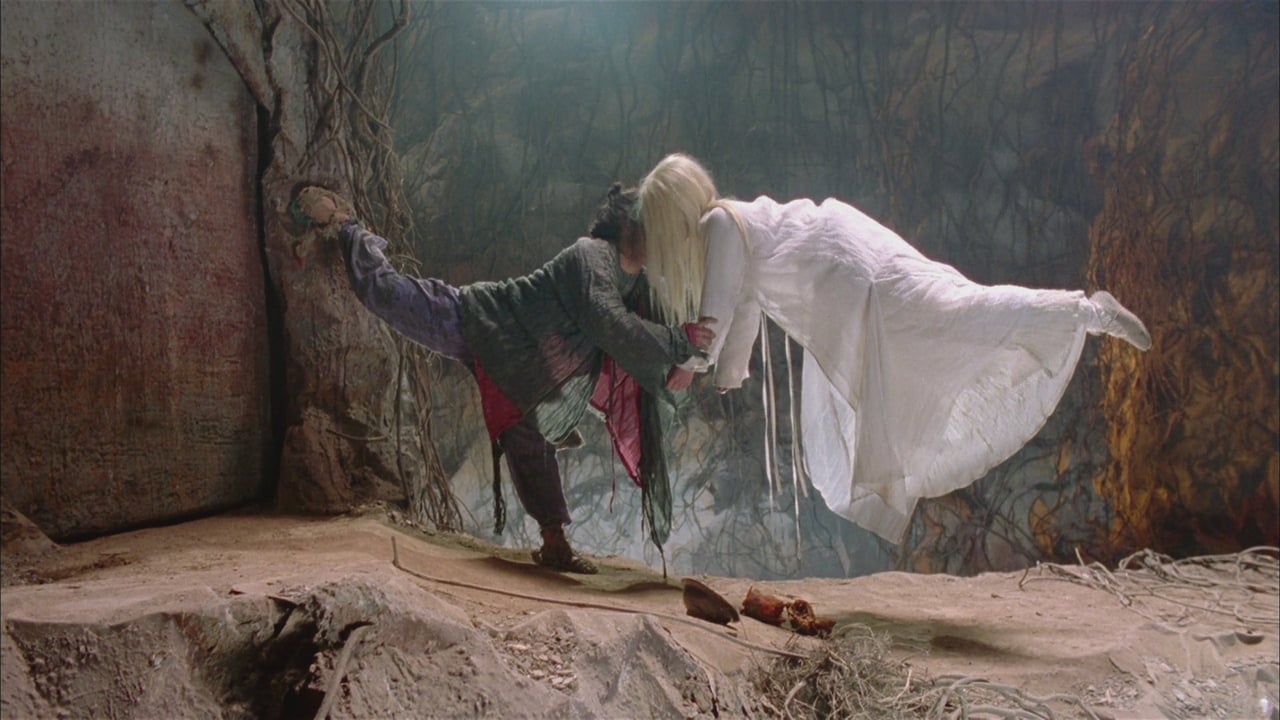
Forget seamless CGI. The magic here is pure 90s Hong Kong ingenuity. Think inventive wire-fu that sends characters soaring (and crashing) with tangible impact, practical transformations that are more charmingly theatrical than photorealistic, and rapid-fire editing that keeps the energy relentlessly high. The "action," when it happens, is less about gritty realism and more about hyper-kinetic, often comedic, spectacle. It feels handmade, inventive, occasionally rough around the edges, but bursting with personality – a far cry from the polished, sometimes sterile feel of modern blockbusters.
Retro Fun Fact: Filmed back-to-back with Part Two (Cinderella) primarily in Ningxia province, Mainland China, the production faced challenges bringing its ambitious fantasy scope to life on a Hong Kong budget. You can almost feel them stretching every dollar, relying on Lau's wild imagination and the cast's infectious energy to sell the epic scale. This resourcefulness is part of its charm.
### Cult Status Achieved
Interestingly, A Chinese Odyssey Parts One and Two were initially considered box office disappointments in Hong Kong upon their 1995 release. Critics were baffled, and audiences perhaps weren't ready for such a radical, comedic deconstruction of a beloved classic. But oh, how times change. Retro Fun Fact: The films found a massive second life through television broadcasts and, crucially, home video (our beloved VHS!) and later online streaming, especially in Mainland China, where they became monumental cult classics. Lines from the movie became internet memes and common slang, cementing its place in pop culture history far beyond its initial reception. It became a phenomenon after its theatrical run, a true testament to its unique, enduring appeal.
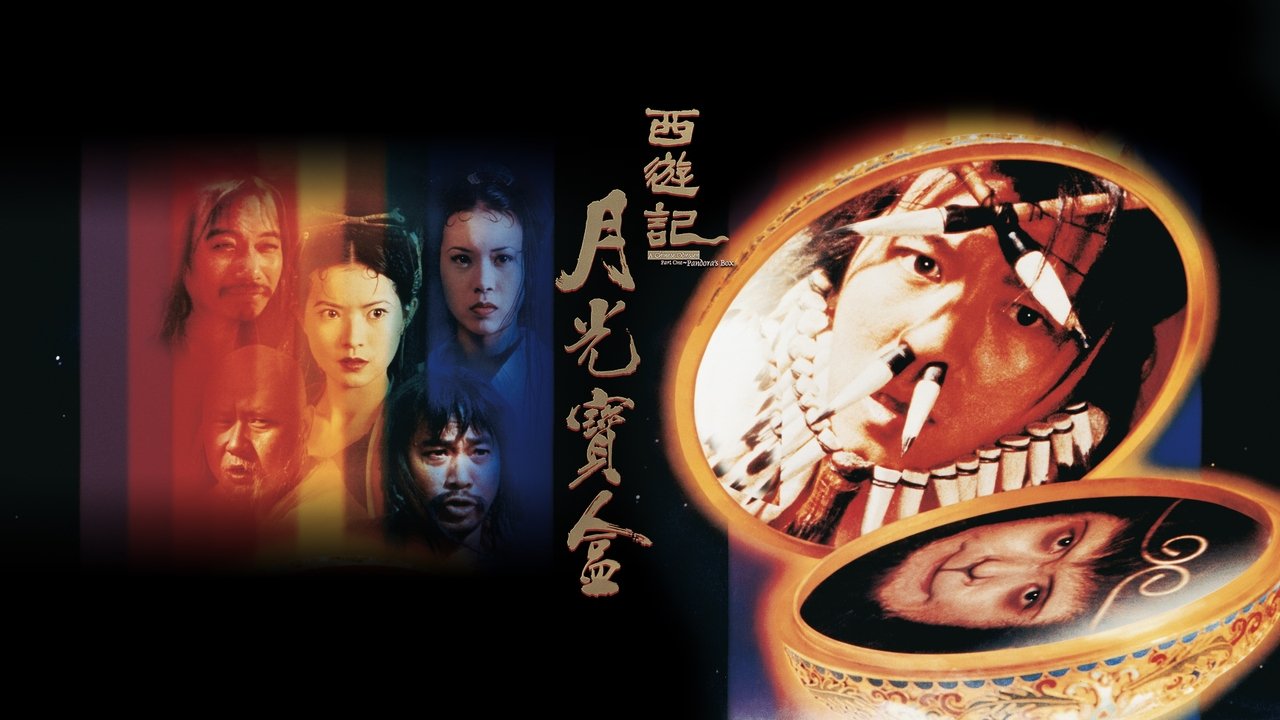
The film famously ends on a cliffhanger, with Joker using the Pandora's Box in a desperate attempt to save a loved one, only to travel further back in time and set the stage for Part Two: Cinderella. It was a bold move, leaving audiences hanging but ensuring they'd be back for the conclusion.
***
Rating: 8.5/10
Justification: A Chinese Odyssey Part One is a whirlwind – messy, overwhelming, sometimes nonsensical, but also brilliantly inventive, hilarious, and surprisingly romantic. Stephen Chow is magnetic, the supporting cast is perfect, and the sheer creative audacity is infectious. It loses points for occasionally uneven pacing and jokes that might not land universally (especially through subtitles), but its status as a unique cornerstone of 90s Hong Kong cinema and its incredible cult afterlife make it essential viewing. The 8.5 reflects its wild ambition, comedic genius, and undeniable heart, even with its chaotic structure.
Final Thought: This isn't just a movie; it's a glorious fever dream captured on tape, a testament to a time when Hong Kong cinema was throwing everything at the wall with unparalleled energy and imagination. Finding this on the rental shelf was like discovering a secret, slightly unhinged, portal to another dimension – a trip well worth taking, even today.