It’s a curious thing, revisiting a film like Michael Hoffman’s 1999 adaptation of A Midsummer Night’s Dream. It arrived near the tail end of a decade filled with cinematic fireworks, big effects, and edgy indie darlings. Yet here was Shakespeare, not radically reinvented à la Baz Luhrmann's Romeo + Juliet (1996), but relocated, adorned with a dream cast, and presented with a kind of earnest, sun-dappled romanticism. Pulling this tape off the shelf back then felt like choosing something… different. Maybe even a bit sophisticated. The question lingering now, decades later, isn't just whether it holds up, but what exactly it captured about that specific moment in time and the eternal magic of the Bard.
A Forest Near Tuscany
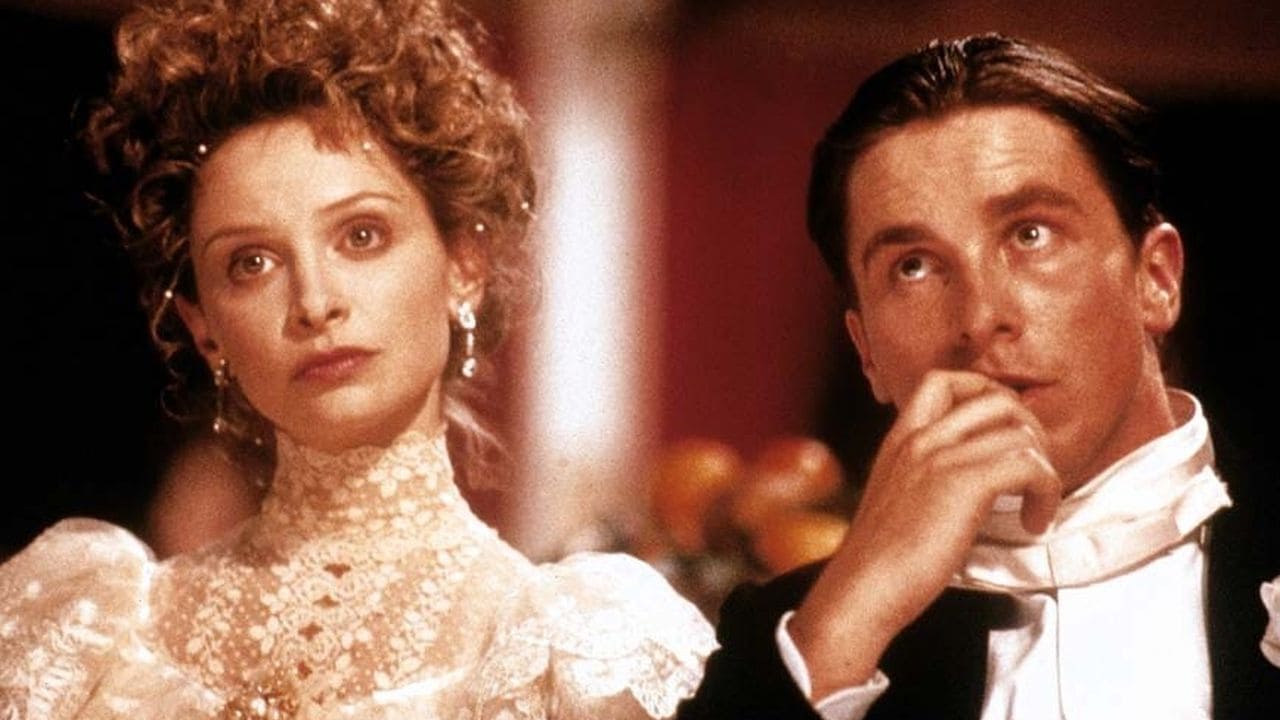
One of the most immediate and defining choices Hoffman (who also adapted the screenplay) makes is shifting the setting from ancient Athens to the fictional Monte Athena in late 19th-century Tuscany. Filmed largely on location in Montepulciano, Italy, this isn't merely a cosmetic change. It imbues the entire film with a golden, almost decadent light. The rigid societal constraints of the Duke's court feel less mythical and more recognizably Victorian, while the nearby woods retain their otherworldly enchantment. This specific Tuscan setting, with its rolling hills and elegant villas, provides a visually stunning backdrop that feels both grounded and ripe for magical intrusion. It’s a choice that aimed, perhaps, to make the fairy world feel less like pure fantasy and more like a hidden, sensual undercurrent to respectable society. Gone are the togas, replaced by frock coats and corsets, instantly altering the feel and perhaps making the lovers' rebellion feel closer to home for a modern audience.
Star Power Under the Moonlight
What undoubtedly drew many eyes (and rentals) was the sheer wattage of the cast. We have Kevin Kline, reteaming with Hoffman after their delightful collaboration on Soapdish (1991), tackling the role of Nick Bottom. And tackle it he does, delivering a performance brimming with comedic vanity but also, crucially, moments of genuine pathos. His Bottom is ridiculous, certainly, but Kline finds the humanity beneath the swagger, especially in the bewildered aftermath of his night with the Fairy Queen. It's a performance that understands the comedy comes from character, not just caricature.
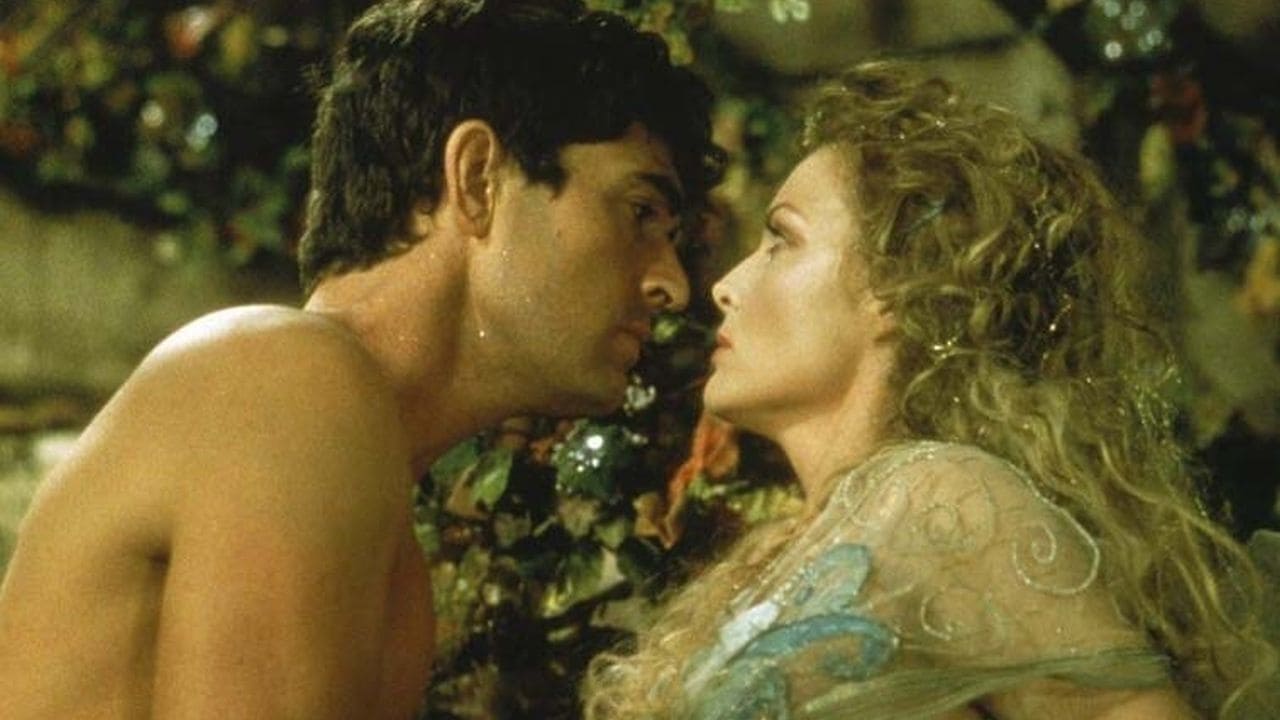
Opposite him, Michelle Pfeiffer radiates as Titania. Fresh off a string of diverse roles in the 90s, she brings an ethereal command to the Fairy Queen, both imperious and surprisingly vulnerable when under Puck’s spell. Her scenes with the transformed Bottom manage a delicate balance, avoiding outright farce to find something strangely poignant. Rupert Everett as Oberon possesses the requisite arrogance and icy charm, while Stanley Tucci’s Puck is a fascinating creation – less spritely imp, more world-weary satyr, observing human folly with a cynical amusement. His physicality and dry delivery make for a memorable, slightly unconventional take on the famous mischief-maker.
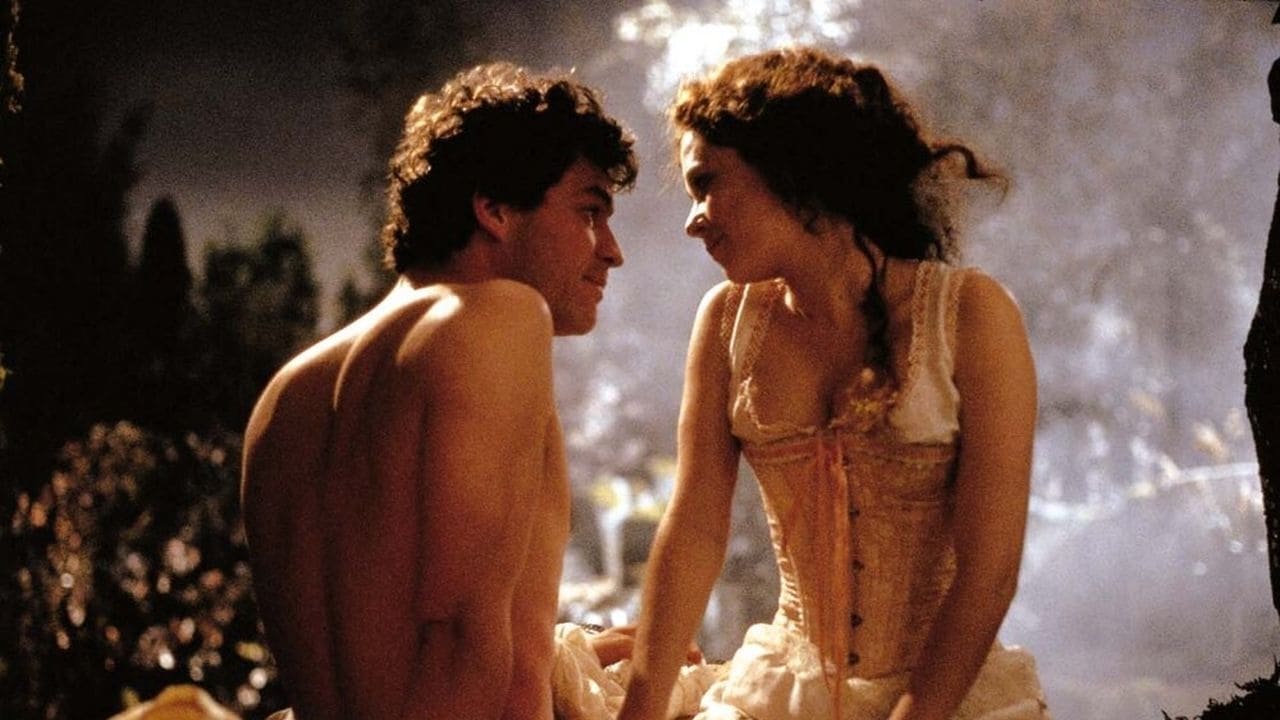
The quartet of lovers – Calista Flockhart (then at the height of Ally McBeal fame), Anna Friel, Dominic West, and a pre-Batman Christian Bale – navigate the tangled romantic geometry with energy. While the sheer speed of the plot sometimes leaves less room for deep character dives, their commitment to the heightened emotion and the Shakespearean verse is commendable. Flockhart’s Helena, in particular, leans into the comedic desperation effectively. It's a cast that feels almost too starry on paper, but they generally blend well, finding a shared rhythm within Hoffman's vision.

Weaving the Threads: Direction and Tone
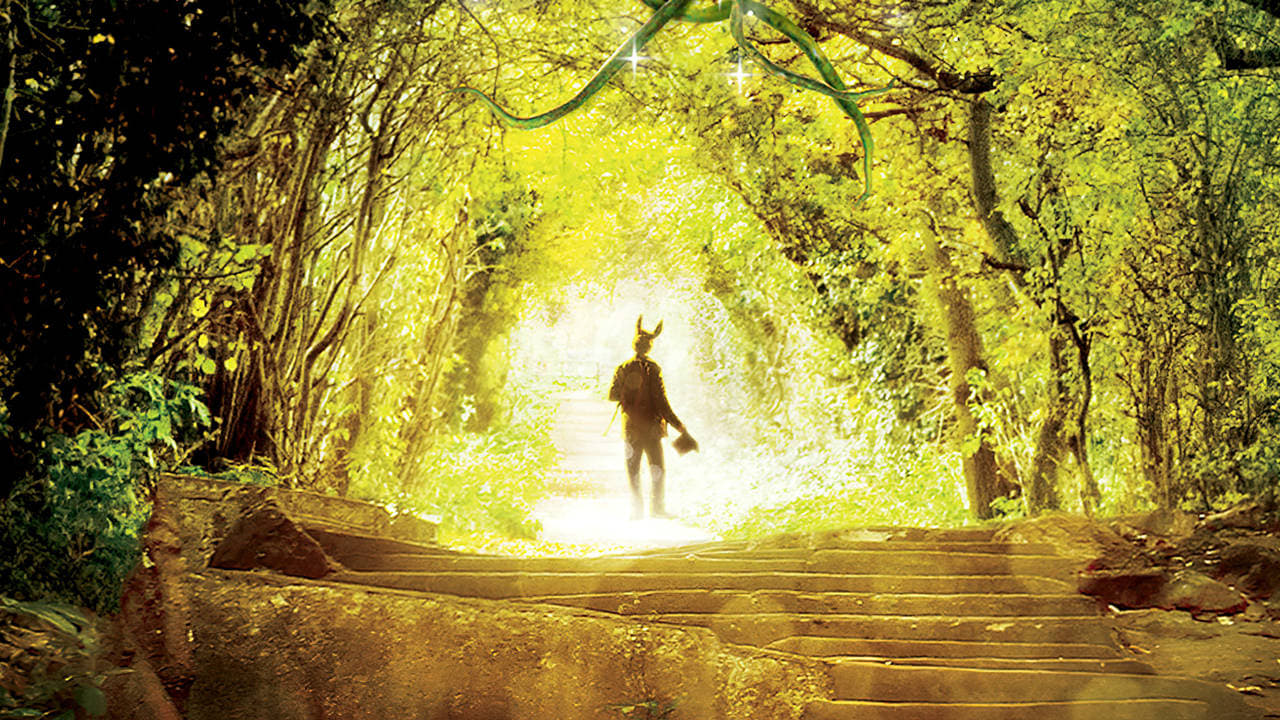
Hoffman's direction aims for a lush, romantic feel, heavily leaning on Mendelssohn’s iconic score alongside new compositions. He attempts to bridge the gap between the play's theatrical roots and cinematic language. The transitions between the courtly world, the confused lovers, the bumbling Mechanicals (whose introduction via bicycle adds a touch of turn-of-the-century whimsy), and the shimmering fairy realm are handled smoothly for the most part. The visual effects depicting the fairies and their magic feel very much of their time – not quite seamless by today’s standards, but possessing a certain charm, relying more on lighting and atmosphere than heavy CGI.
However, the film sometimes struggles to fully capture the play's wilder, more anarchic energy. The Tuscan setting, while beautiful, occasionally domesticates the magic, making the woods feel more like a picturesque park than a place of genuine chaotic transformation. The overall tone leans towards gentle romance and comedy, sometimes sanding down the sharper edges and darker undertones present in Shakespeare’s text about the fickleness and potential cruelty of love. It’s an accessible Dream, perhaps, but maybe not the most potent one.
Retro Fun Facts
It’s interesting to remember this film wasn’t a massive blockbuster. Made for a reported $11 million, it grossed around $16 million domestically – respectable, but finding a longer life on VHS and DVD among Shakespeare enthusiasts and fans of the cast. Reviews at the time were somewhat mixed, praising the actors and visuals but sometimes questioning if the magic truly took flight. It represented a particular kind of mid-budget, star-driven adaptation that feels rarer today. Kline had famously played Hamlet on stage, so seeing him embrace the comedic heart of Bottom was a delightful turn for theatre aficionados. And for trivia buffs, the specific choice of late 19th-century Italy allowed for those charming bicycles – a visual gag that helps distinguish this adaptation.
Does the Dream Linger?
Watching A Midsummer Night's Dream (1999) now feels like opening a rather lovely, well-preserved time capsule. It’s a reminder of a time when a major studio (Fox Searchlight Pictures) would back a fairly traditional Shakespeare adaptation simply because it had star power and visual appeal. It might lack the groundbreaking invention of some other adaptations, and perhaps its politeness mutes some of the play's inherent wildness. Yet, there's an undeniable charm to its earnestness, the beauty of its Tuscan landscapes, and the commitment of its stellar cast. Kline’s Bottom alone is worth the price of admission (or the rental fee back in the day). It doesn’t necessarily ask profound new questions about the text, but it presents it with warmth, beauty, and a touch of late-90s Hollywood gloss.
Rating: 7/10
The rating reflects a film that is visually sumptuous, exceptionally well-cast, and thoroughly pleasant, delivering solid performances (especially from Kline and Pfeiffer) and making Shakespeare accessible. It earns points for its ambition and craft, but loses a little for sometimes feeling slightly safe, missing the deeper, stranger magic that can make the play truly dizzying.
It remains a worthy trip back, not just to Shakespeare's enchanted woods, but to a specific flavour of late-90s filmmaking – earnest, beautiful, and perhaps just a little less chaotic than the dream itself. What stays with you isn't jarring innovation, but the warm Tuscan sun filtering through the leaves, and the echo of familiar verse spoken by very familiar faces.