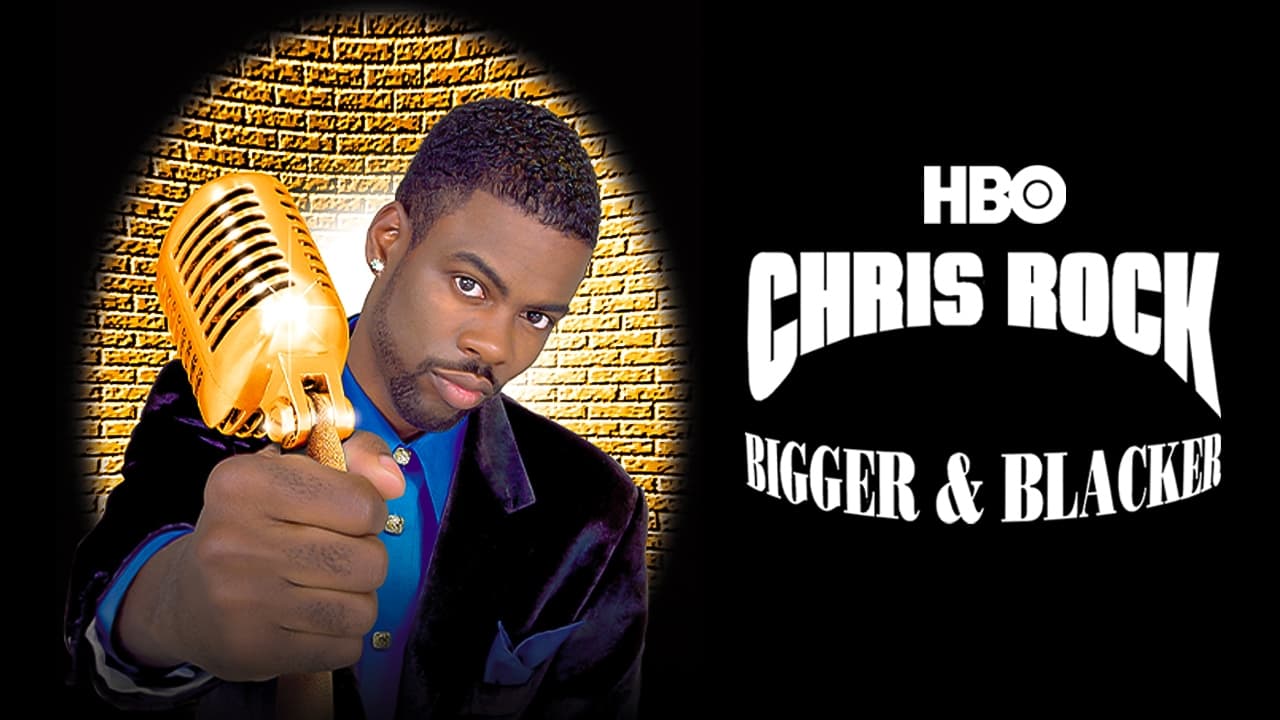
Alright, fellow tapeheads, let's rewind to a time when HBO specials felt like seismic events, beamed into our living rooms or, even better, captured on a trusty T-120 tape for repeat viewings. Forget streaming algorithms suggesting what's "similar"; this was appointment television, a shared cultural moment flickering on our CRT screens. And in 1999, few moments hit harder than Chris Rock stalking the legendary Apollo Theater stage in Bigger & Blacker. Fresh off the cultural crater left by Bring the Pain (1996), the pressure was immense. Could he possibly top it? The answer, blasting through the speakers with undeniable force, was a resounding yes.
### The King Takes His Throne
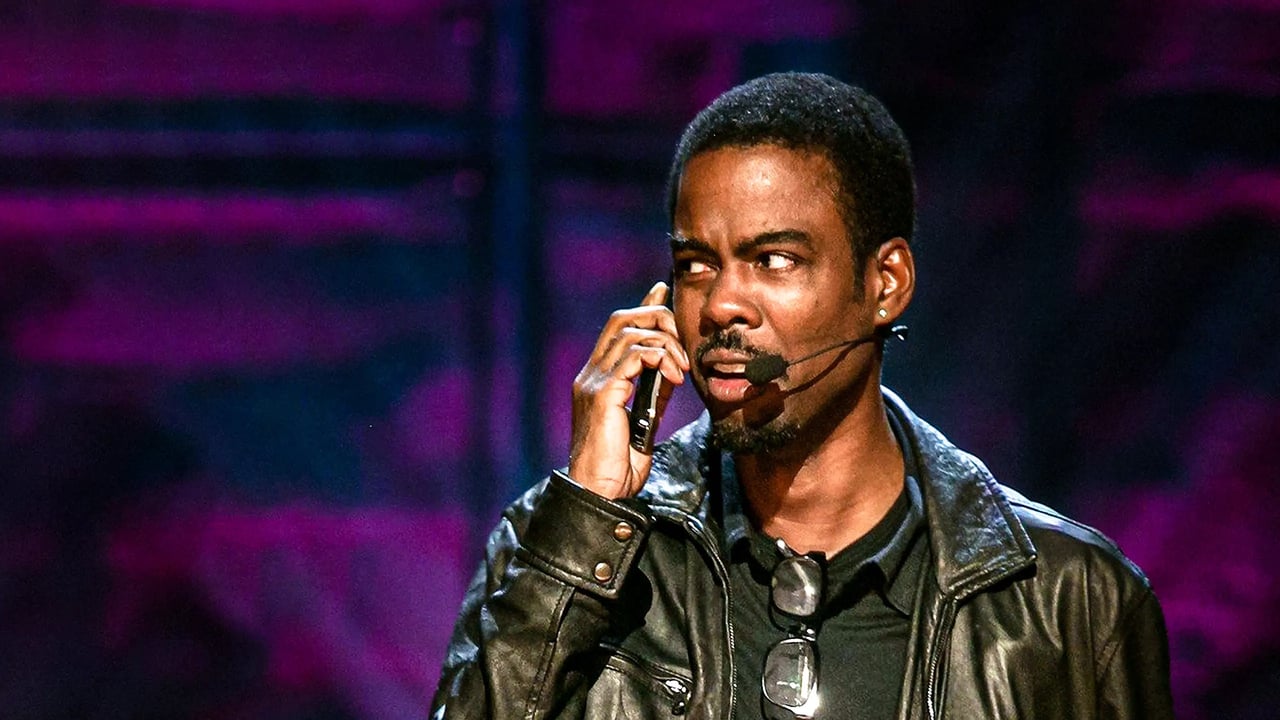
From the moment Rock strides out, clad in that sharp black suit, there’s an electrifying confidence. This isn't just a comedian telling jokes; it's an artist at the absolute peak of his powers, owning the stage and the cultural conversation. Filmed right in the heart of Harlem at the iconic Apollo, a venue steeped in Black entertainment history, the choice of location felt deliberate, a statement in itself. You can almost feel the energy of that legendary room pulsing through the screen, captured effectively by director Keith Truesdell, who had a knack for translating live comedy energy to the screen (he’d also directed specials for folks like Martin Lawrence).
Chris Rock doesn't ease you in; he grabs you by the collar. The pacing is relentless, the observations surgically precise, and the delivery is pure kinetic energy. He prowls, he gestures, he modulates his voice from a conspiratorial whisper to a full-throated roar. It’s a physical performance as much as a verbal one, something that felt incredibly dynamic back then, especially compared to the more static stand-up styles sometimes seen before. Remember how comedians just standing at a mic could feel, well, stationary? Rock shattered that mold.
### Dancing on the Edge
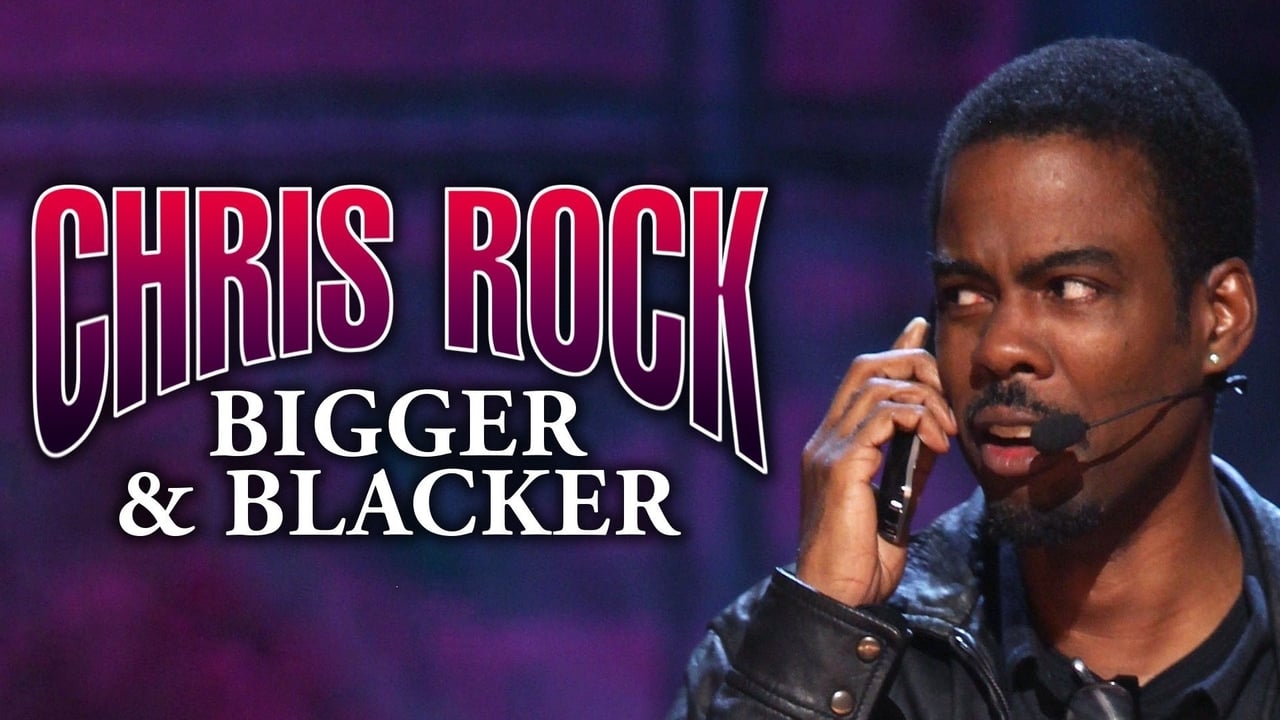
What truly set Bigger & Blacker apart, and what makes it such a fascinating time capsule, is its unflinching engagement with the uncomfortable realities of late 90s America. This special aired on HBO in June 1999, mere months after the Columbine High School massacre. Rock dives headfirst into the topic with a routine that was, and remains, breathtakingly provocative. It wasn’t just about shock value; it was about dissecting the absurdity, the hypocrisy, and the underlying societal issues with a clarity few others dared to attempt. It’s a prime example of comedy punching up, questioning everything.
"Whoever thought you'd be worrying about your kids getting shot at school? What kinda world is this? When I was a kid, the only thing you had to worry about at school was maybe getting your milk money took."
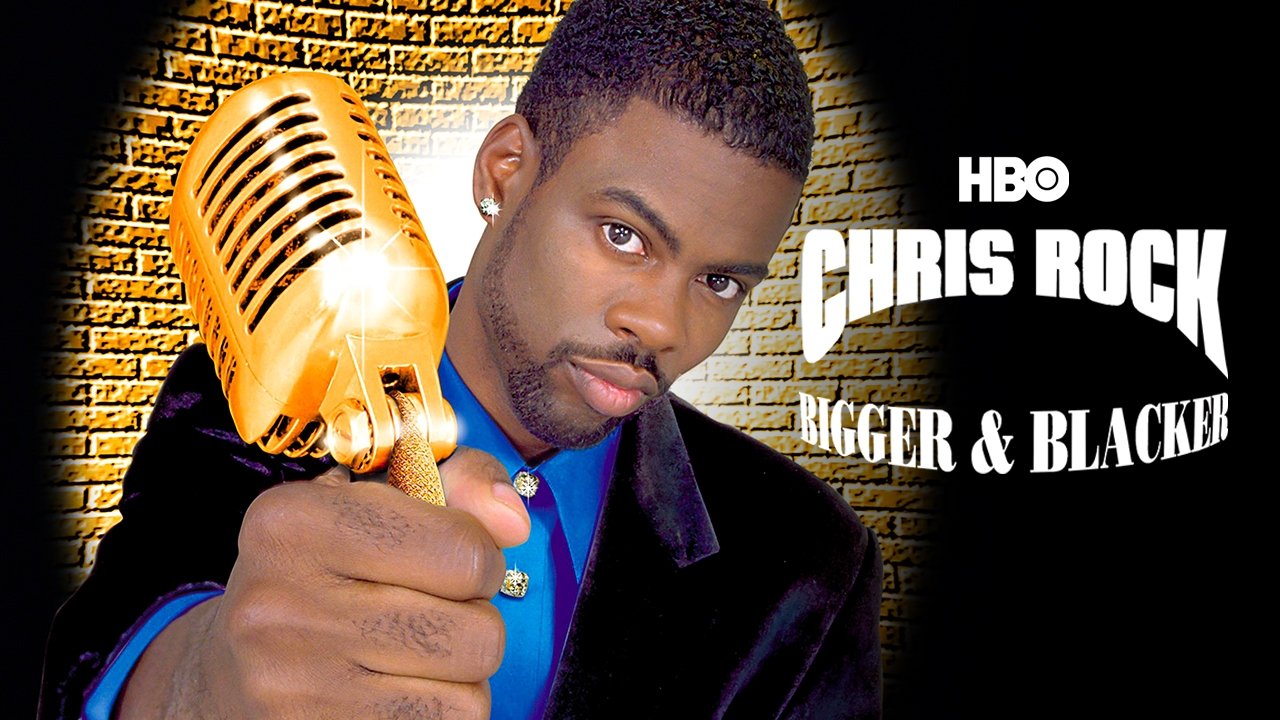
That raw, unfiltered approach defined the special. Whether tackling relationships ("Women need food, water, and compliments"), politics, or race relations, Rock refused to pull punches. Some jokes might land differently today, viewed through a 2024 lens – that’s the nature of topical comedy. But the intelligence behind the outrage, the sheer craft in constructing the arguments and punchlines, remains undeniable. This wasn't just complaining; it was sharp social commentary wrapped in explosive laughter. He earned both an Emmy for writing and a Grammy for the album version, cementing its critical and popular acclaim right out of the gate.
### The HBO Special as Event
Watching Bigger & Blacker on VHS (or catching it on HBO if you were lucky) felt different than queuing up a special today. It was an event. You talked about it the next day. Routines became instant classics, quoted endlessly. There was a rawness to the presentation, less slick perhaps than modern specials, but brimming with an immediacy that digital perfection sometimes smooths away. It felt less like a perfectly polished product and more like eavesdropping on the smartest, funniest, and most dangerous conversation happening anywhere. It reportedly cost HBO a significant sum to produce, signalling their investment in Rock as a major star following the success of Bring the Pain.
The special solidified Chris Rock not just as a comedian, but as a vital cultural commentator, a voice that couldn't be ignored. It built upon the foundation of Bring the Pain and arguably presented an even more confident, focused performer tackling even weightier subjects. It’s a snapshot of a specific cultural moment, delivered by a master craftsman operating at full throttle.
Rating: 9/10
Justification: Bigger & Blacker is a landmark stand-up special. While some material is inevitably dated by its topicality, Rock's ferocious energy, masterful delivery, and fearless social commentary remain stunningly effective. Its cultural impact was immense, and it represents event television comedy at its peak. The slight deduction accounts for the few jokes that haven't aged as well, but its overall power and importance are undeniable.
Final Take: Pop this phantom tape into your mind-VCR. Bigger & Blacker isn't just funny; it's a vital piece of late-90s cultural history, delivered with the kind of raw, unfiltered intensity that felt like pure electricity coming through your TV screen. A potent reminder of when stand-up comedy felt truly dangerous and essential.