It’s funny how certain films lodge themselves in your memory, not necessarily for bombast or groundbreaking effects, but for something quieter, more akin to the echo of a real conversation or the lingering warmth of a shared understanding. Outside Providence (1999) is one such film for me. Arriving near the tail end of the VHS era, just as DVDs were starting their shiny ascent, it perhaps didn't make the loudest splash, yet revisiting it feels like catching up with an old friend – one who’s maybe a little rough around the edges, but possesses an undeniable, slightly bruised heart.
Pawtucket State of Mind
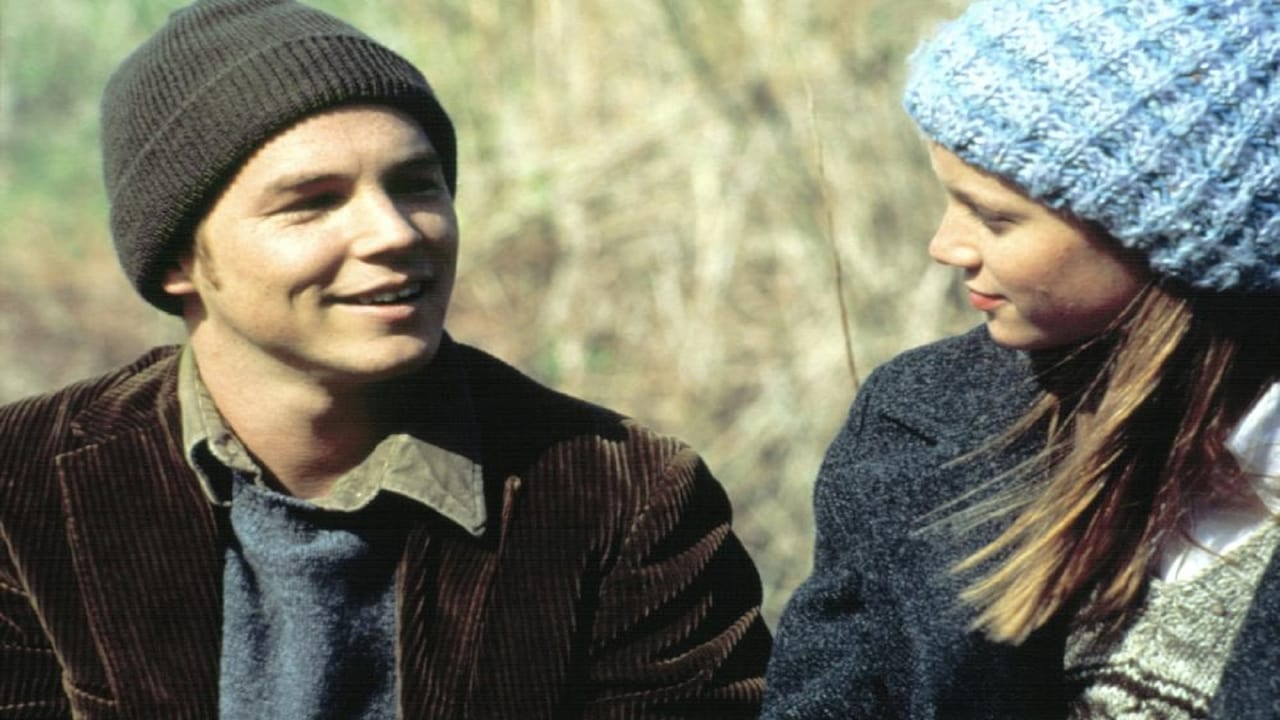
The film drops us squarely into 1974 Pawtucket, Rhode Island, a world away from the gloss often associated with late-90s cinema. Our guide is Timothy Dunphy (Shawn Hatosy), a likable screw-up whose misadventures involving weed, a crashed car, and the local police finally convince his perpetually exasperated, working-class father (Alec Baldwin) to ship him off to the Cornwall Academy, a preppy boarding school in Connecticut. It’s a classic fish-out-of-water setup, contrasting the beer-and-poker world of Pawtucket with the blazer-and-privilege environment of Cornwall. What elevates it beyond formula, however, is its palpable sense of place and character. Director Michael Corrente (who also co-wrote the screenplay) captures the specific blue-collar texture of Pawtucket, making Tim’s transition feel genuinely disorienting.
The Unexpected Heart: Baldwin and Hatosy
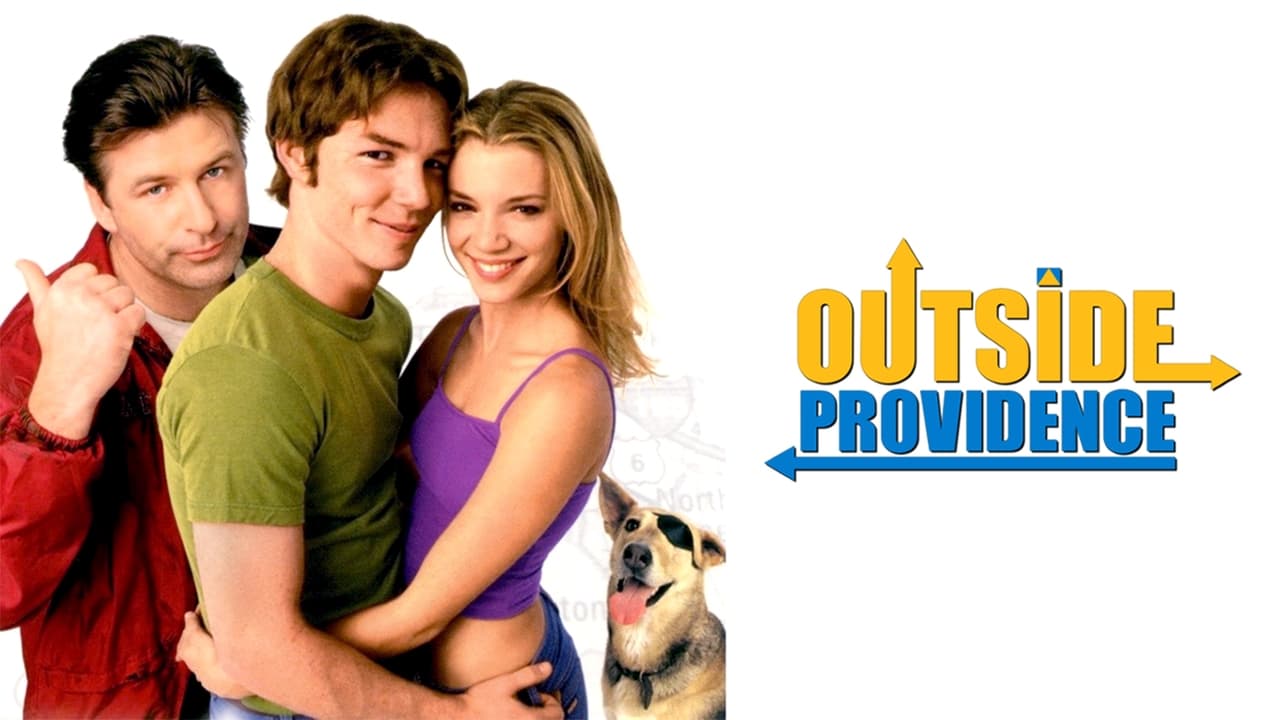
At the core of Outside Providence lies the relationship between Tim and his father, affectionately (and sometimes fearfully) known as Old Man Dunphy. This is where the film truly finds its footing. Shawn Hatosy, then a rising face seen in films like The Faculty (1998), embodies Tim’s teenage awkwardness and simmering resentment with a naturalism that feels instantly relatable. He’s not a caricature of rebellion, but a kid genuinely trying to navigate the bewildering landscape of adolescence under less-than-ideal circumstances.
But it's Alec Baldwin who delivers a performance that resonates long after the credits roll. Known perhaps more for his intensity or, later, his comedic timing on 30 Rock, here Baldwin finds a perfect blend. Old Man Dunphy is loud, often crude, seemingly obsessed with his poker games and maintaining a certain macho facade. Yet, beneath the bluster, Baldwin masterfully reveals glimpses of profound, almost crippling love and worry for his son. There's a vulnerability in his eyes during quiet moments, a hesitant pride that flickers through the gruffness. It's a performance that feels lived-in and deeply authentic, reportedly drawing heavily from co-writer Peter Farrelly's own father, upon whose semi-autobiographical 1988 novel the film is based. Baldwin apparently connected strongly with the material, taking a significant pay cut to participate – a testament to the script's quiet power.
A Different Shade of Farrelly
Speaking of the Farrelly Brothers, their involvement as co-writers (along with Corrente and Peter Farrelly adapting his own novel) might lead one to expect the gross-out humor that defined their massive hits like Dumb and Dumber (1994) or There's Something About Mary (1998). While Outside Providence certainly has its moments of politically incorrect Pawtucket banter and the occasional signature Farrelly quirk (like the family's beloved three-legged dog, Clops), the overall tone is far more grounded and character-driven. The humor feels organic to the characters and their world, serving the story rather than existing purely for shock value. This wasn't a blockbuster ($7 million budget, roughly $7.8 million US box office), suggesting it connected more as a video rental discovery – a slightly offbeat gem you might recommend to a friend. Its marketing perhaps struggled slightly to define it – was it pure comedy or heartfelt drama? The answer, satisfyingly, is a bit of both.
Finding Your Place, 70s Style
The prep school narrative unfolds with familiar beats – clashes with entitled rich kids, finding unlikely allies like the aptly named roommate Drugs Delaney (Jon Abrahams, bringing a welcome dose of laid-back charm), and falling for the seemingly unattainable girl, Jane Weston (Amy Smart). Yet, Corrente films these scenes with an eye for understated observation rather than broad caricature. The school, filmed partially at the University of Rhode Island and St. George's School in Middletown, RI, feels like a genuine, albeit privileged, world Tim must learn to navigate. The film wisely avoids easy answers about class, focusing instead on Tim's personal journey of self-discovery and finding his own voice, distinct from both Pawtucket and Cornwall.
The 1974 setting isn't just window dressing; it permeates the film through its excellent soundtrack (packed with classic rock staples that feel perfectly chosen), the questionable fashion choices, and the overall hazy, pre-digital vibe. I remember watching this on VHS back in '99 or 2000, and there was a double layer of nostalgia – the film evoking the 70s, while the act of watching it now evokes the late 90s rental experience. It captures that feeling of a specific time without feeling like a checklist of period details.
More Than Just Laughs
What makes Outside Providence linger is its sincerity. It deals with themes of grief, responsibility, the complex bonds of family, and the painful, necessary process of growing up and defining yourself against (and sometimes in accordance with) your origins. Does Tim simply trade one set of limitations for another, or does he genuinely find a path forward? The film doesn't offer pat resolutions, allowing Tim’s growth to feel earned, albeit gradual. It asks us, perhaps, to consider how much of our parents we carry with us, even as we strive to forge our own identities. Doesn't that struggle resonate across generations?
Rating and Final Thoughts
Outside Providence isn't a perfect film; some plot points resolve a touch conveniently, and certain side characters could be more developed. However, its strengths – particularly the central performances by Hatosy and a career-highlight Baldwin, its authentic sense of place, and its genuine heart – far outweigh its minor flaws. It achieves an emotional resonance that many slicker coming-of-age stories miss.
Rating: 7.5/10
This rating reflects a film that excels in character and emotional depth, particularly through Baldwin's standout performance, and successfully captures a specific time and place with authenticity. While not groundbreaking in its narrative structure, its sincerity and well-observed relationships make it a deeply rewarding watch, especially for those who appreciate character-driven dramedies.
It’s a film that reminds you that sometimes the most memorable stories aren't the loudest, but the ones that quietly capture something true about the messy, complicated business of family and finding your way. It remains a welcome resident in my personal VHS Heaven.