Alright, rewind time. Let's head back to the tail end of the millennium, 1999. The buzz was palpable, wasn't it? Nearly a decade after they charmed the absolute socks off everyone in Pretty Woman (1990), Julia Roberts and Richard Gere were reuniting on screen. The magnetic pull of that pairing, combined with the reliably warm direction of Garry Marshall (the man behind Pretty Woman, Happy Days, and countless comfort watches), meant Runaway Bride landed in video stores with the kind of fanfare usually reserved for summer blockbusters. Grabbing this tape felt like securing a guaranteed cozy night in, even if the premise itself sounded a little… well, quirky.

### Re-Tying the Knot (Almost)
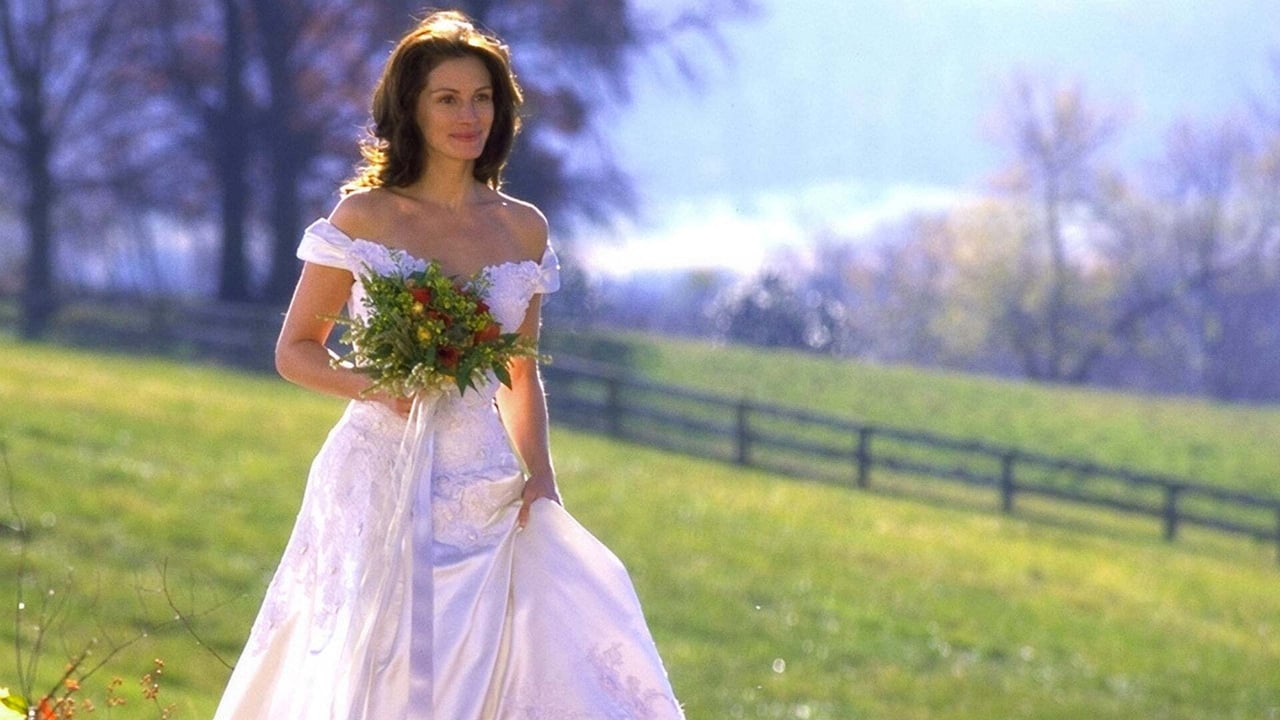
The hook is simple but effective: Ike Graham (Richard Gere), a cynical big-city newspaper columnist (remember those?), gets fired after writing a scathing, factually dubious piece about Maggie Carpenter (Julia Roberts). Maggie, hailing from the impossibly quaint fictional town of Hale, Maryland, is infamous for leaving a string of fiancés literally standing at the altar. Seeking redemption (and his job back), Ike travels to Hale to get the real story as Maggie prepares for wedding number four, this time to nice-guy local coach Bob Kelly (Christopher Meloni, pre-SVU intensity). What follows is a classic rom-com setup – initial antagonism melts into undeniable sparks, all set against a backdrop of small-town charm and impending nuptials.
Garry Marshall knew exactly what audiences wanted from a Roberts/Gere reunion: charm, banter, and that slow-burn connection. He delivers this with his signature blend of sentimentality and gentle humour. The film feels like a Marshall production – warm lighting, a focus on quirky supporting characters, and an overall optimistic vibe, even when dealing with Maggie’s fairly significant commitment issues. Finding this on the shelf at Blockbuster, maybe slightly worn from previous rentals, promised a certain kind of cinematic comfort food.
### The Million-Dollar Smiles Return
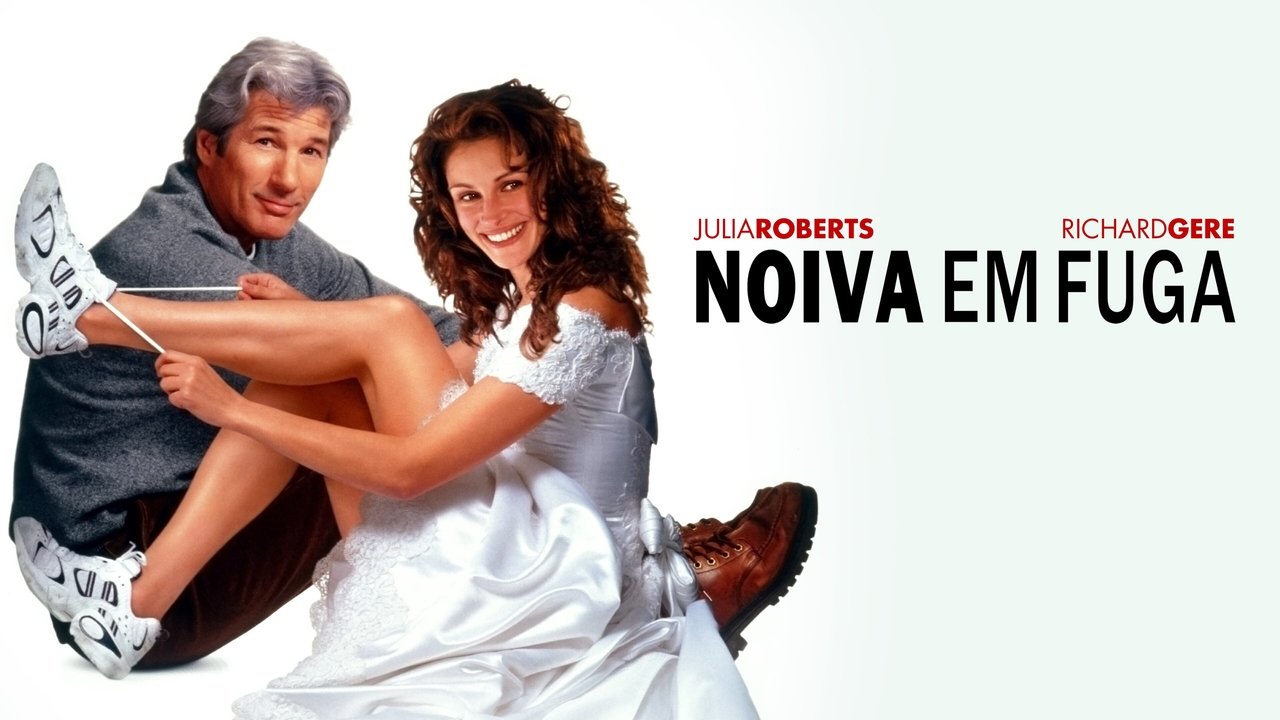
Let's be honest, the main draw here was seeing Julia Roberts and Richard Gere together again. Does Runaway Bride capture the lightning-in-a-bottle chemistry of Pretty Woman? Not quite. The dynamic is different – less fairytale, more flawed adults fumbling towards connection. Roberts, arguably at the peak of her 90s "America's Sweetheart" reign, effortlessly embodies Maggie's mix of radiant charm and deep-seated fear. You believe both her luminous smile and the panic that makes her bolt. Gere, ever the silver fox, plays Ike with a world-weary edge that slowly softens as he gets drawn into Maggie's orbit (and the town's eccentricities). While the sparks might not be as electric as their first outing, their comfort and familiarity with each other translate into an easy, believable rapport.
It’s worth remembering this project floated around Hollywood for years before finally coalescing around Roberts, Gere, and Marshall. A fascinating bit of retro trivia: numerous other stars were considered or attached at various points, including Geena Davis, Harrison Ford, Mel Gibson, Demi Moore, and Sandra Bullock! Securing the original Pretty Woman trio was the key that finally unlocked the studio vault, greenlighting a hefty (for a rom-com) $70 million budget.
### Small Town Charm and Scene Stealers
Beyond the leads, the film benefits immensely from its supporting cast, particularly the always-brilliant Joan Cusack as Maggie’s best friend, Peggy. Cusack steals every scene she’s in, grounding the sometimes-flighty premise with hilarious reactions and genuine warmth. We also get Hector Elizondo, a Garry Marshall staple, as Ike’s patient editor and ex-husband to Ike's boss (played by Rita Wilson, who is also Elizondo's current wife in the film - a fun little casting gag!). The town itself, primarily filmed in picturesque Berlin, Maryland (which fully embraced its Hollywood moment), becomes a character, adding to the film's cozy, slightly old-fashioned feel. It’s the kind of idyllic movie town that probably never truly existed, but felt wonderfully welcoming on a fuzzy CRT screen.
The film leans into its concept, giving us glimpses of Maggie's previous failed wedding attempts and culminating in the famous "eggs" scene, where Ike points out Maggie doesn't even know her own preferences, always conforming to her current fiancé. It's a simple metaphor, but effective within the film's accessible framework, touching on themes of self-discovery amidst the romantic entanglements. It wasn't deep, but it resonated with the late-90s audience.
### Box Office Bride, Critical Jilt?
Upon release, Runaway Bride was a bona fide commercial smash, pulling in over $300 million worldwide. Audiences flocked to see Roberts and Gere reunited, proving their star power was undeniable. Critics, however, were far less enthused. Many found it formulaic, predictable, and lacking the magic spark of Pretty Woman. And sure, looking back, it is formulaic. You can see the plot points coming a mile away, wrapped up neatly with a bow (or maybe a garter?).
But here's the thing about rediscovering these films on VHS Heaven: context is everything. In 1999, this kind of glossy, star-driven, high-concept romantic comedy was exactly what mainstream audiences craved. It wasn't aiming for sharp satire or gritty realism; it was aiming for charm, laughs, and a feel-good ending, and on those terms, it largely succeeded. It delivered on the promise of its stars and director, providing a comforting, enjoyable couple of hours that didn't ask too much of you – perfect for a Friday night rental.
Rating: 6.5/10
Justification: While undeniably charming thanks to its leads and Garry Marshall's warm direction, Runaway Bride coasts heavily on the goodwill generated by Pretty Woman. The plot is predictable, and it doesn't quite recapture that initial spark. However, Julia Roberts is radiant, Joan Cusack is hilarious, and the nostalgic, cozy small-town vibe offers significant comfort-watch appeal. It was a huge hit for a reason, tapping directly into what audiences wanted from a late-90s rom-com, even if it felt like a slightly reheated, though still tasty, serving of leftovers.
Final Word: A quintessential late-90s studio rom-com powered by pure star wattage; less a lightning strike, more a pleasant, familiar warmth you could easily find nestled on the "New Releases" shelf.