Okay, let's slide this tape into the VCR – careful not to tape over Mom's recording of Dallas. Remember that feeling? Popping open that chunky plastic case, the satisfying clunk as the machine swallowed the tape? Some movies just felt made for that Friday night rental ritual, and right near the top of that list, arriving a little late but capturing an earlier era perfectly, is 1998's The Wedding Singer. It landed like a perfectly feathered mullet hitting a pastel-colored dance floor – a blast of 80s nostalgia wrapped in a surprisingly sweet and genuinely funny rom-com package.
### More Than Just a Gag Reel
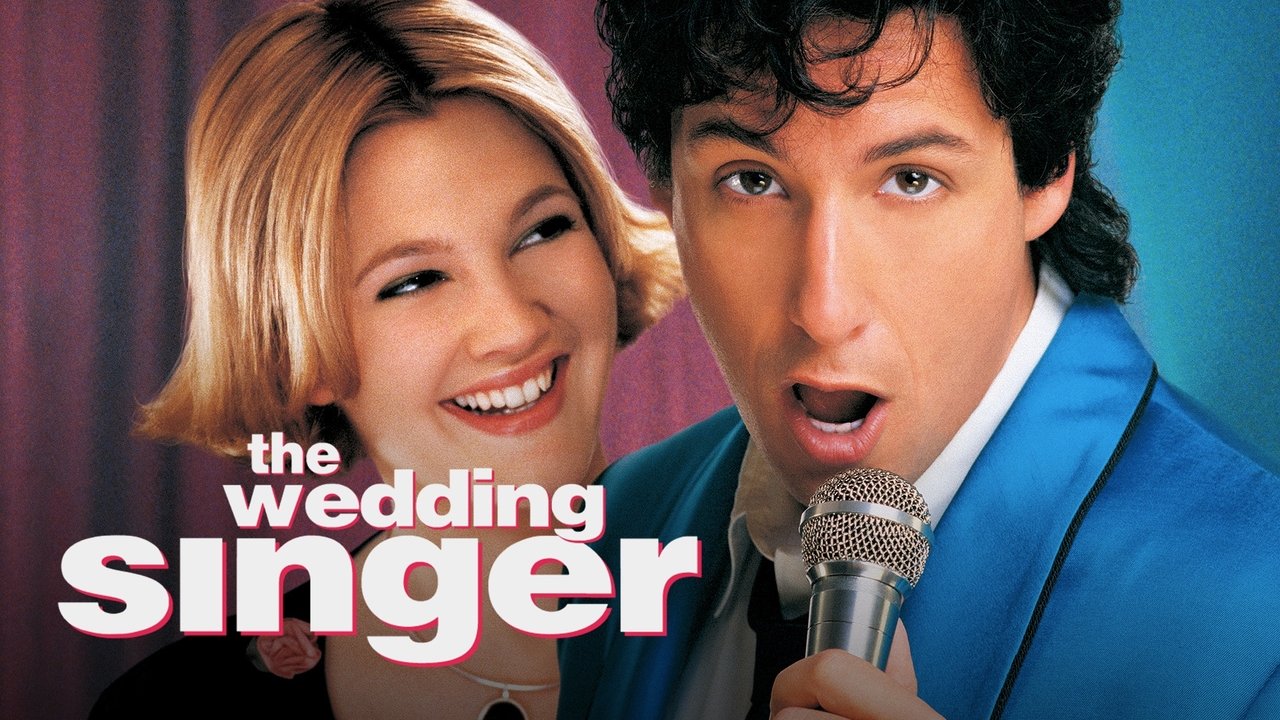
Let's be honest, by '98, Adam Sandler was firmly established as the king of goofy, man-child rage comedy with hits like Billy Madison (1995) and Happy Gilmore (1996). So, when The Wedding Singer came along, many of us probably expected more yelling and nonsensical antics. What we got instead was something... different. Directed by frequent Sandler collaborator Frank Coraci (who would later helm The Waterboy the same year), and penned by another long-time friend and writing partner Tim Herlihy, this film showcased a different side of Sandler. Sure, Robbie Hart has his moments (that epic, rage-fueled rendition of "Love Stinks" after being jilted is an all-timer), but there’s a vulnerability and sweetness here that felt fresh. He wasn't just yelling; he was hurting, and you felt for the guy stuck crooning power ballads at strangers' happiest moments while his own life crumbled.
### Chemistry That Just Clicks

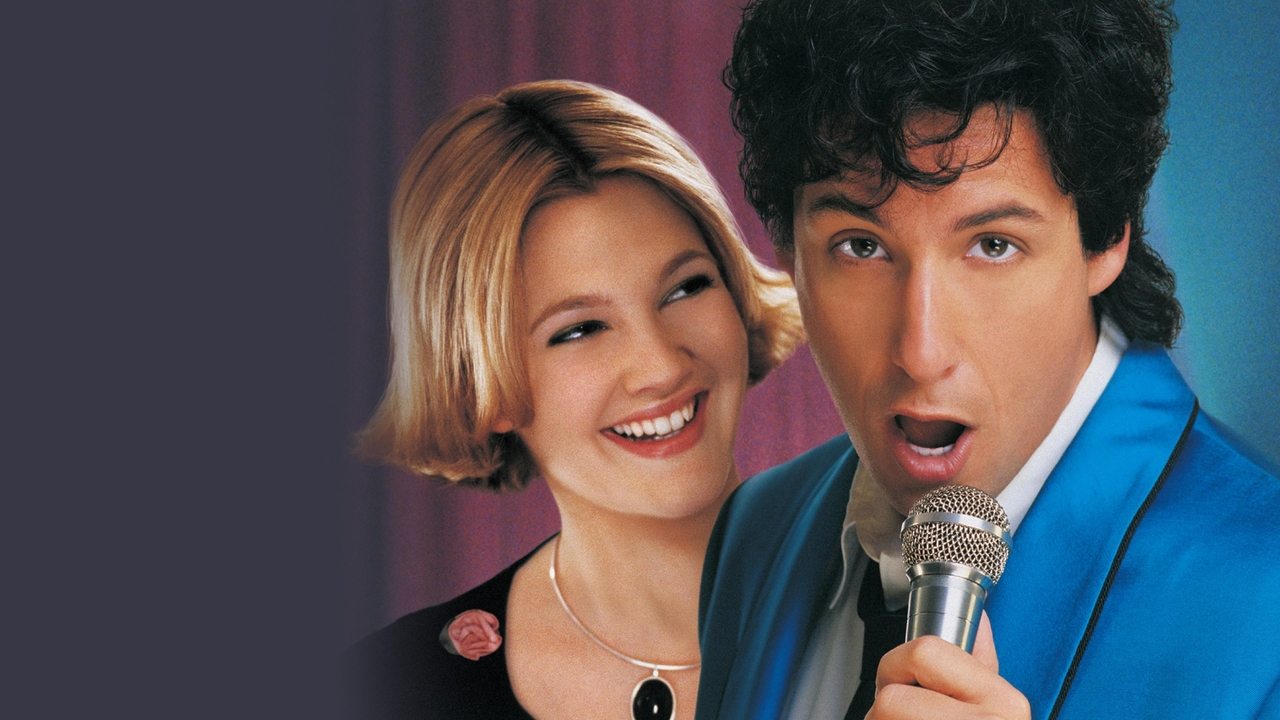
A huge part of the film’s magic is the undeniable chemistry between Sandler and Drew Barrymore as Julia Sullivan. Barrymore, already a beloved star with roots stretching back to E.T. the Extra-Terrestrial (1982), brings this incredible warmth and down-to-earth charm that perfectly complements Sandler’s wounded romantic. You genuinely believe these two should be together from their first awkward conversations. Their scenes just work, feeling natural and lived-in. It’s no wonder this kicked off a recurring, fan-favorite screen pairing between them (50 First Dates, Blended). Interestingly, despite seeming like a perfect fit, the script reportedly underwent some uncredited polishing by none other than Carrie Fisher, who was known for her sharp wit and dialogue skills as a script doctor. Perhaps some of that sparkling banter owes a debt to her?
### Welcome to 1985
The film doesn't just reference the 80s; it lives there. From the asymmetrical haircuts and questionable fashion choices (Glenn Guglia's wardrobe is a masterclass in obnoxious yuppie attire) to the perfectly curated soundtrack, the commitment to the era is total. This wasn't just set dressing; it felt like stepping back in time, before the internet, when big hair and synth-pop ruled the airwaves. The music is practically another character, featuring absolute bangers from The Cure, David Bowie, The Smiths, Madonna, and Billy Idol – who even pops up for a fantastic cameo! Securing the rights to all that iconic music couldn't have been cheap, but it pays off enormously in atmosphere. Remember Robbie teaching the rapping grandma? Pure 80s gold. The production nailed the look and feel, right down to the slightly fuzzy, analog warmth that mirrored how many of us first watched it on our own CRT TVs.

### Scene Stealers and Side Notes
While Sandler and Barrymore anchor the film, the supporting cast is stacked with memorable turns. Christine Taylor is perfectly awful as Robbie’s shallow fiancée, Linda. Allen Covert, a staple in Sandler's Happy Madison productions (they were college buddies at NYU alongside writer Tim Herlihy), brings reliable goofy energy as Robbie’s limo-driving buddy Sammy. And who could forget Jon Lovitz absolutely chewing the scenery as Jimmie Moore, the rival wedding singer? His sleazy charm is unforgettable. Even Steve Buscemi pops up for a brief, hilarious, and typically unhinged cameo as David Veltri. These smaller roles add layers of quirky fun that elevate the whole experience. The film was a solid box office success too, making over $123 million worldwide on an approximate $18 million budget – proving audiences were definitely ready for this blend of romance, comedy, and retro vibes.
### Still Holds Up After All These Years?
Watching The Wedding Singer now feels like revisiting an old friend. The jokes mostly land, the central romance is still incredibly endearing, and the 80s nostalgia hits just right – affectionate rather than mocking. It’s funny, it’s sweet, and it has a genuine heart beating beneath the Aqua Net and synthesizers. While Sandler would go on to make bigger, broader comedies (and later, acclaimed dramas), this remains a high point, showcasing his ability to be both funny and relatable without relying solely on over-the-top antics. It skillfully balances sweetness with just enough edge (Robbie's bitter moments, Glenn's sheer awfulness) to keep it interesting.
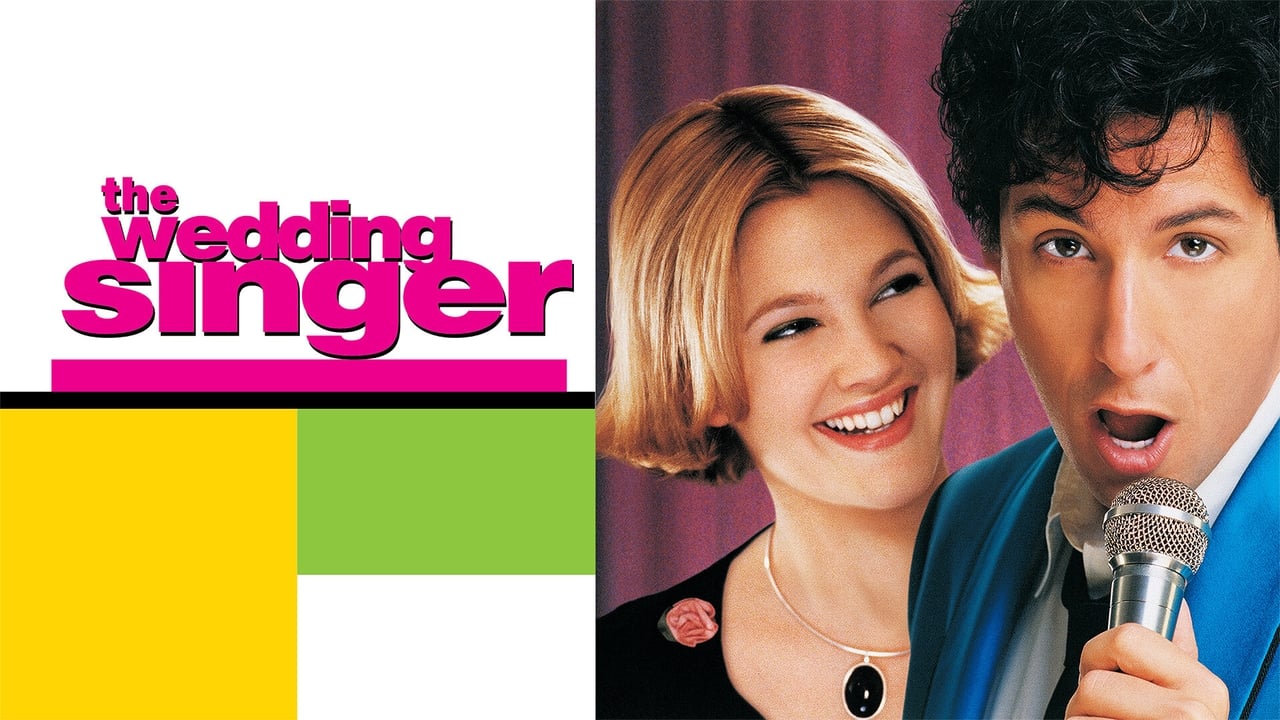
VHS Heaven Rating: 8.5/10
Justification: The Wedding Singer earns this high score for its pitch-perfect 80s nostalgia, the fantastic chemistry between Sandler and Barrymore, a killer soundtrack, genuinely funny moments, and a surprising amount of heart. It skillfully blends rom-com sweetness with Sandler's comedic sensibilities, resulting in one of his most enduring and rewatchable films. The slightly lower score reflects that, while charming, it doesn't necessarily break new cinematic ground, but executes its familiar formula exceptionally well.
Final Rewind: This isn't just a movie set in the 80s; it feels like a movie from the 80s, discovered on a dusty video store shelf. It’s a warm, fuzzy blanket of a film, perfect for when you need a reminder that sometimes, even after getting dumped at the altar, you can still find your own totally awesome happy ending, probably on a plane with Billy Idol.