He arrives almost out of nowhere, a smile playing on his lips, carrying an easy charm that feels both familiar and uniquely captivating. Adam, the titular character of Gerard Stembridge’s 2000 film About Adam, isn't just a romantic interest; he's more like a phenomenon, a pebble dropped into the still pond of a Dublin family, sending ripples outwards in ways they never anticipated. Slipping onto screens just as the millennium turned, this one might have landed more often in DVD players than VCRs for many of us, but it possesses a certain late-90s indie spirit – a quirky, character-driven charm that feels right at home here in VHS Heaven, even if it technically missed the decade cutoff. It asks a fascinating question: what happens when irresistible charm meets a family surprisingly open to being charmed?
A Most Unusual Courtship
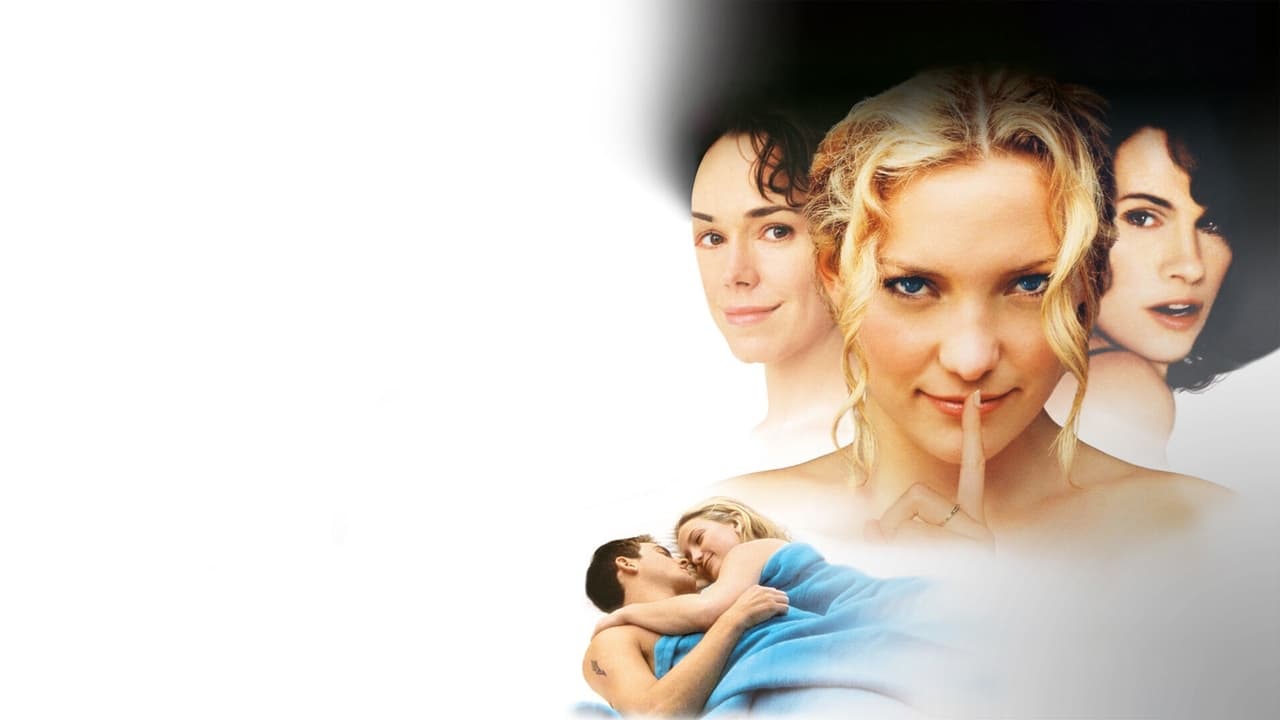
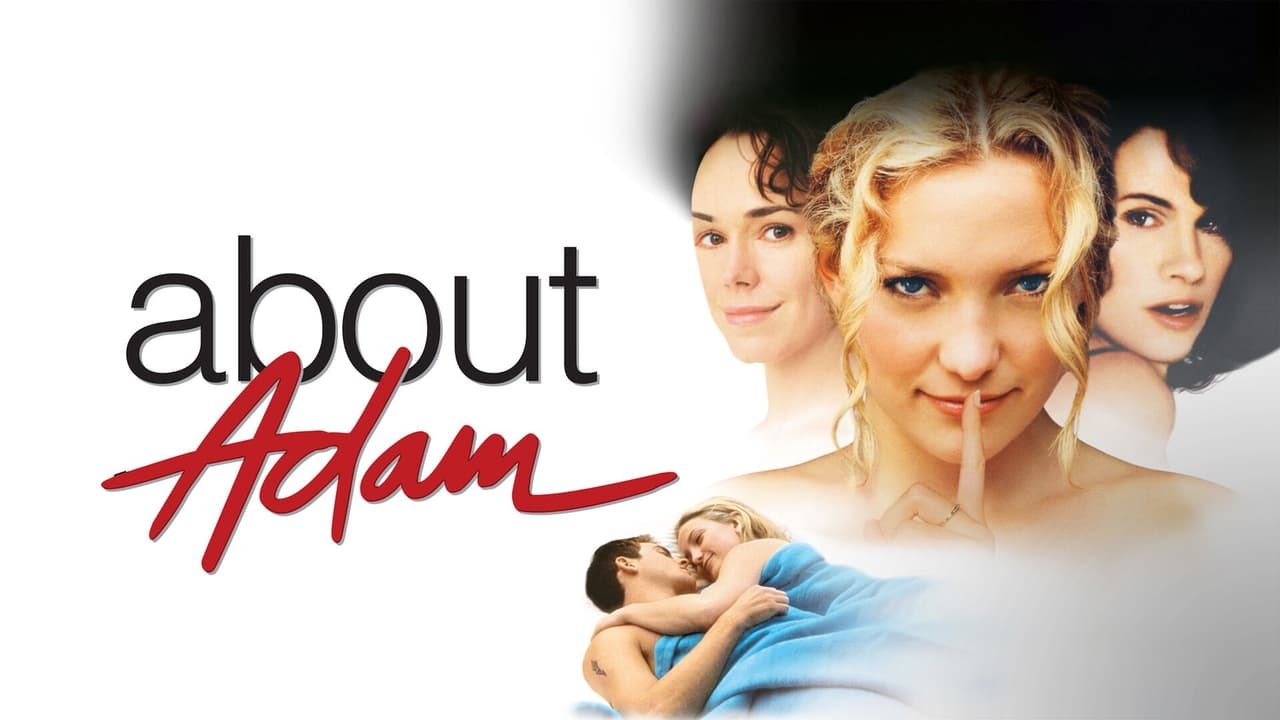
The setup feels initially conventional. Lucy Owens (Kate Hudson, radiating the burgeoning star power that would fully ignite later that year with Almost Famous), a waitress and singer in Dublin, meets the handsome, seemingly sweet Adam (Stuart Townsend). They fall for each other quickly, and soon he’s being introduced to her close-knit family: older sisters Laura (Frances O'Connor, bringing the same intelligence she showcased in Mansfield Park the year before) and Alice (Charlotte Bradley), plus their academic brother David (Alan Maher) and his wife Karen (Brenda Meaney). It all seems lovely, almost idyllic. But About Adam isn't interested in the straightforward path. Its cleverness lies in its structure, revealing the unfolding events from multiple perspectives.
Through Different Eyes
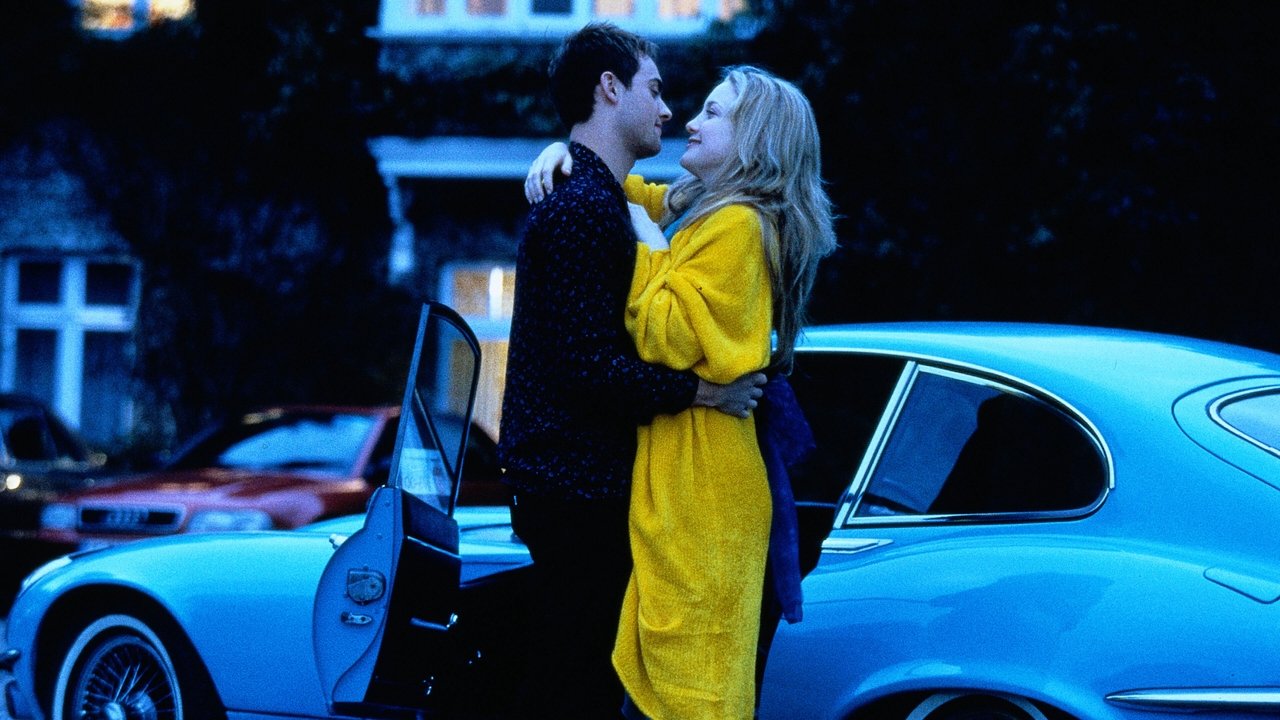
This isn't just a gimmick; it's the engine of the film. As the narrative baton passes from Lucy to Laura, and then to Alice, we see Adam not as a single, fixed entity, but as a reflection of each sister's desires and personality. With Lucy, he's the romantic ideal. With the bookish, more reserved Laura, he taps into a hidden yearning for passion and connection. With the married, seemingly content Alice, he represents a thrilling, unexpected detour. Gerard Stembridge, who both wrote and directed, uses this shifting viewpoint not just to reveal plot points – Adam’s simultaneous, or at least sequentially overlapping, involvements with the sisters – but to explore the very nature of attraction and perception. Who is Adam, really? The film mischievously suggests the answer depends entirely on who you ask, and when.
The Allure of the Unknowable
Stuart Townsend has the difficult task of embodying this magnetic cipher. His Adam is undeniably charming, possessed of an almost unnerving ability to say and do the right thing for whoever he's with at that moment. Is he a manipulative cad? A genuinely polyamorous soul ahead of his time? Or perhaps just someone deeply, almost pathologically, agreeable? Townsend plays him with a light touch, avoiding outright villainy. There's a certain guilelessness mixed with the seduction that keeps you guessing. You understand why the Owens sisters fall for him, even as the situation grows increasingly complex and, frankly, unbelievable in its smooth progression. It’s a performance that relies heavily on charisma, and Townsend delivers that effortlessly.
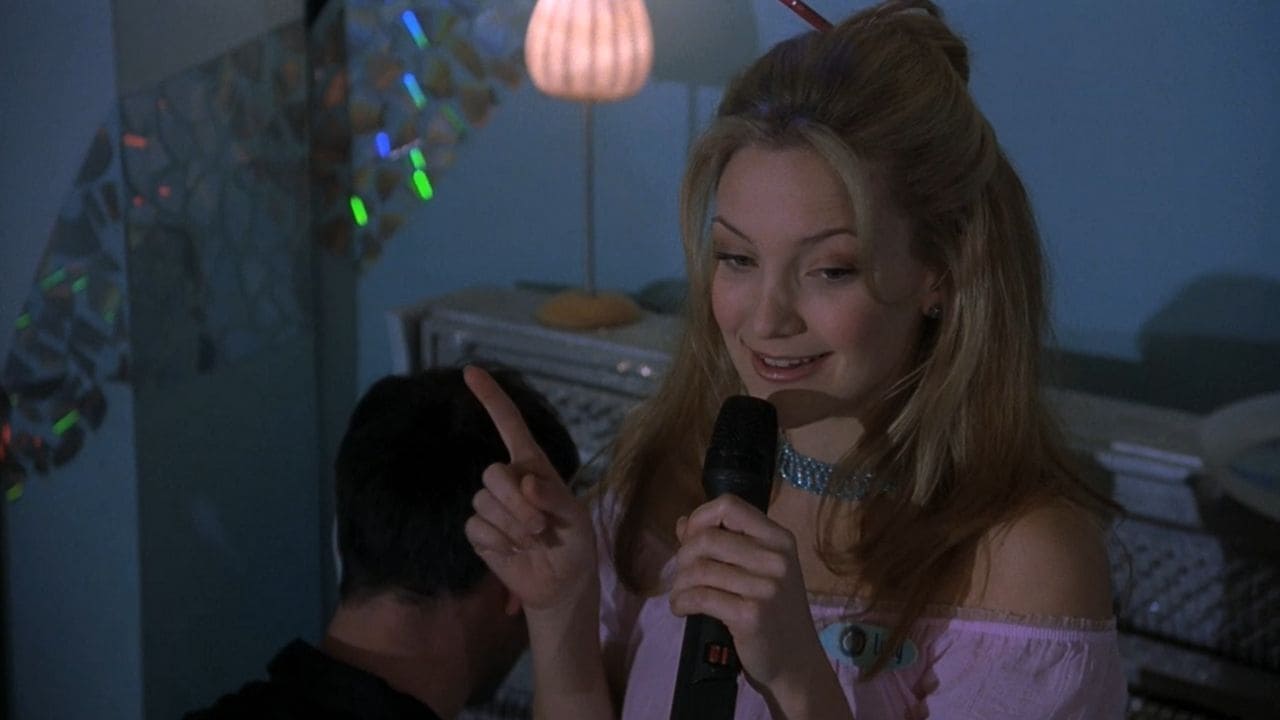
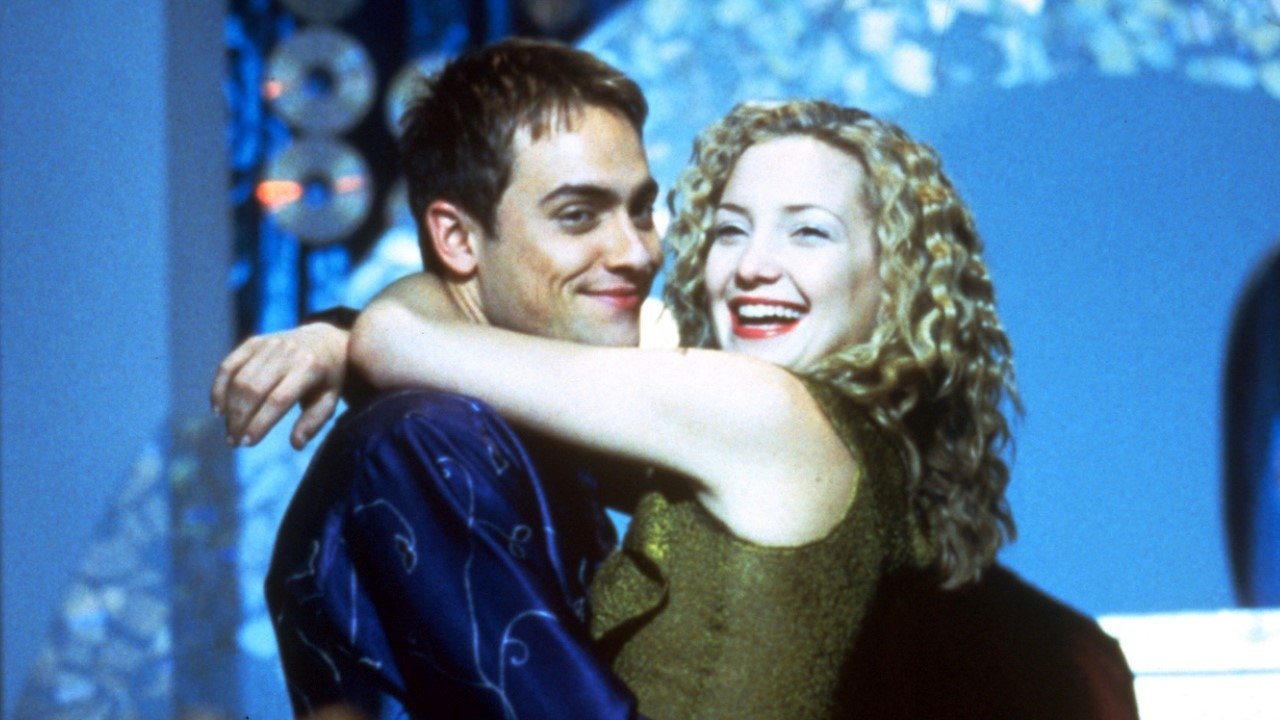
It was this tricky central premise that reportedly gave Miramax, who picked the film up after its Sundance Film Festival premiere in 2000, a headache when it came to marketing. How do you sell a romantic comedy where the hero is intimately involved with three sisters (and potentially eyeing a fourth family member) without making him seem like a monster or the film seem sordid? They struggled, and the film, despite its charm and appealing cast, made only a modest splash at the box office, pulling in around $355,000 in the US against its estimated $6 million budget. It felt destined, perhaps, for the "hidden gem" shelf at the video store (or, in this case, the DVD rack).
Sisterly Bonds and Dublin Scenes
While Adam is the catalyst, the film truly belongs to the Owens sisters. Kate Hudson is luminous as Lucy, capturing the joy and vulnerability of new love. Frances O'Connor brings a wonderful depth to Laura, conveying intelligence, longing, and a quiet strength that makes her perhaps the most compelling figure. Charlotte Bradley as Alice provides a different flavour, exploring the allure of the forbidden from within the confines of marriage. Their interactions feel authentic, grounded in the easy intimacy and occasional friction of sibling relationships. The Dublin setting adds its own layer of charm – cosy pubs, rainy streets, a specific sense of place that feels welcoming and real. Stembridge directs with a focus on character and atmosphere, letting the performances breathe and the unconventional story unfold without heavy moralizing.
What Lingers?
About Adam doesn't offer neat conclusions or easy judgments. It presents a situation, explores it from various angles, and leaves the audience to ponder the implications. What does it say about fidelity, desire, and the stories we tell ourselves about love? Doesn't Adam, in a strange way, bring each sister something she needed, even if the means were... unconventional? The film maintains a surprisingly light, almost fable-like tone throughout, never quite delving into the potential darkness or emotional devastation such a scenario might realistically cause. This might be its greatest strength for some viewers – a charming confection – and its primary weakness for others seeking more dramatic weight.
It remains a curious and rather unique entry in the turn-of-the-millennium rom-com catalogue. It’s witty, well-acted, and possesses a structural cleverness that elevates it above standard fare. While it might not have the nostalgic heft of a true 80s or 90s VHS staple for everyone, its playful spirit and engaging performances make it a delightful discovery or rediscovery.
Rating: 7/10
Justification: The film earns a solid 7 for its engaging performances, particularly from the three lead actresses, its clever narrative structure that constantly reframes the central character, and its overall charm and wit. Stuart Townsend effectively sells Adam's enigmatic appeal. However, it stops short of a higher score because its refusal to grapple with the darker potential consequences of Adam's actions leaves it feeling somewhat lightweight, more like a sophisticated fable than a deep character study. The charm occasionally papers over a lack of genuine dramatic tension.
Final Thought: About Adam remains a sly, enjoyable puzzle box of a film, leaving you wondering less about who Adam truly is, and more about the multifaceted nature of charm itself, and how easily we can be swept away by what we want to see.