Here we go, pulling another gem from the shelf, though perhaps one found tucked away in the slightly dustier 'World Cinema' corner of the video store back in the day. It's Majid Majidi's The Color of Paradise (1999), a film that arrived just as the VHS era was beginning its fade into the digital dawn. Watching it again doesn't just spark nostalgia for the format, but a profound remembrance of cinema's power to reach deep into the soul, using sight and sound to explore what lies beyond our immediate senses. It’s not a popcorn flick, this one; it demands stillness, attention, and maybe a moment of quiet contemplation after the tape clicks off.
Seeing Through Different Eyes
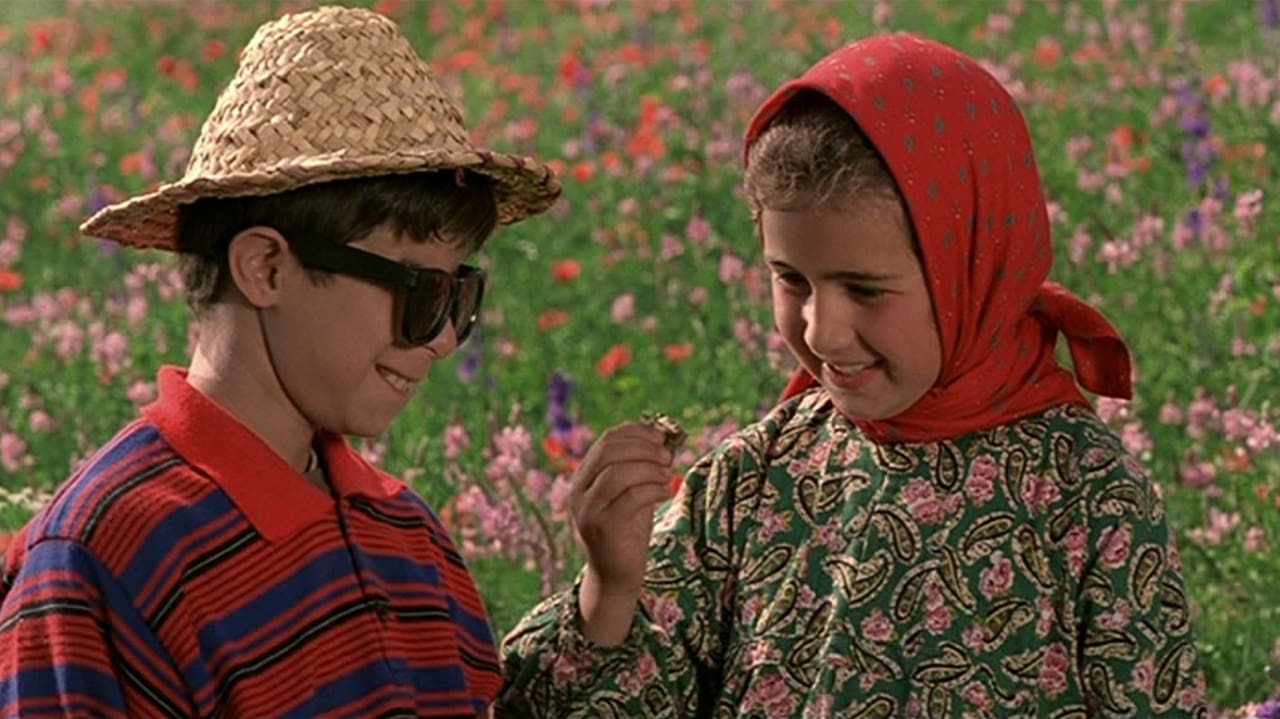
The film opens not with grand visuals, but with sound and touch – the meticulous world of Mohammad (Mohsen Ramezani), a young blind boy at a Tehran institute. We immediately understand that his perception is different, perhaps richer in certain ways. Majidi plunges us into Mohammad's sensory experience – the rustle of leaves, the texture of feathers, the flow of water. It's a masterful piece of empathetic filmmaking, forcing us, the sighted audience, to reconsider what it truly means to 'see'. I remember first watching this, possibly on a slightly fuzzy CRT, and being struck by how effectively Majidi uses the cinematic medium itself – light, shadow, sound design – to translate the experience of blindness. It wasn't just about showing blindness; it felt like feeling it.
A Father's Burden, A Son's Light
The central narrative thread follows Mohammad's return to his rural village for the summer. His widowed father, Hashem (Hossein Mahjoub), however, sees Mohammad not as a son, but as an obstacle. Hashem is pursuing a new marriage, and he believes his son's disability will ruin his prospects. This conflict forms the emotional core, and it's heartbreakingly rendered. Mahjoub delivers a complex performance, portraying Hashem not as a simple villain, but as a man weighed down by poverty, societal pressure, and a profound lack of understanding or acceptance. You see the internal struggle, the shame warring with a buried flicker of paternal feeling. It's a raw and uncomfortable portrayal of human frailty. Is there anything more tragic than a parent viewing their child as a burden? The film forces us to sit with that deeply unsettling question.
Nature as Sanctuary and Spectacle
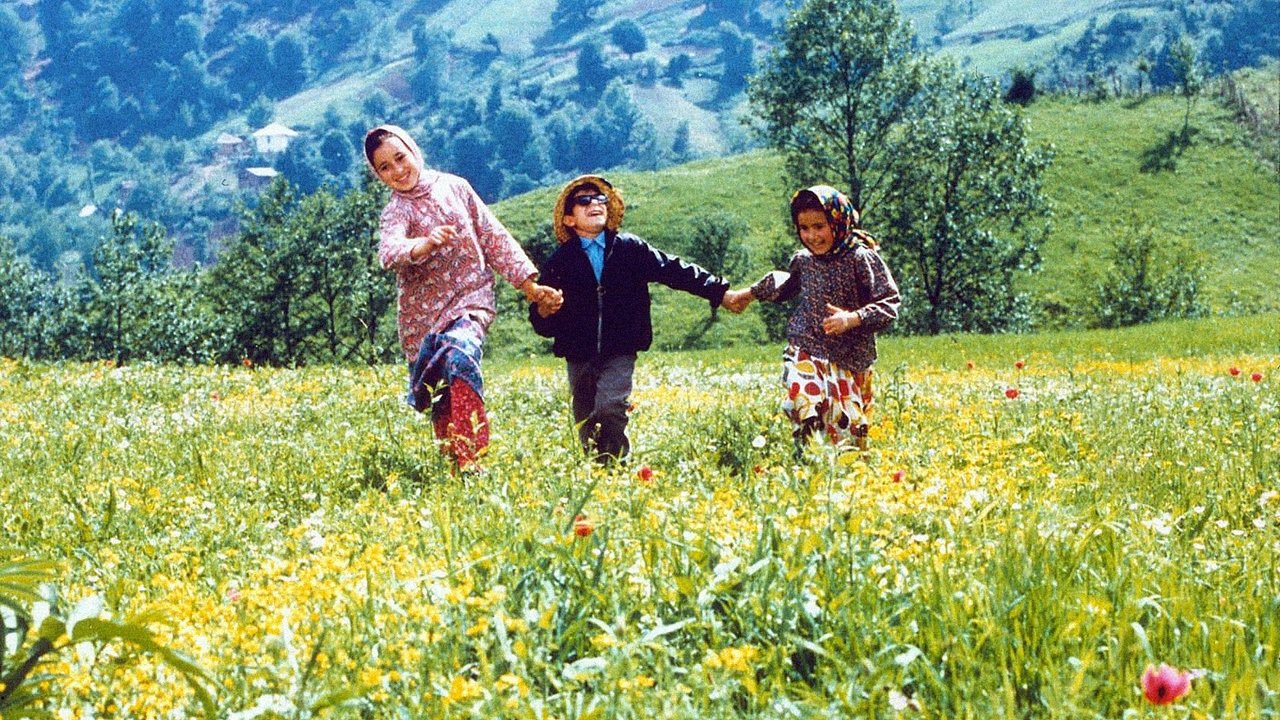
Against the starkness of the human drama, Majidi sets the breathtaking beauty of the Iranian countryside. The Caspian Sea region becomes almost another character – lush forests, flowing rivers, fields teeming with life. For Mohammad, this natural world is a source of wonder, explored through his heightened senses of touch and hearing. The cinematography captures this stunningly, contrasting the vibrant life Mohammad embraces with the bleakness of his father's outlook. There’s a potent symbolism at play here: nature’s impartial beauty serving as a counterpoint to human prejudice and fear. It’s reminiscent, in a way, of the visual poetry seen in films like Days of Heaven (1978), where the landscape holds both solace and indifference.
The Unforgettable Mohammad
The soul of the film undoubtedly resides in the performance of young Mohsen Ramezani. What makes his portrayal so powerful is its utter authenticity – Ramezani himself is visually impaired. There's no 'acting' blind here; there's a lived reality translated to the screen with incredible sensitivity and naturalism. His curiosity, his moments of joy exploring nature, his quiet hurt at his father's rejection – it all feels achingly real. Reportedly, Majid Majidi worked closely with Ramezani, building trust and allowing his natural personality to shine through. It’s a testament to both director and actor that Mohammad never feels like a symbol or a plot device, but a fully realized, deeply empathetic human being. You simply want to protect him.
A Note on Translation and Reception
It's worth noting that the film's original Farsi title, Rang-e Khodā, translates more directly to "The Color of God." This adds another layer to the film's exploration of faith, perception, and where divinity might be found – perhaps not in grand pronouncements, but in the intricate details of the natural world that Mohammad perceives so acutely. While it garnered significant acclaim internationally, winning awards at festivals like Montreal, it faced a more complex reception in its home country initially. Finding this on VHS back then often felt like unearthing a secret, a powerful piece of world cinema that might have otherwise slipped by unnoticed amidst the louder Hollywood fare dominating the rental shelves.
Final Thoughts
The Color of Paradise isn't an easy watch. It deals with profound sadness, parental rejection, and the harsh realities faced by those deemed 'different'. Yet, it's also infused with moments of breathtaking beauty, innocence, and a quiet spirituality that lingers long after the credits roll. It uses the language of film – image, sound, performance – to ask fundamental questions about perception, acceptance, and the true nature of seeing. It's a film that engages the heart and the mind equally.
Rating: 9/10
This score reflects the film's masterful direction, its deeply affecting performances (especially Ramezani's unforgettable turn), its stunning cinematography, and its profound thematic depth. It's a near-perfect piece of humanist cinema, slightly held back only by a pacing that demands significant patience, though this deliberate slowness is arguably essential to its impact. It’s a film that truly stays with you, a reminder that sometimes the most powerful stories are found not in spectacle, but in the quiet observation of the human spirit navigating a complex world. What colors does God truly paint with? This film suggests they are found in empathy, nature, and the resilience of a child's heart.