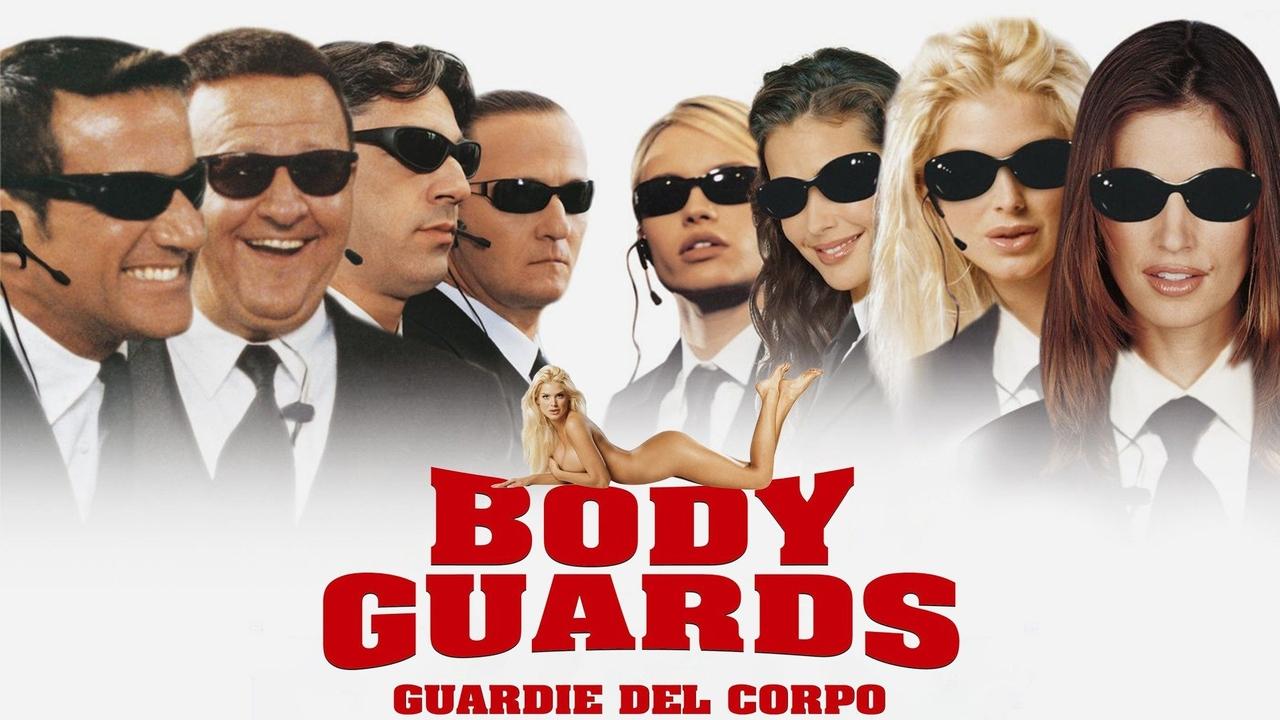
Alright fellow tape travelers, let’s slide a slightly more recent, but definitely familiar-feeling, cassette into the VCR slot. We’re talking about Neri Parenti’s 2000 romp, Body Guards (original title: Body Guards - Guardie del corpo). Now, I know what you're thinking – 2000? Isn't that pushing the VHS Heaven boundaries? Maybe a little, but bear with me. This flick feels like a direct transmission from the late 90s Italian comedy Zeitgeist, largely because it reunites the absolute kings of the 'cinepanettone' (those wildly popular Christmas comedies from Italy): Christian De Sica and Massimo Boldi. Seeing their names on the box, often found nestled amongst the action flicks and thrillers on rental shelves even into the early 2000s, was a guarantee of a certain kind of chaotic energy.
Three Stooges with Badges (Sort Of)
The setup is pure, unadulterated farce. Three spectacularly unqualified guys – Fabio (De Sica), Paolo (Boldi), and Ciro (Biagio Izzo, by this point becoming a frequent third wheel in their comedic antics) – somehow bluff their way into running a high-end bodyguard agency in Rome. Think less Kevin Costner, more Inspector Clouseau multiplied by three. Their clients? A gallery of exaggerated VIPs, including a spoiled American heiress, a demanding opera singer, and a fashion designer with secrets. Naturally, every assignment descends into glorious, slapstick-heavy disaster. Neri Parenti, a director who practically built a career (Fantozzi contro tutti (1980), countless Christmas hits) on orchestrating this brand of escalating comedic mayhem, knows exactly which buttons to push.
The plot isn't exactly Shakespeare, functioning more as a loose framework to hang a series of increasingly absurd set pieces on. But honestly, did anyone renting a De Sica/Boldi movie expect intricate plotting? You came for the chemistry, the pratfalls, and the sheer, unadulterated silliness. Retro Fun Fact: Much like their previous holiday blockbusters, Body Guards was a significant production, even filming key sequences stateside in Los Angeles and Miami, adding a touch of international (and expensive!) gloss to the usual Roman chaos. It's a classic move from producer Aurelio De Laurentiis, who knew how to make these comedies look big, even when the humor was delightfully lowbrow.
The Parenti Formula in Full Swing
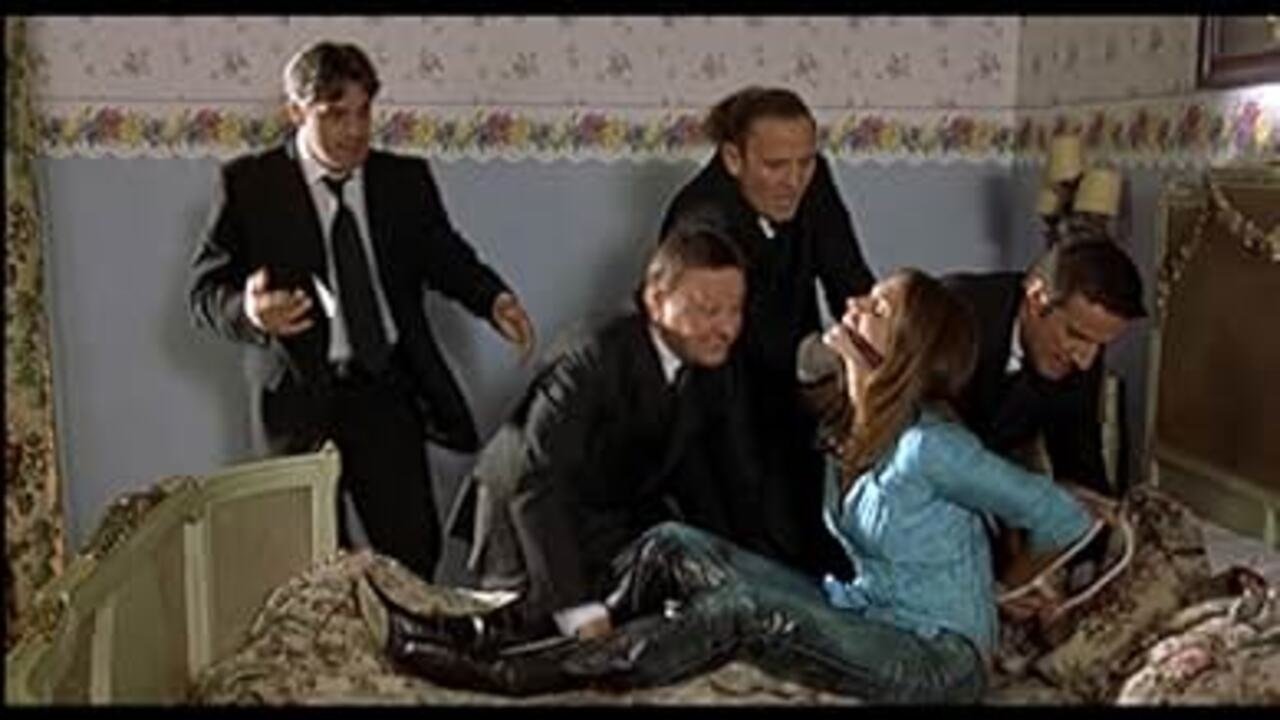
Parenti’s direction is economical and built entirely around showcasing his stars. The camera setups are straightforward, the editing snappy, all designed to maximize the impact of the physical comedy and the rapid-fire banter. Christian De Sica, son of the legendary Vittorio De Sica, leans into his persona as the suave, slightly arrogant leader who inevitably gets taken down a peg. Massimo Boldi is the manic, rubber-faced engine of chaos, his characters often driven by panic and absurdity. Biagio Izzo, representing the Neapolitan comedic tradition, adds his own flavor of bewildered energy. Their timing, honed over years of collaboration, is undeniable, even when the jokes themselves are groan-worthy puns or elaborate misunderstandings.
There aren't "action scenes" in the Die Hard sense, obviously, but the physical comedy often involves elaborate, Rube Goldberg-esque sequences of failure. These aren't reliant on CGI, thank goodness. It’s all about timing, prop work, and the actors committing fully to looking ridiculous. Remember how satisfying a well-executed, real spit-take or fall down a flight of stairs looked back then? This film has plenty of that raw, physical energy, a hallmark of the comedies we grew up renting. The budget, reportedly significant for an Italian comedy at the time (though exact figures are tricky, these films regularly topped the Italian box office), clearly went into locations and perhaps insuring the stars against slapstick-related injuries!
A Blast from the Recent Past?
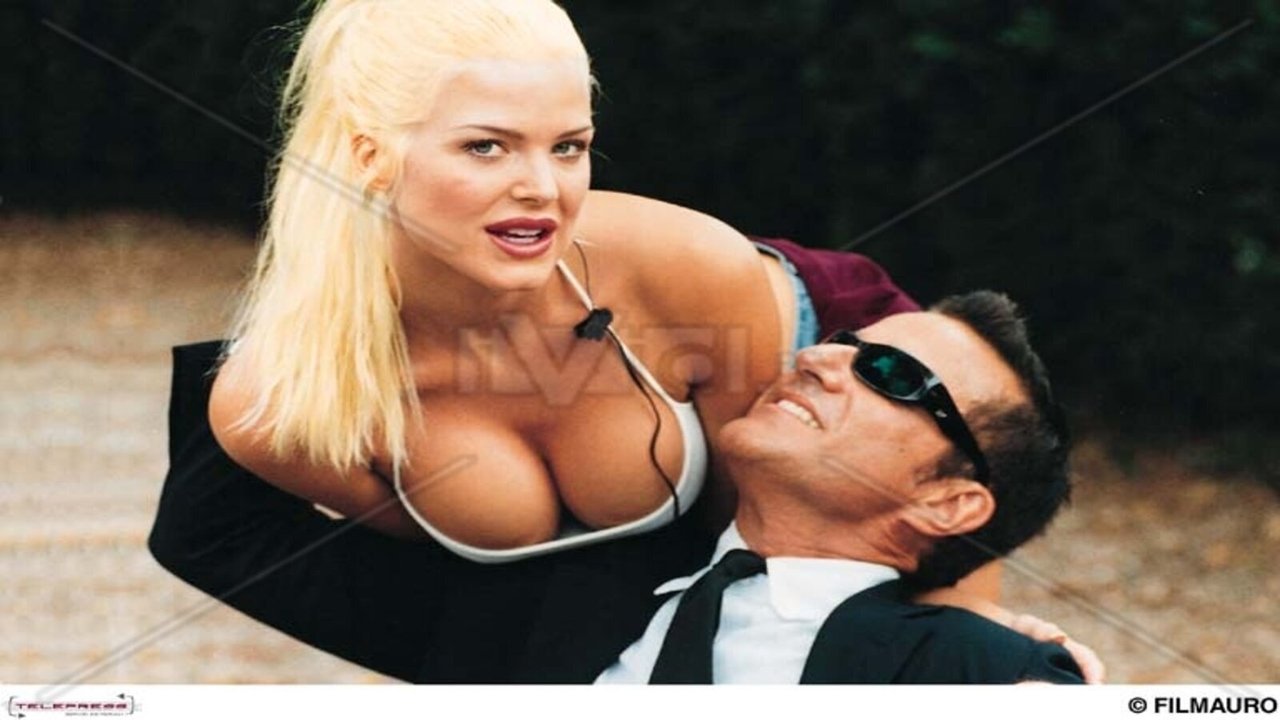
Watching Body Guards now is like unearthing a time capsule from the turn of the millennium. The fashion, the tech (or lack thereof), the specific brand of slightly risqué but ultimately harmless humor – it’s all very much of its time. This was one of the films marking the later period of the classic De Sica/Boldi partnership before their eventual (though temporary) split. While critics in Italy often dismissed these films as formulaic fluff, audiences consistently turned up in droves. Body Guards was no exception, becoming a major box office success in its home country. It tapped into a familiar comfort zone for Italian moviegoers, a tradition as reliable as panettone at Christmas.
Does it hold up? Well, that depends entirely on your tolerance for broad, sometimes repetitive, slapstick comedy. If you have affection for the De Sica/Boldi pairing or Italian popular cinema of the 80s and 90s, there’s definite nostalgic charm here. It’s loud, it’s dumb, but it’s often genuinely funny in a way that feels almost quaintly handcrafted compared to today's slicker, more ironic comedies. You can practically smell the popcorn and hear the whir of the VCR.
VHS Heaven Rating: 6/10
Justification: The rating reflects the film's effectiveness within its specific, somewhat limited goals. It delivers exactly what fans of De Sica, Boldi, and Parenti expected: energetic slapstick, familiar character dynamics, and escapist silliness. It’s professionally made for its genre, features committed comedic performances from the leads, and provides genuine laughs if you're in the right mood. However, the plot is wafer-thin, the humor is repetitive and relies heavily on formula, and it lacks the crossover appeal or lasting iconic status of some true 80s/90s classics. It's comfort food cinema, enjoyable for fans but unlikely to convert newcomers.
Final Take: Body Guards might technically be Y2K-era, but its soul belongs to the slightly anarchic, proudly unsophisticated spirit of late 20th-century Italian popular comedy. It’s a reminder of a time when finding De Sica and Boldi on a VHS cover promised uncomplicated, unapologetic, laugh-out-loud chaos – a promise it mostly delivers.