Some fairy tales aren't meant for children. Some twist in the telling, shedding innocence like snakeskin to reveal something cold and watchful beneath. Deep in the Woods (original French title: Promenons-nous dans les bois), arriving just as the new millennium dawned in 2000, feels like one such corrupted fable – a film that, despite its release date, carries the shadowy chill of a half-remembered, unsettling VHS discovery from a dusty shelf. It arrived perhaps a little late for the true heyday of the video store, but its moody aesthetic and Giallo-esque flourishes feel ripped from an earlier, darker time.
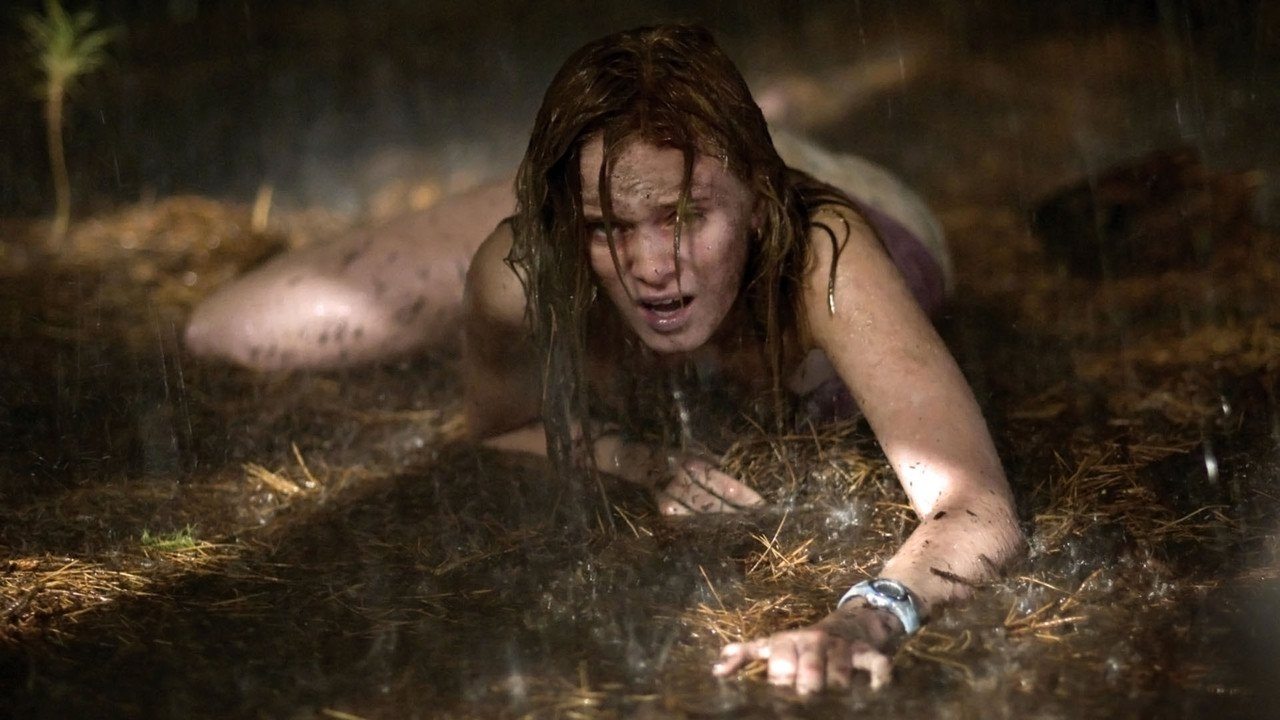
The premise itself whispers of shadowed folklore. A troupe of young, hopeful actors accepts a lucrative invitation from the enigmatic Baron Axel De Fersen to perform a twisted version of "Little Red Riding Hood" at his remote, decaying château. Isolated deep within sprawling, ancient woods, they find themselves enveloped by an atmosphere thick with secrets and unspoken threats. The air crackles with the tension between the naive performers and their unnervingly intense host, setting the stage for a night where the lines between performance and reality blur into a terrifying smudge.
A Feast for the Eyes, A Whisper to the Nerves
Director Lionel Delplanque, making his feature debut here, crafts a film that prioritizes mood over outright shocks. This isn't about jump scares; it's about sustained dread, the creeping certainty that something is fundamentally wrong. The cinematography lingers on the opulence decaying into ruin within the château walls, juxtaposing it with the primal, almost sentient presence of the surrounding forest. It evokes the visual richness of Argento at times, though without the same level of operatic gore – think more Suspiria's unsettling beauty than Tenebrae's visceral brutality. The colour palette is often cool, drenched in blues and shadows, punctuated by the startling crimson of costumes or the unnatural glow of candlelight.
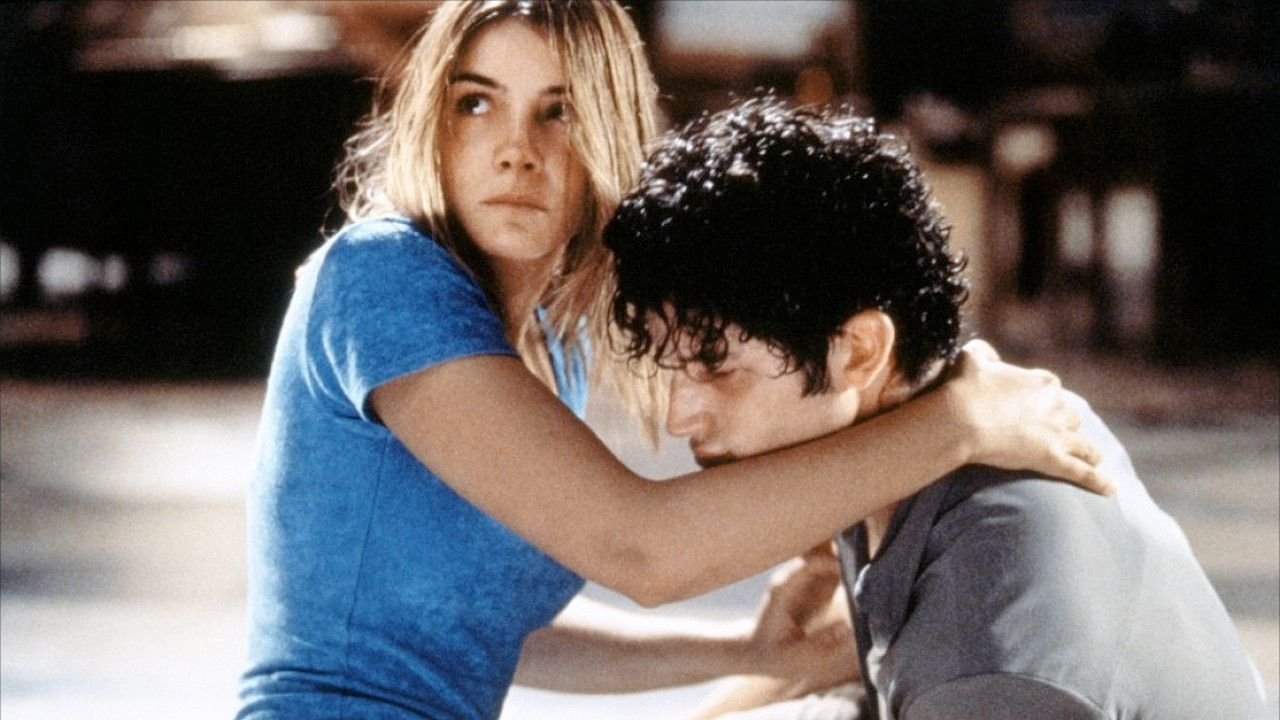
The famous French nursery rhyme from which the original title derives ("Promenons-nous dans les bois, pendant que le loup n'y est pas..." / "Let's walk in the woods, while the wolf isn't there...") hangs heavy over the proceedings. The wolf, naturally, becomes a central motif, particularly during the performance sequence and in the unsettling masks worn during a pivotal, almost dreamlike masked ball. These masks aren't just props; they feel like extensions of hidden, predatory natures. Doesn't that kind of uncanny valley effect, where something human is distorted just enough to be deeply disturbing, still get under your skin?
Style Over Substance?
Where Deep in the Woods sometimes falters is in its narrative clarity and character depth. The young actors often feel more like archetypes than fully fleshed-out individuals, serving primarily as potential victims for the encroaching horror. Clotilde Courau, as the troupe's lead actress Sophie, brings a certain wide-eyed vulnerability that anchors the audience's perspective, but even she struggles against a script that occasionally feels opaque, favouring stylistic flourishes over coherent plotting. The central mystery surrounding the Baron and the history of the château unfolds slowly, perhaps too slowly for some, relying heavily on atmosphere to carry stretches where the story seems to tread water.
Reportedly filmed in the very real and suitably imposing Château de La Rochette in France, the production certainly benefited from its authentic location. You can feel the history and isolation bleeding through the screen. This commitment to atmosphere, while admirable, can sometimes leave the viewer adrift, mesmerized by the visuals but grasping for a stronger narrative thread. It’s a film that feels heavily influenced by European horror traditions, aiming for psychological disturbance rather than the more straightforward slasher dynamics prevalent in American horror of the era. This stylistic choice makes it stand out, but also potentially contributes to its somewhat cult, less mainstream appeal. Initial reactions were indeed mixed, praising its visual confidence while finding the story itself wanting.
Echoes in the Trees
Despite its narrative shortcomings, Deep in the Woods possesses a lingering power. It functions effectively as a dark fairy tale deconstruction, playing with familiar tropes – the isolated castle, the predatory 'wolf', the imperiled innocents – but filtering them through a lens of modern ennui and psychological ambiguity. The film doesn't offer easy answers, leaving certain motivations and events shrouded in mist, much like the woods surrounding the château.
It arrived at a transitional time for horror, just before the wave often dubbed the "New French Extremity" (think High Tension (2003) or Martyrs (2008)) would truly crash onto international shores. While lacking the brutal intensity of those later films, Deep in the Woods shares a certain Gallic sensibility – a willingness to embrace style, ambiguity, and a pervading sense of unease. For those of us who scoured the video store shelves for something different, something atmospheric and strange, stumbling upon a tape like this, even in the early 2000s, felt like unearthing a minor, chilling treasure.
---
Rating: 6/10
Justification: Deep in the Woods earns points for its palpable atmosphere, striking visuals, and effective use of its fairy tale source material to create genuine unease. The commitment to mood and the unsettling beauty of the production design are undeniable strengths. However, it loses ground due to underdeveloped characters, a sometimes meandering plot, and an ambiguity that occasionally tips over into outright narrative weakness. It's a film more memorable for its feel and imagery than its story or scares.
Final Thought: A beautifully shot, atmospherically rich, yet ultimately somewhat hollow slice of late-era European horror. It’s like discovering a gorgeous, slightly dusty music box that plays a haunting tune but doesn't quite reveal all its secrets – captivating, unsettling, but leaving you wishing for just a little more substance beneath the chilling style.