The air hangs thick and still around Cherry Falls, Virginia. Not just with the usual humidity of small-town secrets, but with something sharper, metallic. A scent of fear. Most slashers operate on a twisted morality – punishing the promiscuous, the partygoers. But Cherry Falls (2000) presented a chilling inversion whispered across scratched rental tapes and late-night cable broadcasts: this time, the killer hunted the innocent. Virginity wasn't safety; it was a mark.
Beneath the Veneer
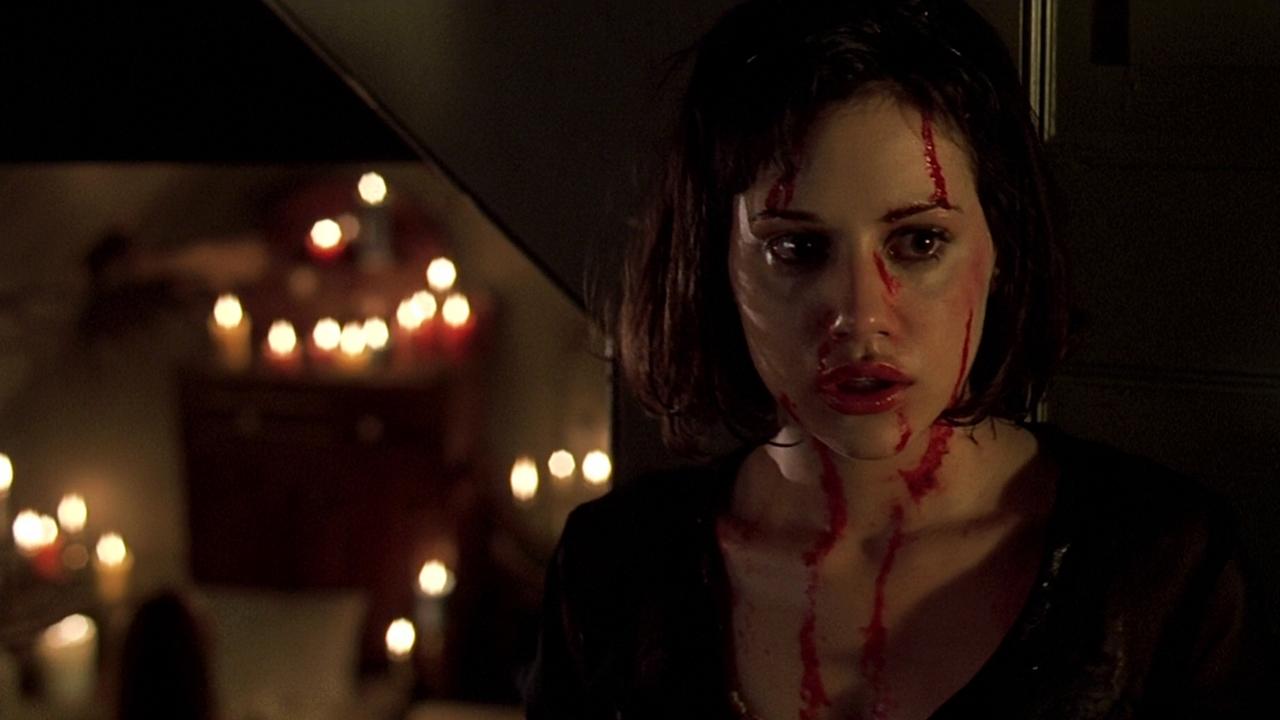
On the surface, Cherry Falls is postcard-perfect Americana. Tree-lined streets, a local high school, the steady presence of Sheriff Marken (Michael Biehn, forever etched in our minds from The Terminator (1984) and Aliens (1986)). But beneath that placid surface churns a darkness brought violently to light when teenagers start dying, targeted by a shadowy figure with long dark hair and an unnerving silence. The hook? The victims share one trait: they’re virgins. It’s a premise that immediately sets the teeth on edge, twisting the familiar slasher formula into something uniquely uncomfortable.
This revelation doesn’t just spark terror; it ignites a bizarre, darkly satirical chain reaction within the town's teenage population. The solution they devise? A mass "Pop Your Cherry" party, a desperate, hormone-fueled attempt to shed the very innocence that makes them vulnerable. It’s a plot point that feels both outrageously cynical and disturbingly plausible, tapping into the chaotic logic of scared adolescents and offering a bleak commentary on societal pressures, even under duress. I recall first hearing about this setup and thinking it was either genius or deeply disturbed – maybe both.
A Star Finding Her Voice
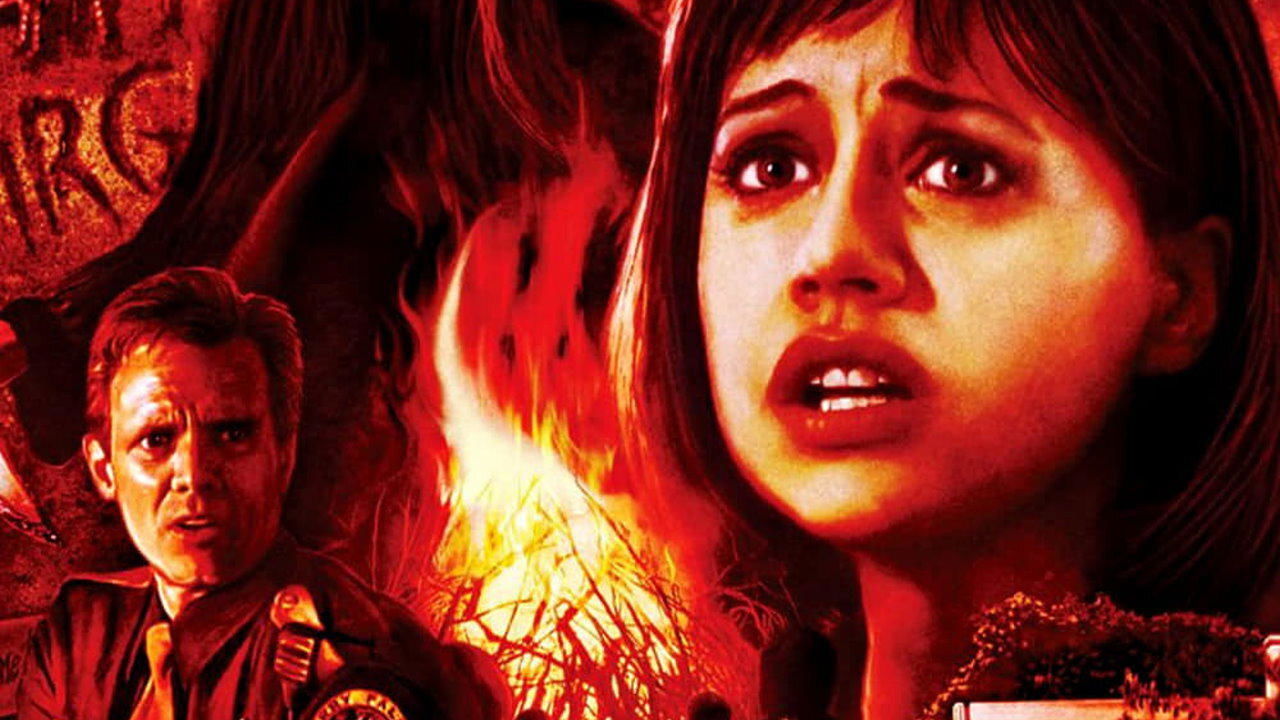
Navigating this grim landscape is Jody Marken, the Sheriff’s daughter, played with a captivating mix of vulnerability and burgeoning steel by the late, great Brittany Murphy. Fresh off impressive turns in films like Clueless (1995) and Girl, Interrupted (1999), Murphy grounds the film. She embodies the terror of being hunted but also finds a fierce determination that elevates Cherry Falls beyond mere exploitation. You see the confusion, the fear, and the eventual resolve flicker across her expressive face. Doesn't her performance just anchor the whole strange affair? Supporting players like Jay Mohr as the slightly-too-interested teacher add layers of unease, while Biehn brings his signature weary gravitas to the role of the conflicted father and lawman, haunted by secrets of his own.
A Troubled Path to the Small Screen
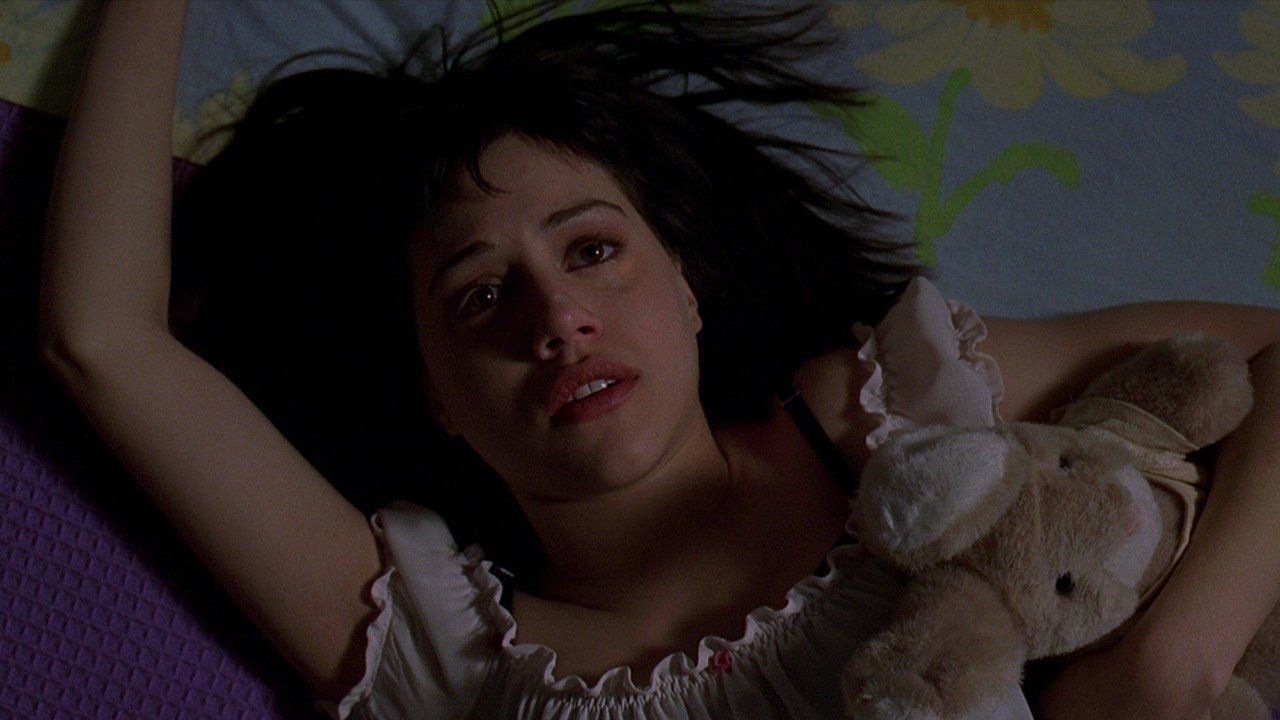
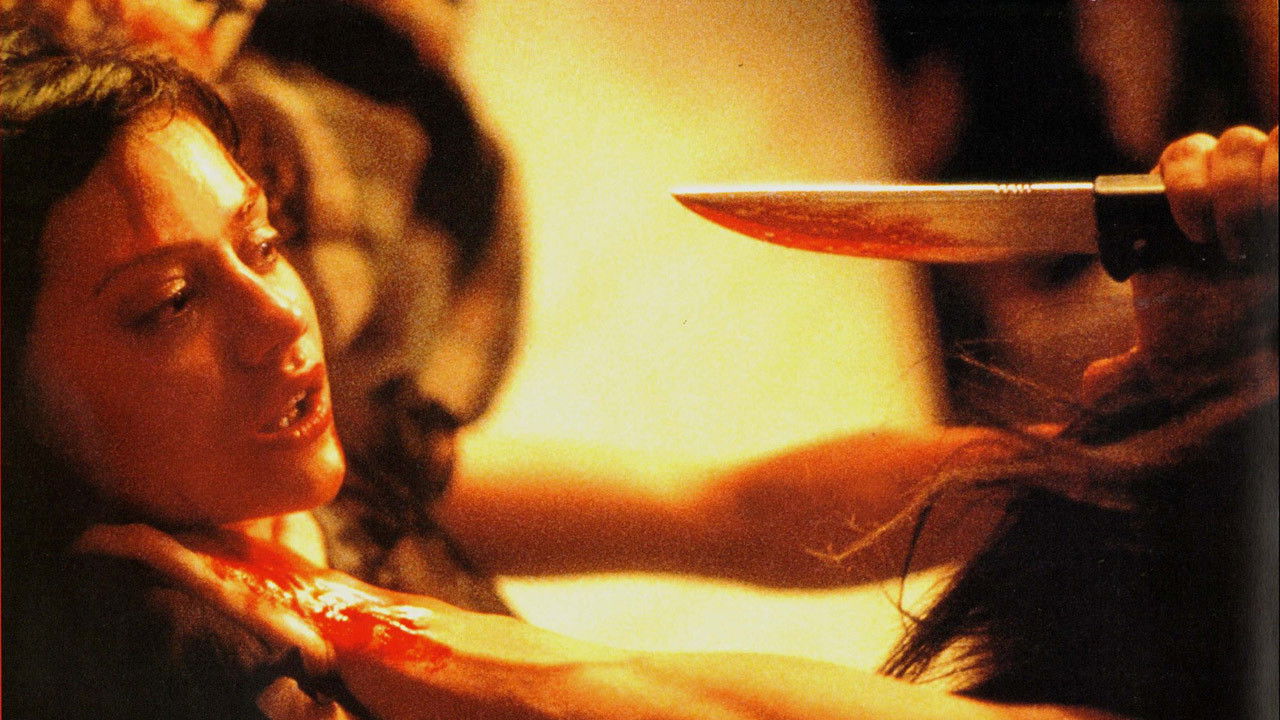
Behind the camera was Australian director Geoffrey Wright, known for the raw, confrontational Romper Stomper (1992). His sensibility brings a certain grit to Cherry Falls, often favoring atmosphere over jump scares. The film has a muted, almost bruised look, fitting the grim subject matter. The score, too, often opts for unsettling ambiance rather than shrieking strings. However, the film’s journey was notoriously fraught. Originally intended for a theatrical release, Cherry Falls reportedly clashed hard with the MPAA. Rumors persisted for years about a much longer, more graphic NC-17 cut, with significant trims – some say up to 9 minutes – demanded for an R-rating. This battle ultimately contributed to its fate: skipping theaters almost entirely in the US and premiering instead on the USA Network in October 2000, before finding its audience, as many genre films did, on VHS and DVD. Watching it, you sometimes sense those phantom limbs, moments where the editing feels abrupt or scenes seem curtailed. Did the necessary cuts blunt its edge, or perhaps inadvertently add to its unsettling, slightly fractured feel?
Secrets in the Script and on Set
Writer Dan Selcer's script was praised for its clever concept, part of that late-90s wave of post-Scream (1996) slashers that actively played with genre tropes. Filmed primarily in Virginia, the locations lend an authentic, lived-in feel to the town of Cherry Falls. While specific on-set anecdotes are scarce, the shadow of the ratings battle looms large over its production history. Imagine the frustration of crafting a potentially boundary-pushing horror film, only to have its teeth pulled by censorship concerns and studio cold feet over its $14 million budget recoupment without a wide release. It became one of those "what if?" films – what if Wright's original, harder-edged vision had reached audiences?
Legacy of a Cult Oddity
Cherry Falls remains a fascinating outlier in the teen slasher cycle. It’s smarter and more thematically ambitious than many of its contemporaries, tackling uncomfortable ideas about sexuality, secrets, and cycles of violence. Yet, it never quite reached the mainstream recognition of Scream or I Know What You Did Last Summer (1997), partly due to its troubled release. It occupies a strange middle ground – too dark and quirky for mainstream horror audiences at the time, perhaps too compromised by cuts for hardcore gorehounds.
But for those of us who stumbled upon it, perhaps on a flickering CRT screen late one night, it left a mark. That central premise is unforgettable, and Brittany Murphy's central performance is a poignant reminder of a talent lost too soon. It’s a film that invites discussion, its dark humor and genuinely unsettling core managing to crawl under your skin. It doesn't always perfectly balance its satirical elements with its moments of genuine horror, leading to occasional tonal wobbles, but its ambition is undeniable.

VHS Heaven Rating: 7/10
This score reflects the film's killer premise, Brittany Murphy's strong lead performance, and its effectively unsettling atmosphere, all of which make it a standout curiosity from the era. However, it's held back slightly by the feeling of studio interference, the visible seams left by MPAA-mandated cuts, and a tone that occasionally struggles to reconcile its satirical bite with its slasher roots.
Cherry Falls remains a darkly compelling watch, a cult favorite whose central conceit is arguably more disturbing than any single kill scene. It’s a warped reflection of teen anxieties, wrapped in a slasher package that dared to suggest the most dangerous thing wasn't breaking the rules, but following them too closely.