Okay, let's rewind the tape and settle in for this one. Remember the turn of the millennium? Britpop was fading, the Lock, Stock effect was still rippling through British cinema, and suddenly, a whole constellation of familiar faces decided to play gangsters. That's the peculiar space where Love, Honour and Obey (2000) resides – a film that feels less like a hard-hitting crime thriller and more like a slightly unhinged, star-studded home movie made by mates having a laugh, albeit with guns and dodgy tracksuits.
### Just Wanna Be a Gangster
The premise itself has a darkly comic simplicity. Jonny (Jonny Lee Miller, hot off Trainspotting (1996) and Hackers (1995)) is bored with his life as a courier. His best mate is Jude (Jude Law, already a star with The Talented Mr. Ripley (1999) under his belt), who happens to work for his uncle, Ray (Ray Winstone, the undisputed governor of cinematic hardmen). Jonny’s burning desire? To ditch the parcels and join Ray's North London firm. It sounds like a typical setup, but directors Dominic Anciano and Ray Burdis (who previously produced the chilling biopic The Krays (1990), adding a layer of knowing irony here) steer it immediately into the realm of the absurd. Jonny’s wish is granted, but his naive attempts to inject excitement into the mundane world of organised crime quickly spiral into chaotic inter-gang warfare with the South London crew, led by the equally formidable Sean (Sean Pertwee).
### The Primrose Hill Mob Plays Rough
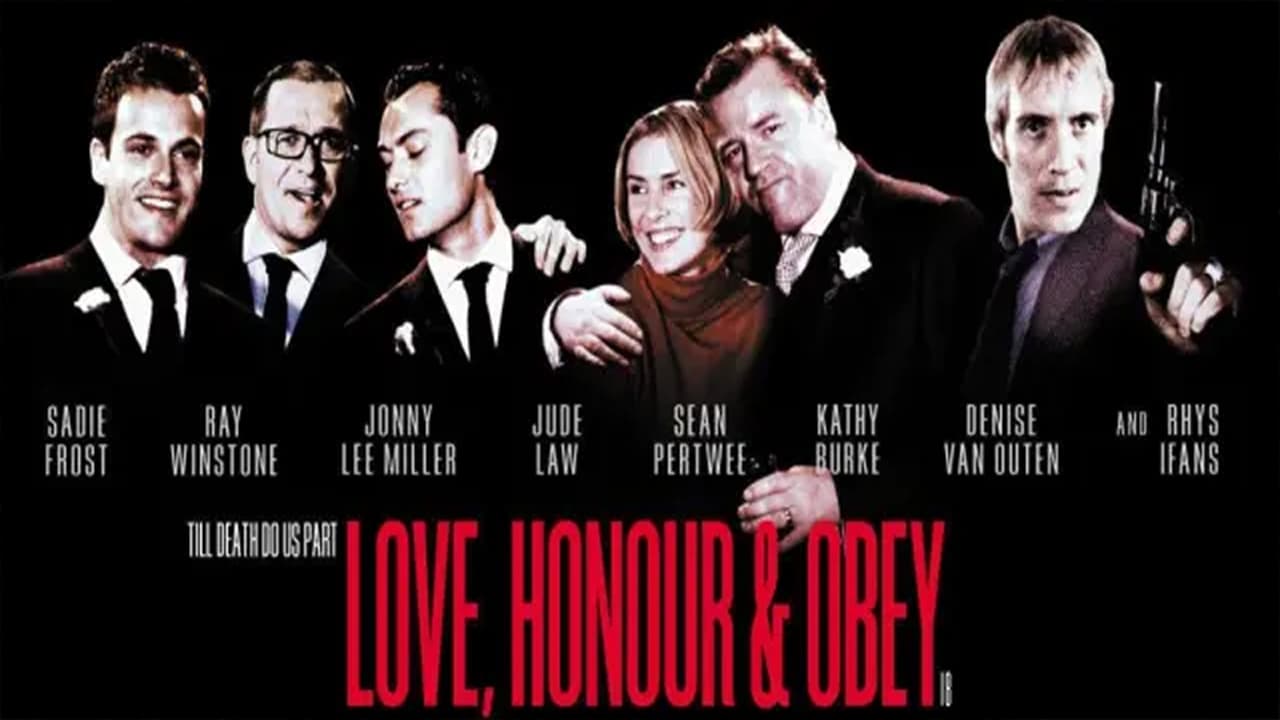
What makes Love, Honour and Obey such a fascinating time capsule – and perhaps its defining characteristic – is the cast. Seeing Miller, Law, Sadie Frost (as Ray’s tough but conflicted wife, Sadie), Pertwee, and even Rhys Ifans (in a truly bizarre turn as Matthew, one of Ray’s oddball enforcers) all together feels like gatecrashing a very specific, very '90s London party. There's an undeniable, slightly meta-textual layer here; this group, often dubbed the 'Primrose Hill set' in the tabloids of the era, are essentially playing heightened, rougher versions of gangster archetypes.
Does it always work? Not quite. The film famously relied heavily on improvisation, a gamble that yields mixed results. Sometimes, it sparks genuine comedic chemistry – little moments of banter or awkwardness feel authentic because, well, they probably were. Miller nails Jonny's almost childlike eagerness to impress, a dangerous innocence in a world he doesn't understand. Law oozes charisma as the flashy, slightly unhinged Jude, a role that hints at the darker complexities he’d explore later. Frost brings a weary gravity to Sadie, caught between loyalty and exasperation. I distinctly remember renting this back in the day, probably from Blockbuster, expecting another slick Guy Ritchie clone, and being utterly baffled – yet strangely captivated – by its shambling, often surreal energy.
### When Karaoke Meets Carnage
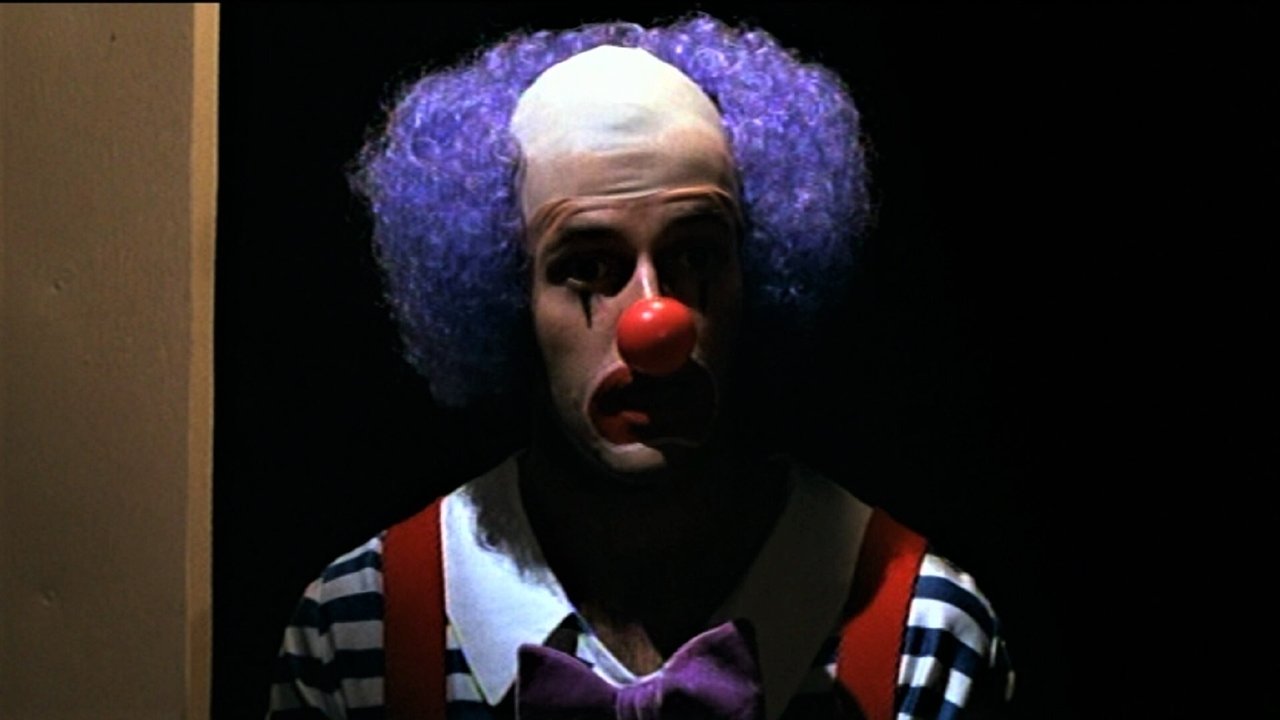
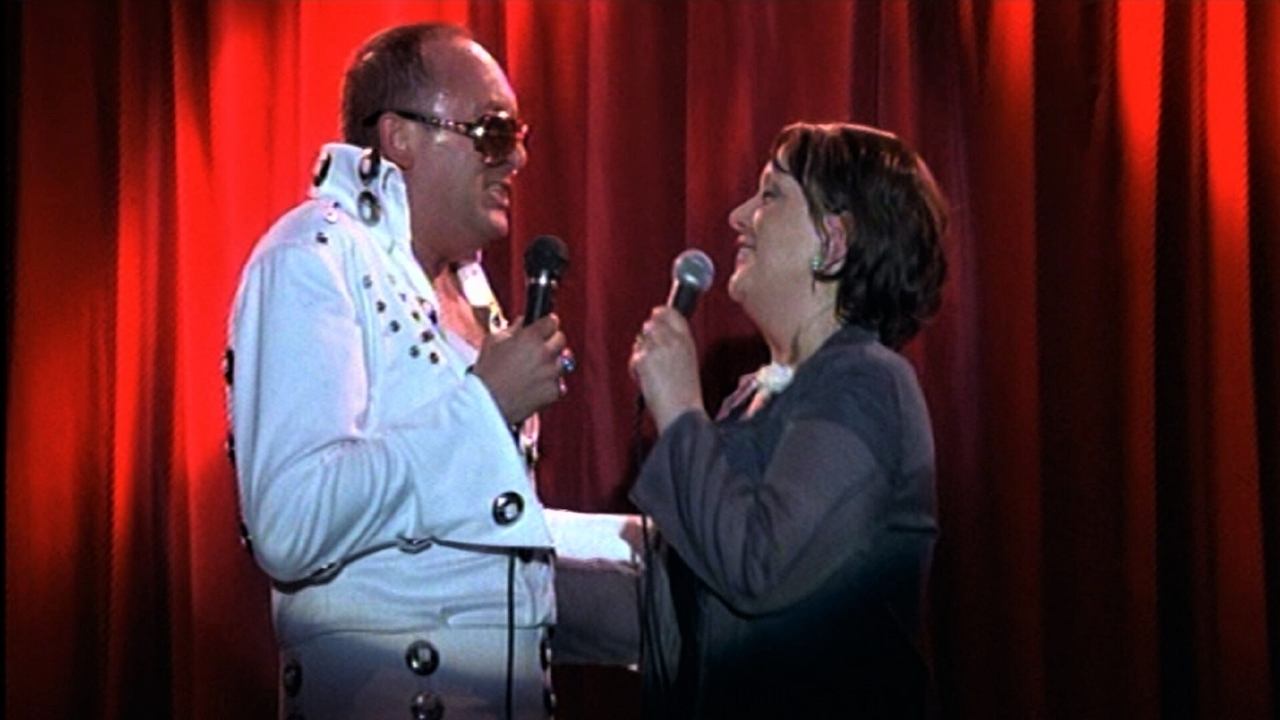
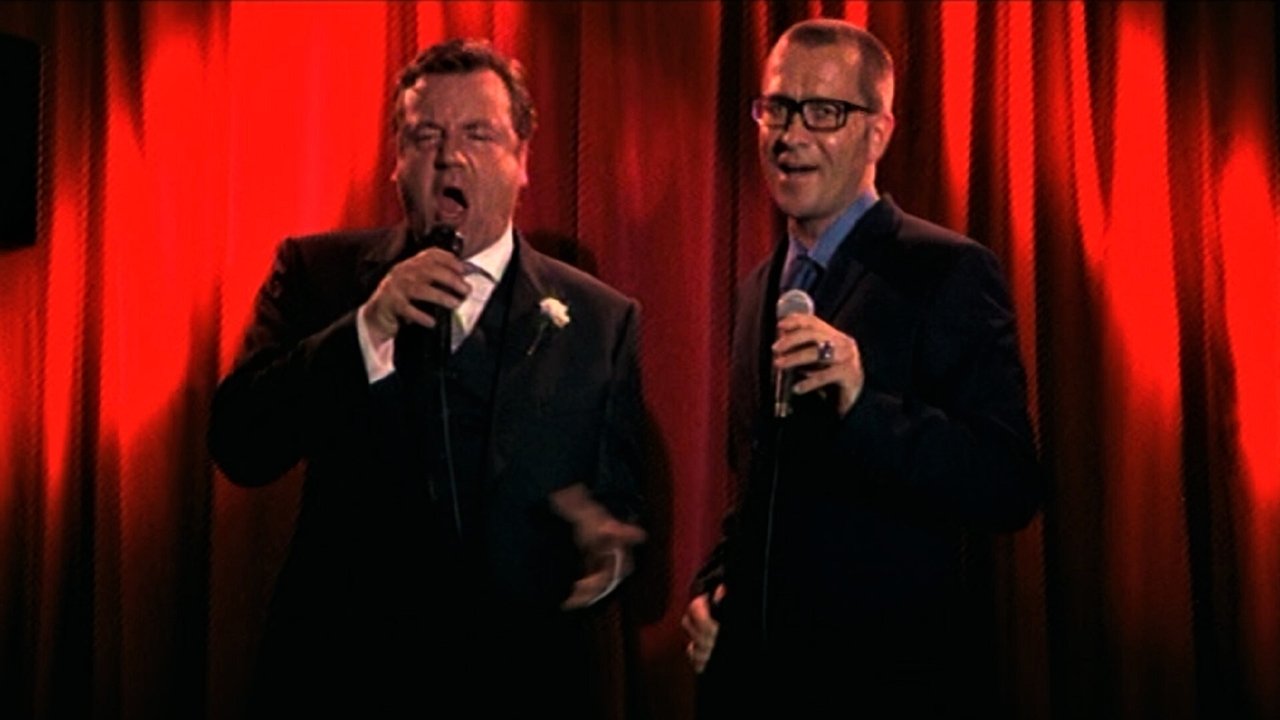
And surreal it often is. The film lurches between moments of surprising violence and scenes of pure, unadulterated silliness. The infamous karaoke sequences, where hardened gangsters belt out cheesy tunes with deadly seriousness, are perhaps the film's most memorable and divisive element. Are they genius moments of bathos, highlighting the mundane absurdity beneath the tough exteriors? Or just indulgent padding? Honestly, watching it again now, I lean towards the former. They puncture the gangster mythos in a way few other films dared to at the time. Rhys Ifans' character, Matthew, with his inexplicable martial arts moves and odd pronouncements, feels like he wandered in from a different, far weirder movie, yet somehow fits the film's off-kilter rhythm.
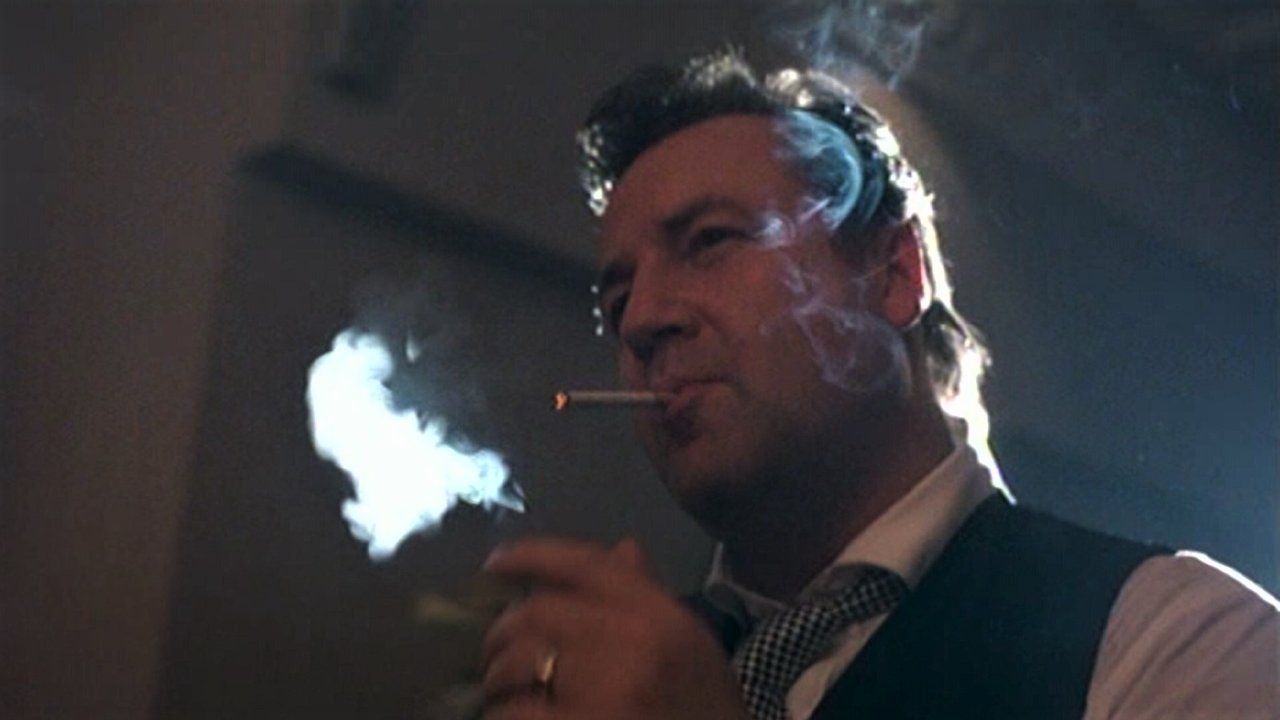
Crucially, anchoring all this madness is Ray Winstone. He plays Ray not as a caricature, but as a tired, middle-aged boss dealing with idiots, simmering rage, and the sheer headache of it all. His performance provides the necessary weight, a believable centre around which the more cartoonish elements can orbit. Without Winstone’s grounded presence, the whole thing might have floated away entirely. It's a testament to his skill that he can deliver lines about serious criminal business one minute, and look utterly bewildered by a karaoke choice the next, making both feel part of the same believable character.
### A Product of Its Time?
Looking back, Love, Honour and Obey feels like both a reaction to, and a casualty of, the post-Lock, Stock and Two Smoking Barrels (1998) British crime wave. It tries to subvert the 'cool gangster' trope by leaning into the inherent foolishness and banality of the life, but its loose structure and improvised nature meant it lacked the slick plotting and quotable dialogue that made Ritchie’s films such phenomena. It didn’t achieve huge box office success (reportedly grossing only around £1.4 million in the UK against its budget), and critical reception was decidedly mixed, often finding it uneven or self-indulgent.
Yet, there's a certain charm to its messiness. It feels authentic in its portrayal of male friendships (albeit toxic ones) and the strange blend of menace and mundanity. It captures a specific moment in British film, a snapshot of actors on the cusp of bigger things, mucking about in a genre picture that refuses to take itself too seriously. It’s not aiming for profundity, but it does ask, perhaps unintentionally, what happens when the fantasy of a 'cooler' life crashes headfirst into bleak, often ridiculous, reality.
Rating: 6/10
Justification: While the heavy improvisation leads to an uneven pace and some scenes that outstay their welcome, the core performances, particularly from Winstone, Miller, and Law, are engaging. Its willingness to embrace absurdity, especially the karaoke scenes, gives it a unique, cultish flavour that stands out from the more generic gangster fare of the era. It's flawed, rambling, and often downright weird, but there’s an undeniable, scruffy charm and a sense of fun peeking through the mockney posturing.
Final Thought: It's a chaotic curiosity, a time capsule of turn-of-the-millennium London talent letting loose. Not quite a forgotten masterpiece, but a unique, often funny, and strangely endearing oddity definitely worth digging out of the virtual bargain bin if you fancy a gangster flick that swaps sharp suits for questionable shell suits and brooding stares for baffling karaoke choices. What lingers most isn't the plot, but the strange, slightly awkward feeling of watching famous friends play dress-up, with occasionally dangerous results.