Okay, rewind time. Picture this: it’s the turn of the millennium, DVD is starting to elbow its way onto the shelves, but the humble VHS is still clinging on. You’re scanning the new releases at Blockbuster, maybe grabbing some popcorn, and you spot a familiar face – John Travolta, still riding high on his 90s comeback wave – paired with Lisa Kudrow, America’s quirky sweetheart from Friends. And it’s directed by Nora Ephron, the queen of warm-fuzzy rom-coms like Sleepless in Seattle (1993)? Seems like a slam dunk, right? Then you pop in the tape for Lucky Numbers (2000), and things get… weird. Gloriously, awkwardly, fascinatingly weird.
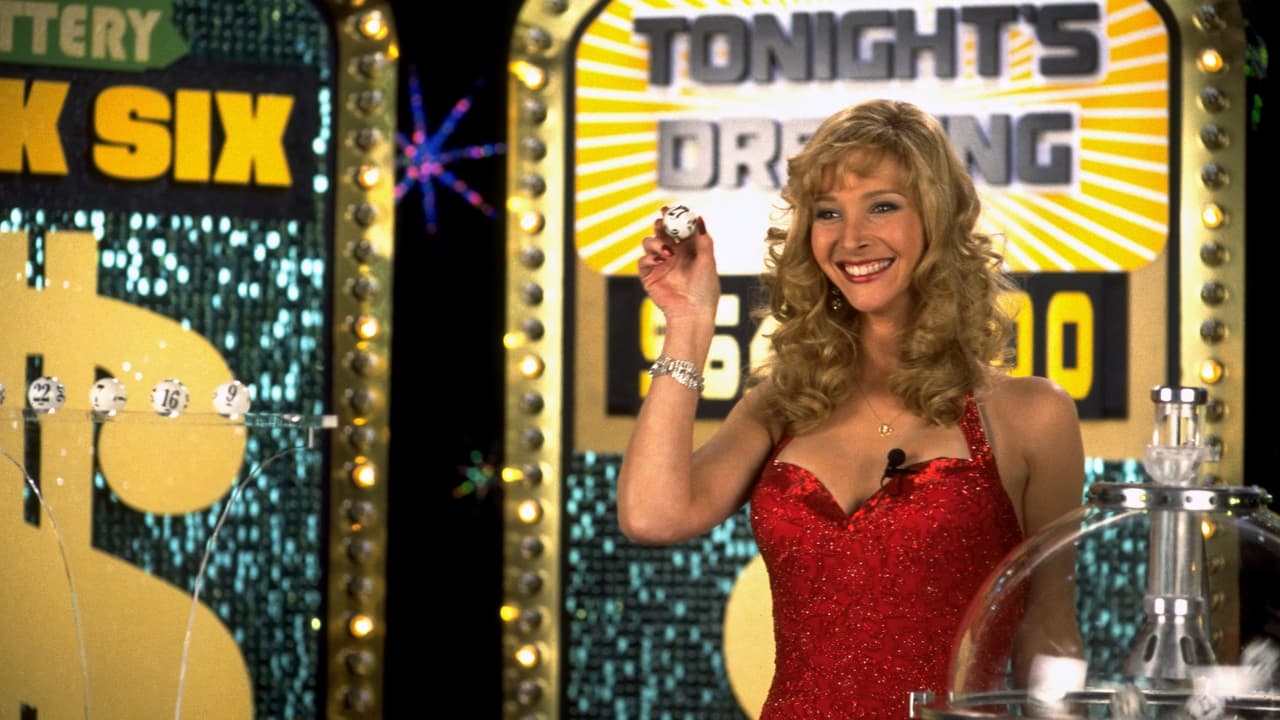
This wasn't your typical Ephron comfort food. Lucky Numbers is a darker, shaggier beast altogether, a black comedy crime caper that feels more indebted to the Coen Brothers than anything Meg Ryan ever starred in. It dives headfirst into the slightly greasy, perpetually overcast world of Harrisburg, Pennsylvania, home to Russ Richards (John Travolta), a local TV weatherman whose celebrity ego far outweighs his actual fame and, crucially, his dwindling bank account.
When Good Fortunes Go Bad
Travolta absolutely commits to Russ's preening self-absorption and simmering desperation. He’s got the local celebrity schmooze down pat, but when an unusually warm winter tanks his snowmobile dealership (a truly inspired detail), his world starts collapsing. It's this desperation that leads him into a harebrained scheme to rig the state lottery, aided by the station's cynical lottery ball girl, Crystal Latroy (Lisa Kudrow), and her even shadier cousin Walter (Michael Rapaport). Kudrow is brilliant here, weaponizing her trademark flaky persona into something sharper, more calculating, and delightfully amoral. She’s no Phoebe Buffay; Crystal sees an opportunity and grabs it with both hands, even if those hands are metaphorically covered in Cheeto dust.

The script, penned by Adam Resnick (the wonderfully strange mind behind the cult classic Cabin Boy (1994) and a writer for David Letterman), crackles with a specific kind of deadpan absurdity and low-level sleaze. You can almost feel the tension between Resnick's darker, weirder instincts and perhaps Nora Ephron's attempt to corral it into something resembling her usual fare. In fact, this was Ephron's first R-rated film, a significant departure. Rumor has it Resnick wasn't exactly thrilled with the final product, feeling it perhaps sanded off too many of his script's rough edges. But honestly, that slight tonal wobble is part of what makes Lucky Numbers so strangely compelling decades later.
The Dominoes Start Falling
Forget slick, high-tech heists. This is pure small-town incompetence spiraling into chaos. The joy (and cringe) comes from watching these fundamentally flawed people try to pull off something way beyond their capabilities. Every step forward leads to two disastrous steps back, pulling in increasingly dangerous characters like Gig (Tim Roth), a legitimately threatening but hilariously pragmatic strip club owner who smells money. Roth dials up the sleaze factor but finds genuine laughs in Gig's blunt assessments of the unfolding mess. Remember Ed O'Neill as Dick Simmons, the station manager? He brings his perfect slow-burn exasperation to the party, too.
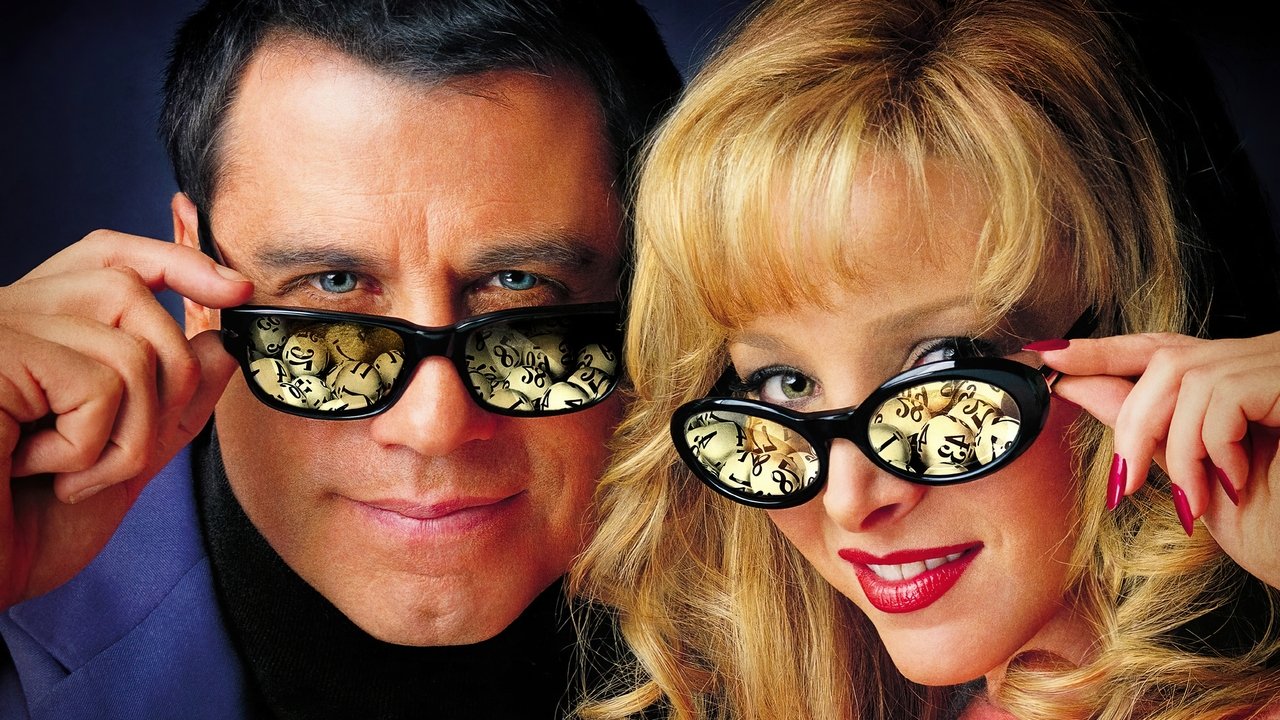
The "action," such as it is, isn't about car chases (though there's a bit of frantic driving); it's about the frantic energy of trying to keep the lies straight, dispose of inconvenient witnesses (often accidentally), and generally flail against the rising tide of their own stupidity. It feels grounded in a very late-90s/early-2000s kind of way – no fancy CGI, just people making increasingly bad decisions in poorly lit rooms. There’s a tactile reality to the mess they create. It’s worth noting the film was inspired by a real-life lottery rigging scandal in Pennsylvania back in 1980, known as the "Triple Six Fix," which adds a layer of bizarre truth is stranger than fiction. Filming on location in and around Harrisburg itself definitely adds to that authentic, slightly down-at-heel atmosphere.
A Broadcast Failure, A Cult Curiosity
Here's the kicker: despite the star power and Ephron's track record, Lucky Numbers absolutely tanked at the box office. We're talking a budget reportedly around $63 million and a worldwide gross of just under $11 million. Ouch. Critics were largely unkind too, finding the tone uneven and the humor too dark or just plain off. Audiences expecting another You've Got Mail (1998) were likely baffled, while those seeking a truly edgy black comedy might have found it too restrained.
But seen now, removed from those initial expectations, it plays like a fascinating curio. It’s a collision of talent trying something unexpected, resulting in a film that’s funnier and more interesting than its reputation suggests. It captures that specific turn-of-the-century moment, before everything got quite so polished, when a major studio could still release something this tonally quirky, even if they didn’t quite know how to sell it. Finding this on a dusty shelf felt like unearthing a secret history – the time Nora Ephron went dark(ish).

VHS Heaven Rating: 6.5/10
The Verdict: Lucky Numbers isn't a lost masterpiece, but it’s far from the disaster its box office numbers imply. Travolta and Kudrow are game, the premise is darkly funny, and its status as an oddball entry in Nora Ephron's filmography makes it intriguing. The humor is definitely an acquired taste, and the pacing sometimes wobbles, keeping it from true greatness. However, the core performances and the sheer audacity of the flawed characters make it worth digging out.
Final Thought: It’s the kind of gloriously messy, star-studded misfire that probably wouldn’t even get made today – a perfect relic from the era when studios occasionally rolled the dice on something strange, even if the numbers didn't add up.