Okay, pop that tape in, maybe fast-forward through the trailers… remember doing that? You hit play on Cadillac Man (1990), maybe expecting a straightforward Robin Williams comedy vehicle. What you got instead was something… else. Something frantic, funny in a squirming kind of way, and simmering with a desperation that felt uniquely of its time, a snapshot of late-80s excess teetering on the brink. This wasn't just another salesman movie; this was a pressure cooker threatening to blow its gasket right there on the showroom floor.
### Hustle, Sweat, and Panic
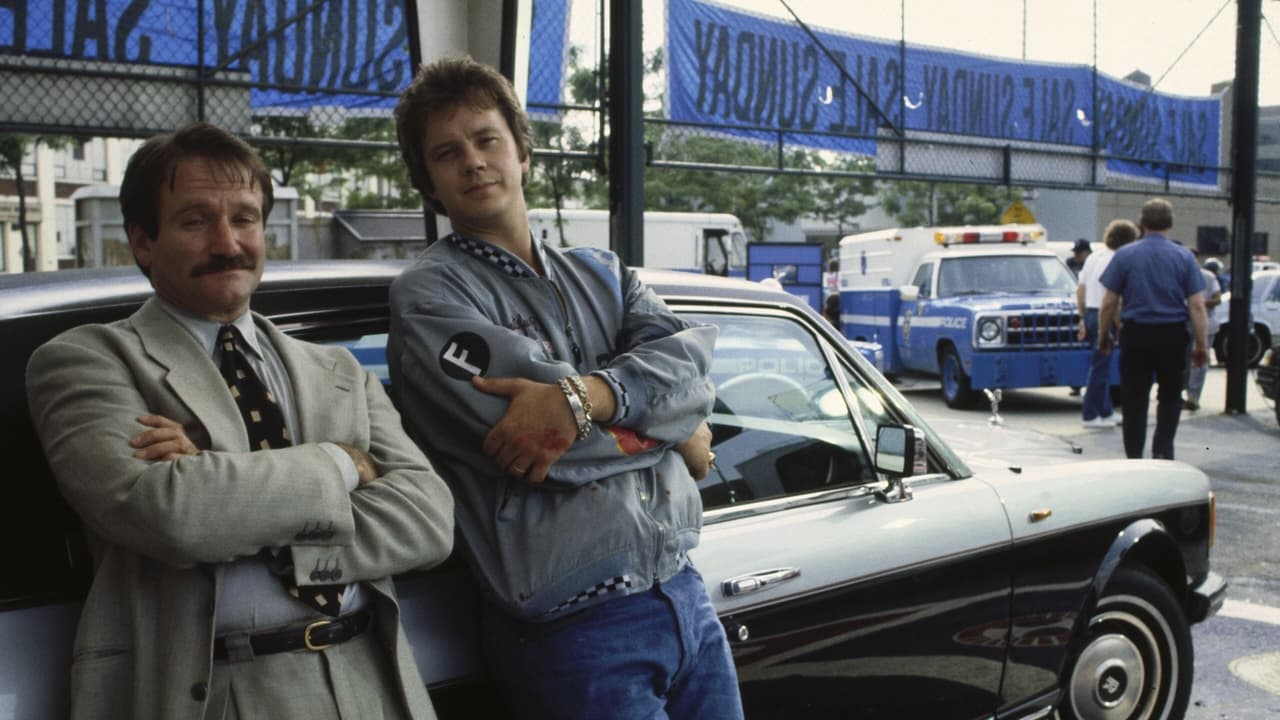
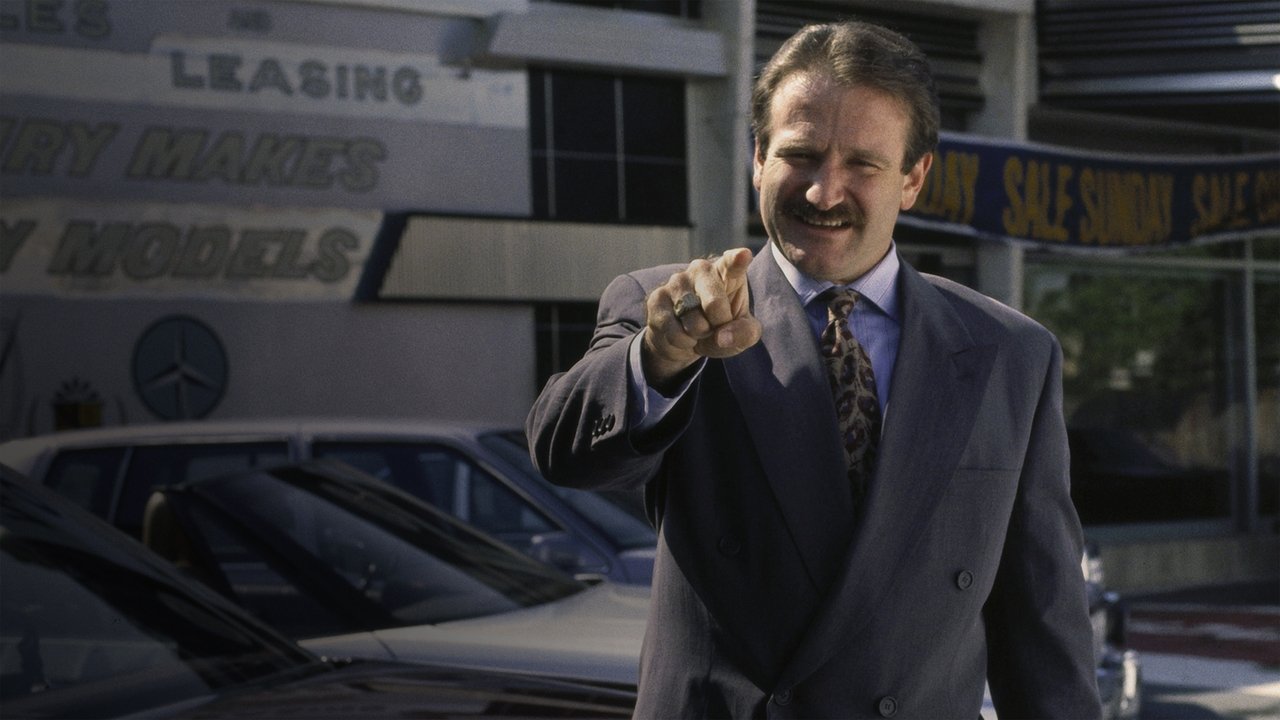
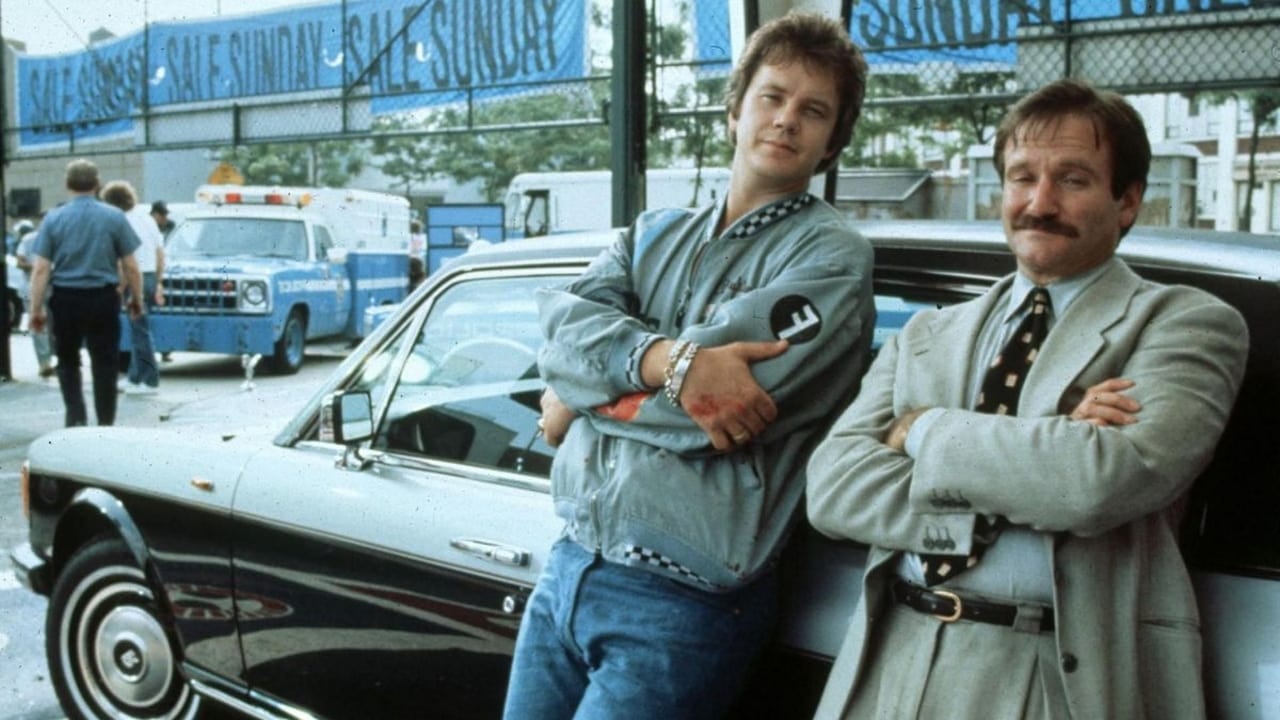
Robin Williams stars as Joey O'Brien, a fast-talking Queens car salesman whose life is unraveling faster than a cheap suit in the rain. He's juggling two demanding mistresses (including a fiery Fran Drescher pre-Nanny), dodging calls from his ex-wife (Pamela Reed, sharp and grounded as ever), dealing with a daughter who's gone missing, and – oh yeah – facing a looming deadline from a local mobster he owes money to. Williams, known often for manic energy channeled into pure comedy (Good Morning, Vietnam) or heartfelt drama (Dead Poets Society), weaponizes that energy here as pure, unadulterated panic. Joey is charming, yes, but it’s the charm of a cornered animal, constantly spinning lies, promises, and deals just to stay afloat for another five minutes. You feel the sweat on his brow, the desperation in his mile-a-minute patter. It’s a performance that intentionally keeps you off-balance.
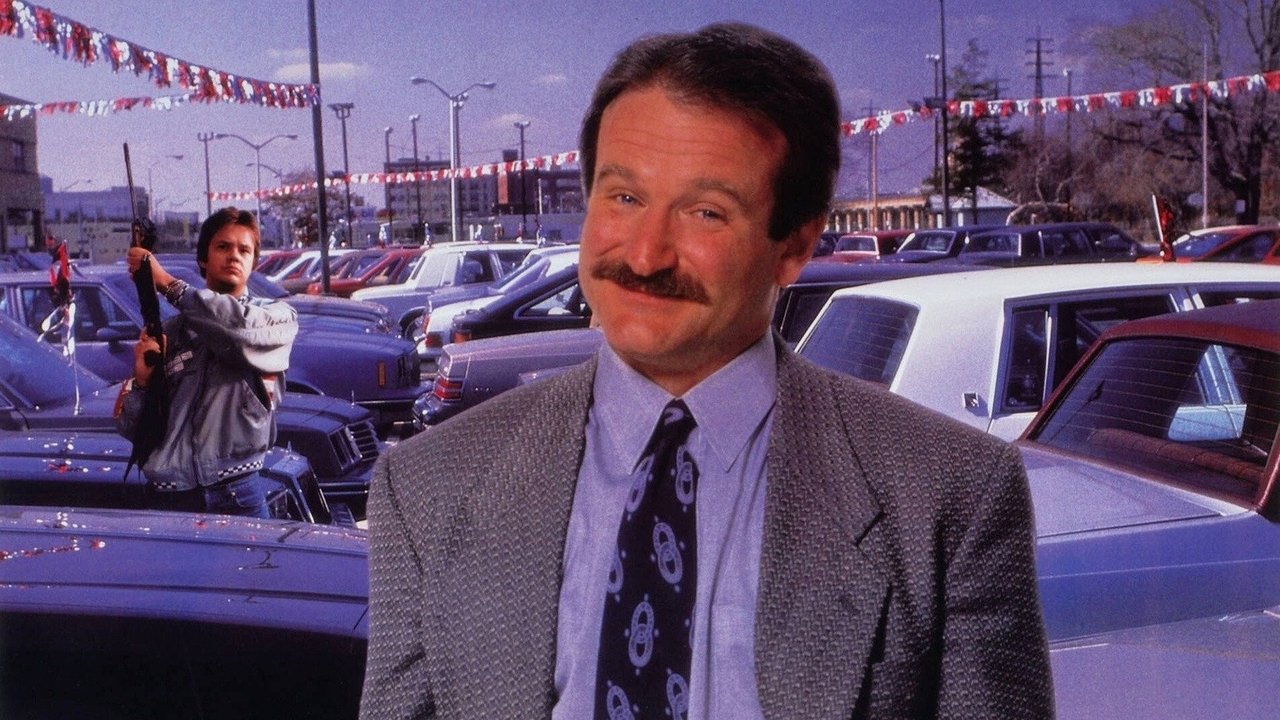
The film really kicks into high gear, though, when Larry, played with unnerving intensity by Tim Robbins, storms into the Turgeon Auto dealership. Larry believes his wife is cheating on him with someone inside, and he's armed, dangerous, and tragically out of his depth. Suddenly, Joey’s relatively mundane (if chaotic) problems are overshadowed by a full-blown hostage crisis. This is where director Roger Donaldson, who gave us the taut thriller No Way Out (1987), really cranks the tension. Donaldson actually took over directing duties fairly late in the game after another director departed – a bit of behind-the-scenes trivia that perhaps mirrors the film's own chaotic energy.
### The Showroom Siege: Pre-CG Claustrophobia
Forget glossy, digital mayhem. The "action" in Cadillac Man is raw, messy, and claustrophobic. It’s the palpable fear in the hostages' eyes, the unpredictable swings of Larry's shotgun, the increasingly desperate negotiations led by Joey, who sees this crisis, unbelievably, as another deal to close. Remember how real those moments felt back then? No slick CGI crowds or digital de-aging, just actors sweating under the lights in a real car dealership – reportedly filmed on location in Queens, New York, adding to that gritty authenticity. The tension comes from the performances and the situation itself. Tim Robbins, fresh off Bull Durham (1988) and before his iconic turn in The Shawshank Redemption (1994), is genuinely frightening here. He’s not a calculating villain; he’s a heartbroken, volatile man pushed past his limit, making him arguably more dangerous. His interactions with Williams crackle with unpredictable energy.
It’s fascinating how the film tries to balance this life-or-death scenario with dark comedy. Sometimes it works, highlighting the absurdity of Joey trying to sell cars even with a gun pointed nearby. Other times, the tonal shifts can feel a bit jarring, like watching two different movies spliced together. Yet, this awkward blend is also part of its weird charm, a reflection, perhaps, of the messy reality it's portraying. Orion Pictures, the studio behind Cadillac Man, was actually facing significant financial difficulties around this time, eventually filing for bankruptcy in 1991. Maybe that sense of looming disaster seeped into the film's DNA?
### More Than Just Williams
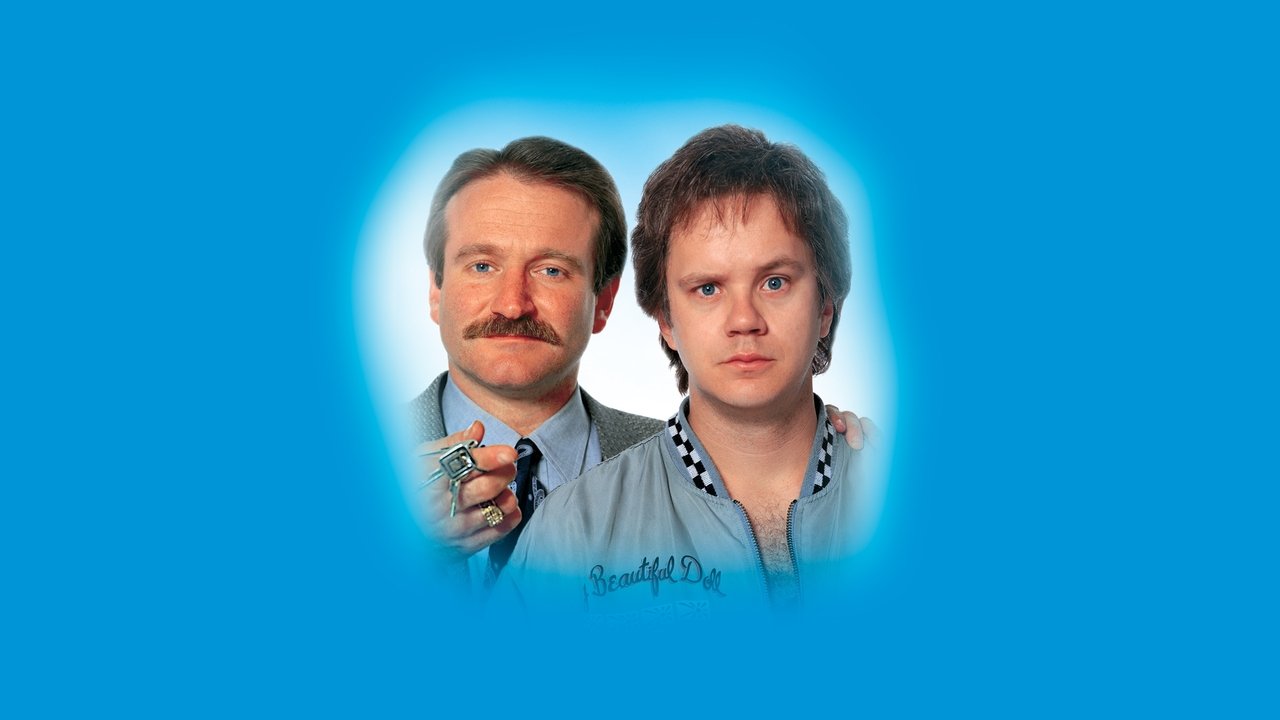
While Williams is undeniably the frantic center, the supporting cast is terrific. Pamela Reed brings necessary gravity as Joey’s long-suffering ex-wife, Tina. You see why Joey might still be hung up on her; she's the anchor he desperately needs but constantly pushes away. And the dealership itself is populated by a rogue's gallery of character actors, each adding their own flavour to the pressure cooker environment – a microcosm of everyday workplace rivalries suddenly thrown into sharp, dangerous relief. The screenplay by Ken Friedman gives these smaller roles moments to shine amidst the chaos. The film didn't exactly set the box office on fire upon release (grossing around $27 million against its budget), and critical reaction was decidedly mixed, often pointing out those tonal inconsistencies. But like so many films from the VHS era, it found a second life on home video, becoming one of those memorable oddities you'd stumble upon late at night.
### Legacy of a Sales Pitch Gone Wrong
Cadillac Man isn't a perfect film. Its blend of dark comedy and hostage thriller sometimes clashes, and Joey O'Brien isn't always the easiest character to root for (that’s kind of the point). But it’s anchored by powerhouse performances, particularly from Williams operating outside his usual comfort zone and a genuinely terrifying Robbins. It captures a specific kind of late-capitalist anxiety, the desperation bubbling beneath the slick surface of the American Dream, all filtered through the lens of a truly bizarre Tuesday afternoon at a car dealership.
VHS Heaven Rating: 7/10
Justification: The film earns its points for Robin Williams' complex, uncomfortable performance, Tim Robbins' chilling turn, and the genuinely tense, pre-digital claustrophobia of the hostage situation. It captures a unique, darkly comic energy. Points are deducted for the sometimes jarring tonal shifts and a script that occasionally feels unsure of what it wants to be. However, its ambition and memorable central conflict make it a fascinating watch.
Final Thought: Cadillac Man is a frantic, flawed, but unforgettable time capsule – a high-stakes sales pitch where the product is survival, delivered with that uniquely raw, unpredictable energy we often found tucked away on those Blockbuster shelves. It’s a reminder that sometimes the most intense action doesn’t need explosions, just desperation and a loaded shotgun in a confined space.