It's funny how some films arrive not with a bang, but with a quiet, almost apologetic shuffle. They don't dominate the multiplex or the cultural conversation immediately. Instead, they find their way onto the 'New Releases' shelf at the video store, maybe rented on a whim, watched on a quiet Tuesday night. Wes Anderson's 1996 debut, Bottle Rocket, feels exactly like one of those films – a small, unassuming package containing the seeds of something extraordinary. Watching it again now, decades later, feels less like revisiting a blockbuster and more like uncovering a cherished, slightly faded photograph of friends just starting out, full of earnest, misguided ambition.
The 75-Year Plan
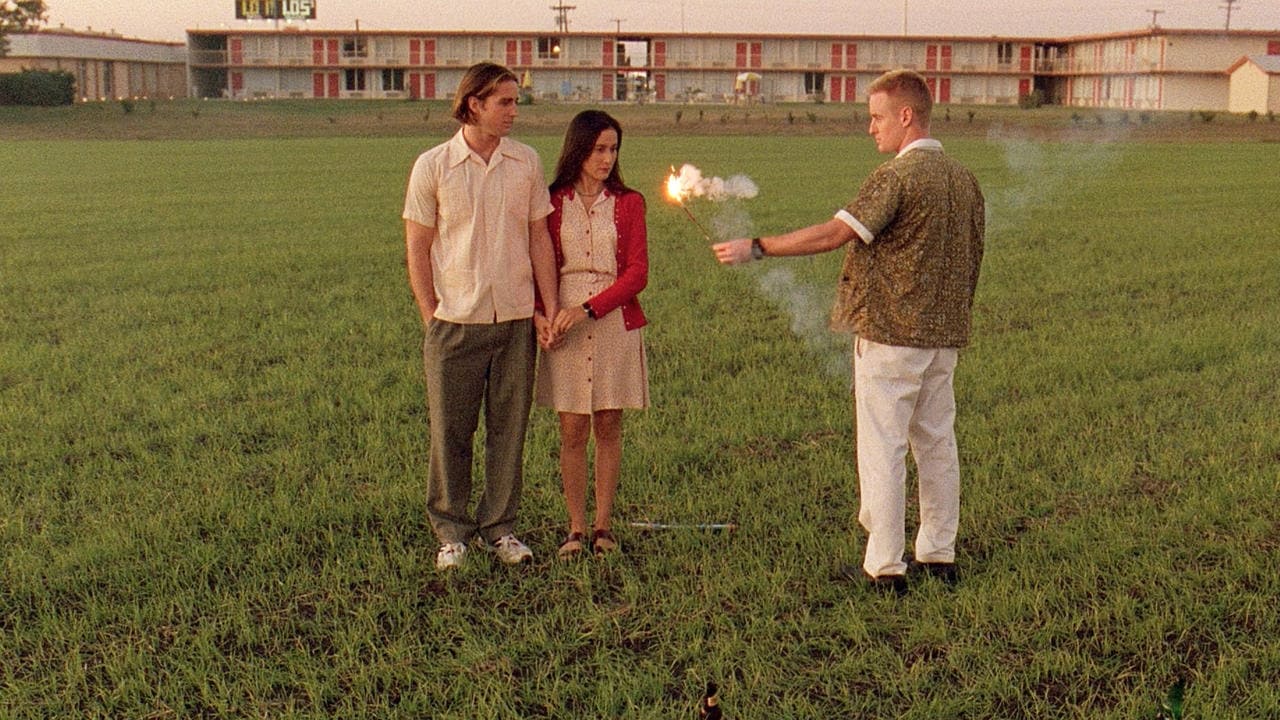
The premise, penned by Anderson and star Owen Wilson, is deceptively simple: Anthony Adams (Luke Wilson, in his own gentle debut) checks himself out of a voluntary psychiatric hospital, only to be immediately swept up by his hyperactive best friend, Dignan (Owen Wilson). Dignan, armed with boundless enthusiasm and a meticulously detailed, spiral-bound notebook outlining a "75-Year Plan," intends for them to become master criminals. They recruit their perpetually bewildered neighbor Bob Mapplethorpe (Robert Musgrave) as a getaway driver, despite Bob having access only to his mother’s sensible sedan. What follows isn't a slick heist movie, but a meandering, often poignant, journey through half-baked robberies, unexpected romance (Anthony falls for motel maid Inez, played with quiet grace by Lumi Cavazos), and the crushing weight of reality threatening to derail Dignan's grand, naive vision.
Finding a Voice, Frame by Frame
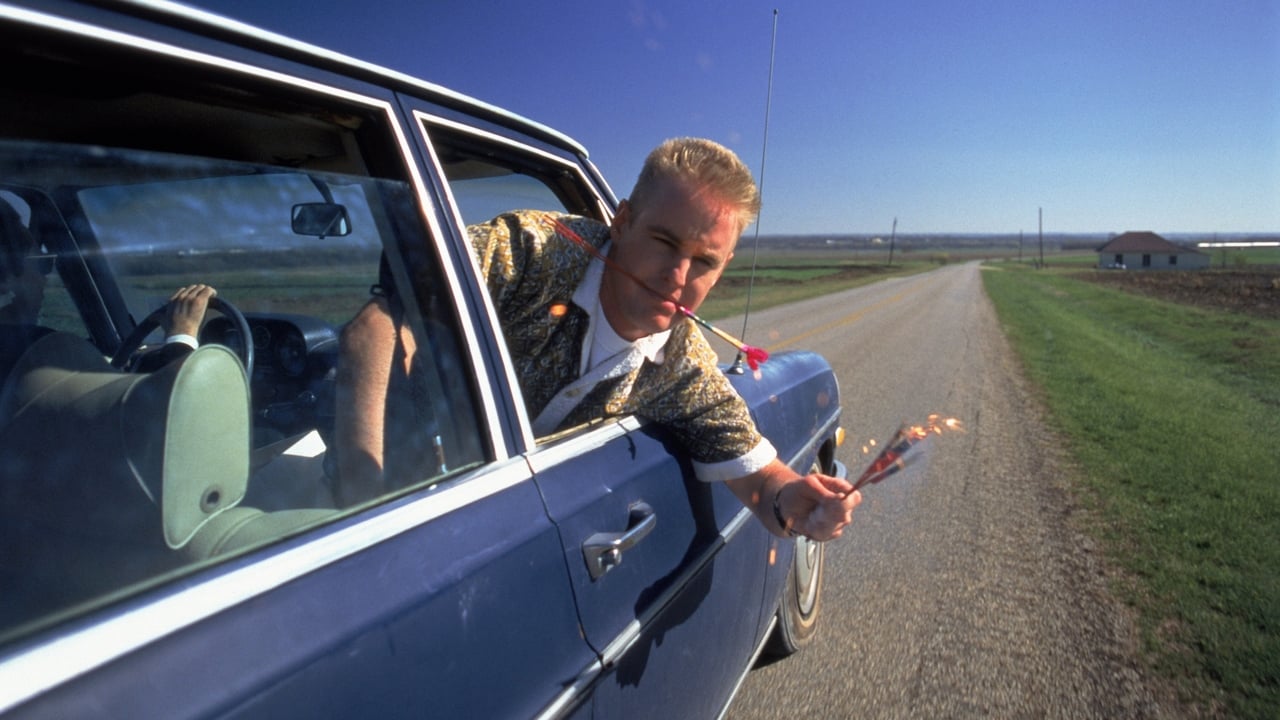
Even in this nascent stage, the Wes Anderson we know today is undeniably present, albeit in sketch form. The symmetrical compositions are starting to emerge, the curated colour palette feels deliberate (if less saturated than his later work), and the dialogue possesses that distinct rhythm – slightly formal, unexpectedly sincere, capable of generating humor from understatement rather than punchlines. It’s fascinating to see these stylistic seeds planted. Anderson, along with Owen Wilson, crafts characters who feel simultaneously absurd and deeply human. Dignan isn't just a comic fool; his unwavering belief in his flawed plans carries a genuine pathos. Anthony’s weary resignation grounds the film, providing the audience surrogate navigating this oddball world. We see the director learning his craft, experimenting with tone, finding that delicate balance between quirky comedy and underlying melancholy that would become his trademark. The score by Mark Mothersbaugh (of Devo fame, who would become a regular Anderson collaborator) perfectly complements this, adding layers of wistful charm.
The Accidental Outlaws
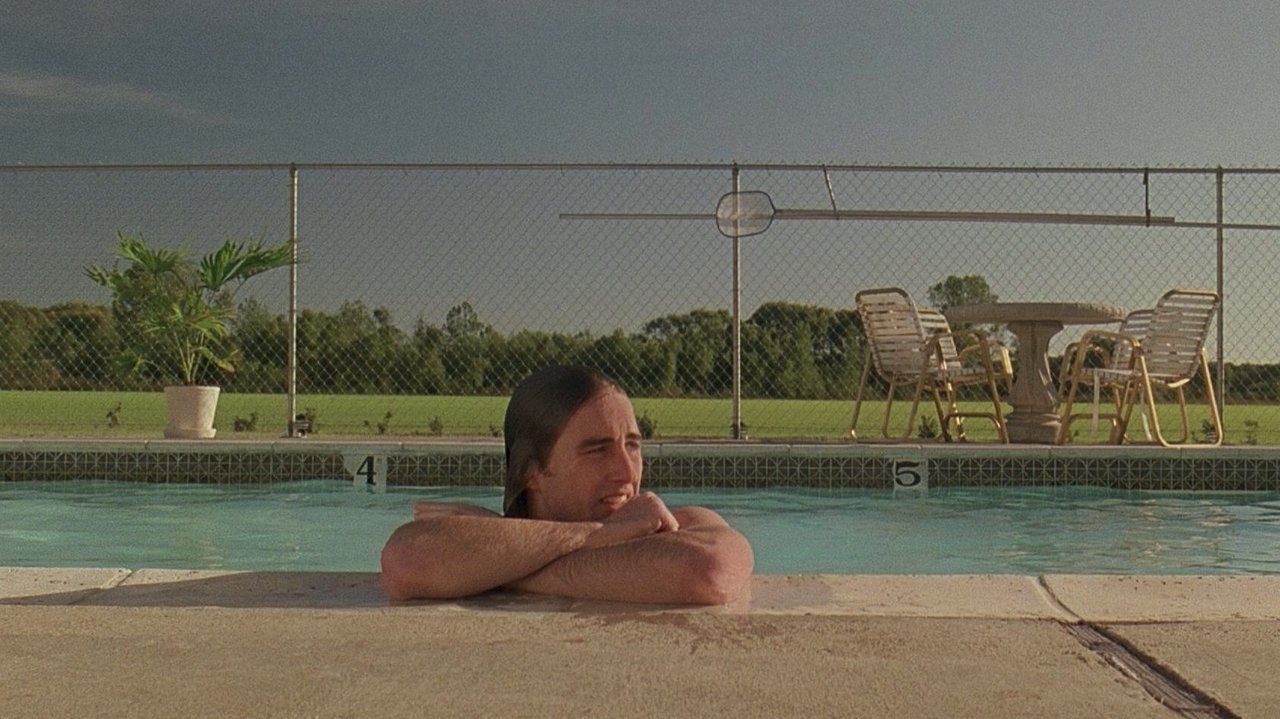
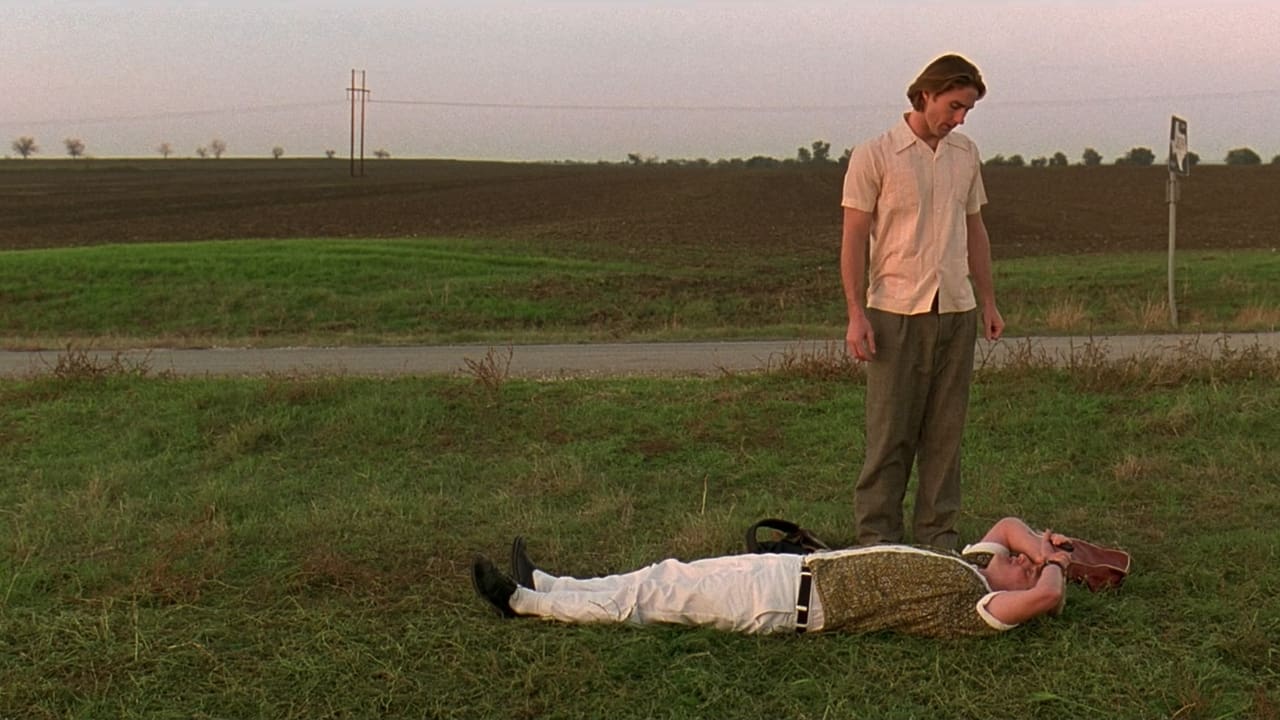
The performances are key to Bottle Rocket's enduring appeal. Luke Wilson delivers a performance of remarkable stillness and observation; Anthony is the quiet center around which the chaos revolves. His budding relationship with Inez provides the film's most genuinely tender moments, a gentle counterpoint to Dignan's manic energy. And Owen Wilson? He is Dignan. It’s a star-making turn bursting with misplaced confidence, endearing loyalty, and a palpable desperation to achieve something, even if that something is utterly ridiculous. You can see the actor and writer shaping this character from the inside out. Robert Musgrave as Bob is the perfect third wheel, his deadpan reactions and quiet suffering adding another layer of comedic texture. Their interactions feel authentic, capturing the specific, often frustrating, dynamics of long-term friendship.
From Short Fuse to Cult Spark
It's almost impossible to discuss Bottle Rocket without mentioning its origins. It famously began as a 13-minute black-and-white short film that caught the eye of legendary producer-director James L. Brooks (Terms of Endearment (1983), Broadcast News (1987)) at the Sundance Film Festival. Brooks championed the project, securing funding (a relatively modest $5-7 million) for Anderson and the Wilsons to expand it into a feature. Filmed primarily around Dallas, Texas, the production itself sounds like it mirrored the film's own hopeful, slightly scrappy energy. Yet, upon release, Bottle Rocket fizzled at the box office, barely making back a tenth of its budget. It seemed destined for obscurity. But then, something wonderful happened – the VHS effect. Word-of-mouth spread, rentals increased, and notable figures like Martin Scorsese declared it one of the best films of the 1990s. It became a classic example of a film finding its devoted audience long after leaving theaters, a true cult gem discovered on home video. Doesn't that feel like the perfect trajectory for a story about underdogs dreaming big?
More Than Just Quirky Dreams
Beneath the idiosyncrasies and gentle laughs, Bottle Rocket touches on something quite profound about friendship, ambition, and the painful gap between the lives we imagine and the ones we actually live. Dignan's elaborate plans are, in essence, a desperate attempt to impose order and meaning onto a messy world. Anthony's quiet melancholy speaks to a disillusionment that feels achingly real. What makes these characters stick with you isn't their competence (they have none) but their vulnerability and their unwavering, if misguided, loyalty to each other. The film asks us, subtly, to consider what truly holds friendships together, especially when dreams begin to fray at the edges.

Rating: 8/10
Bottle Rocket earns this score not because it's a flawless technical masterpiece, but because it possesses a unique, heartfelt charm and serves as a fascinating, beautifully realized blueprint for one of modern cinema's most distinctive voices. Its low-key rhythm and occasionally meandering plot might not grab everyone immediately, but the sincerity of the performances, the burgeoning directorial style, and the bittersweet exploration of friendship make it deeply rewarding. It captures the feeling of being young, directionless, and convinced that the next ludicrous scheme is the one that will finally make everything click.
It’s a reminder that sometimes the most resonant stories aren't the loudest explosions, but the quiet pops of potential, captured on tape and waiting to be discovered.