Alright, settle in, grab your beverage of choice, and let’s rewind the tape to the year 2000. Remember the buzz? The Farrelly brothers, Peter and Bobby, were still riding high off the absolute cultural phenomenon that was There's Something About Mary (1998), and Jim Carrey was arguably the biggest comedy star on the planet. The anticipation for their reunion, Me, Myself & Irene, was palpable. You just knew finding this one on the New Release shelf at Blockbuster meant your weekend was about to get weird, wild, and probably involve explaining some questionable jokes to anyone watching with you.
Carrey Unleashed: Meet Charlie... and Hank
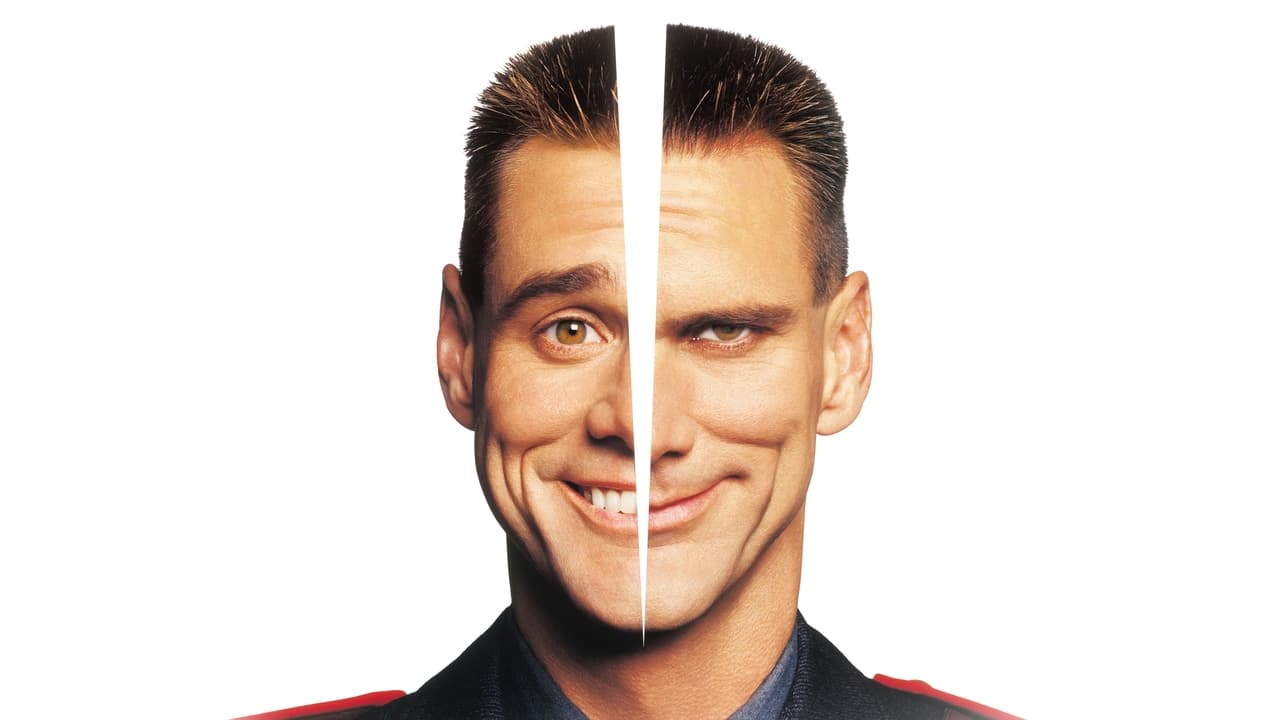
The premise alone felt like classic, high-concept 90s Carrey, even pushing into the new millennium: Charlie Baileygates is a pathologically nice Rhode Island state trooper, a total doormat whose repressed rage finally boils over, manifesting as a vulgar, aggressive, hyper-confident alter ego named Hank. It’s Dissociative Identity Disorder played for laughs, a concept that feels... well, let's just say it was a different time. But divorce the premise from modern sensibilities for a moment and focus on the performer. Jim Carrey throws himself into this dual role with the kind of gonzo physical commitment that defined his peak. The switch between meek Charlie and swaggering Hank isn't just vocal; it's a full-body transformation – posture, facial tics, that terrifyingly confident leer. Forget CGI; Carrey was the special effect, contorting himself in ways that still make you wince and chuckle simultaneously. I recall watching this back then, marveling at how he could flip that switch so completely. It felt less like acting and more like controlled comedic epilepsy.
The Farrelly Formula: Gross-Outs and Heart?
This is pure, uncut Farrelly brothers territory. Fresh off Dumb and Dumber (1994) and Mary, they brought their signature blend of shocking gross-out gags, surprisingly sweet (if sometimes buried) sentimentality, and a penchant for politically incorrect humor that pushed the R-rating envelope hard. Remember the cow scene? Or the unconventional use of a chicken? They mined comedic gold from places most filmmakers wouldn't dare tread. Retro Fun Fact: The Farrellys often shoot loads of footage and find the movie in the editing room, sometimes leading to slightly uneven pacing but also capturing unexpected comedic moments. Their Rhode Island roots are also proudly on display, with much of the film shot in their home state and neighboring Vermont, giving it that specific East Coast flavour. They even managed to weave in their obsession with the band Steely Dan, making the soundtrack instantly recognizable to fans.
A Road Trip Gone Wrong (Or Right?)
The plot kicks into gear when Charlie/Hank has to escort the lovely Irene Waters (Renée Zellweger, fresh off Jerry Maguire and finding her comedic footing) across the country. Naturally, corrupt cops and Irene's shady ex are hot on their trail, turning it into a chaotic road trip comedy with shades of action. Zellweger does admirable work as the (mostly) straight woman reacting to the escalating madness, grounding the film amidst Carrey's whirlwind performance. And let's not forget Charlie's brilliant, Mensa-level sons Jamaal, Lee Harvey, and Shonté Jr. (played hilariously by Anthony Anderson, Mongo Brownlee, and Jerod Mixon), who steal every scene they're in with their deadpan delivery and surprising loyalty to their hapless dad. The "action," such as it is, relies heavily on Hank's aggressive outbursts and some frantic chases, feeling appropriately messy and physical for the era. No slick CGI takedowns here – just Hank throwing down in ways that felt raw and unpredictable.
Laughs, Cringes, and Time Capsules
Let's be honest: revisiting Me, Myself & Irene today is a bit of a rollercoaster. Some gags remain genuinely hilarious, fueled by Carrey's energy and the Farrellys' fearless absurdity. Others... haven't aged quite as well. The humor surrounding mental health is definitely a product of its time, and some of the racial and boundary-pushing jokes land with more of a thud than a laugh now. Retro Fun Fact: The film actually drew criticism from the National Alliance on Mental Illness upon its release for its portrayal of DID. Yet, beneath the shock value, there's that peculiar Farrelly sweetness – a belief in the underdog, a weirdly charming core that somehow peeks through the chaos. The film reportedly cost around $75 million (a hefty sum back then, largely for Carrey's salary) and pulled in about $150 million worldwide – a solid return, though perhaps not the earth-shattering hit some expected after Mary. Critics were decidedly mixed, often praising Carrey but balking at the crude humor and uneven tone.
The Verdict on This Dual Personality Trip
Me, Myself & Irene is a fascinating artifact. It captures a specific moment when its star and directors were at the height of their outrageous comedic powers, unafraid to push boundaries, sometimes tripping over them in the process. It’s messy, uneven, occasionally brilliant, and sometimes uncomfortable. Carrey’s performance remains a masterclass in physical comedy, even if the vehicle itself has some dings and dents acquired over the last two decades.
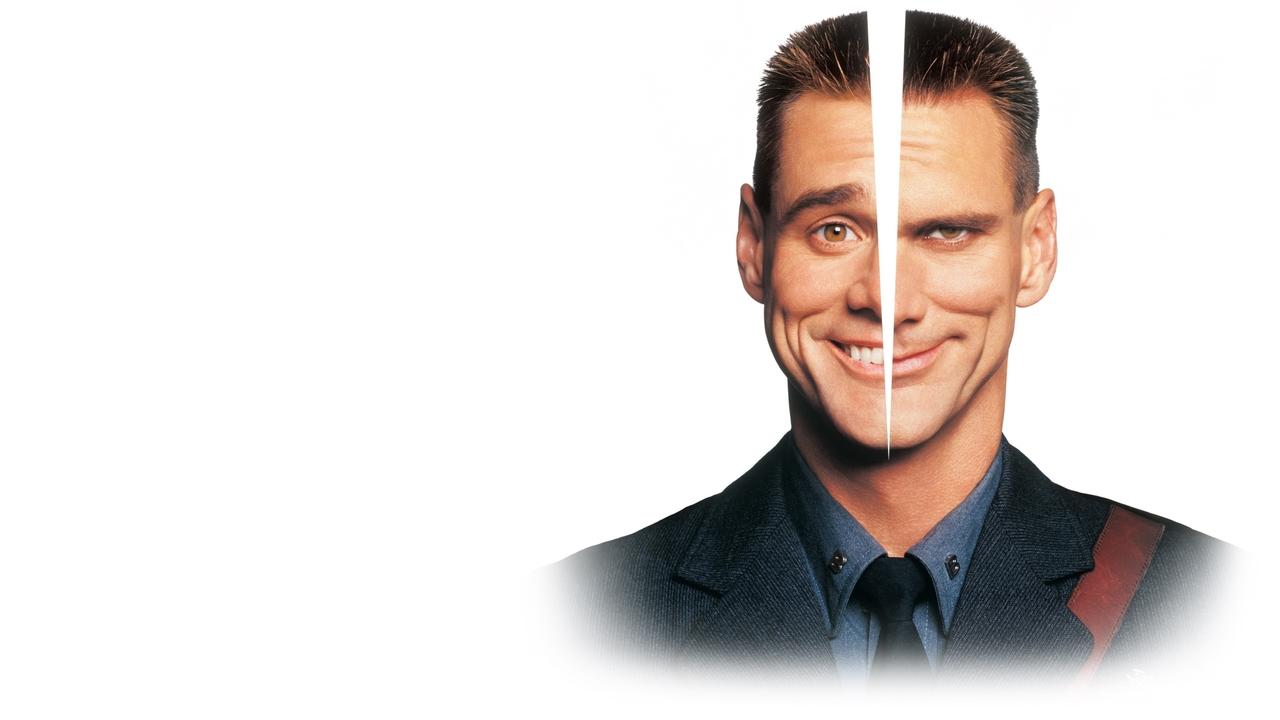
Rating: 7/10
The score reflects Jim Carrey's tour-de-force performance and the undeniable, if crude, comedic energy the Farrelly brothers brought. Points are docked for the uneven tone and jokes that land awkwardly today, but the sheer audacity and Carrey's commitment keep it compelling.
Final Thought: It’s a boisterous, sometimes baffling blast from the turn-of-the-millennium comedy past – a reminder of a time when mainstream movies could be this unapologetically strange, powered entirely by practical comedic anarchy before the digital polish took over. Worth a revisit, just maybe check your modern sensitivities at the door.