Alright, grab your favourite worn-out armchair and adjust the tracking on that imaginary VCR, because we're diving headfirst into a mid-90s whirlwind that somehow made golf... cool? Or at least violently hilarious. I'm talking about Adam Sandler's sophomore star vehicle, the unapologetically crass and endlessly quotable Happy Gilmore (1996). Popping this tape in back in the day felt like finding a secret weapon against boredom – it was loud, dumb in the best way, and had a surprising amount of heart buried beneath the F-bombs and fistfights.
### Go Back To Your Shanty!
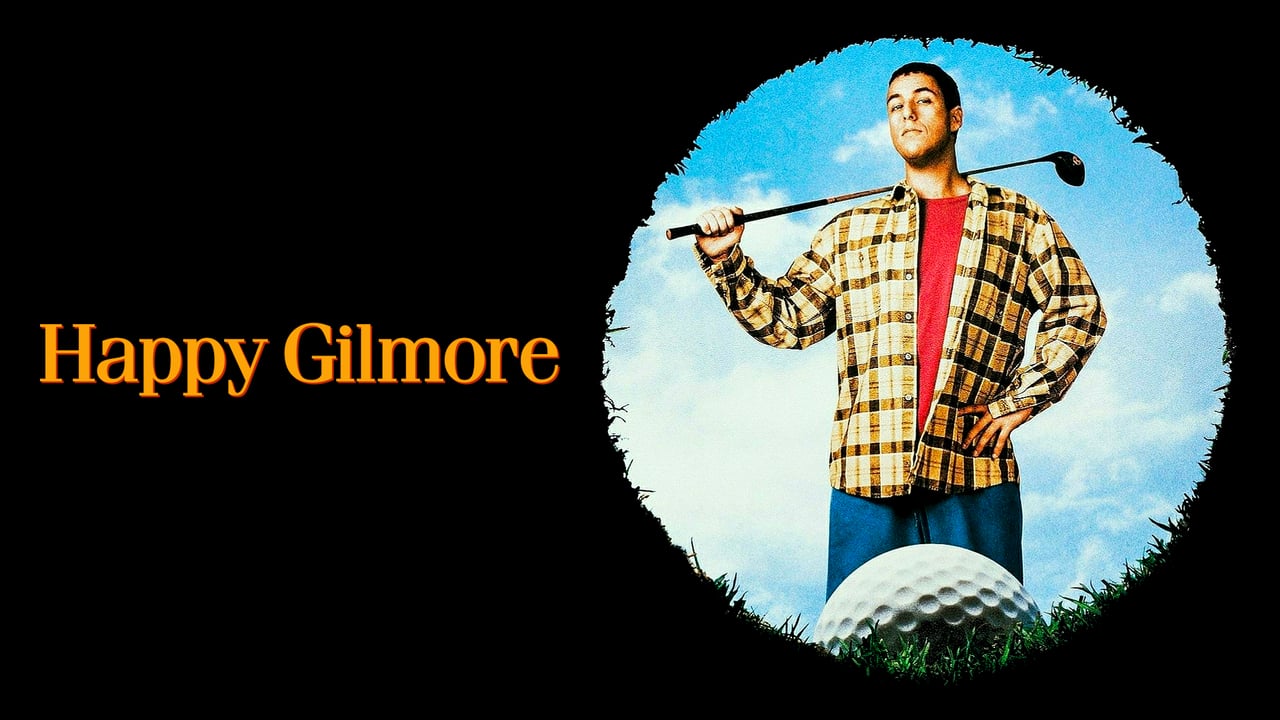
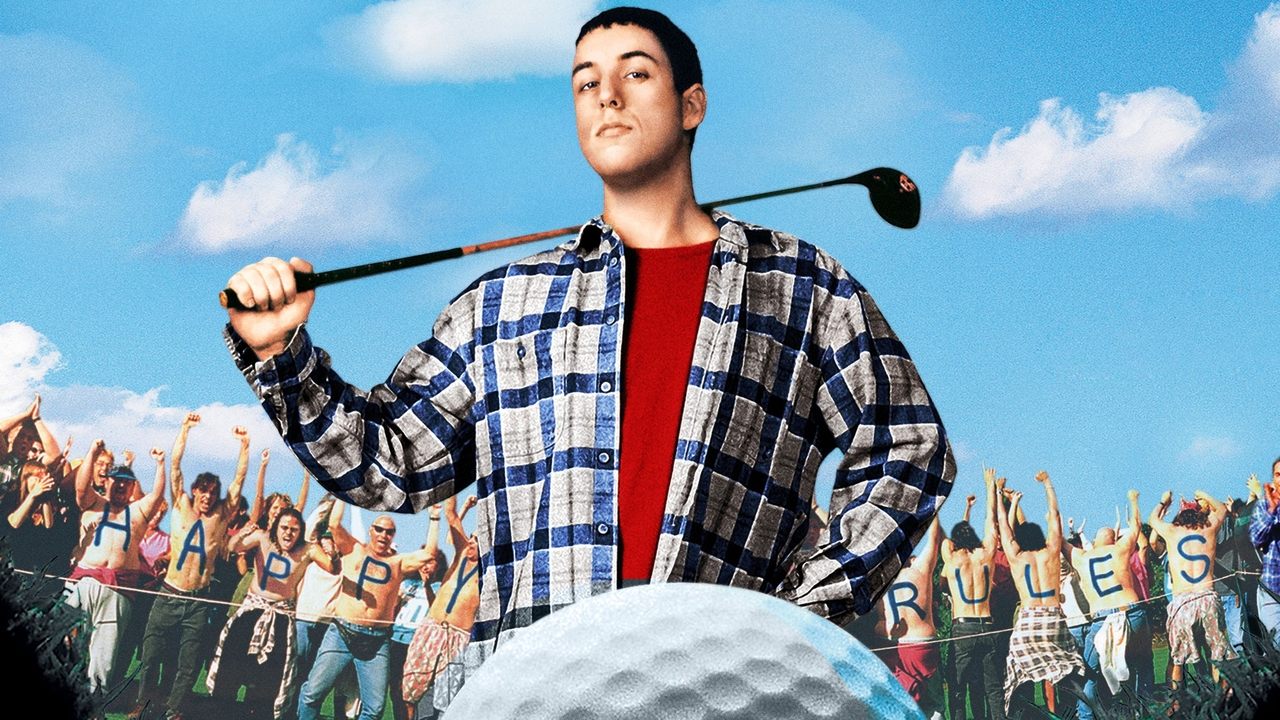
Let's be honest, the premise is pure 90s high-concept gold: Happy Gilmore (Adam Sandler, fresh off Billy Madison and honing his signature man-child rage persona) is a hockey reject with a temper hot enough to melt the ice and a slap shot that could decapitate a statue. When his beloved Grandma (the wonderfully sweet Frances Bay) loses her house to the IRS, Happy discovers his cannon-like drive translates shockingly well to the genteel world of professional golf. His mission: win enough prize money on the Pro Golf Tour to buy back Grandma's house. Standing in his way? Etiquette, his own volcanic temper, and the smarmiest villain this side of a cartoon cobra.
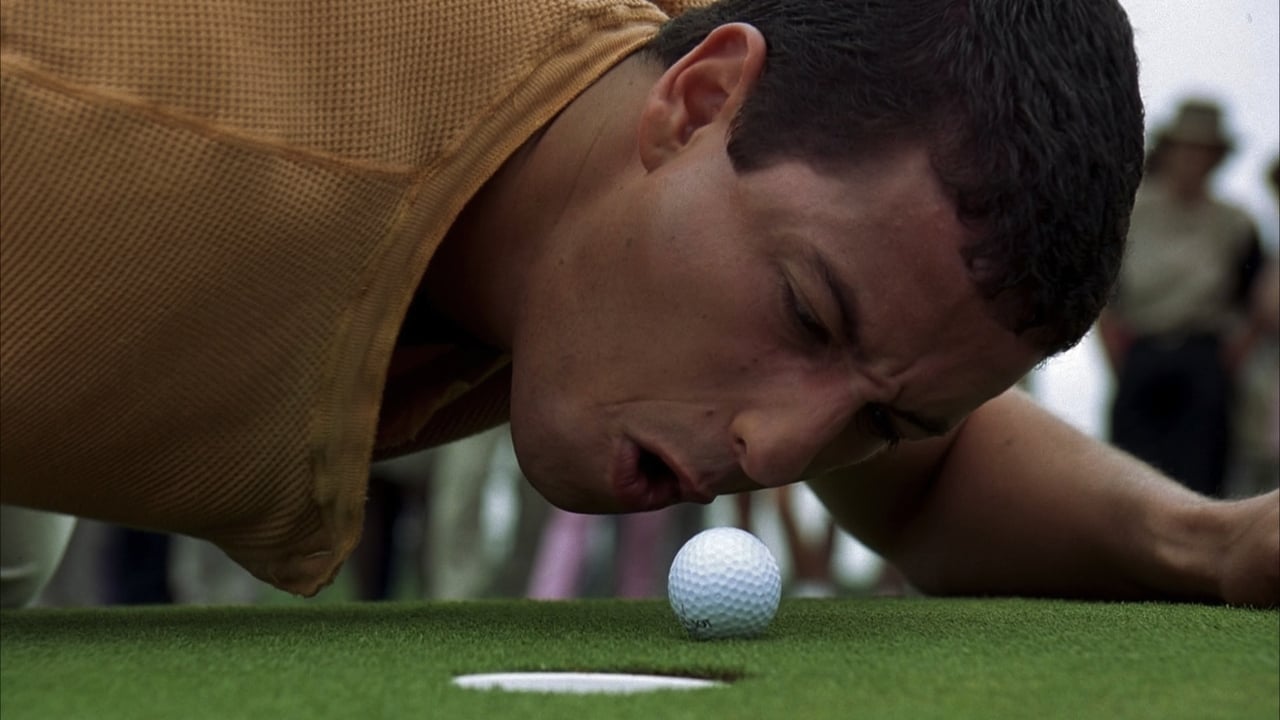
Sandler’s performance is the movie. It’s raw, unfiltered, and taps into that primal urge to just scream and break stuff when things go wrong. Watching him unleash holy hell on a mini-golf clown or politely ask a golf ball if it's "too good for [its] home?" felt cathartic back then, a delightful antidote to the slicker, more polished comedies filtering through multiplexes. I distinctly remember rewinding his "Are you too good for your HOME?!" outburst multiple times on my trusty VHS copy, the grainy picture somehow amplifying the absurdity.
### Shooter! The Golden Jacket's Yours!
You can't talk Happy Gilmore without talking Shooter McGavin. Christopher McDonald delivers an all-time great comic villain performance here, dripping with feathered-hair arrogance and sneering condescension. Every line reading ("I eat pieces of sh*t like you for breakfast!") is iconic. Shooter isn't just an obstacle; he's the perfect embodiment of the stuffy establishment Happy is railing against. Retro Fun Fact: McDonald initially passed on the role, thinking it was a bit one-dimensional. Thankfully, a friend convinced him to embrace the over-the-top villainy, and movie history was made. He nails the insecure bully hiding behind bravado. He is Shooter McGavin.
Adding crucial heart and mentorship (before a rather unfortunate incident involving a one-eyed alligator) is Carl Weathers as Chubbs Peterson, the former golf pro whose career was cut short. Weathers, known more for flexing his biceps in Predator (1987) or trading punches with Rocky Balboa, brings a surprising warmth and deadpan comic timing as Happy's reluctant mentor. His scenes teaching Happy the delicate art of putting ("It's all in the hips!") are comedy gold. That wooden hand he sported? Apparently, the prop was surprisingly tricky to work with on set, leading to some genuine, albeit funny, fumbles.
### Just Tap It In
Directed by Dennis Dugan, who would go on to helm many more Sandler comedies (Big Daddy, Grown Ups), Happy Gilmore isn't exactly high art, but it knows precisely what it is. Dugan keeps the pace brisk and lets the absurdity fly fast and furious. The script, co-written by Sandler and his frequent collaborator Tim Herlihy, feels like an extension of Sandler’s Saturday Night Live energy – sketch-like setups escalating into glorious chaos.
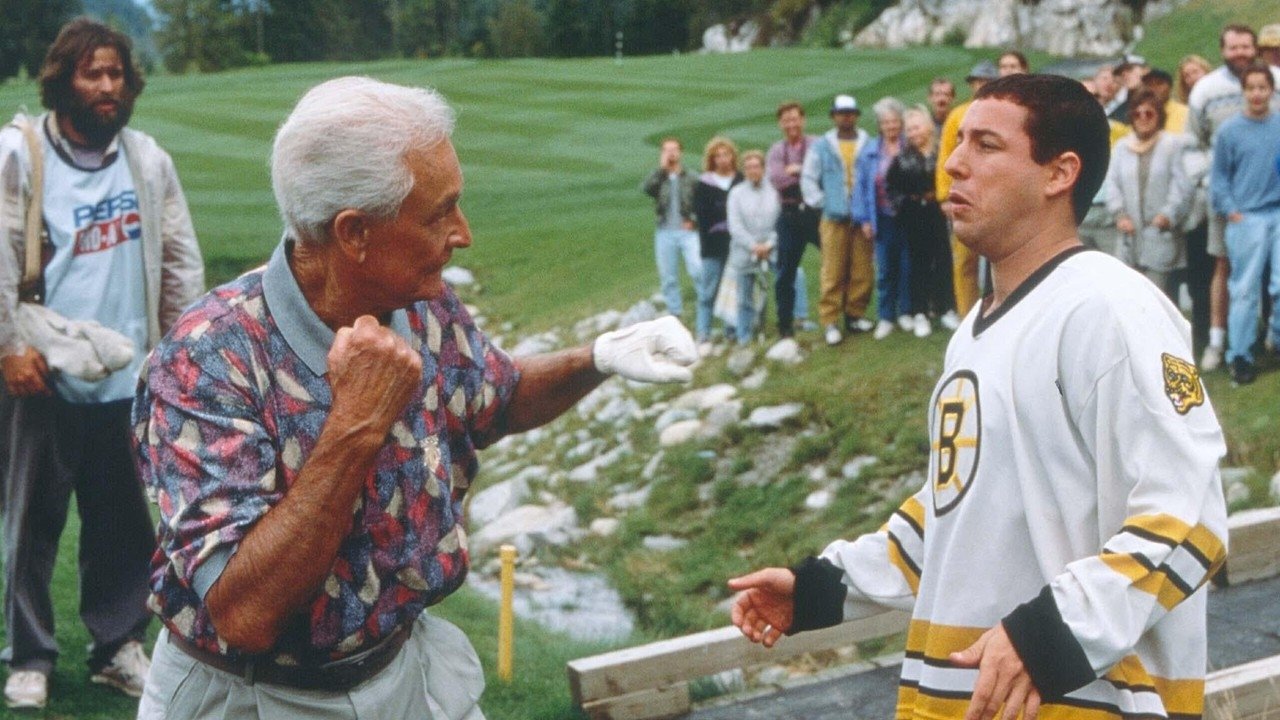
And the chaos! The fight with Bob Barker is legendary. Retro Fun Fact: Barker, then host of The Price is Right, was reportedly game for the cameo but insisted on winning the fight, citing his training in Tang Soo Do karate under Chuck Norris! He performed many of his own stunts, adding a layer of surreal authenticity to the brawl. It’s moments like these – utterly unexpected and brilliantly executed – that cemented the film in the pop culture consciousness. Sure, the plot is thin, and Julie Bowen (later of Modern Family fame) as PR guru Virginia Venit feels a little underwritten, but the sheer force of the comedic set pieces carries the day. It cost around $12 million to make and pulled in over $41 million worldwide – a certified hit that proved Sandler’s big-screen appeal wasn't a fluke.
The movie feels incredibly 1996, from the baggy golf attire to the alternative rock-tinged soundtrack. Watching it now is like unearthing a time capsule. Some jokes might land differently today, but the core appeal – the underdog story fueled by righteous anger and goofy slapstick – remains potent. It's less concerned with the technicalities of golf and more interested in using the sport as a backdrop for Sandler to unleash his particular brand of mayhem.
Rating: 8/10
This score feels right because Happy Gilmore delivers exactly what it promises: huge laughs, an unforgettable villain, and peak 90s Sandler energy. It's relentlessly silly, endlessly quotable, and possesses a strange, enduring charm. While maybe not as polished as later comedies, its raw, almost punk-rock approach to the sports movie genre, combined with standout performances from McDonald and Weathers, makes it a must-watch from the era.
Final Thought: Forget the fairway finesse; sometimes, you just need to wind up and smash it. Happy Gilmore is the cinematic equivalent – loud, messy, but hits the comedy sweet spot every single time, even if you have to fiddle with the VCR's tracking knob to see it clearly. Go home, ball!