It's a curious thing, isn't it, when lightning seems poised to strike twice in almost the same spot? Barely two years after John Boorman delivered the gritty, monochrome brilliance of The General (1998), chronicling the audacious life of Dublin folk-hero/villain Martin Cahill, along came Ordinary Decent Criminal. Arriving in 2000, just as the DVD era was dawning but still very much a presence on the video store shelves we knew so well, it felt like an echo, a glossier, colour-saturated transatlantic take on a story still fresh in cinematic memory. And perhaps that unavoidable comparison is where the story of this particular film truly begins.

An Echo in the Aisles
I remember seeing the VHS box, dominated by Kevin Spacey’s familiar face – this was peak Spacey time, remember, hot off Oscar wins and scene-stealing turns in late 90s essentials like American Beauty (1999) and L.A. Confidential (1997). The title itself, Ordinary Decent Criminal, carries a wry Irish contradiction, hinting at the complex duality of its central figure. Based on the same real-life exploits of Cahill (here renamed Michael Lynch), the film promised a charismatic rogue pulling off daring heists, charming the public, and running rings around the Gardaí, all while juggling two separate families. On paper, it sounds like prime material for the kind of stylish, morally ambiguous crime caper that was finding favour. But watching it again now, separated from the immediate shadow of The General, it feels like a film caught between intentions.
The Spacey Conundrum
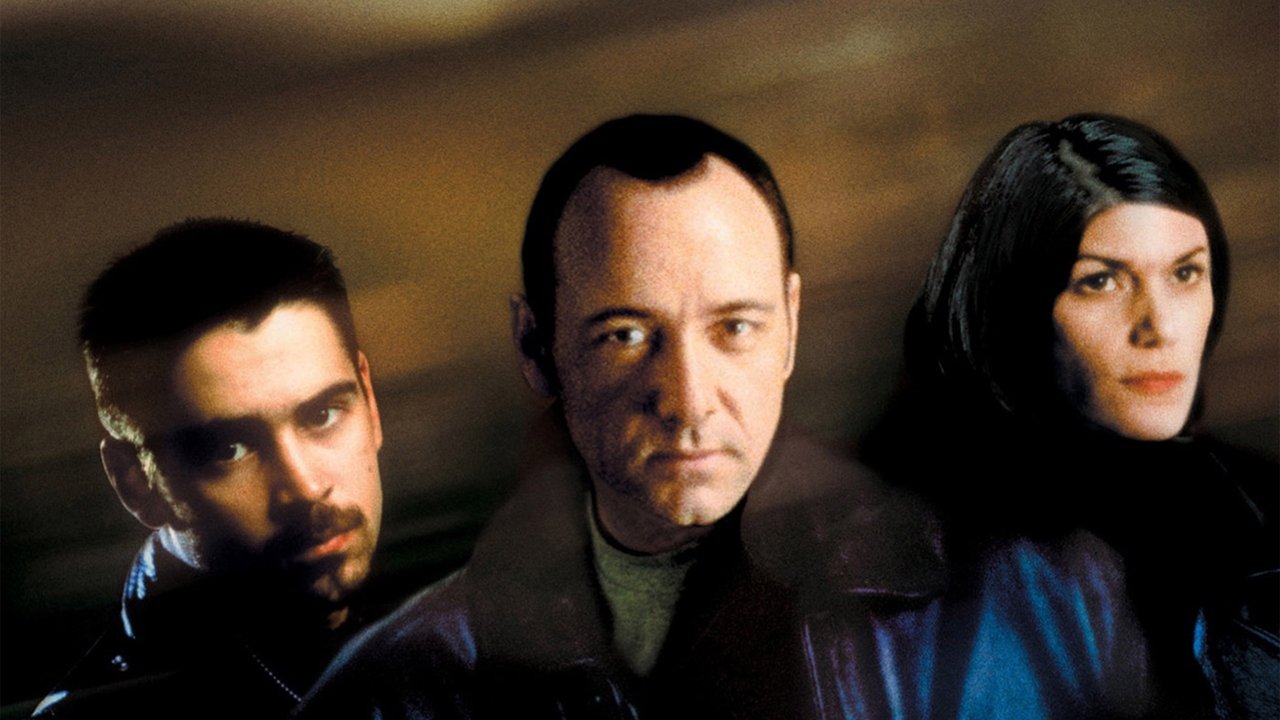
At the heart of the film lies Kevin Spacey's portrayal of Lynch. There's no denying Spacey's screen presence; he could command attention like few others. Here, he attempts to infuse Lynch with a roguish charm, a twinkle in the eye meant to convey the character's appeal even amidst his lawlessness. The problem, however, and it’s one often noted at the time, is twofold. Firstly, the attempt at a Dublin accent... well, it wanders. It's a brave effort, perhaps, but it rarely settles, sometimes distracting from the performance itself. Secondly, the inherent coolness, the almost detached intellectual menace Spacey often excelled at, feels slightly misapplied here. Cahill/Lynch was reportedly a more grounded, earthy figure. Spacey’s version feels more like a calculated performance of charm than the genuine article, keeping the audience at arm's length where perhaps we needed to be drawn closer to understand his contradictory nature. Does his charisma here feel authentic, or like a carefully constructed facade?
A Question of Tone
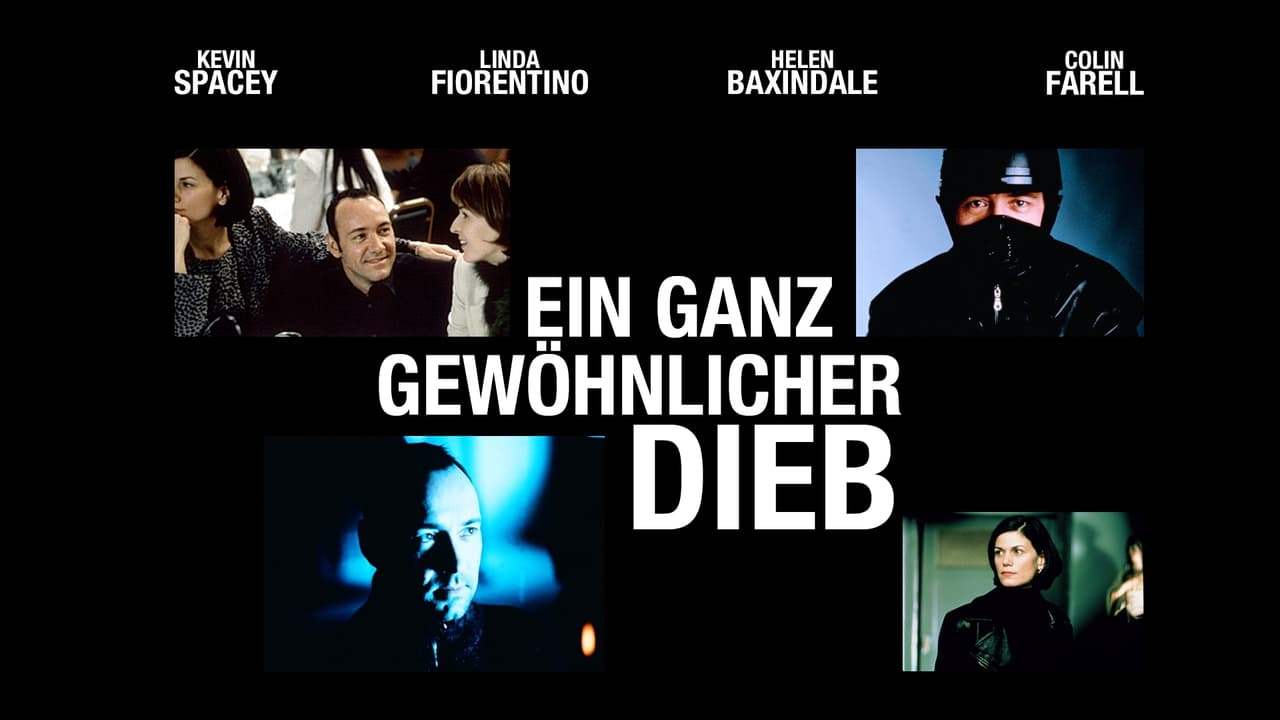
Director Thaddeus O'Sullivan, an Irish filmmaker himself (December Bride, 1991), aims for a lighter, more colourful feel than Boorman's stark realism. There are moments of genuine visual flair, capturing the Dublin locations effectively, and the heist sequences have a certain procedural appeal. Yet, the film struggles to reconcile its conflicting tones. It bounces between cheeky caper comedy, moments of surprising brutality, and attempts at domestic drama with Lynch's two partners, played by Linda Fiorentino (The Last Seduction, 1994) and Helen Baxendale. Fiorentino, usually such a magnetic presence, feels somewhat underutilised as the more knowing, slightly weary Christine. The tonal shifts can be jarring – one minute we're chuckling at Lynch's audacity, the next confronting the real-world consequences of his actions, and the film never quite finds a consistent rhythm to make these transitions feel organic. It leaves you wondering: was this meant to be a slick Hollywood entertainment, or a more nuanced character study? It tries, somewhat uncomfortably, to be both.
Familiar Faces and Forgotten Footnotes
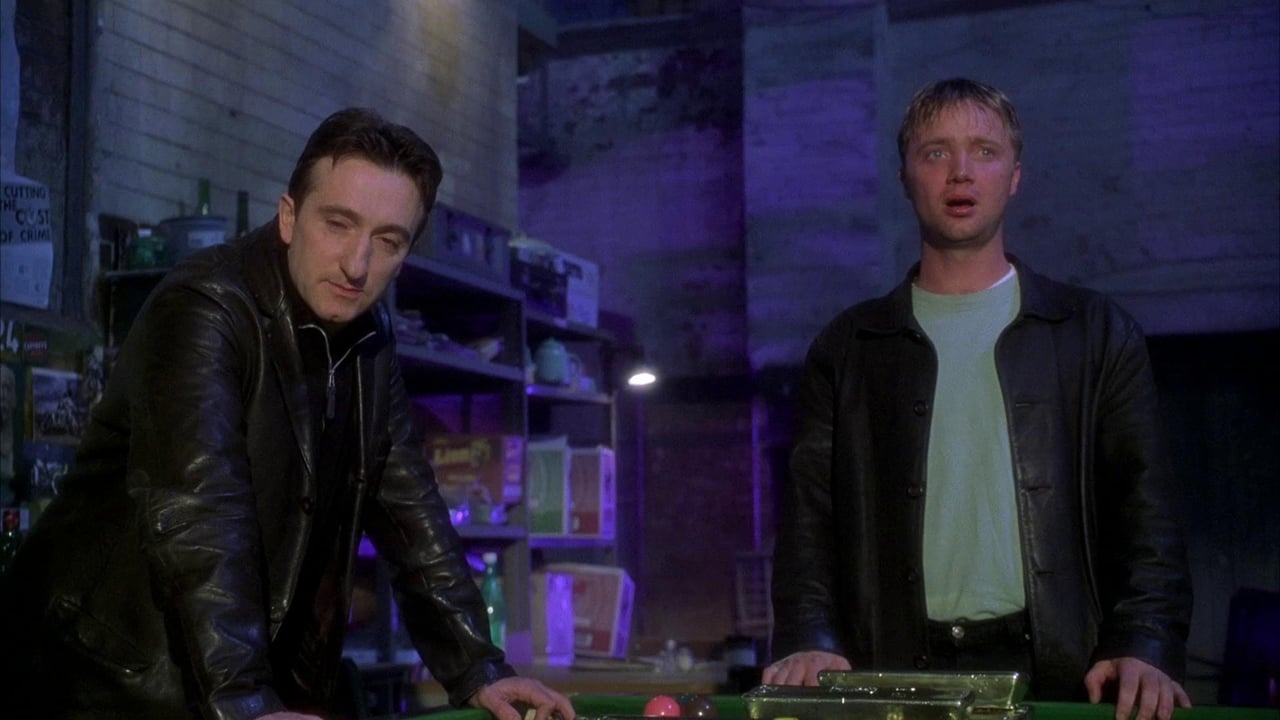
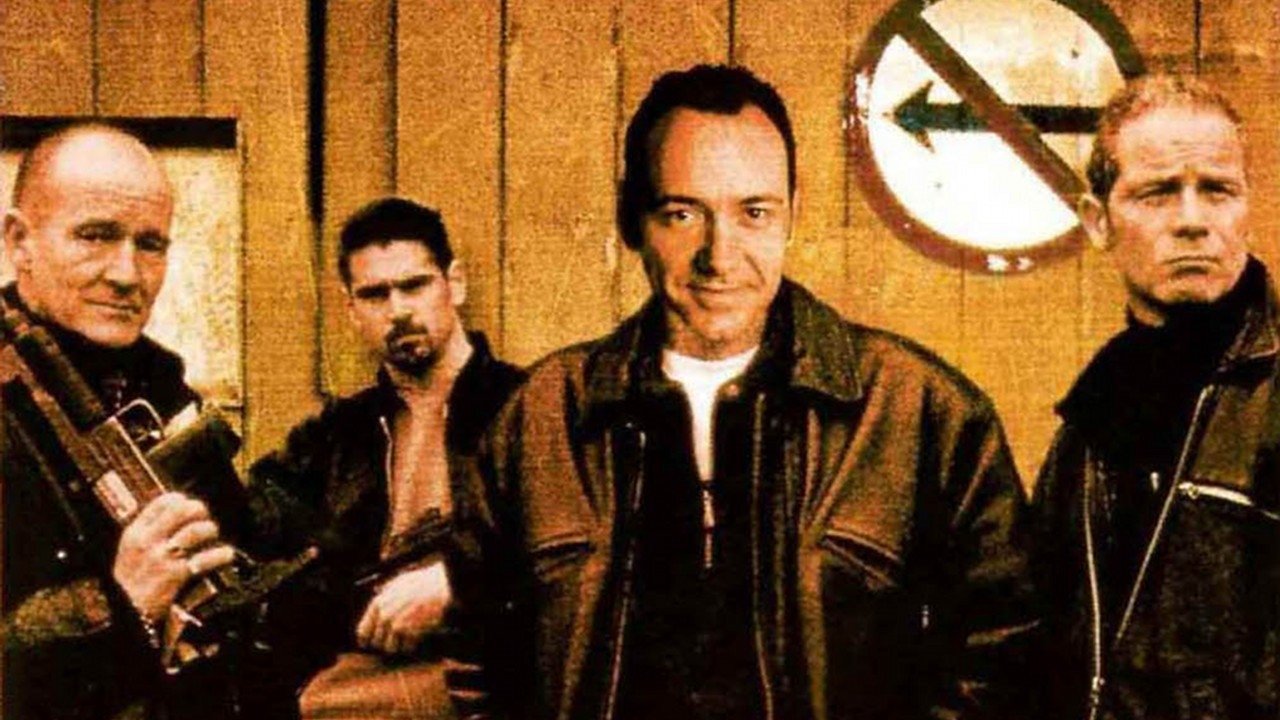
Beyond Spacey and Fiorentino, the cast includes the always reliable Peter Mullan (My Name Is Joe, 1998) as one of Lynch's loyal crew members, bringing his typical gravitas to the role. And for fans spotting future stars, keep an eye out for a very young Colin Farrell in an early, minor part. It’s a small glimpse of the charisma that would soon make him a household name. These supporting players add texture, but often feel constrained by a script, penned by Gerard Stembridge, that seems more interested in the mechanics of the heists than the complexities of the relationships.
One fascinating behind-the-scenes aspect is simply the film's timing relative to The General. Boorman's film, starring a powerhouse Brendan Gleeson, had already claimed the definitive cinematic portrayal of Cahill. Ordinary Decent Criminal, despite landing a major star like Spacey, inevitably felt like a lesser retread to many critics and audiences upon release. It reportedly cost around $18 million but struggled significantly at the box office, becoming one of those early 2000s curiosities that quickly faded from view, unlike Spacey’s bigger hits. Was it simply bad timing, or did the film's own internal inconsistencies contribute to its muted reception?
Final Reflection
Watching Ordinary Decent Criminal today is an interesting experience. It’s not without its moments – some of the heist planning has a certain throwback appeal, and the attempt to capture Lynch's baffling dual life is ambitious. Spacey gives it his all, even if the accent and overall approach don't quite land. But the film remains hampered by its tonal uncertainty and the long shadow cast by a superior predecessor. It feels less like a cohesive whole and more like a collection of interesting parts that never fully mesh. It lacks the grit of The General and doesn't quite achieve the effortless cool of the crime capers it seems to emulate.
Rating: 5/10
The score reflects a film that's competently made and features a major star trying something different, but ultimately feels slightly unnecessary and tonally confused. It's watchable, particularly for fans of the cast or the genre, but lacks the distinctiveness or depth to truly stand out, especially given the existence of The General.
It remains a fascinating artefact of its specific moment – a glossy, star-driven attempt to repackage a complex true crime story that perhaps reveals more about transatlantic filmmaking trends at the turn of the millennium than it does about the "ordinary decent criminal" himself. A definite video store oddity worth revisiting, perhaps, if only to ponder the "what ifs" and the inescapable power of comparison.