Alright, tapeheads, let's rewind to 1988. Picture this: you're wandering the aisles of the local video store, fluorescent lights buzzing overhead, the smell of plastic clamshells and slightly stale popcorn in the air. You spot a box – maybe a little worn at the edges – featuring a bemused John Cleese, a smoldering Jamie Lee Curtis, and a ridiculously intense Kevin Kline. The title? A Fish Called Wanda. You take a chance, pop it in the VCR later that night, and buckle up for one of the sharpest, funniest, and most delightfully trans-Atlantic comedies to ever grace a magnetic tape.
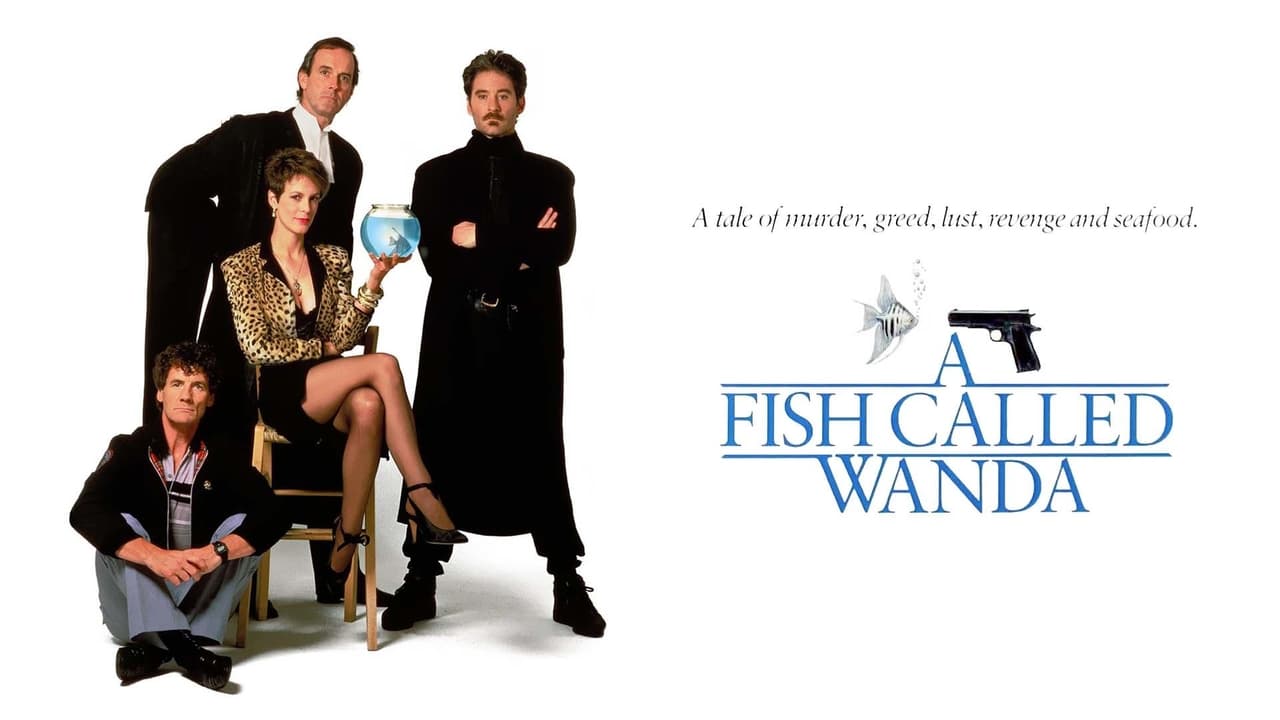
This wasn't just another slapstick romp; Wanda felt different. It was sophisticated yet utterly silly, a perfect cocktail blending dry British wit with loud, proud American absurdity. The premise is pure gold: a London diamond heist orchestrated by George Thomason (Tom Georgeson) goes sideways, leading his accomplices – the seductive Wanda Gershwitz (Jamie Lee Curtis), her volatile 'brother' Otto West (Kevin Kline), and the animal-loving, stuttering Ken Pile (Michael Palin) – into a frantic game of double-crosses to find the hidden loot and escape the clutches of the law, represented by the very proper, very repressed barrister, Archie Leach (John Cleese).
Comedy Gold, British and American Style
What makes Wanda sizzle, even today through the scan lines of memory, is that glorious culture clash. You've got Cleese, co-writing the script with veteran director Charles Crichton, bringing that quintessential Fawlty Towers-esque frustration and tightly-wound British embarrassment. Fun fact: Crichton, known for Ealing classics like The Lavender Hill Mob, hadn't directed a major feature in over two decades! Cleese specifically sought him out for his mastery of ensemble comedy timing, proving that genius doesn't fade. Cleese even reportedly mortgaged his own home to help get the film financed, a gamble that paid off spectacularly – the roughly $20 million film pulled in nearly $190 million worldwide.
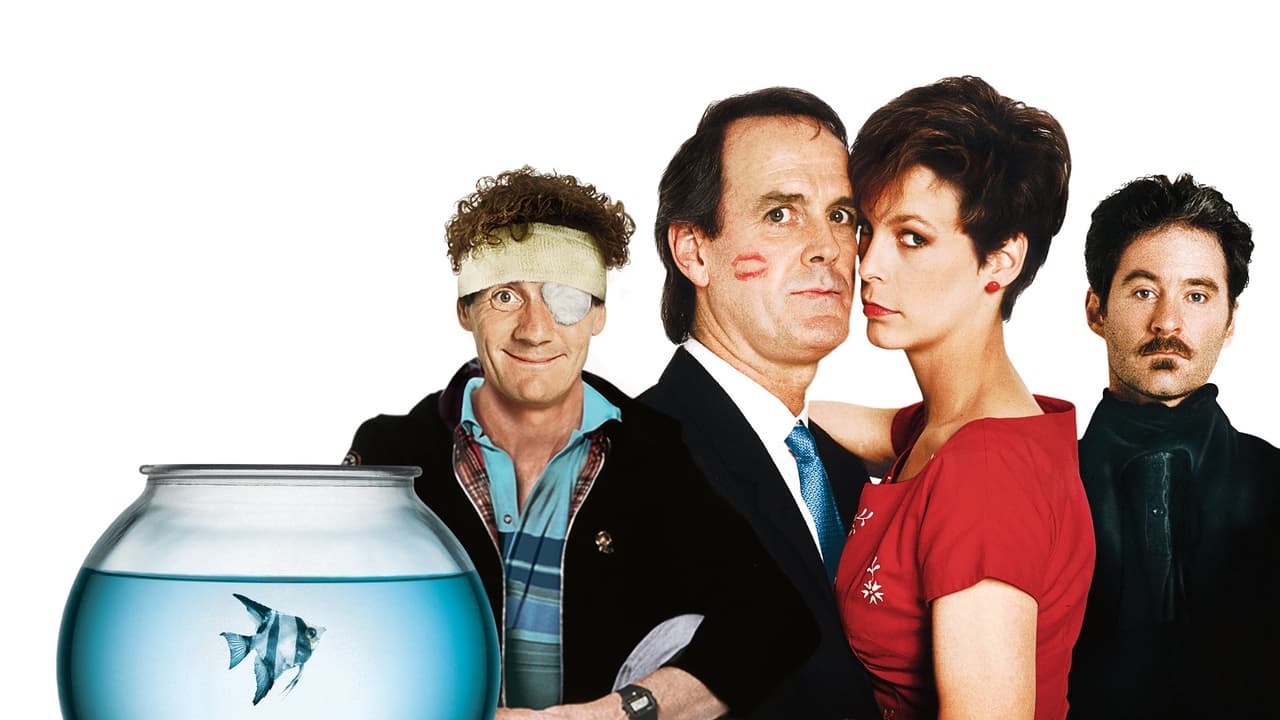
Then you throw in the Americans. Jamie Lee Curtis is pitch-perfect as Wanda, the ultimate operator, using her smarts and sexuality to manipulate everyone around her. She’s nobody’s fool, navigating the chaos with cunning grace. And then there's Otto. Oh, Otto. Kevin Kline delivered a performance for the ages – a hilariously insecure, pseudo-intellectual brute who thinks Nietzsche is pronounced 'Nee-chee' and believes the London Underground map is some kind of complex philosophical diagram. Kline threw himself into the role with such manic energy, shifting from misplaced intellectual arrogance to volcanic rage in a heartbeat. Remember that scene where he eats Ken's fish? Apparently, Kline didn't eat the real fish (they were cleverly swapped for props or jelly replicas), but the intensity felt utterly real. It's no wonder he snagged the Best Supporting Actor Oscar for it – a rare and deserved win for a purely comedic performance.
More Than Just Laughs
But it wasn't just Kline. The whole ensemble clicked beautifully. Michael Palin, Cleese's fellow Python, is heartbreakingly funny as Ken, whose profound stutter only disappears when he's truly furious (usually at Otto). His devotion to the titular fish (and the increasingly gruesome ends met by potential witnesses) provides some of the film's darkest and most memorable laughs. Palin actually worked with The Association for Stammerers to ensure his portrayal was accurate and respectful, despite the comedic context. And Cleese himself, as Archie, undergoing a mid-life crisis spurred on by Wanda's allure, is a masterclass in comic repression slowly exploding. His attempts at speaking Italian? Pure cringe-comedy perfection.
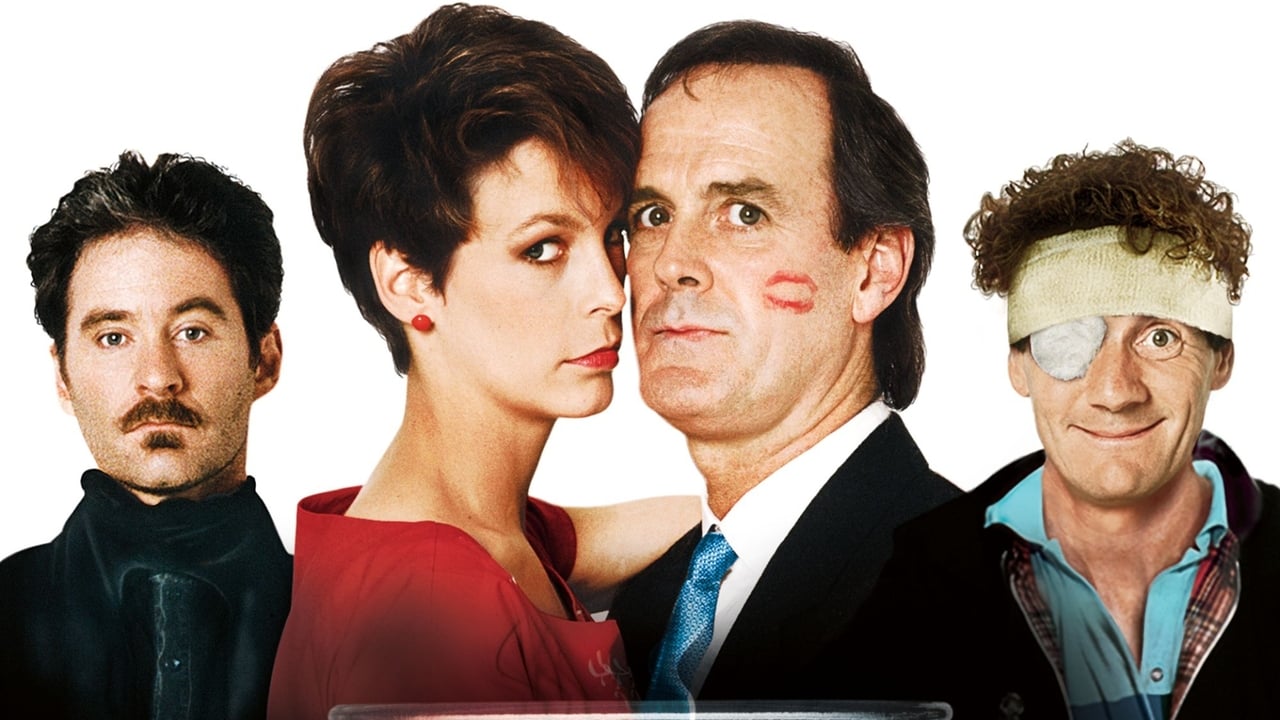
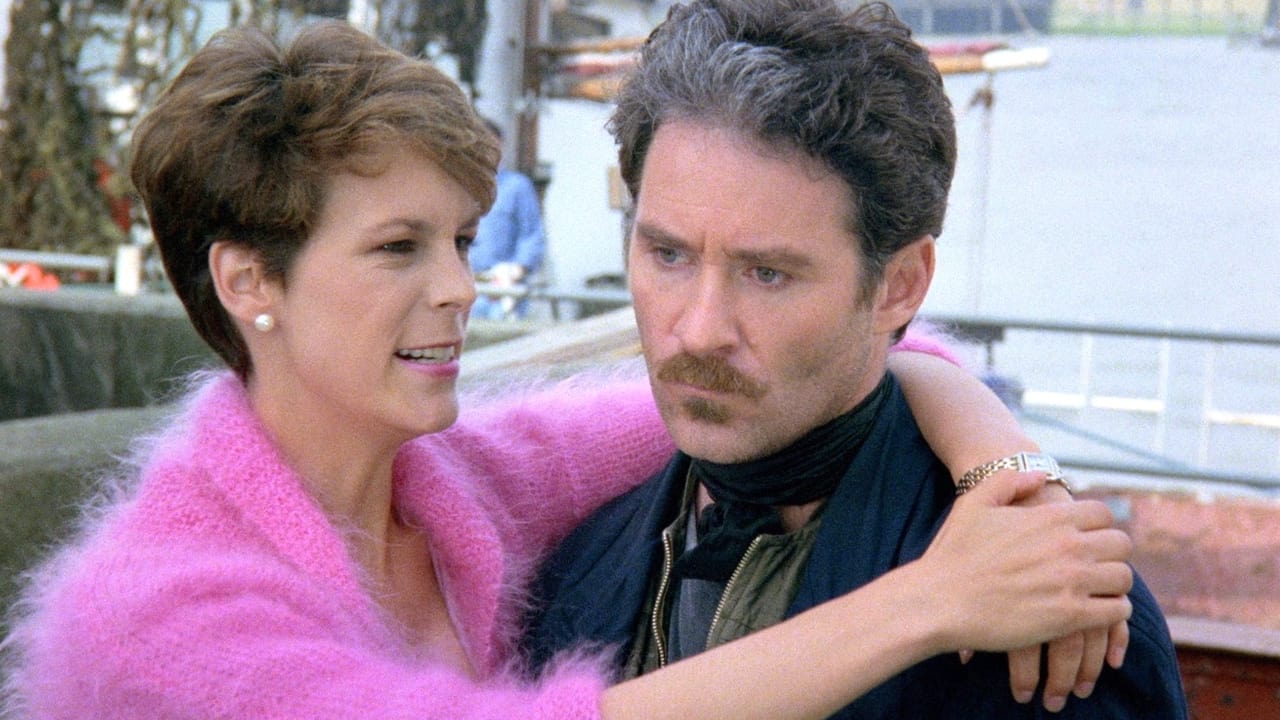
The film’s pacing, guided by Crichton’s experienced hand, is relentless. The plot twists and turns like a tangled phone cord, building farce upon farce without ever feeling forced. It walks a tightrope between clever wordplay, physical comedy (poor Ken and those dogs!), and moments of genuine character vulnerability. It felt smart back then, a comedy that didn't talk down to its audience, even when indulging in glorious absurdity like Otto dangling Cleese out of a window.
Why It Still Holds Up
Watching A Fish Called Wanda today, it strikes you how much of the comedy relies on sharp writing and brilliant performances rather than elaborate setups or effects. The 'practical effects' here are the actors' impeccable timing, the perfectly delivered lines, the expertly staged farcical situations. It feels grounded, even at its most outrageous. Sure, some of Otto's casual cruelty might raise an eyebrow now, but it’s so over-the-top and integral to his ludicrous character that it still lands as hilarious satire of misplaced machismo. Remember how refreshing it felt to see a comedy this mean yet so undeniably charming? Critics at the time mostly loved it, recognizing its sharp wit and masterful execution, and audiences clearly agreed.
It’s a film that felt both classic and contemporary when it hit VHS, a bridge between old-school British caper comedies and a brasher, late-80s sensibility. It took me right back to staying up late, hoping my parents wouldn't catch me watching the slightly risqué bits, and laughing until my sides hurt.

Rating: 9/10
This score is earned by the sheer comedic brilliance firing on all cylinders. The razor-sharp script, the perfect casting delivering career-defining performances (especially Kline's Oscar-winning turn), the masterful direction blending British and American humor flawlessly, and its enduring status as a truly funny and smart comedy classic make it near-perfect. A point is only docked perhaps for the occasional moment where the 80s vibe feels just a touch dated, but it barely registers against the tidal wave of laughs.
Final Take: A Fish Called Wanda is more than just a fish tale; it’s a masterclass in comedic chemistry and controlled chaos, a film that proves smart, slightly dark, character-driven humor never goes out of style. A true crown jewel from the video store era that still delivers pure, unadulterated joy. Don't K-K-K-Ken... just watch it!