There's a certain kind of grey, damp chill that clings to some mid-90s films, a feeling less about the weather on screen and more about the mood settling in the viewer's bones. Feeling Minnesota (1996) embodies this sensation, a quirky crime romance that feels perpetually overcast, even when the sun technically shines. It arrived on video store shelves sandwiched between slicker thrillers and broader comedies, its slightly off-kilter energy perhaps leaving many renters unsure exactly what they were getting into. Watching it again now, it feels like uncovering a mixtape from that era – familiar artists in slightly unexpected arrangements, a blend of angst and affection that doesn't always harmonize perfectly, but still holds a peculiar charm.

A Triangle Woven with Bad Decisions
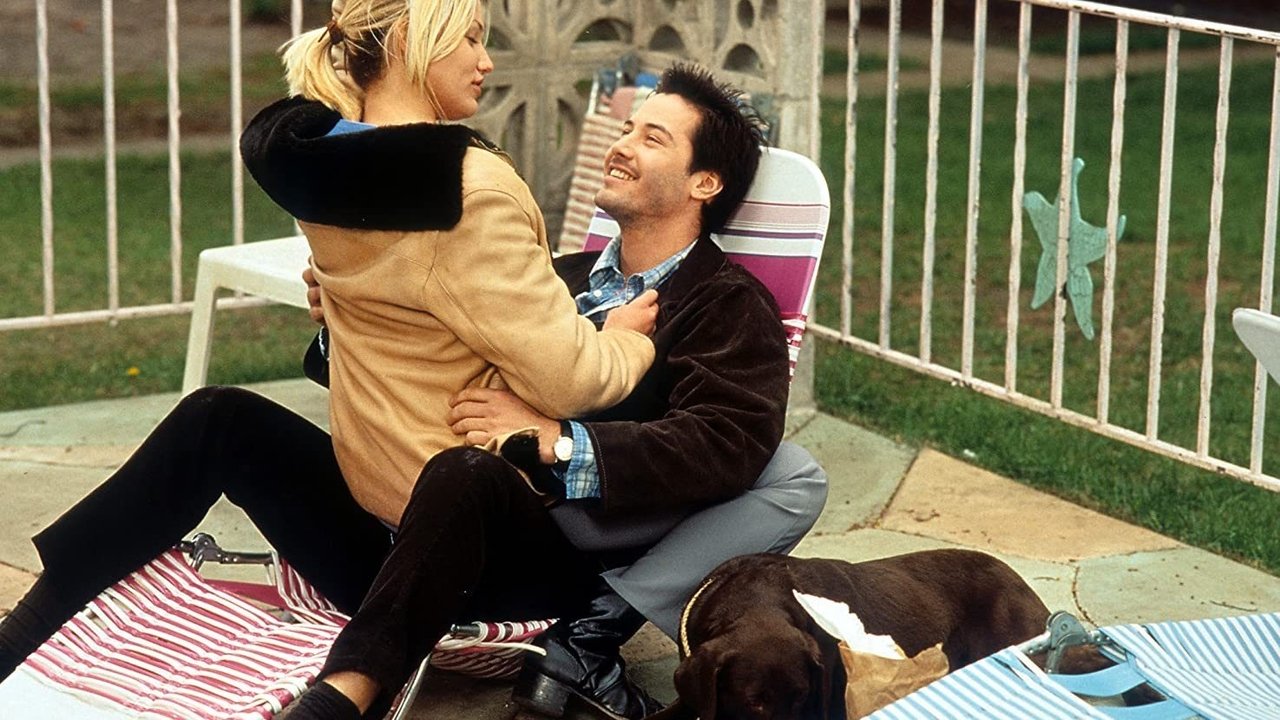
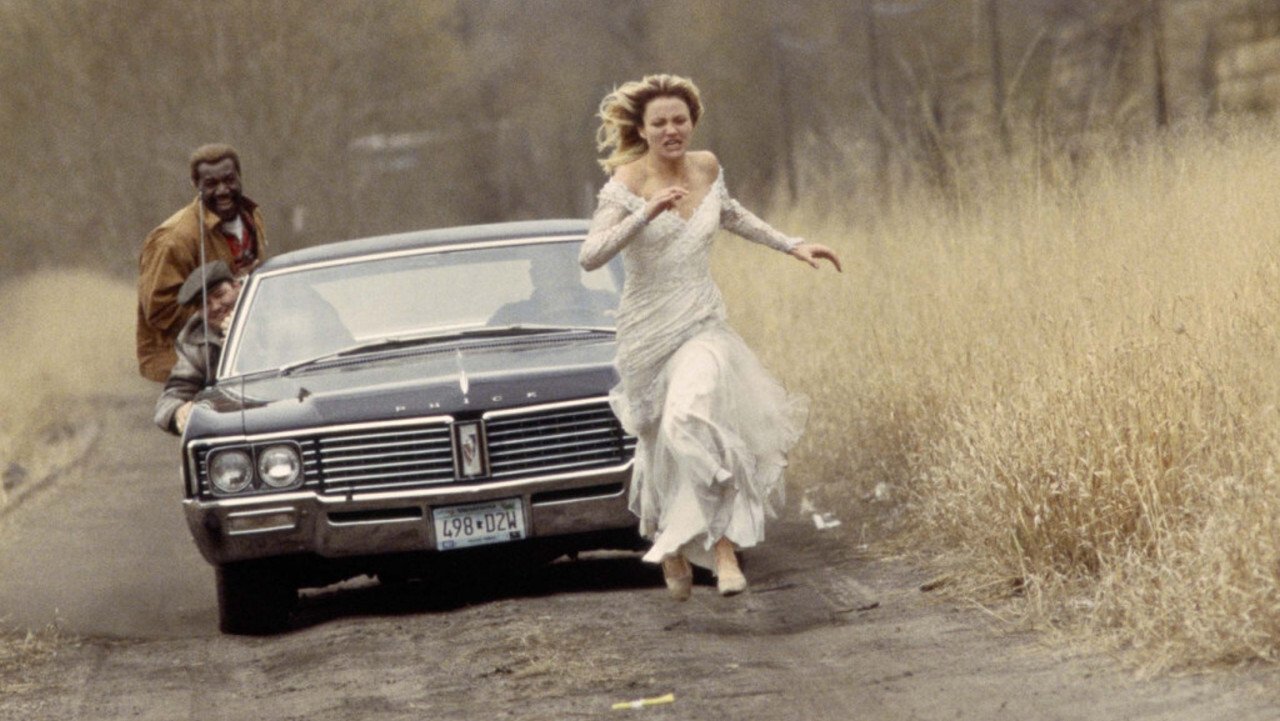
At its core, Feeling Minnesota is a story about being trapped – by circumstance, by family, by bad choices. Jjaks (a brooding Keanu Reeves, navigating post-Speed stardom) returns home for the wedding of his estranged, loudmouth brother Sam (Vincent D'Onofrio, dialed up to his characteristic intensity). The bride is Freddie (Cameron Diaz, radiating star power even in this murky setting), a former stripper forced into the marriage to settle a debt with local crime boss Red (Delroy Lindo). It takes about five minutes for Jjaks and Freddie to spark an illicit affair, setting off a chain reaction involving betrayal, blackmail, murder, and double-crosses, all playing out under the perpetually washed-out skies of its titular state (though interestingly, much filming actually took place in Minneapolis and surrounding Minnesota locations).
The script, penned by writer-director Steven Baigelman in his sole directorial outing (he’d later find more consistent success as a screenwriter on films like Get On Up (2014) and Miles Ahead (2015)), tries to juggle noir fatalism with black comedy and a thread of desperate romance. Does it always succeed? Not quite. The shifts in tone can sometimes feel abrupt, lurching from moments of genuine threat to scenes aiming for quirky humour, like Sam’s disastrous attempts at philosophy or the interactions with a bent cop played by Dan Aykroyd. It’s a tricky balancing act, one that many films from the post-Tarantino indie boom attempted, with varying degrees of success.
An Oddly Compelling Chemistry Set
What keeps Feeling Minnesota strangely compelling, despite its unevenness, is the cast. Reeves, often criticized for stoicism, actually uses his inherent stillness effectively here. Jjaks is a character defined by reaction rather than action, a man swept along by currents he barely tries to resist. His quiet presence contrasts sharply with D'Onofrio’s Sam, a character bursting with misplaced confidence and simmering resentment. D'Onofrio leans into the character’s unpleasantness, making Sam both pathetic and vaguely dangerous. It's a performance that teeters on the edge of caricature but finds just enough vulnerability to feel grounded within the film's heightened reality.
And then there's Cameron Diaz. Fresh off her breakout in The Mask (1994), she brings a vital spark to Freddie. Even when the script reduces her to a damsel needing rescue or a pawn in others' games, Diaz finds moments of defiance and resourcefulness. The chemistry between her and Reeves feels tentative, fragile – less a grand passion and more two lost souls clinging together out of desperation, which actually suits the film's downbeat atmosphere. The supporting cast, including the aforementioned Aykroyd, Lindo, and a small but memorable turn by Courtney Love as a waitress, add layers to this slightly seedy world.
Echoes of Grunge and Rainy Days
It’s impossible to talk about Feeling Minnesota without mentioning its title, famously lifted from a lyric in the Soundgarden hit "Outshined" ("I'm looking California and feeling Minnesota"). That connection feels apt; the film shares a certain sensibility with the grunge era – a sense of disillusionment, messy emotions, and an undercurrent of melancholy, all wrapped in a package that’s trying to be cool but can’t shake off its inherent angst. Baigelman captures this mood visually, favouring muted colours and compositions that emphasize the characters' isolation within drab motels and stark landscapes.
The film itself had a somewhat muted reception, struggling to find an audience theatrically – it reportedly cost around $3 million and barely made that back at the box office. It truly found its legs, as many films of this ilk did, on VHS and cable. It became one of those rentals you might pick up based on the cast, discovering something stranger and sadder than the cover art suggested. It's not a hidden masterpiece, perhaps, but it possesses a distinct personality that lingers. Was it trying too hard to be a Coen Brothers-esque quirky crime caper? Maybe. But it has its own peculiar rhythm.
Final Reflection
Rewatching Feeling Minnesota is like revisiting an old photograph from a slightly awkward phase. You recognize the faces, remember the feeling, but also see the imperfections and the earnest, perhaps slightly misguided, attempts at style. It doesn’t all work, the plot mechanics creak occasionally, and the tonal shifts can be jarring. Yet, there’s an undeniable sincerity to its melancholy, a truthfulness in the performances of its leads wrestling with bad situations, and a pervasive atmosphere that sticks with you. It captures a specific moment in 90s independent filmmaking, striving for cool detachment but revealing a bruised heart underneath.
Rating: 6/10
This score reflects a film that's more interesting than it is entirely successful. Strong performances from the central trio (D'Onofrio is particularly memorable) and a palpable, unique mood elevate a script that sometimes struggles to balance its comedic, romantic, and noir ambitions. It’s uneven, yes, but its specific flavour of 90s angst and its status as a video store curiosity make it a worthwhile revisit for fans of the era's slightly off-beat offerings. It remains a fascinating snapshot – not quite California, definitely feeling Minnesota.