Okay, let's rewind the tape slightly past the 90s glory days, right into the year 2000. The dial-up screech was fading, the Y2K bug hadn't ended the world, and Hollywood served up a high-concept romantic comedy that felt both incredibly slick and, let's be honest, a tiny bit bonkers: What Women Want. Popping this one (maybe on a shiny new DVD player, maybe still on a trusty VHS recorded off premium cable) felt like plugging into the zeitgeist. Here was Mel Gibson, arguably still at the peak of his action-hero bankability, diving headfirst into a world of feminine products, inner monologues, and... well, feelings.
### The Shock Heard 'Round the Ad Agency
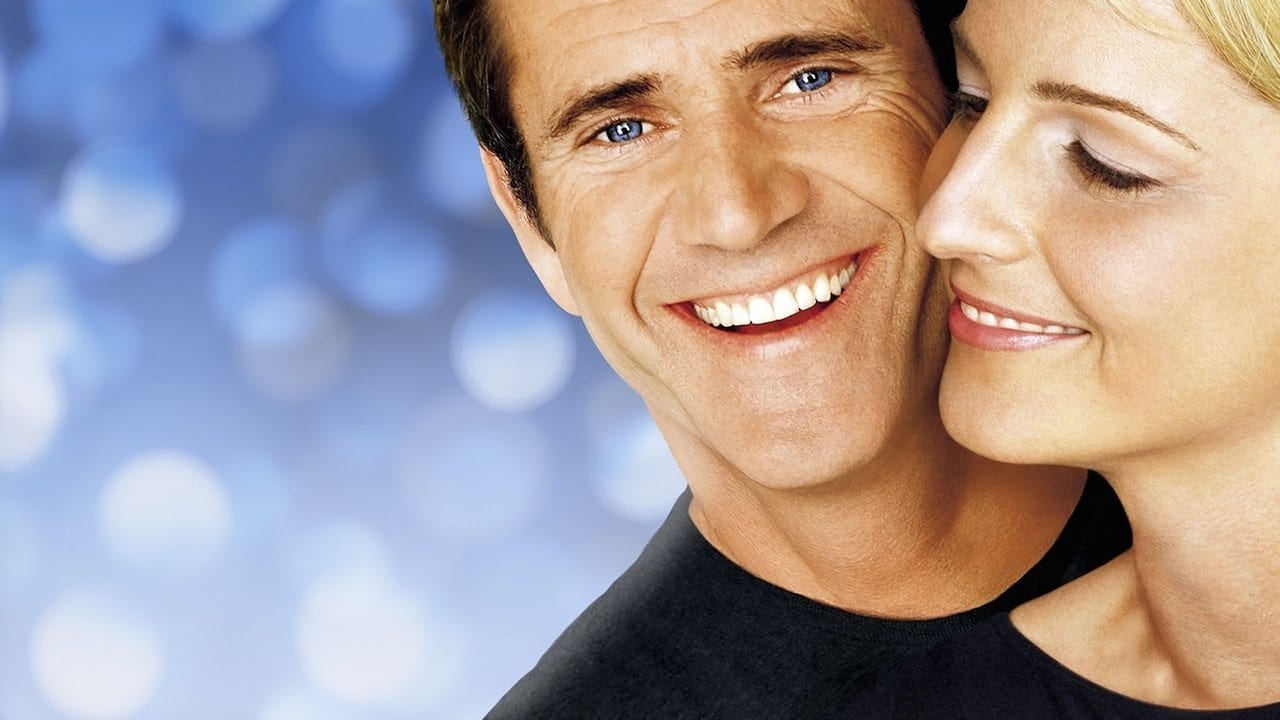
Remember the setup? Nick Marshall (Gibson) is a hotshot Chicago advertising exec, a smooth-talking alpha male whose world revolves around selling stuff and charming women, though maybe not truly understanding them. He thinks he’s God’s gift, naturally. When a coveted creative director position goes to the talented Darcy McGuire (Helen Hunt), a woman brought in specifically because she understands the female demographic Nick dismisses, his ego takes a major hit. Then comes the catalyst – a bizarre bathroom accident involving a hairdryer, bathwater, and a box full of women's products (research!). Instead of frying his brain, it gives him the startling ability to hear exactly what women are thinking. Every unfiltered thought, insecurity, desire, and judgment.
This wasn't your typical gritty 80s thriller or effects-laden 90s blockbuster. The "special effect" here was purely conceptual, visualized through overlapping voiceovers and Gibson's increasingly bewildered reactions. Director Nancy Meyers, already establishing her brand of witty, aspirational comedies about grown-ups (she'd later give us gems like Something's Gotta Give (2003) and It's Complicated (2009)), mines the premise for all its comedic worth. It’s fascinating how this central gimmick, essentially a supernatural eavesdropping device, fuelled the entire narrative engine. There’s a certain 'practical magic' to how the film uses this power not for pyrotechnics, but for character development (and, initially, ruthless manipulation).
### From Cad to... Slightly Less of a Cad?
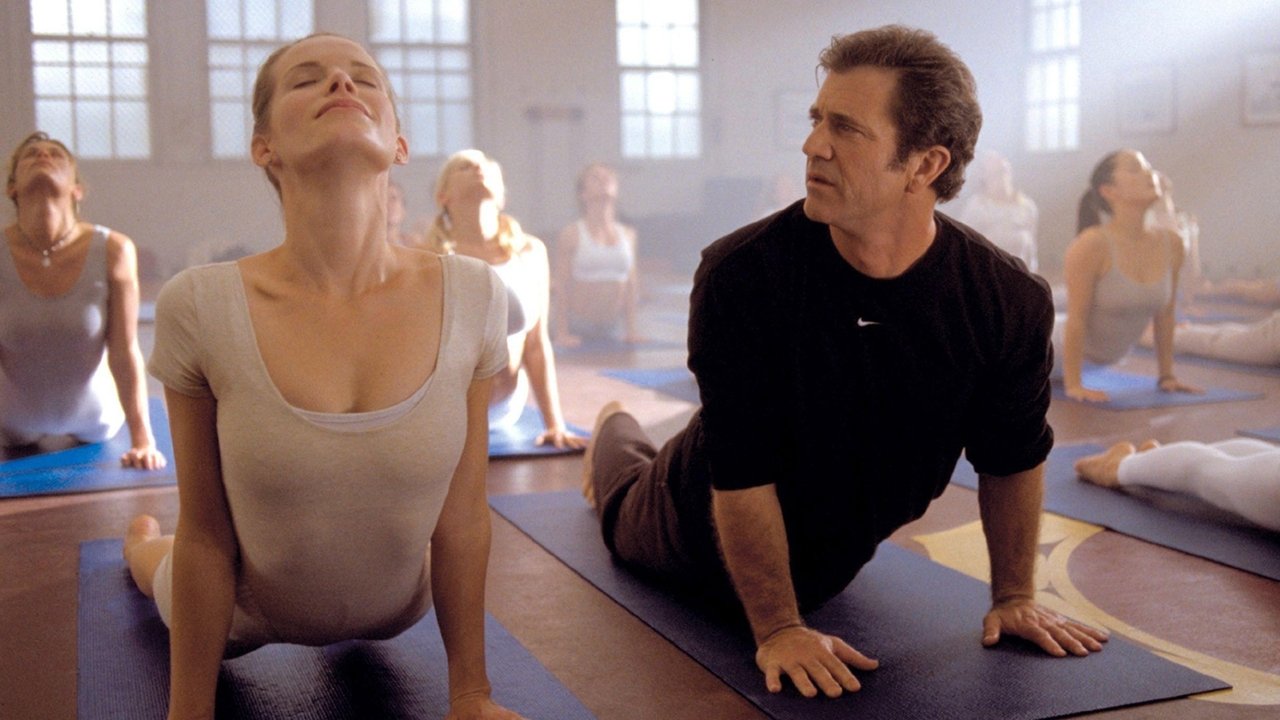
Let's talk about Gibson. Fresh off things like Lethal Weapon 4 (1998) and Payback (1999), seeing him navigate estrogen patches and dance awkwardly alone in his apartment to Frank Sinatra was a genuine surprise. It was a gamble that paid off massively – the film grossed over $374 million worldwide against a $70 million budget, proving audiences were ready for this side of him. He leans into Nick’s initial smarminess but also finds the vulnerability as the constant barrage of female thoughts starts to chip away at his macho facade. His comedic timing, honed even in his action roles, gets a full workout here.
Opposite him, Helen Hunt provides the grounded center. Darcy isn't just a plot device; she's smart, capable, and initially immune to Nick's charms (both pre- and post-mind-reading). Their chemistry develops gradually, built on stolen ideas and eventual, genuine connection. And who could forget Marisa Tomei as Lola, the coffee shop girl whose thoughts reveal a sweet longing beneath a quirky exterior? Her performance earned rightful praise and added a lovely, funny layer to the film. Alan Alda also shines as Nick's supportive boss, navigating the corporate politics with weary amusement. Reportedly, Meyers wrote the part of Nick's therapist specifically for Bette Midler, and her brief scenes are pure gold.
### High Concept, High Gloss
Nancy Meyers films always look fantastic, and What Women Want is no exception. Those gleaming Chicago offices, Nick's swanky bachelor pad – it’s pure early 2000s aspirational comfort viewing. The film has that polished studio sheen that defined mainstream comedies of the era. The premise itself, while fantastical, tapped into timeless questions about gender dynamics and communication (or lack thereof). Yes, watching it now, some of the gender politics feel distinctly of their time, perhaps a bit simplistic or even cringe-worthy by today's standards. Nick's initial use of his power is purely selfish, stealing Darcy's ideas and manipulating situations. The film walks a fine line, but ultimately aims for redemption.
Did you know the original script, penned by Josh Goldsmith and Cathy Yuspa, was floating around Hollywood for a while before Meyers came aboard? She brought her signature touch, sharpening the dialogue and deepening the characters. The whole concept feels like a perfect elevator pitch, the kind studios dream of, and it clearly resonated. It wasn't necessarily a critical darling across the board, but audiences loved it. It hit that sweet spot of star power, relatable (if heightened) workplace comedy, and romantic wish-fulfillment. I remember the buzz around it; it felt like the date movie of that holiday season.
### The Verdict
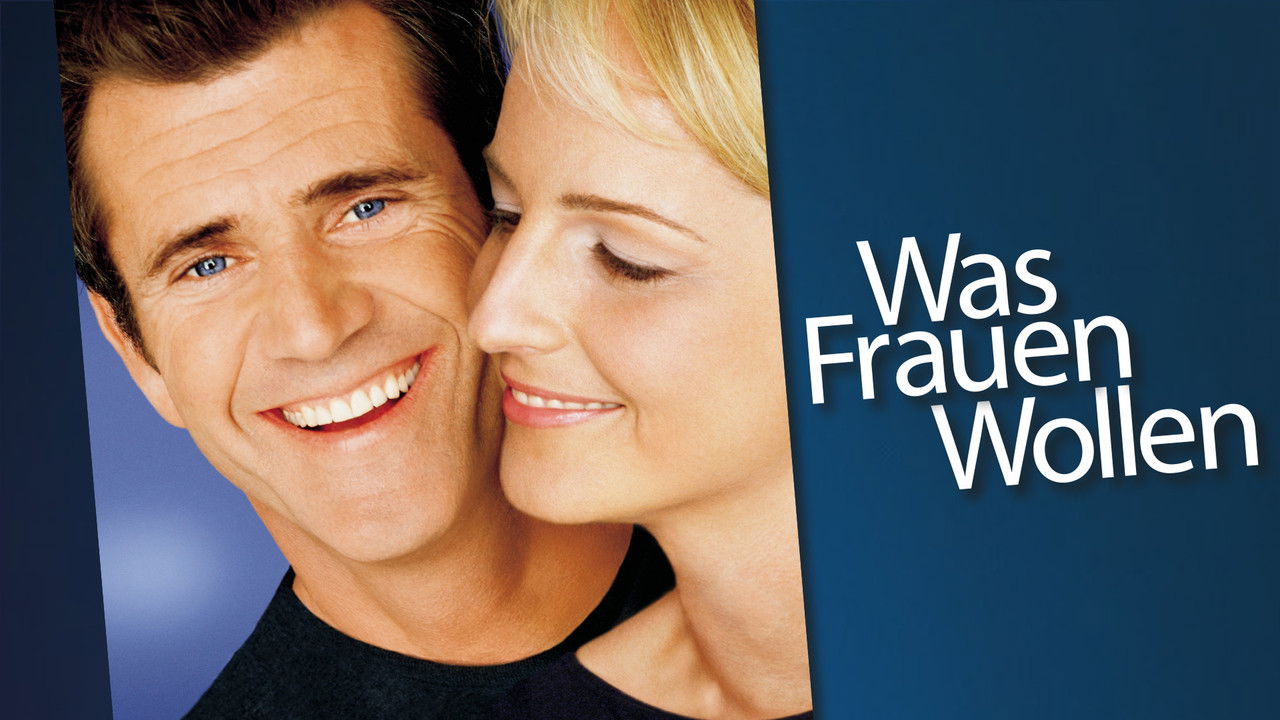
What Women Want is a fascinating time capsule – a slick, high-concept Hollywood rom-com delivered with star power and Nancy Meyers' signature glossy style. It leverages its central gimmick for maximum comedic effect, even if the underlying message about understanding the opposite sex feels a little broad by today's lens. Mel Gibson surprisingly nails the comedic and vulnerable notes, Helen Hunt is effortlessly charming, and the supporting cast adds sparkle. It’s undeniably a product of its specific moment in time, but revisit it with that mindset, and it’s still a remarkably entertaining watch. The premise remains clever, and the execution is pure early-2000s mainstream magic.
Rating: 7/10 - The score reflects its success as a crowd-pleasing, high-concept studio comedy that delivers laughs and charm, anchored by strong lead performances. It's docked a few points for the somewhat dated gender dynamics and the ethical slipperiness of the premise that isn't fully interrogated, but its entertainment value holds up surprisingly well.
Final Thought: Like finding a perfectly preserved copy of Cosmopolitan from Y2K, What Women Want offers a glossy, sometimes awkward, but ultimately enjoyable glimpse into what mainstream romance looked like when the millennium turned. Just try not to think too hard about the implications of that hairdryer scene.