Alright, fellow tape travellers, let's rewind to a time when the only thing sharper than the kicks on screen was the tracking adjustment needed to make them clear. Today, we're pulling a well-worn cassette from the dusty shelves of memory: Dance of the Drunk Mantis (also known sometimes as Drunken Master Part 2, though not the Jackie Chan one!). Released in 1979 but a staple of video stores well into the 80s, this flick landed right in the sweet spot of the kung fu comedy craze ignited just a year before. Finding this on VHS often felt like unearthing hidden gold, especially if you were a fan of its legendary predecessor.
### Return of the Drunken Master
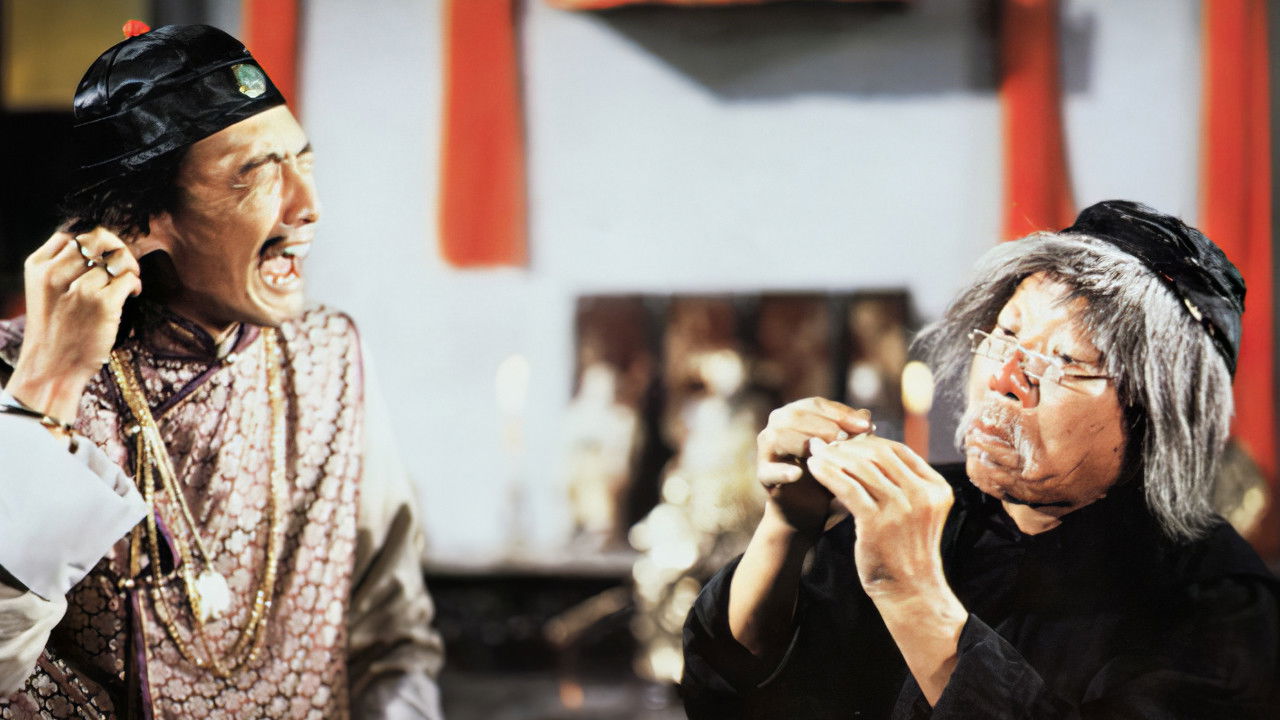
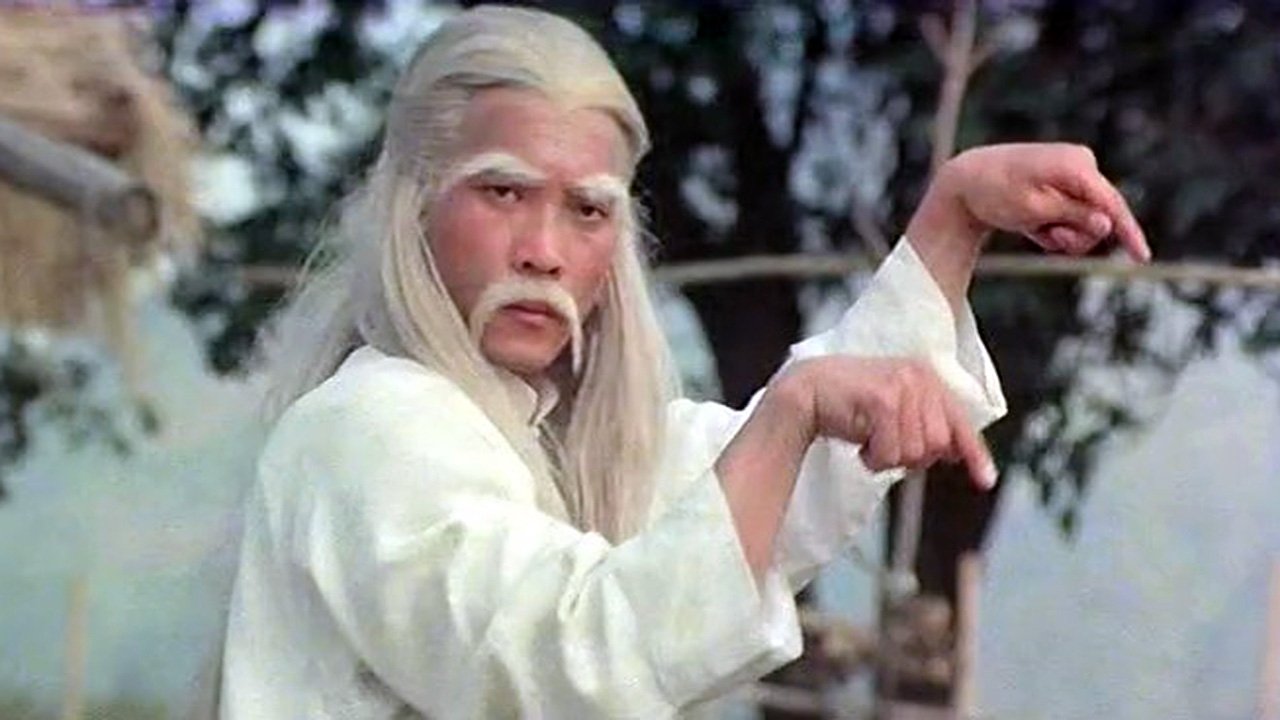
You can't talk Dance of the Drunk Mantis without immediately thinking of Drunken Master (1978). This film picks up the story of Beggar So, or Sam the Seed as he's known here, the eternally tipsy Sifu played with irreplaceable charm by the legendary Simon Yuen Siu-tin. Here, Sam has adopted a rather blockheaded young man, Foggy (Yuen Shun-yi, Simon Yuen's real-life son), and is trying, between swigs from his gourd, to impart his Drunken Fist knowledge. The plot itself is classic kung fu simplicity: Sam has an old beef with the brilliantly named 'Rubber Legs' (sometimes 'Sickness Master'), a ruthless fighter played by the equally legendary Hwang Jang-lee, who now wants lethal revenge.
This film carries a poignant weight, as it was Simon Yuen's final starring role. He sadly passed away from a heart attack during production in January 1979, making his vibrant, physically demanding performance here all the more remarkable. Watching him stumble, sway, and strike with that mischievous glint in his eye feels like a final, glorious encore. There's a rumour that his absence necessitated some creative editing and the use of doubles for certain scenes, but honestly, his spirit permeates the entire film. It's a testament to his enduring screen presence and the foundation he laid for the entire kung fu comedy genre, alongside his incredibly talented sons who shaped so much of Hong Kong action cinema – most notably the director here, Yuen Woo-ping.
### Kicks That Could Kill (And Probably Hurt)
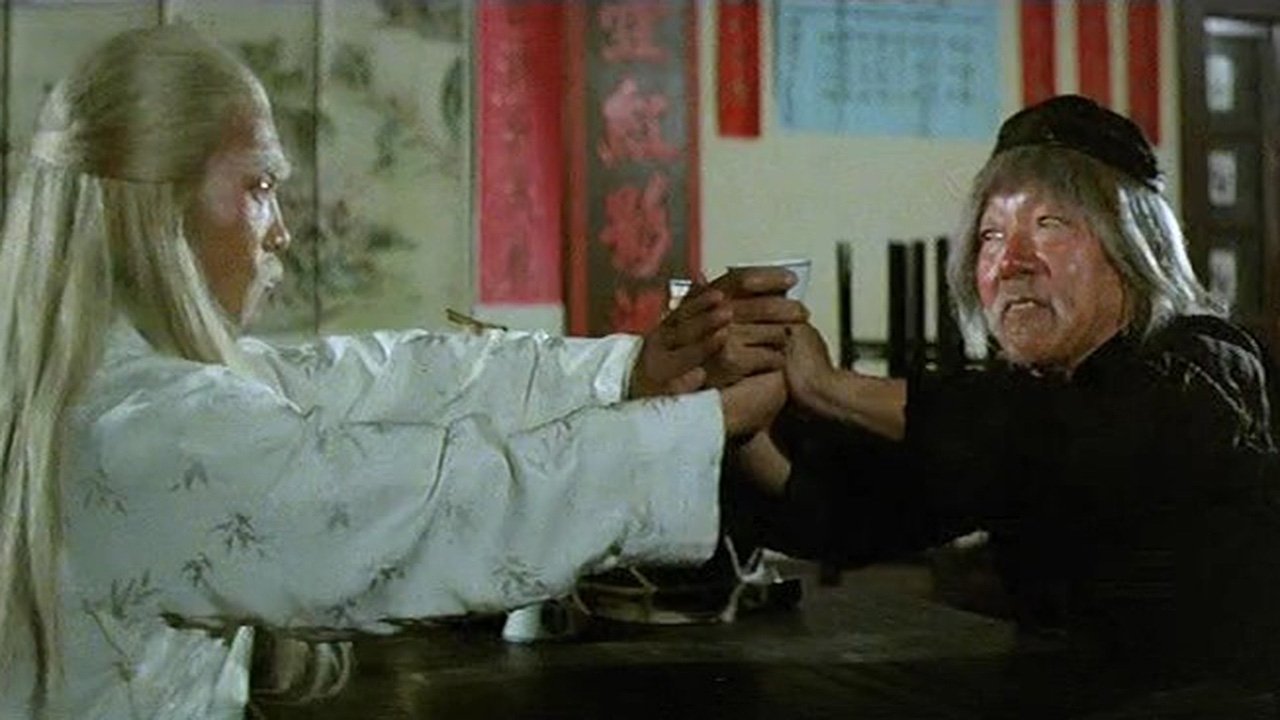
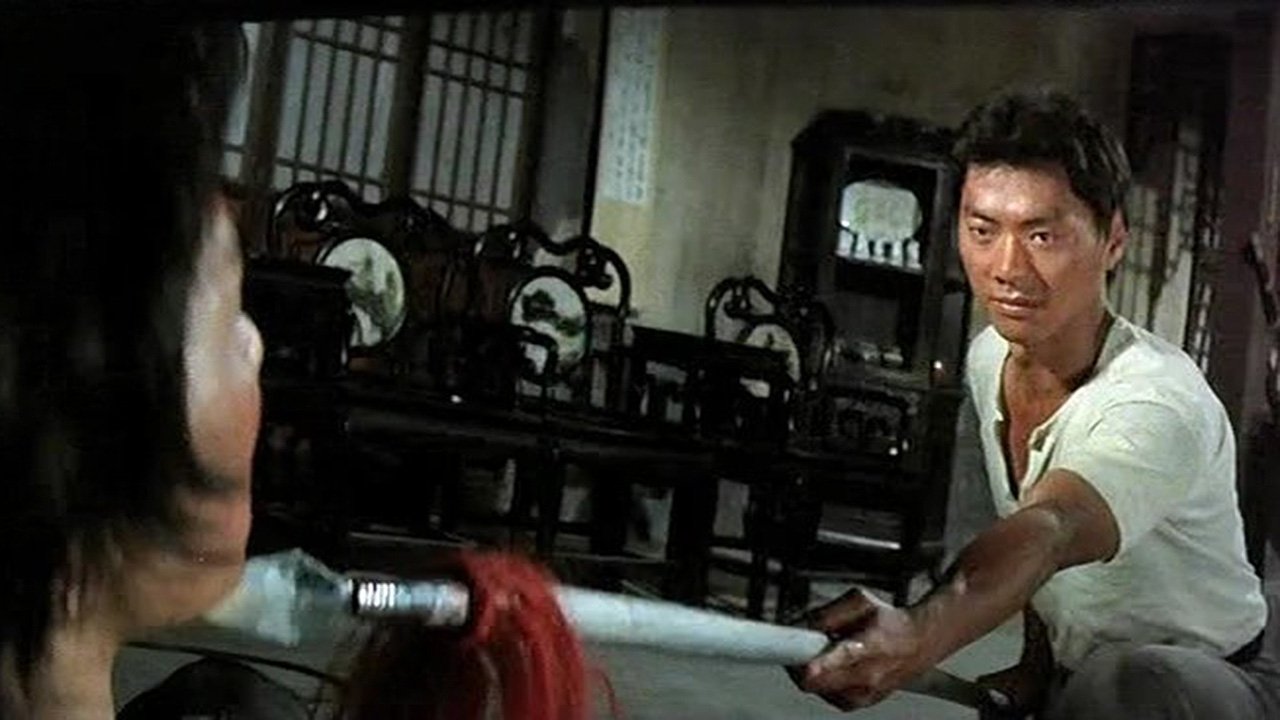
Let's talk action, because that's the main event. Yuen Woo-ping, already riding high from directing Snake in the Eagle's Shadow (1978) and Drunken Master (1978), brings his signature blend of intricate choreography, painful-looking impacts, and surprising comedic timing. The training sequences are pure gold – Foggy learning the bizarre 'Sickness Boxing' from his ailing father figure, mimicking coughs and feeble movements that somehow translate into potent fighting techniques. It's weird, it's wonderful, and it's pure Yuen Woo-ping invention.
And then there's Hwang Jang-lee. My word. Known as 'Thunderleg' or the 'Silver Fox', this Korean Hapkido master possesses some of the most electrifying kicking skills ever captured on film. His portrayal of Rubber Legs is deadly serious, a perfect foil to Sam the Seed's drunken antics. Every time Hwang Jang-lee unleashes a flurry of kicks – high, low, spinning, impossibly fast – you feel the menace. Remember how real those hits looked back then? That wasn't slick CGI; that was raw physical prowess, performers pushing their bodies to the limit, often with minimal padding and maximum commitment. There's an intensity, a danger, to these fights that modern, smoother effects often struggle to replicate. You could almost feel the wind rush past your face as his foot whipped across the screen on that fuzzy CRT! It's widely known that his control was so precise, yet his power so immense, that fellow actors were genuinely intimidated during fight scenes.
### Vintage Charm and VHS Vibes
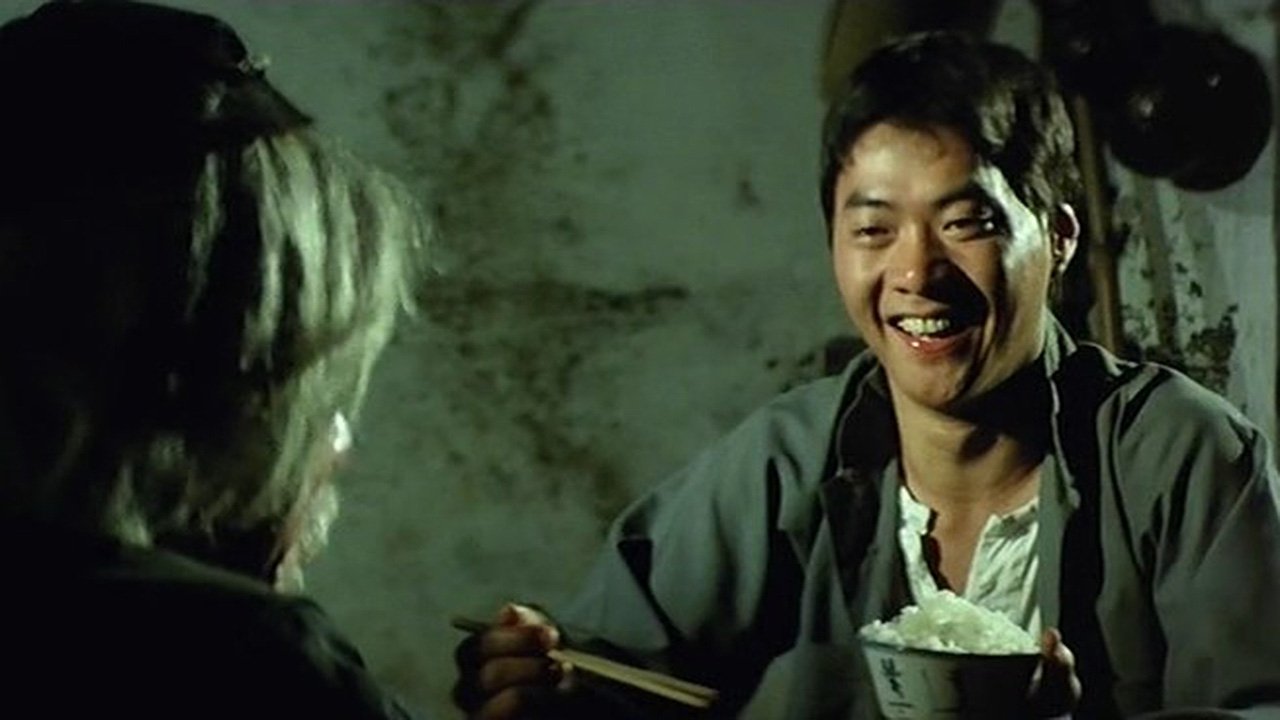
Sure, viewed through modern eyes, some elements creak a little. The English dubbing, a common feature of these films hitting Western shores on tape, is often gloriously over-the-top or hilariously mismatched. The plot doesn't exactly demand deep intellectual analysis – it's a framework for fantastic fights and endearing characters. But that's part of the charm, isn't it? It's a product of its time, lean and focused on delivering exactly what its audience craved: incredible martial arts action blended with infectious humour.
The film benefits greatly from its supporting cast, including Linda Lin Ying as Sam Seed's long-suffering wife, adding a touch of exasperated heart to the proceedings. The production feels efficient, likely shot quickly and on a modest budget, as was common for Golden Harvest productions aiming to capitalize on the kung fu boom spearheaded by producer and writer Ng See-yuen. Yet, Yuen Woo-ping's direction ensures the focus remains squarely on the performers' incredible talents and the dynamism of the fight choreography.
### The Legacy of the Last Drink
While perhaps not quite reaching the iconic perfection of Drunken Master, Dance of the Drunk Mantis remains a high-water mark for classic kung fu comedy. It cemented Hwang Jang-lee's status as one of the all-time great screen villains and provided a bittersweet, final showcase for the utterly unique Simon Yuen. For fans digging through crates (virtual or physical) for genuine 80s/90s martial arts flavor, this is essential viewing. It captures that specific energy – the blend of slapstick, jaw-dropping skill, and clear-cut good vs. evil – that made Saturday afternoon kung fu theatre and late-night VHS sessions so magical.
Rating: 8/10
Justification: While the plot is thin and it slightly suffers from Simon Yuen's incomplete participation, the film delivers spectacularly where it counts. Yuen Woo-ping's choreography is top-tier, Hwang Jang-lee is phenomenal as the villain, and Simon Yuen's final performance is both hilarious and poignant. It’s a quintessential example of the genre and era, packed with the kind of raw, practical fight work that still impresses today.
Final Thought: Forget slick wires and digital doubles; this is the glorious, grounded, slightly goofy, and utterly breathtaking stuff that wore out our VCR heads, and it still kicks just as high.