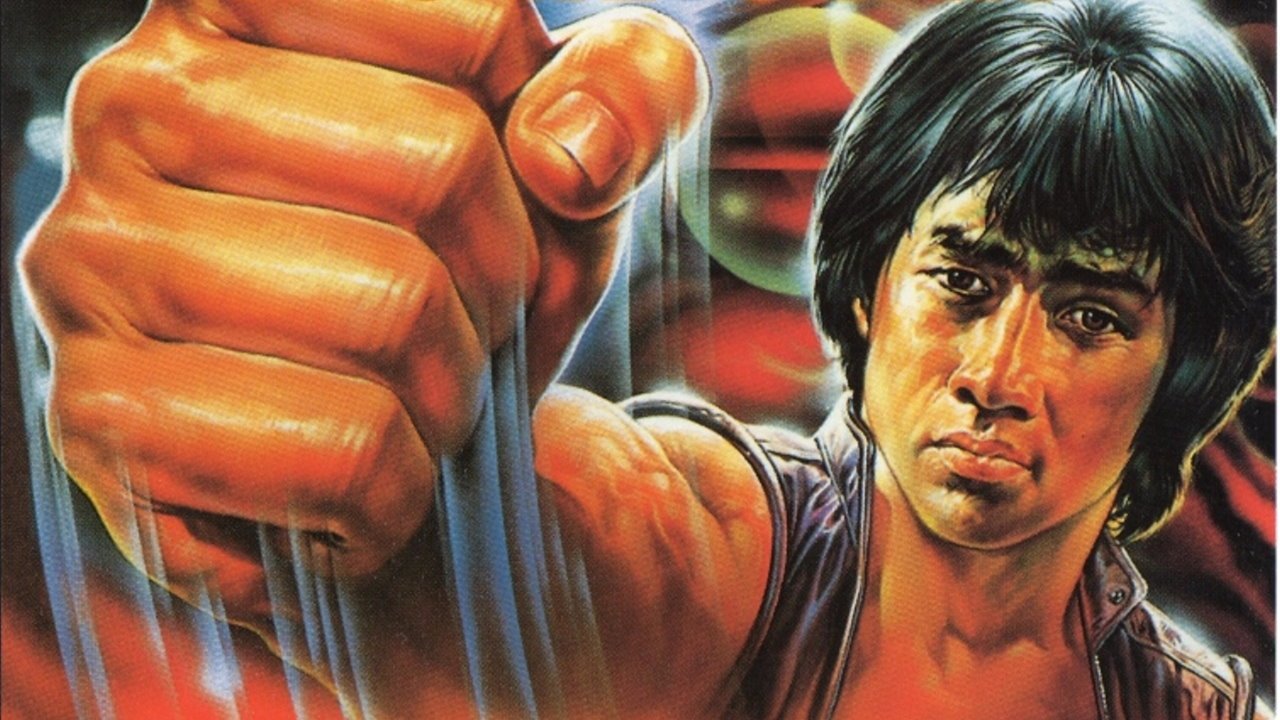
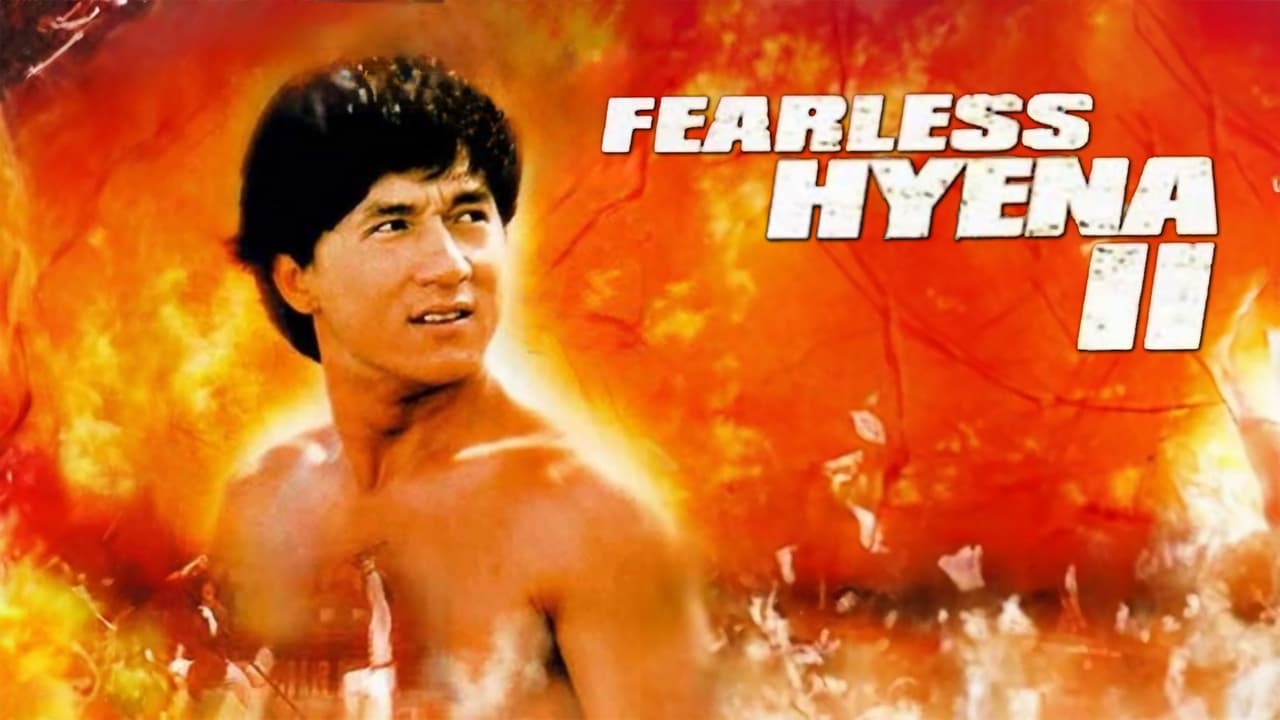
Alright, fellow tapeheads, gather 'round the flickering glow of the metaphorical CRT. Let's rewind to a time when finding a new Jackie Chan movie on the video store shelf was cause for genuine celebration. You see the cover – Jackie, mid-kick, maybe pulling one of his signature pained/comic expressions. You grab it, rush home, slam it into the VCR… but something feels… off. Welcome, friends, to the curious case of Fearless Hyena II (1983), a film less "sequel" and more a bizarre cinematic Frankenstein assembled from spare parts.
### The Phantom Sequel
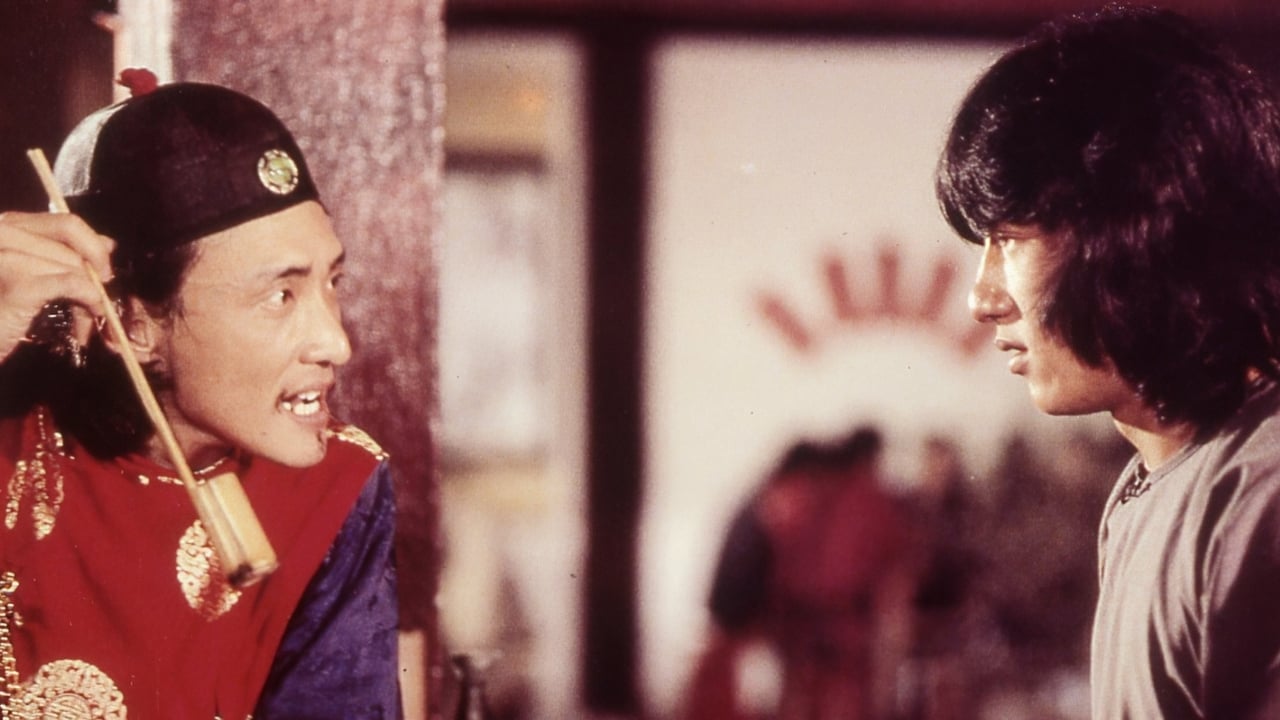
If you went into Fearless Hyena II expecting a direct continuation of the brilliant original 1979 Fearless Hyena (Jackie's superb directorial debut!), you were likely in for a head-scratcher. The plot, such as it is, ostensibly follows Chan's character, Chien Fu, and his cousins facing off against the vengeful "Heaven and Earth Devils," two fearsome fighters seeking revenge for events possibly related to the first film… maybe? Honestly, keeping track is a challenge, because the narrative feels like it was stitched together with masking tape and wishful thinking. And there’s a very good reason for that.
Here's the crucial Retro Fun Fact that unlocks the whole mystery: Fearless Hyena II exists primarily because of a bitter contract dispute. Jackie Chan had famously broken his contract with producer/director Lo Wei, the man who gave him his first big breaks but also stifled his creativity, to jump ship to the greener pastures of Golden Harvest. Lo Wei, holding onto unused footage from the original Fearless Hyena shoot, wasn't about to let his former star go without wringing out a few more dollars. He hired director Chan Chuen (though Jackie is sometimes credited due to the reused footage he directed for the first film) and brought in stunt doubles – sometimes laughably obvious ones in bad wigs – to film new connecting scenes around the existing Jackie material. Jackie Chan actually sued Lo Wei to try and halt the film's release, highlighting just how unauthorized this "sequel" truly was.
### Spot the Genuine Article
Despite the patchwork nature, the moments where the real Jackie Chan shines through are undeniable sparks of genius. Remember the incredible training sequences and intricate fights from the first movie? Fragments of that brilliance are recycled here. When it is Jackie on screen, performing his unique blend of kung fu mastery, breathtaking acrobatics, and Chaplinesque physical comedy, the film momentarily comes alive. You see the raw, unrefined energy that would soon make him a global superstar.
The action, even in the cobbled-together sequences, retains that gritty, tangible quality we crave from the golden age of Hong Kong action. We're talking real impacts, intricate choreography performed by actual human beings (even if one of them isn't always Jackie), and stunts that look genuinely painful. Forget CGI wire removal; here, you sometimes see the wires, adding a strange layer of behind-the-scenes honesty. There's a certain charm to the sheer audacity of trying to build fight scenes around a star who wasn't fully participating. Did you ever pause the tape, squinting at the screen, trying to figure out if that was really Jackie in the wide shot? I know I did.
### Caught in the Mix
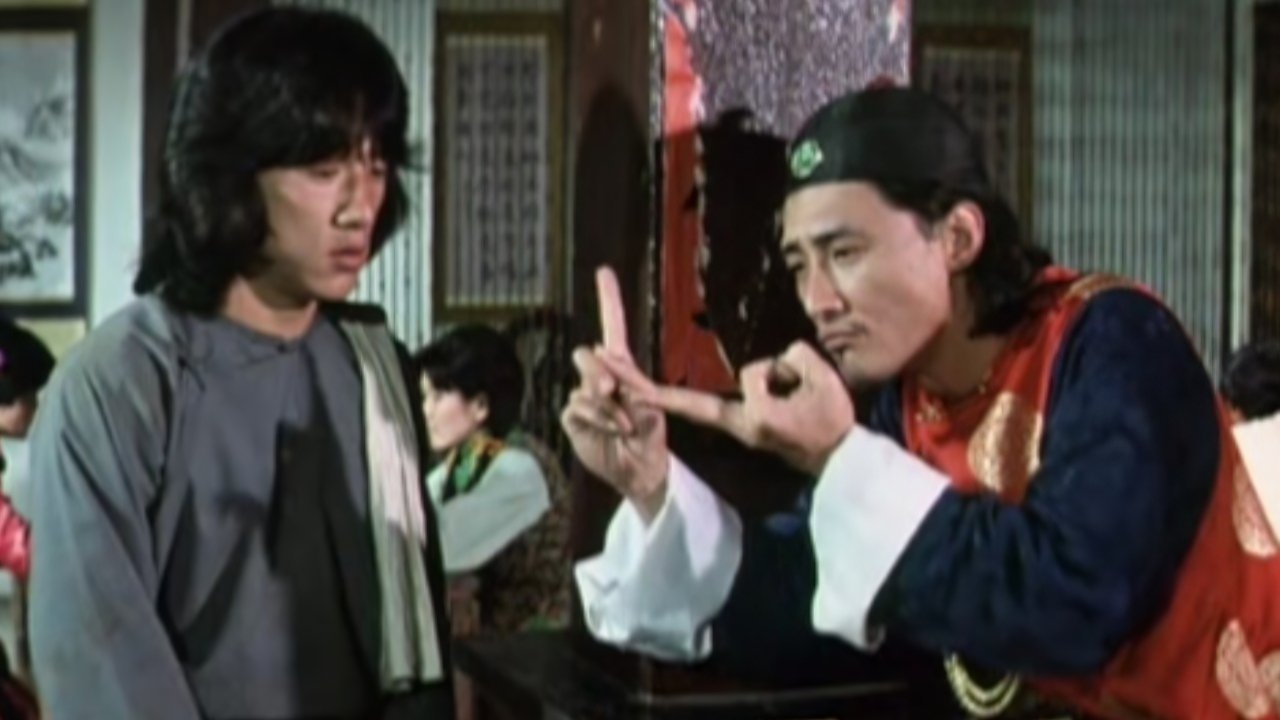
It’s almost impossible to talk about performances in a film assembled like this. We see familiar faces like the wonderfully rubber-faced Dean Shek (a Hong Kong comedy legend) and veteran James Tien pop up, likely reprising roles or playing similar characters using leftover footage or brief new shoots. Their presence adds a touch of familiarity, but they often seem adrift in the narrative chaos, victims of the choppy editing designed to blend old and new. The villains, the Heaven and Earth Devils, have a certain menacing presence, but their motivations feel as murky as the film's overall continuity.
### A VHS Oddity Unearthed
Finding Fearless Hyena II back in the day often felt like unearthing a bootleg curio. It wasn't usually front-and-center like Police Story or Project A. It lurked in the martial arts section, maybe with slightly faded cover art, promising Jackie Chan action but delivering something… stranger. Watching it on a fuzzy rental tape probably did the film some favors, blurring the lines between the real Jackie and his doubles, maybe making the whole disjointed experience feel more like a fever dream. It was the kind of tape you might talk about with friends: "Did you see that weird Jackie Chan sequel? Was that really him the whole time?"
This film stands as a fascinating, if flawed, relic of a specific moment in Hong Kong cinema history – a testament to contractual battles and the lengths producers would go to capitalize on a rising star's name. It's certainly not top-tier Jackie Chan, lacking the polish, coherent storytelling, and sheer innovative energy of his Golden Harvest masterpieces that were just around the corner. Yet, for the dedicated fan or the VHS archeologist, it holds a certain bizarre appeal.
VHS Heaven Rating: 4/10
The Score Explained: The rating reflects the film's deeply compromised nature – it’s a disjointed mess born from conflict, featuring jarring edits and obvious doubling. However, the rating gets bumped up slightly purely for the salvaged segments of genuine, prime early Jackie Chan brilliance recycled from the original, offering glimpses of the magic. It's also fascinating as a historical artifact of industry disputes.
Final Rewind: Fearless Hyena II is the cinematic equivalent of finding a rare B-side track stitched together from studio outtakes – undeniably flawed and born of controversy, but containing just enough raw talent from the main star to make hardcore fans lean in, squint, and appreciate the fragments of gold amidst the chaos. Approach with caution, and maybe a sense of humour.