It begins not with a whisper, but a psychic scream ripping through the mundane. A power unseen, unfelt by most, yet capable of tearing flesh and shattering bone. Watching Brian De Palma's The Fury late at night, back when the tracking lines flickered on the CRT screen, felt like tapping into something dangerous, a frequency broadcasting pure, operatic chaos directly into your living room. It’s a film that doesn't just depict psychic phenomena; it feels psychic, unpredictable, and volatile, leaving you reeling from its sudden, brutal shifts in tone and intensity.
A Father's Vengeance, A Psychic Awakening
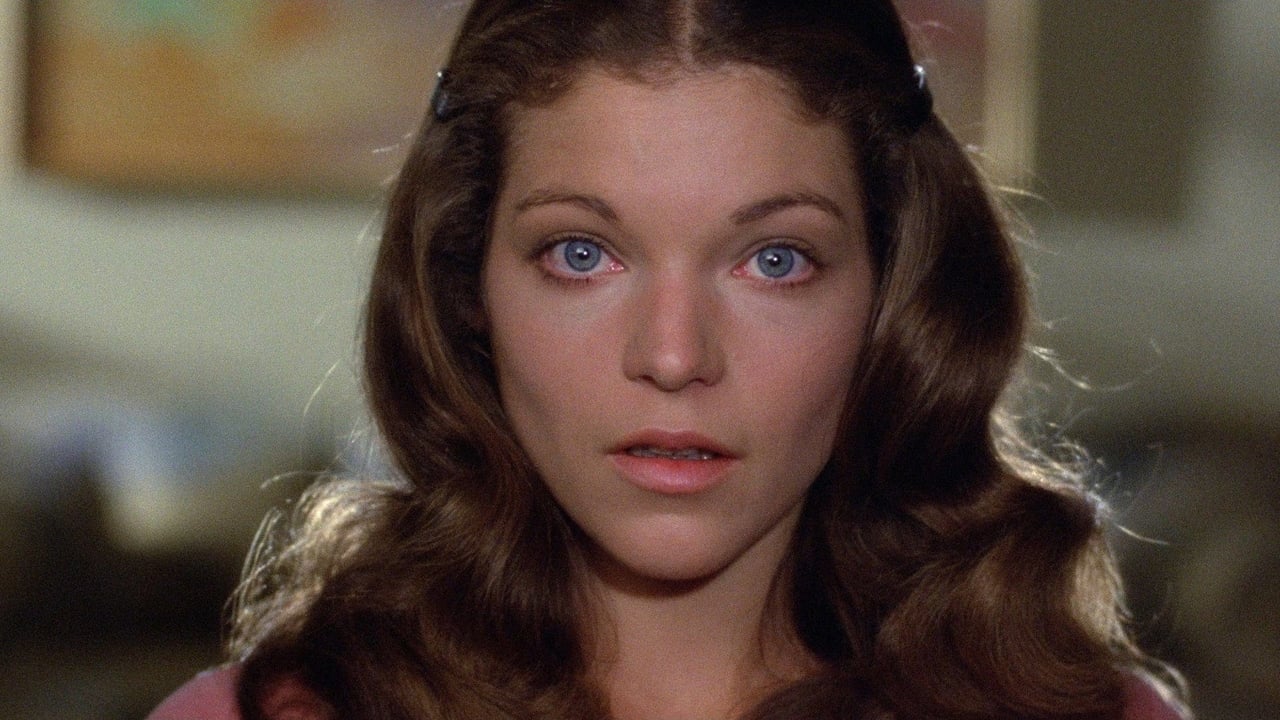
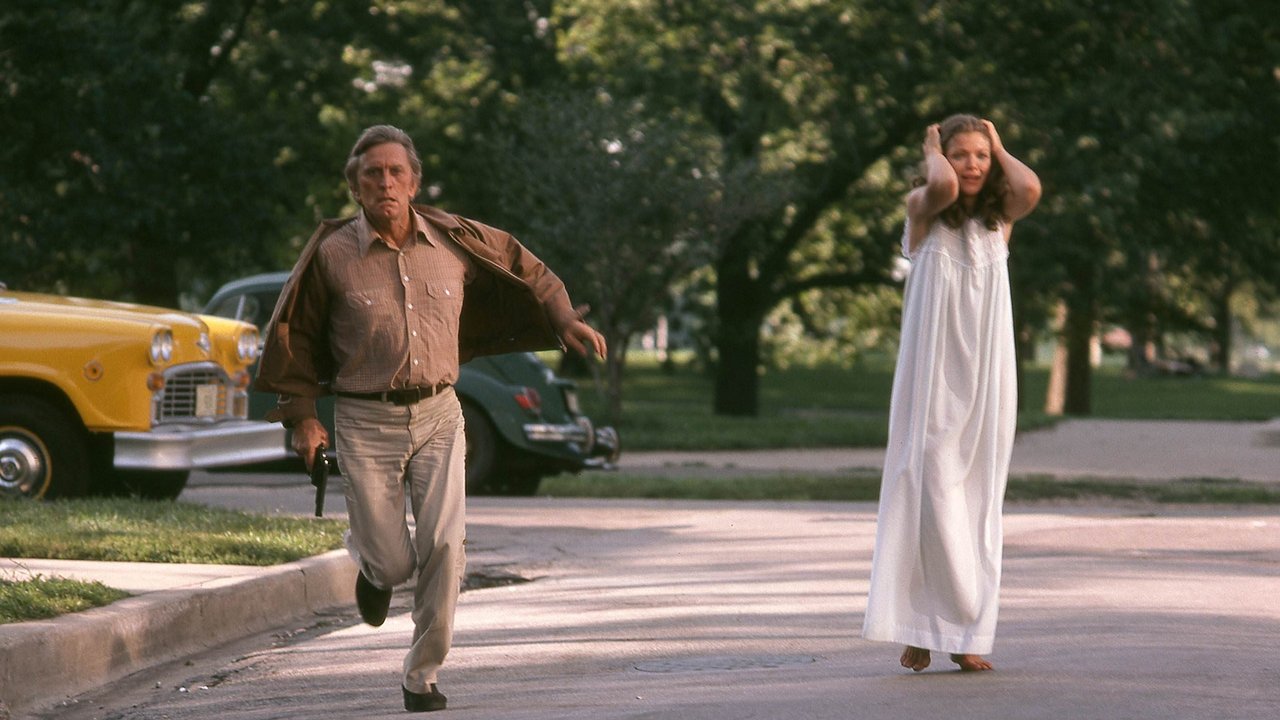
At its heart, The Fury marries a desperate espionage thriller with burgeoning supernatural horror. Kirk Douglas, radiating grizzled determination as ex-CIA operative Peter Sandza, is a force of nature hunting for his son, Robin (Andrew Stevens), who possesses extraordinary psychic abilities. Robin hasn't just run away; he's been abducted by Peter's former colleague, the chillingly pragmatic Ben Childress (John Cassavetes), who heads a shadowy agency aiming to weaponize these powers. Simultaneously, we meet Gillian Bellaver (Amy Irving, fresh off Carrie and bringing a similar fragile intensity), a young woman whose own psychic gifts are starting to manifest, often painfully, connecting her to Robin's plight. It's a collision course fuelled by paternal rage and uncontrollable psychic energy.
De Palma Unleashed
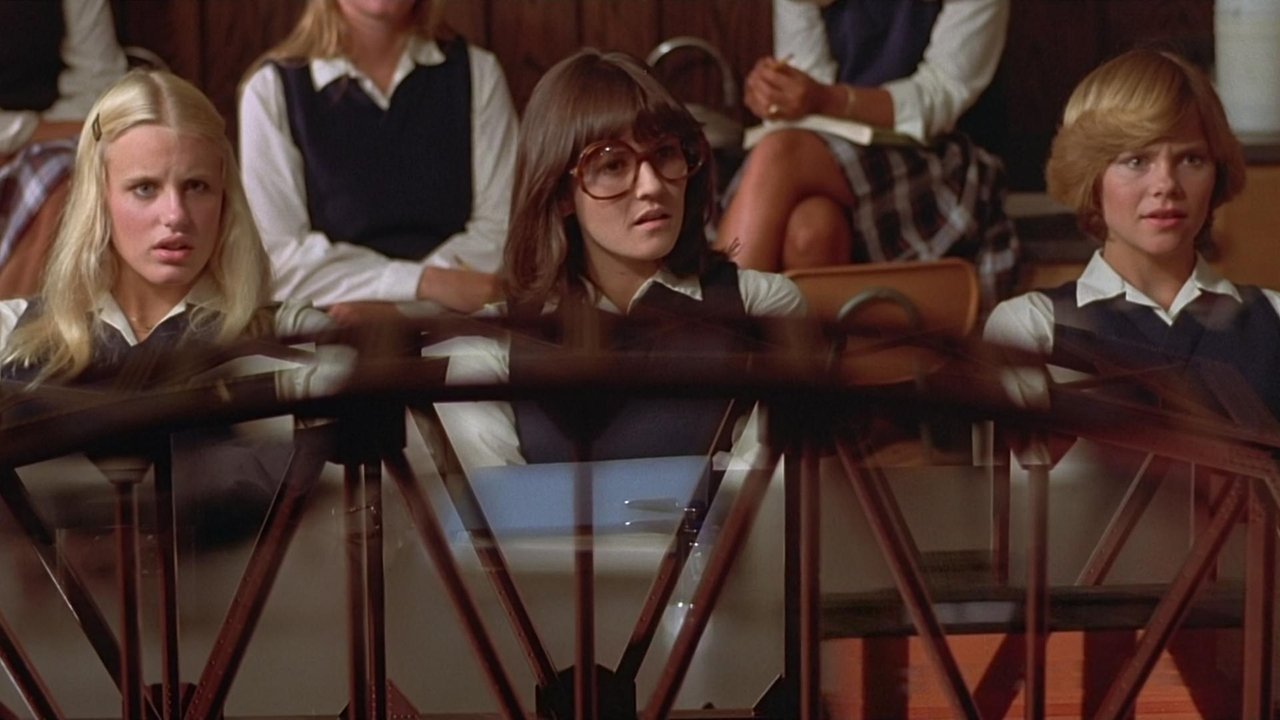
If Carrie was De Palma’s high school horror symphony, The Fury feels like his sprawling, blood-soaked political opera. Released in 1978, just two years after Carrie, it shares thematic DNA – the ostracized psychic, the devastating consequences of power – but amps everything up. De Palma leans heavily into his signature style: the deliberate pacing punctuated by shocking violence, the voyeuristic camera, the use of slow-motion to heighten moments of impact, and those intricate split-diopter shots that keep multiple points of focus sharp, creating a constant sense of unease. The screenplay, adapted by John Farris from his own novel, gives De Palma ample room for these visual flourishes, even if the plot occasionally feels like it's juggling too many disparate elements – part spy chase, part psychic melodrama, part government conspiracy. Does the blend always work seamlessly? Perhaps not, but it's undeniably compelling.
Visceral Visions and Practical Pain
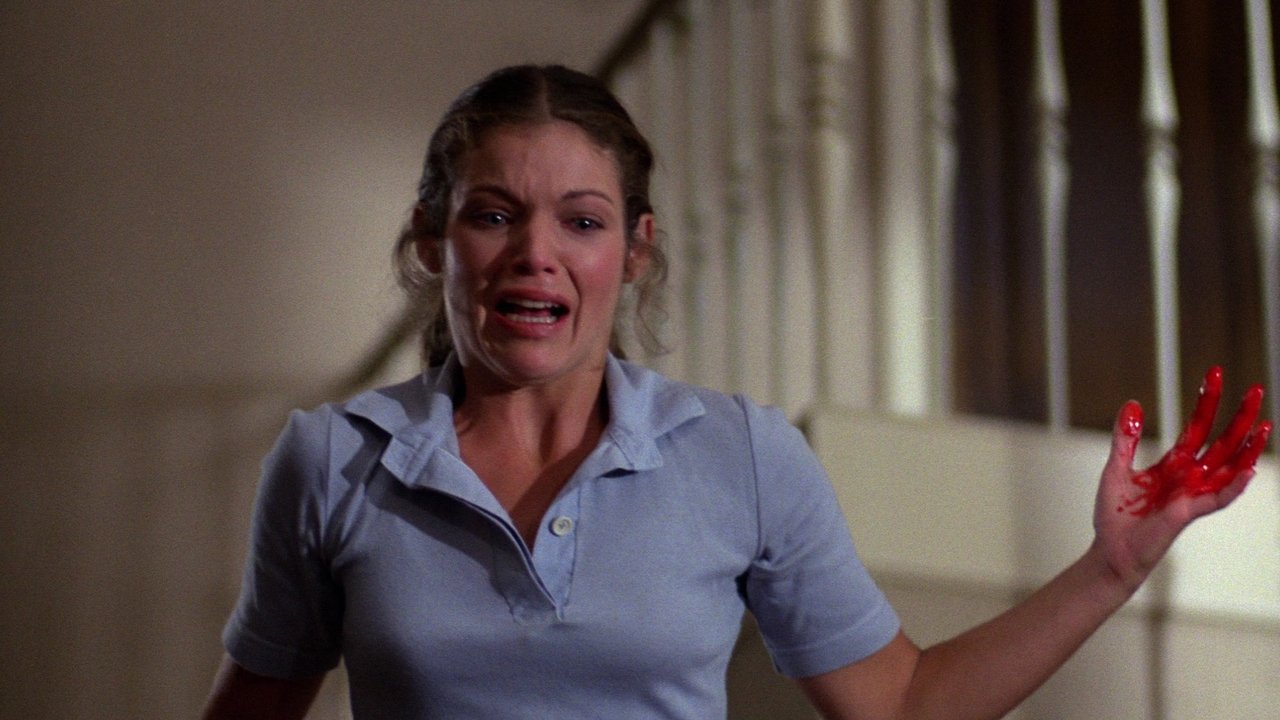
What truly burns The Fury into memory are its moments of graphic, visceral horror. This isn't subtle suggestion; it's raw, physical impact. The psychic nosebleeds are sudden and alarming, but it's the bigger set pieces that stand out. The film features sequences of telekinetically induced mayhem that feel genuinely dangerous, culminating in one of the most notoriously explosive finales in cinema history. Spoiler Alert! The climactic demise of John Cassavetes' character wasn't achieved with CGI finesse, but with good old-fashioned practical effects wizardry involving a meticulously crafted mannequin packed with explosives. Actor Andrew Stevens reportedly expressed concern over how disturbingly lifelike the dummy for his character's earlier (also violent) exit looked. These effects, created long before digital safety nets, possess a tactile, messy reality that still feels potent. It cost a reported $7.5 million back then (around $33 million today), and you can see where the money went – particularly in these ambitious, pyrotechnic sequences.
Behind the Psychic Curtain
The production itself wasn't without its own intensity. John Cassavetes, known for his improvisational directing style and raw acting, apparently brought a challenging energy to the set, clashing at times with the meticulous De Palma. Yet, his performance as Childress is magnetic – understatedly menacing, conveying a chilling bureaucratic evil. It’s a perfect counterpoint to Douglas’s raw physicality. And providing the soaring, dramatic pulse is none other than John Williams, composing a powerful, often overlooked score between his iconic work on Star Wars and Superman. It lends the film an epic, almost tragic quality. Filming took place partly on location in Chicago, adding a grounded feel to the fantastical elements, with the prestigious Lake Forest Academy standing in for the sinister Paragon Institute. Though initially met with mixed reviews – some critics found it excessive or uneven compared to Carrie – The Fury generated a respectable $24 million at the box office (roughly $106 million today) and steadily built a devoted cult following on home video. Did you catch it back then, maybe on a worn-out rental tape? That explosive ending certainly wasn't something you easily forgot.
An Unforgettable, Messy Masterpiece?

The Fury isn't a perfect film. Its narrative threads sometimes fray, and its tonal shifts can be jarring. It careens from tense espionage standoffs to moments of profound psychic connection, then detonates into gore-splattered horror. Yet, its ambition, its visual bravura, and its sheer, unadulterated intensity make it unforgettable. It’s De Palma embracing excess, crafting a film that feels both deeply personal in its exploration of violation and control, and wildly spectacular in its execution. It’s the kind of bold, messy, and ultimately thrilling filmmaking that feels increasingly rare.
Rating: 8/10
This score reflects The Fury's undeniable power and technical artistry, particularly De Palma's direction, Williams' score, and the unforgettable practical effects. While the plot coherence occasionally wobbles, the film's visceral impact, chilling performances (especially Cassavetes), and unique blend of genres make it a standout supernatural thriller from the era. It might not be as tightly focused as Carrie, but its sheer audacity leaves a lasting, often unsettling impression. It’s a psychic storm captured on celluloid, still capable of shocking and thrilling decades later.