Alright, settle in, pop that tape in the VCR (you might need to fiddle with the tracking), and let's talk about a film that haunted the "New Releases" shelf like a brightly-colored, slightly confused ghost: 1982's Grease 2. Following up one of the biggest movie musical phenomena of all time without the original stars? It felt like cinematic daredevilry back then, and frankly, the results were… something else entirely. This wasn't just a sequel; it was a weird, Day-Glo reflection, arriving four years after the original but feeling worlds apart.

Return to Rydell (Sort Of)
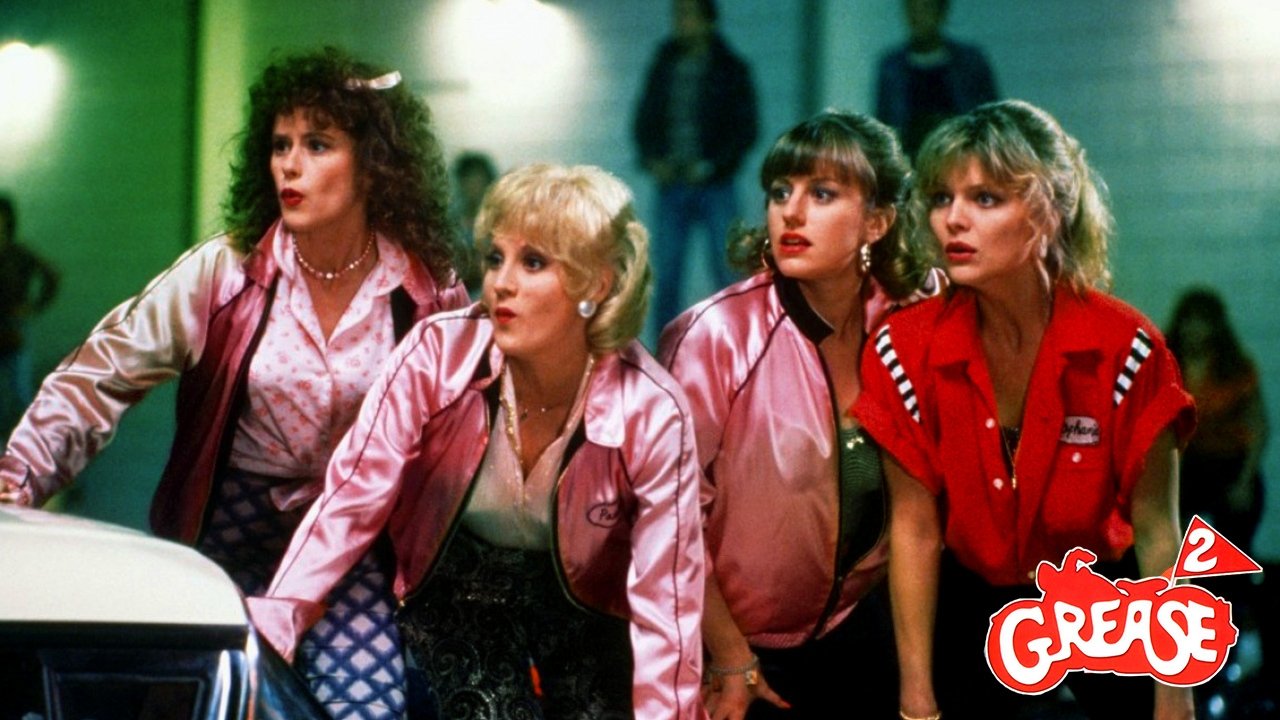
We're back at Rydell High, circa 1961 (two years after Danny and Sandy supposedly graduated), but things feel different. The T-Birds are now led by Johnny Nogerelli (Adrian Zmed, bringing a certain earnest goofiness), and the Pink Ladies have a new queen bee: Stephanie Zinone, played by a luminous, impossibly cool Michelle Pfeiffer. Into this mix drops Michael Carrington (Maxwell Caulfield), Sandy Olsson's clean-cut English cousin. The twist? This time, it's the girl who wants the bad boy on a motorcycle, and the guy who has to transform himself to win her heart. It’s a gender-flipped premise that sounds promising on paper, but the execution often veers into the wonderfully bizarre.
Where Did the Magic Go? (And What Replaced It?)

Let's be honest: comparing the music here to the original Grease is like comparing a kazoo solo to a symphony orchestra. The songs in Grease 2, penned largely by Ken Finkleman, lack the instant, timeless catchiness of "Summer Nights" or "You're the One That I Want." Yet... and here's where the VHS cult magic kicks in... some of them burrow into your brain with alarming tenacity. Michelle Pfeiffer absolutely sells "Cool Rider," turning a potentially cheesy number into a declaration of proto-feminist desire atop a ladder. It’s pure star power overcoming baffling staging. Who can forget the sheer audacity of "Reproduction," a biology lesson transformed into a hip-swiveling, double-entendre-laden classroom nightmare? Or the bowling alley anthem "Score Tonight," which feels less like innocent fun and more like a fever dream choreographed by someone who just discovered neon?
Speaking of choreography, Patricia Birch, who brilliantly staged the dances for the original Grease (both on Broadway and film), stepped up to direct this sequel. You can see flashes of her energetic style, especially in the bigger ensemble numbers, but it often feels frantic rather than fluid. It's like the early 80s interpretation of early 60s energy got plugged into a faulty socket – lots of sparks, but not always hitting the mark. It’s a fascinating contrast to the smoother, more character-driven choreography of the first film.
Pfeiffer Shines, Caulfield Broods
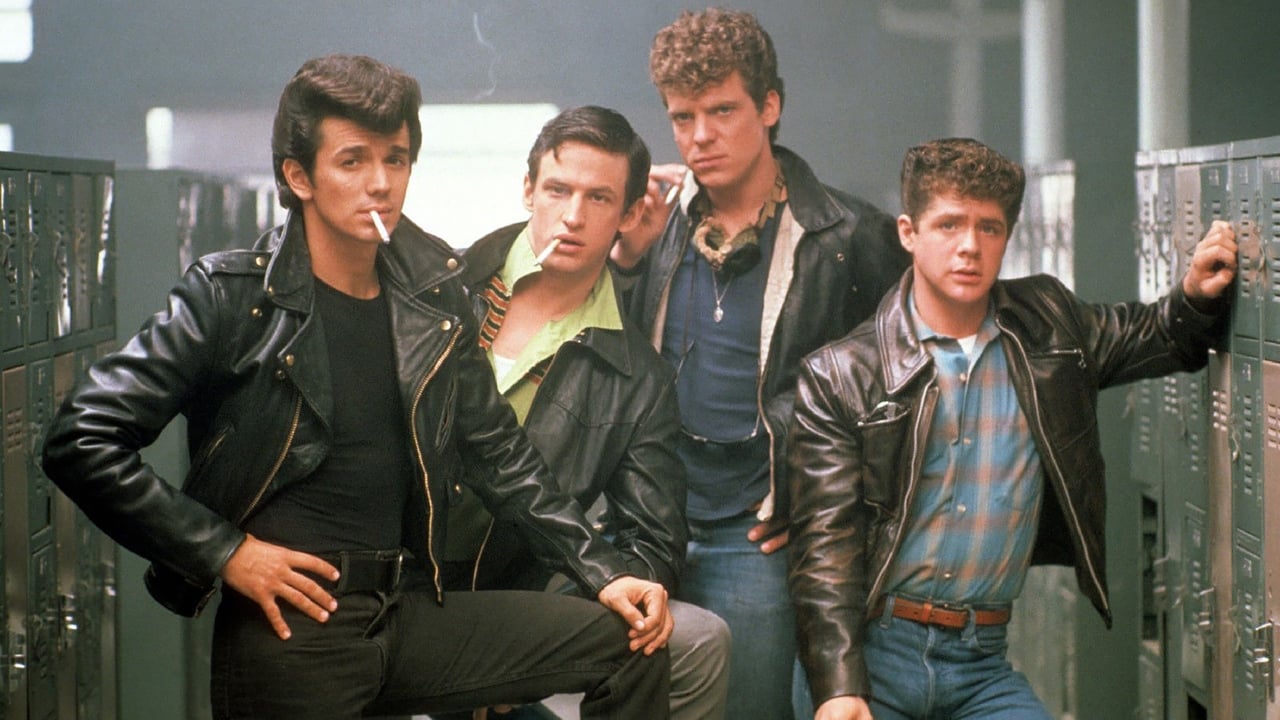
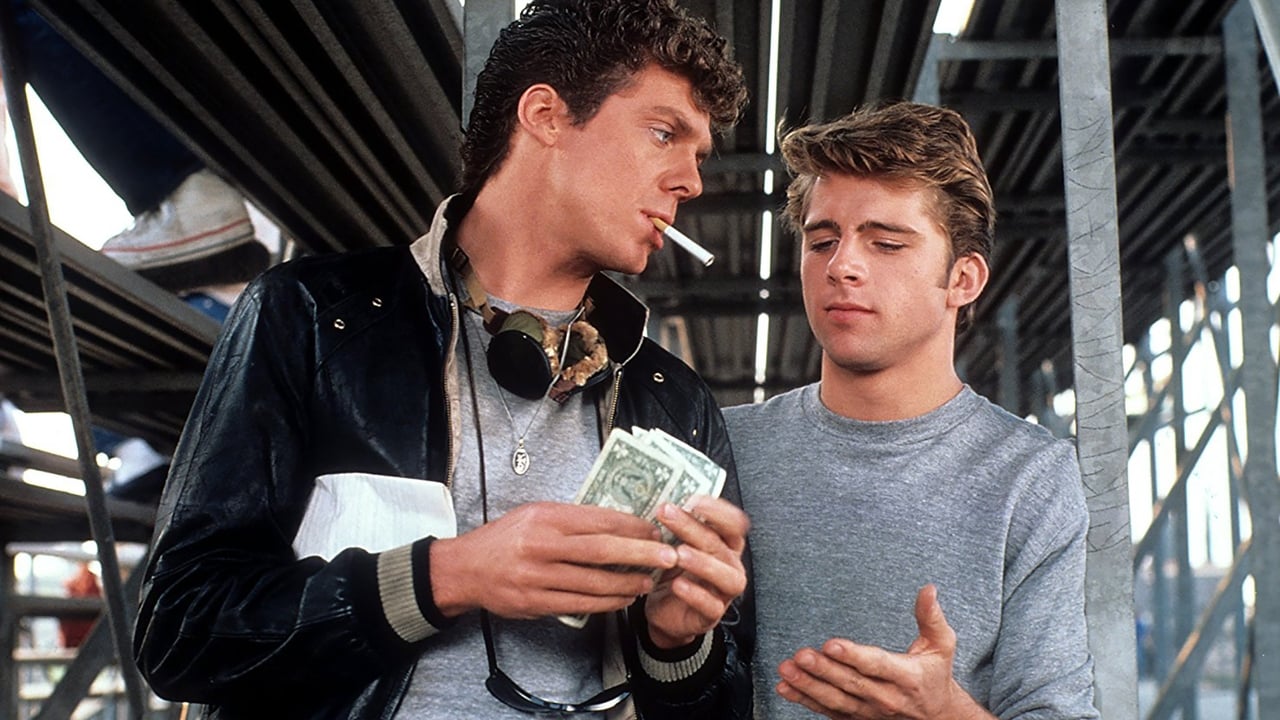
This movie belongs to Michelle Pfeiffer. Even in one of her earliest major roles, she possesses an undeniable screen presence. Stephanie Zinone is sharp, independent, and radiates a coolness that the film desperately clings to. You totally buy why Michael would disguise himself as the mysterious "Cool Rider" to get her attention. It's a performance that hinted at the major star she was about to become (just look ahead to Scarface the following year, or The Fabulous Baker Boys later in the decade). Rumor has it Pfeiffer wasn't exactly thrilled with the film later in her career, but watching it now, her contribution is its saving grace.
Maxwell Caulfield, meanwhile, had the unenviable task of being the "new Travolta." While handsome and certainly committed (especially to those smoldering stares), his Michael Carrington often comes across as more wooden than enigmatic. There's a story that teen heartthrob Andy Gibb was considered for the role, and one wonders how different the film might have felt. Caulfield definitely looked the part, especially in the leather jacket, but the spark just wasn't quite the same. Supporting players like Adrian Zmed, Lorna Luft (Judy Garland's daughter!), and returning faces like Didi Conn (Frenchy) and Eve Arden (Principal McGee) do their best, but they're often swimming against a tide of awkward dialogue and nonsensical plotting.
A Sequel's Curse and a Cult's Blessing
Unsurprisingly, Grease 2 crash-landed at the box office and took a critical drubbing upon release in 1982. It grossed about $15.2 million domestically against its approximate $6 million budget – a far cry from the original's hundreds of millions. Critics lambasted the weak songs, the flimsy plot, and the pale imitation of its predecessor. It seemed destined for the cinematic scrap heap.
But then came cable television and the golden age of VHS rentals. I distinctly remember seeing that familiar Grease logo with a "2" slapped on it at the local video store, renting it out of sheer curiosity (and maybe a little pre-teen confusion). Divorced from the impossible expectations of being Grease, the sequel found a second life. Its oddities became endearing. The bizarre songs became singalong guilty pleasures. The slightly-off 80s-does-60s aesthetic (those Pink Ladies jackets look way more synthetic this time around) developed a certain kitsch appeal. It became the definition of a cult classic – a film loved not necessarily despite its flaws, but often because of them. Was this the movie we expected? Absolutely not. Was it secretly kind of fun to rediscover on a fuzzy CRT late at night? You bet.
Rating: 4/10
The Score Explained: Look, this is miles away from the five-star perfection of the original. The plot is thinner than T-Bird leather, many songs are clunkers, and it often feels like a misguided attempt to recapture lightning in a bottle. BUT, Michelle Pfeiffer is magnetic, "Cool Rider" is an unironic bop, and the sheer, unadulterated weirdness ("Let's Do It for Our Country," anyone?) provides a unique brand of entertainment. It earns points for audacity and its undeniable cult status, largely fueled by those countless VHS viewings.
Final Thought: Grease 2 is the cinematic equivalent of finding your favorite band's weird, experimental B-side collection on cassette – it's not the hit album, but for a certain kind of fan, there's a strange, enduring affection for its off-key charms. Definitely not greased lightnin', but maybe... slightly lubricated peculiarity?