Okay, fellow tape-heads, let’s dim the lights and rewind to a slightly gentler corner of our shared cinematic memory. Sometimes, amidst the explosions and laser battles that defined so much of the VHS era, a quieter, more unassuming gem found its way into our VCRs, leaving an unexpectedly deep impression. I’m talking about Disney’s 1978 animated featurette, The Small One – a short film with a heart far bigger than its titular donkey. While technically a late 70s creation, its presence on compilation tapes and holiday TV specials made it a familiar, tender fixture for many of us growing up in the 80s.
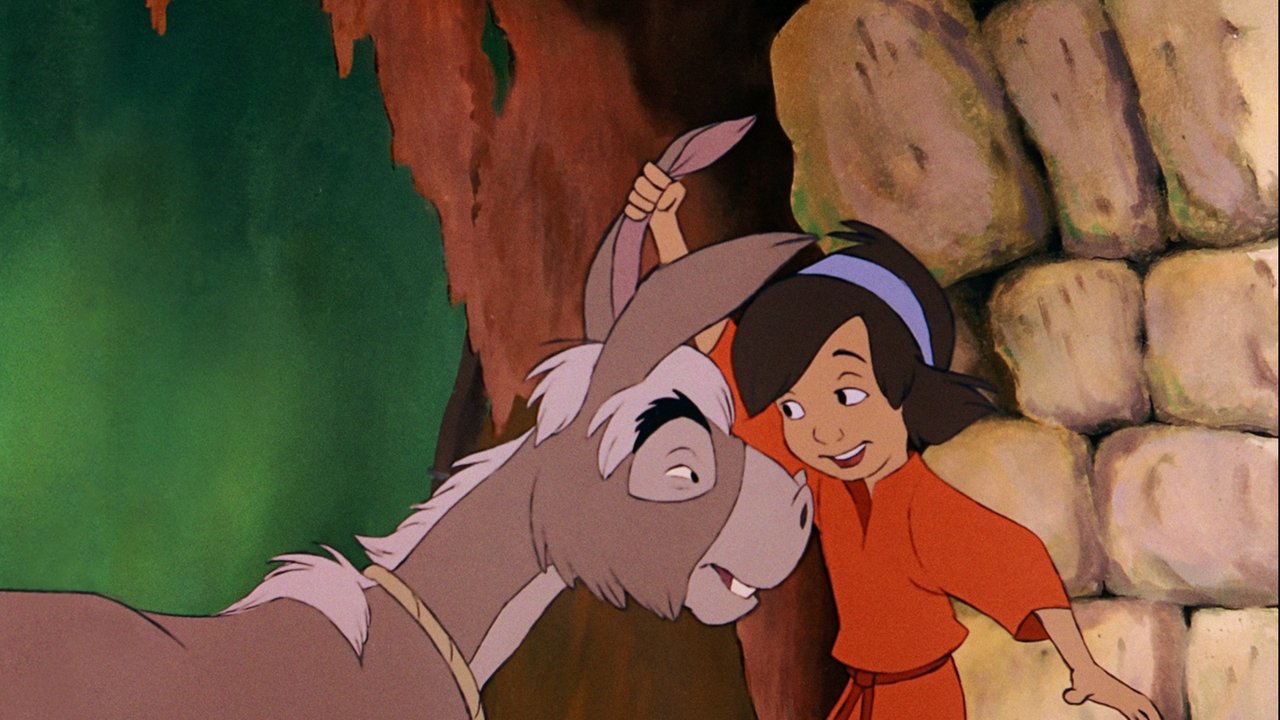
This wasn't your typical boisterous Disney adventure. Instead, it felt like finding a dusty, beautifully illustrated storybook tucked away on the rental shelf. Its gentle melancholy and simple, powerful story stood out, offering a different kind of magic.
A Boy and His Donkey
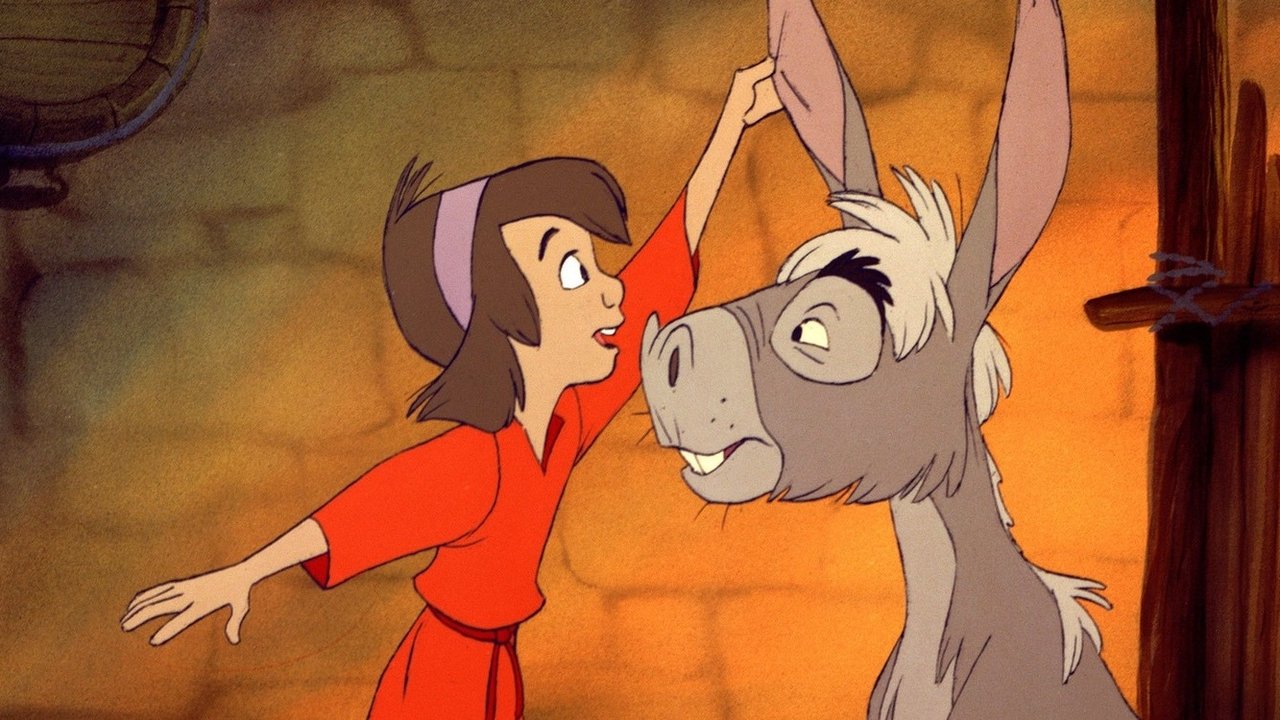
The premise is achingly simple: a young boy in ancient Judea loves his small, aging donkey, named Small One. They're the best of friends, sharing work and companionship under the desert sun. But Small One is getting old, unable to carry heavy loads anymore, and the boy's father gently explains that they must sell him. The core of the film follows the boy's heartbreaking journey to the market in Nazareth, searching desperately for a kind new owner for his beloved friend. Voiced with touching sincerity by Sean Marshall (who keen-eared Disney fans might recognize as Pete from Pete's Dragon), the boy's devotion is the emotional anchor of the entire piece. You feel his quiet desperation, his determination to ensure Small One finds a gentle hand.
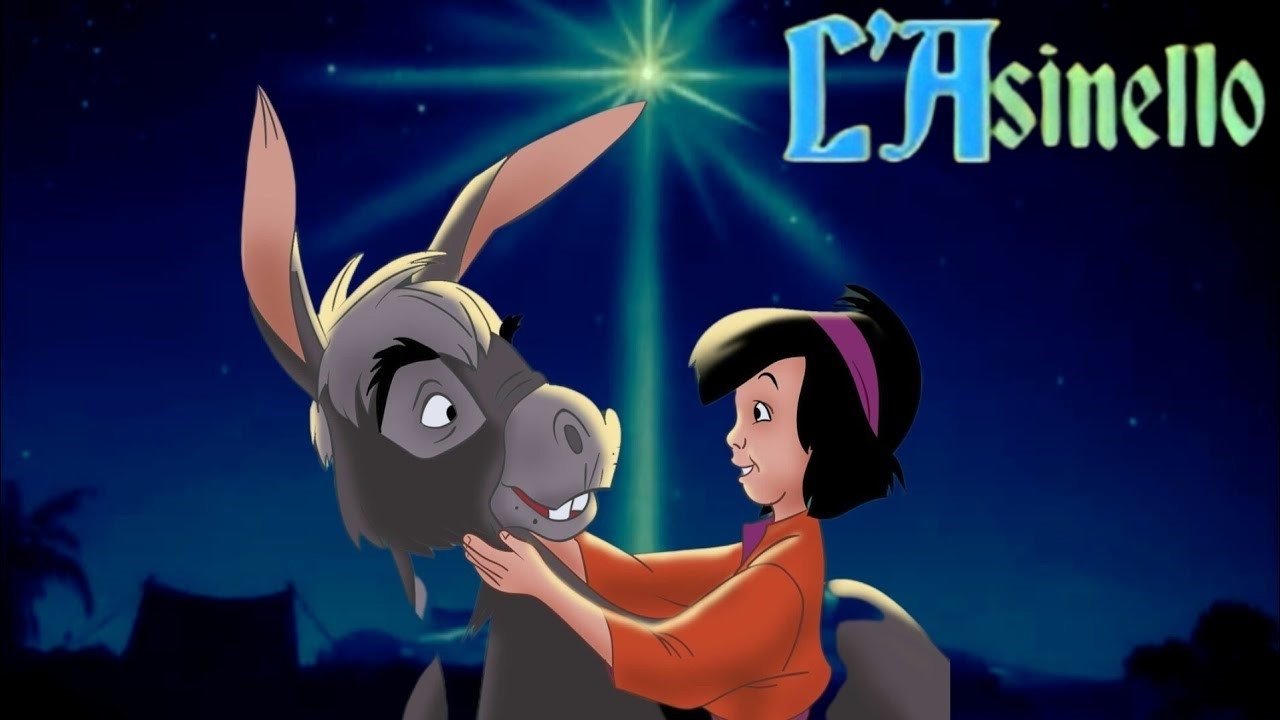
The Bluth Touch Before the Exodus
What makes The Small One particularly fascinating for animation buffs is that it was directed by Don Bluth. Yes, that Don Bluth, the visionary animator who would soon lead a famous walkout from Disney, citing dissatisfaction with the studio's direction, and go on to give us 80s animated staples like The Secret of NIMH (1982), An American Tail (1986), and The Land Before Time (1988). The Small One was, in many ways, a proving ground for Bluth within the Disney system, a chance for him and his team (many of whom would leave with him) to showcase their focus on deeper character emotion and more nuanced animation.
You can see the seeds of his later style here: the expressive character acting, particularly in the animals, the willingness to embrace moments of sadness and uncertainty, and a slightly rougher, more textured look compared to the slickness of earlier Disney eras, thanks partly to the xerographic process common at the time. It’s a transitional piece, bridging the classic Disney feel with the distinct emotional weight Bluth would become known for. It reportedly cost around $600,000-$800,000 to make – a modest sum even then, especially for Disney animation – and was often paired theatrically with re-releases like Pinocchio to give it exposure.
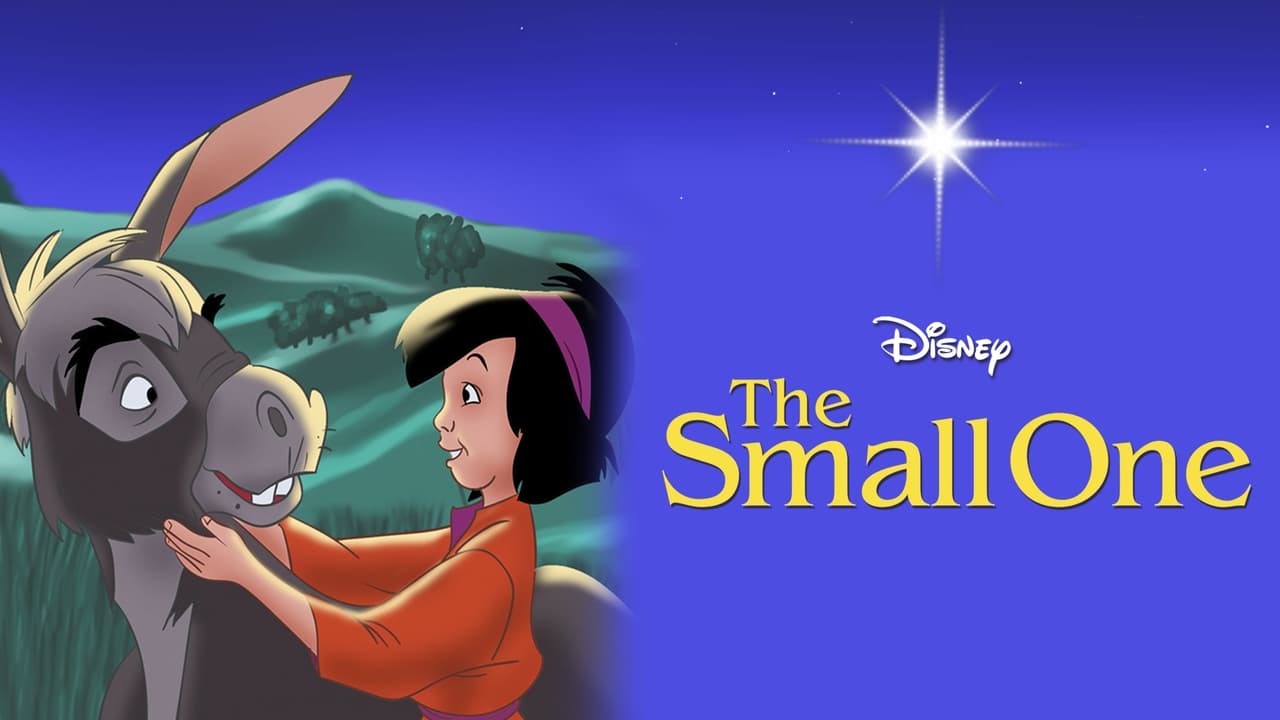
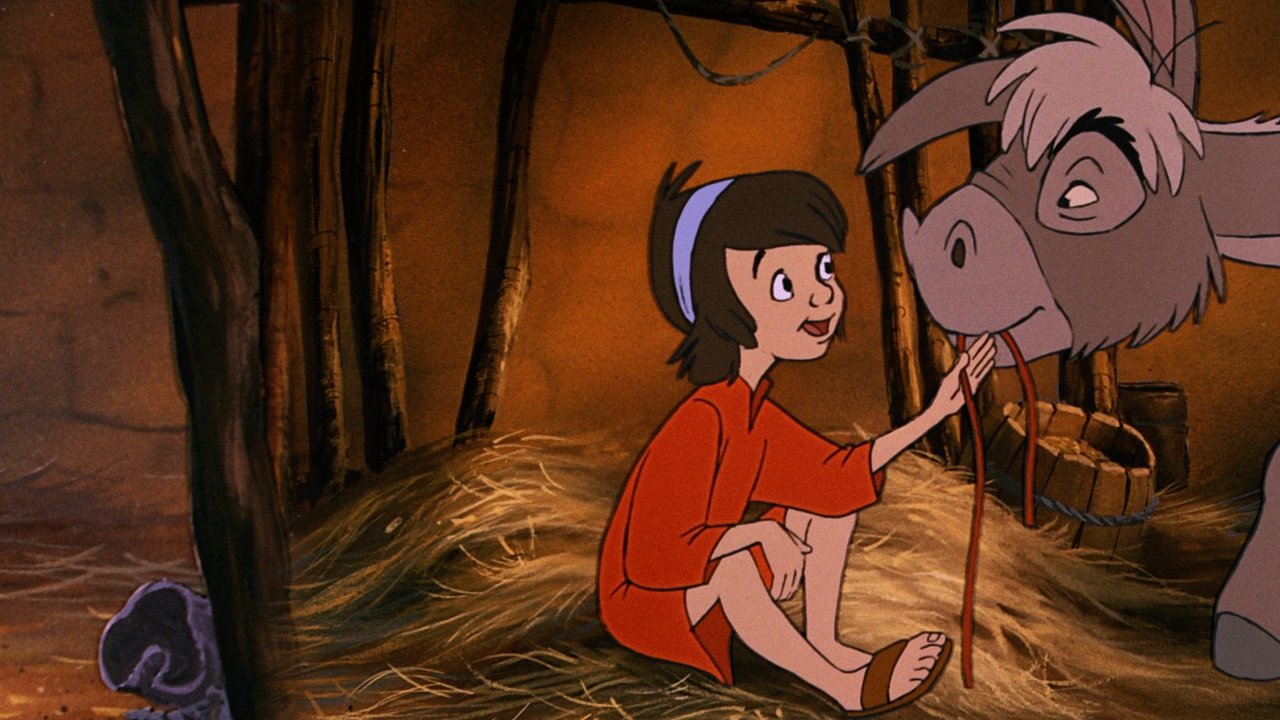
Retro Fun Facts: A Humble Beginning
- Testing Ground: Disney leadership reportedly saw The Small One as a low-risk way to test Don Bluth's directorial capabilities on a smaller scale before potentially assigning him a full feature.
- The Walkout: Its production occurred during a period of growing tension within Disney Animation. Bluth and his collaborators felt the studio was losing its artistic soul. Completing The Small One, with its focus on heartfelt storytelling, likely solidified their resolve, leading to their departure in 1979 to form Don Bluth Productions.
- Source Material: The film is faithfully adapted from a 1947 children's book of the same name by Charles Tazewell, which had already become a quiet Christmas classic.
- Memorable Music: The poignant title song, "Small One," performed by Roberta Lynn, perfectly captures the film's gentle, loving tone and is likely one of the elements that sticks in viewers' memories.
Beyond the Animation Cels
What truly elevates The Small One is its emotional resonance. It’s a story about friendship, loyalty, and the pain of letting go. The scenes in the marketplace, where the boy encounters indifferent or cruel potential buyers (voiced effectively by actors like William Woodson as the gruff Tanner), are genuinely affecting. You root for this kid and his little donkey with surprising intensity.
And then there's the ending (Spoiler Alert for a 45-year-old film!). The boy finally finds the perfect, kind owner for Small One: a gentle man named Joseph, who needs a donkey to carry his wife, Mary, to Bethlehem. It’s a beautifully understated connection to the Nativity story, handled with reverence and providing a deeply satisfying, hopeful conclusion to the boy's emotional quest. It doesn't beat you over the head with religion; it simply offers a moment of quiet grace and significance for our small hero and his beloved friend.
VHS Heaven Rating: 8/10
The Small One might not have the flashy action or laugh-a-minute gags of other animated films from the era, but its power lies in its sincerity. The animation, while characteristic of its time, beautifully conveys the deep bond between the boy and his donkey. The story is simple, yet profoundly moving, tackling themes of loss and kindness with a gentle touch. It earns its 8/10 for its sheer heart, its historical significance as a key Don Bluth project before his independent breakout, and its enduring ability to tug at the heartstrings. It’s a perfect example of how animation can deliver quiet, powerful emotions.
This little film is a reminder that sometimes the most memorable journeys are the most humble ones, carried not by grand spectacle, but by pure, simple love. A true treasure from the Disney vaults, well worth revisiting.