Alright, fellow tape travelers, let’s dust off a particularly vibrant corner of the animated VHS shelf. Picture this: it’s the mid-90s, Disney’s renaissance is in full swing, but tucked amongst the Mouse House titans is a smaller box, bursting with colour and promising a classic fairy tale rendered in a distinctly different style. That was the allure of Don Bluth and Gary Goldman’s Thumbelina (1994), a film that, despite a rocky reception, lodged itself firmly in the hearts of many kids who wore out that particular tape.
### A Sprinkle of Fairy Dust, A Dash of Bluth
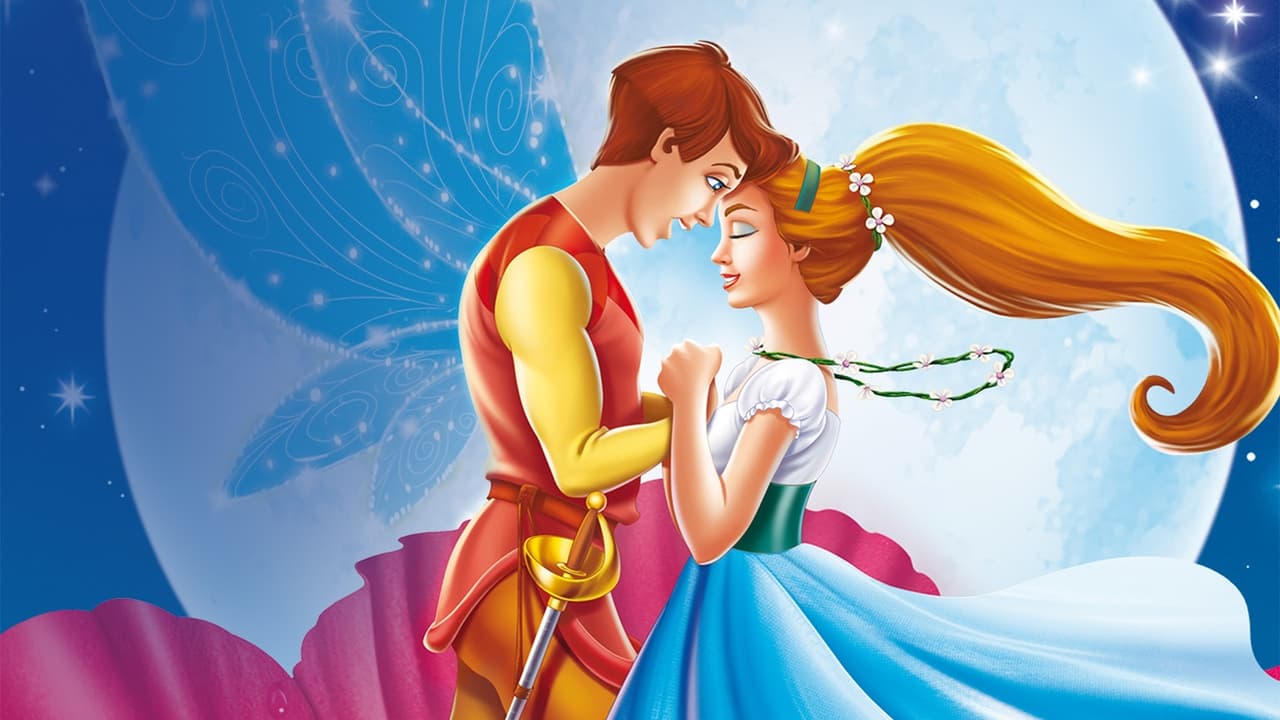
Based on the beloved tale by Hans Christian Andersen, Thumbelina plunges us into a miniature world brimming with beauty and peril. We meet our heroine, no bigger than a thumb (naturally!), magically born from a flower for a lonely woman. Voiced with earnest sweetness by Jodi Benson – yes, the Ariel, fresh off making waves in The Little Mermaid (1989) – Thumbelina dreams of finding someone her own size. Her wish seems granted when she meets the dashing Fairy Prince Cornelius (Gary Imhoff), leading to the film's signature, swoon-worthy song, "Let Me Be Your Wings." Their treetop romance, however, is tragically short-lived.
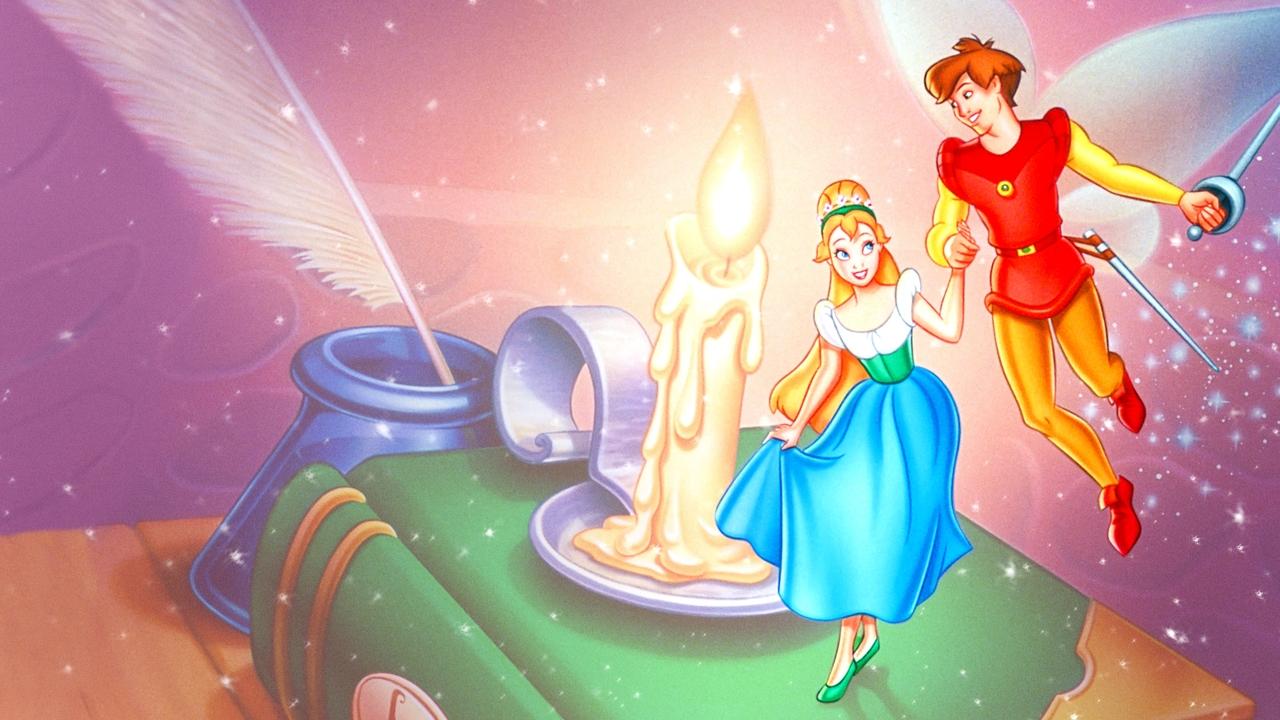
What follows is Thumbelina’s episodic, often quite harrowing, journey home. She’s kidnapped by a troupe of showbiz-minded toads (led by the flamboyant Mrs. Toad, voiced with gusto by Charo!), nearly forced into marriage with a bumbling beetle (Gilbert Gottfried in fine squawking form), and later faces a grim winter under the reluctant care of Ms. Fieldmouse (Carol Channing) who tries to marry her off to the dreary Mr. Mole. It’s a classic Bluthian setup – a vulnerable protagonist facing genuine threats, rendered with a visual richness that set his work apart.
### That Distinctive Animated Glow
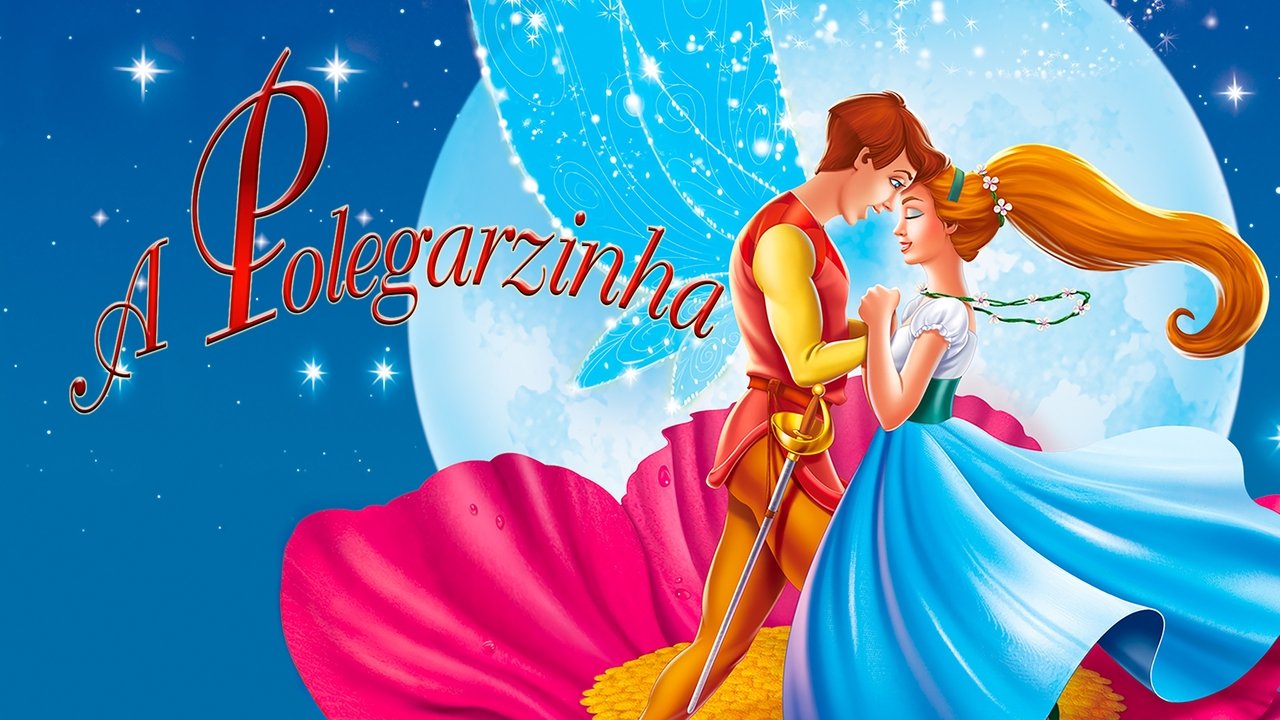
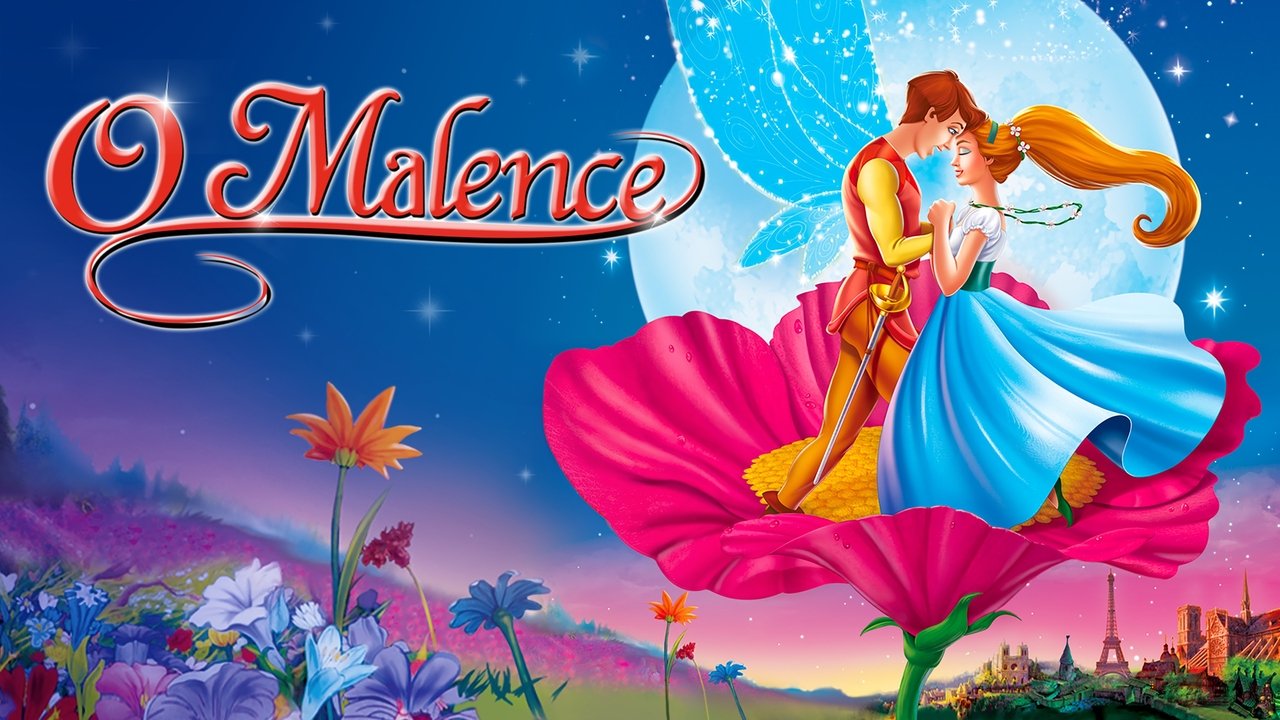
Speaking of visuals, this is pure, uncut Don Bluth. If you grew up with An American Tail (1986) or The Land Before Time (1988), you know the style: lush, detailed backgrounds that feel almost painterly, expressive (sometimes intensely so) character animation, and a penchant for dramatic lighting and slightly darker undertones than its Disney contemporaries. Thumbelina leans heavily into the romantic fantasy aspect, with sparkling fairy wings, dew-kissed flowers, and moonlit dances. You can almost feel the texture of the animation cels, a far cry from the digital sheen that would soon dominate.
The production itself was something of an epic journey. Sullivan Bluth Studios Ireland (as it was then known) began work way back in 1989, aiming to directly compete with Disney's reignited dominance. It was an ambitious undertaking, reflected in the detailed animation, but perhaps also contributing to its lengthy gestation and a final product that some felt lacked a cohesive narrative drive. The budget hovered around $28 million (a significant sum then, maybe ~$60 million today), but it struggled at the box office, pulling in only about $11.4 million domestically and around $30 million worldwide. Critics weren't overly kind either; IMDb scores hover around 6.3/10, and Rotten Tomatoes sits at a less-than-fresh 40%. It even snagged a Razzie Award for Worst Original Song for the undeniably catchy, yet narratively questionable, "Marry the Mole." Ouch.
### Melodies and Memories
Despite the critical knocks and that infamous Razzie, the music, largely composed by Barry Manilow, is often a key part of why people remember Thumbelina fondly. "Let Me Be Your Wings" remains a genuinely lovely ballad, soaring with romantic aspiration. And love it or hate it, "Marry the Mole" is an earworm of the highest order, perfectly encapsulating the dreary practicality Ms. Fieldmouse pushes on our poor heroine. The songs, coupled with the earnest narration of the swallow Jacquimo (Gino Conforti, channeling Maurice Chevalier), weave themselves into the film's distinct fabric. Jacquimo's relentless optimism ("Follow your heart!") is pure 90s fairy tale fuel, isn't it?
There’s a certain charm, looking back, at this era of non-Disney animation. Thumbelina feels handcrafted, earnest, perhaps a little uneven, but undeniably alive. It wasn't trying to mimic Disney beat-for-beat; it had its own visual language, its own slightly off-kilter rhythm. Maybe it’s the nostalgia talking, but seeing Thumbelina navigate grumpy beetles and soulful toads on a fuzzy CRT screen felt like discovering a slightly hidden gem. You knew the Disney films were the polished blockbusters, but films like Thumbelina felt like your discovery, a colourful secret shared amongst friends who also happened upon that particular VHS tape.
### Final Reel
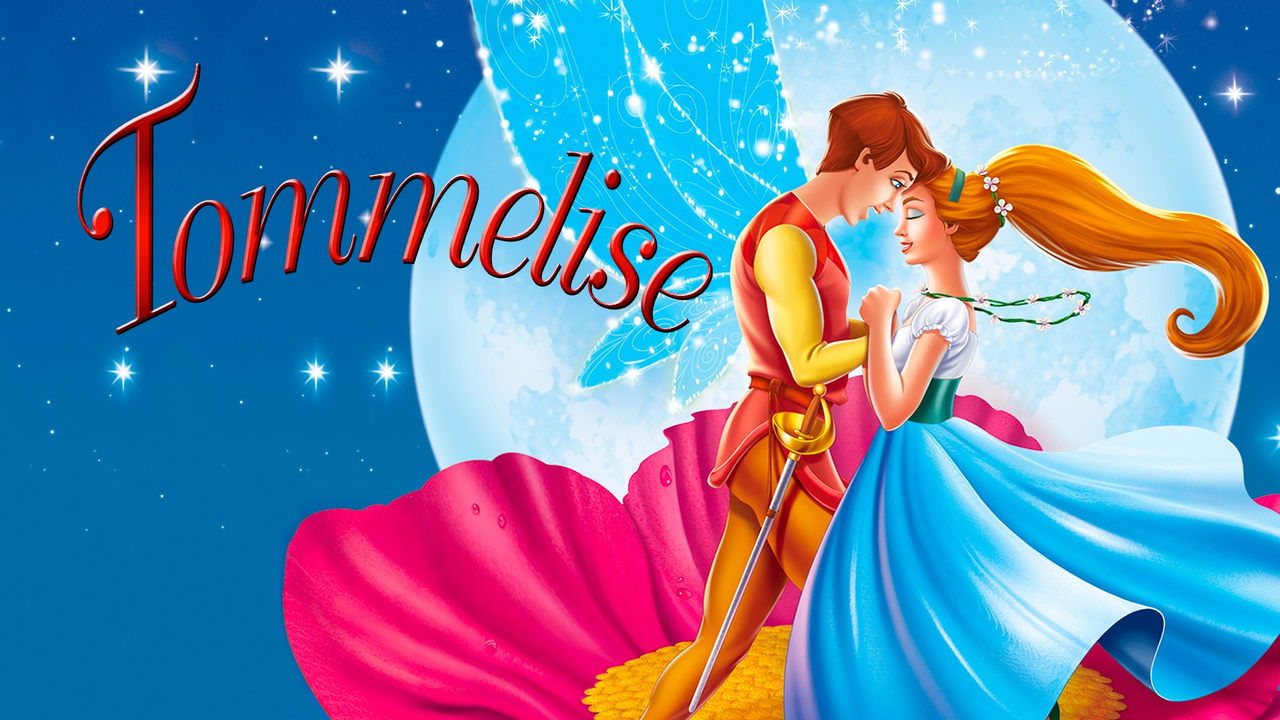
Thumbelina isn't a perfect film. Its episodic plot can feel disjointed, and some character motivations are thin. Yet, it possesses a visual beauty and a heartfelt sincerity that’s hard to completely dismiss, especially viewed through the warm glow of nostalgia. Jodi Benson gives Thumbelina a vulnerability that resonates, the animation has moments of breathtaking artistry, and the songs (yes, even that one) stick with you. It represents a specific moment in animation history – a bold, if ultimately unsuccessful, attempt to offer a different flavour of fairy tale magic. For those who grew up with it, its charm often outweighs its flaws.
Rating: 6.5/10 - This score reflects the film's undeniable visual charm, some lovely music, and potent nostalgic appeal for a certain generation, balanced against its narrative weaknesses and uneven pacing that keep it from being a true classic. It’s a flawed gem, but a gem nonetheless for many who remember it fondly.
So, was Thumbelina a fixture in your VCR back in the day? It might not have reached the fairy tale heights it aspired to, but its journey, much like its tiny heroine's, certainly left a unique, colourful footprint in the landscape of 90s animation.