It wasn't always sunshine and singalongs in the world of 80s animation. Sometimes, nestled between the brightly colored fantasies, you'd find something with a bit more grit, a touch more melancholy, maybe even a hint of danger lurking beneath the charming surface. That unique territory belonged firmly to Don Bluth, the former Disney animator who struck out on his own, and 1989's All Dogs Go to Heaven is perhaps one of the most memorable examples of his signature style – a film brimming with personality, catchy tunes, and surprisingly mature themes that likely stuck with you long after the VCR clicked off.
A Gambler's Return
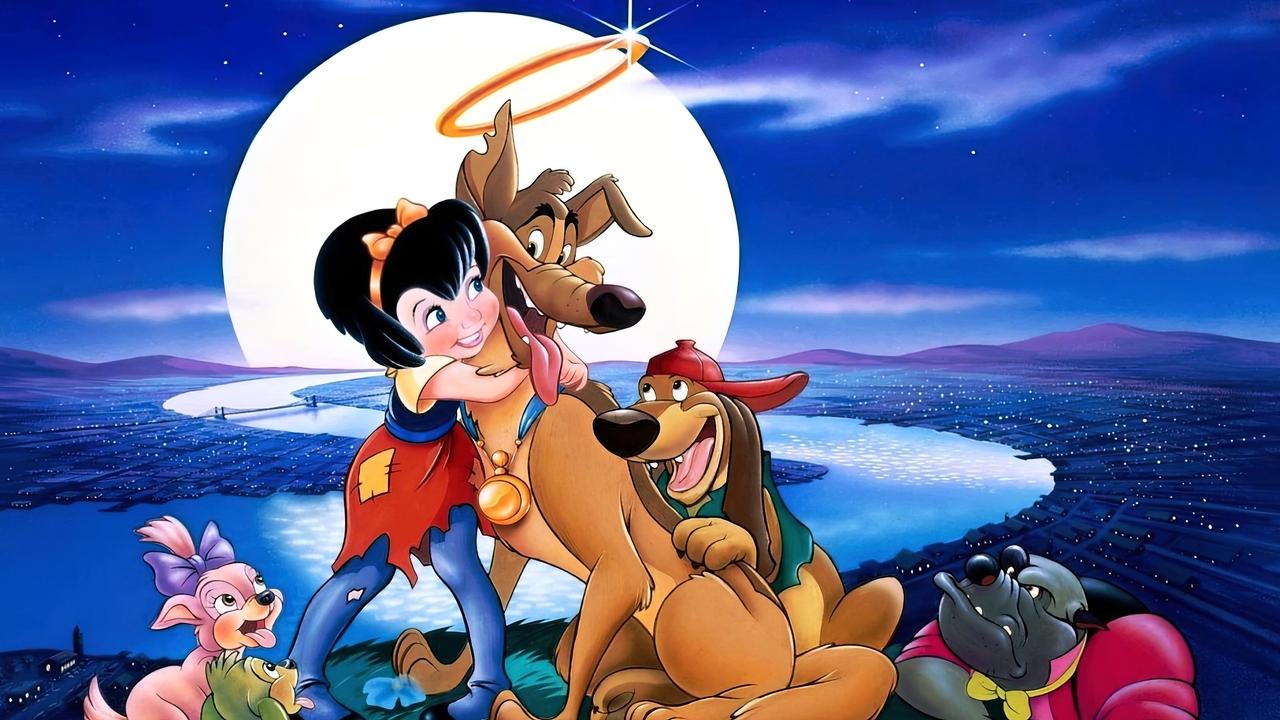
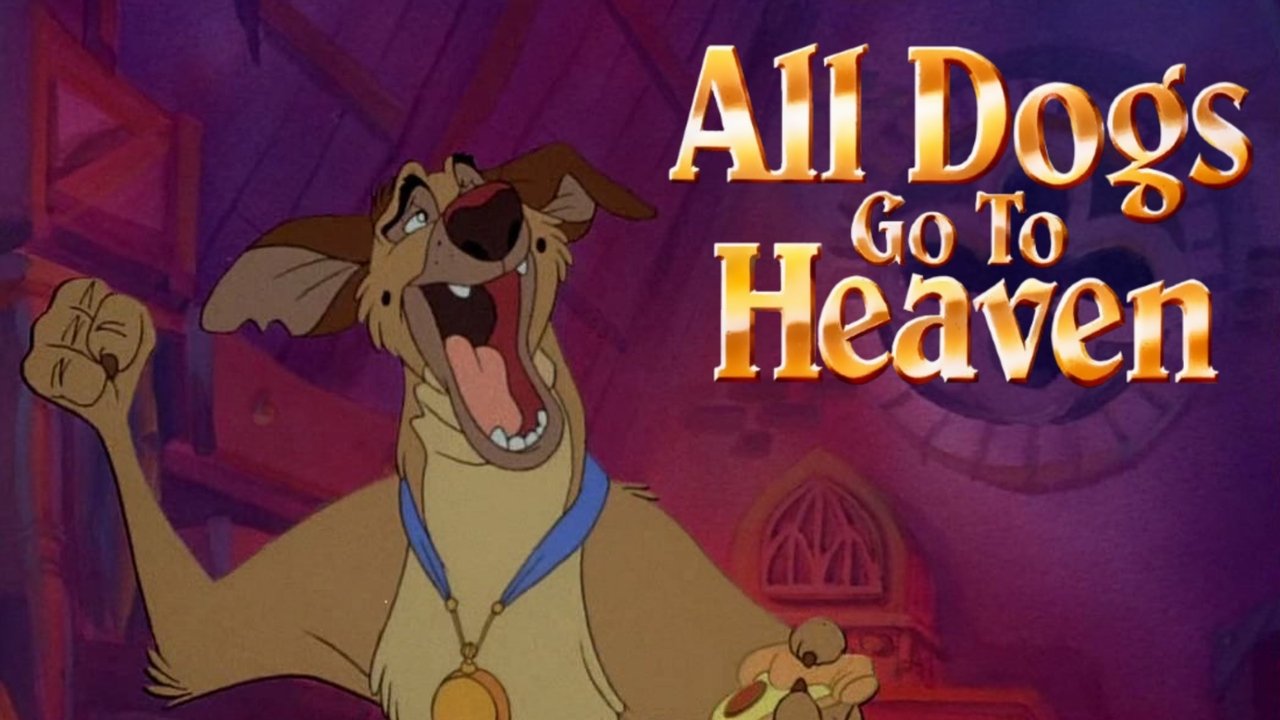
Forget fairytale castles; All Dogs Go to Heaven drops us straight into the smoky, rough-and-tumble world of 1939 New Orleans, albeit populated entirely by canines. Our charismatic anti-hero is Charlie B. Barkin, a German Shepherd con artist with a voice as smooth as velvet, courtesy of the legendary Burt Reynolds. Charlie runs a casino with his nefarious bulldog partner, Carface Carruthers (voiced with gravelly menace by Vic Tayback in his final film role). When Carface decides he wants the whole operation, he arranges a little accident for Charlie, sending him plummeting off a pier. To Charlie's surprise, he finds himself ascending to Heaven, a place decidedly lacking in gambling and shady deals. Naturally, this doesn't sit well with our hustling hound. In a move that defines his character, Charlie literally winds back his lifeline clock and returns to Earth, cheating death itself. But there's a catch: by leaving Heaven, he can never return.
This central premise immediately sets All Dogs apart. It's a story about redemption, yes, but it starts with a profoundly selfish act. Charlie isn't inherently good; he's charmingly roguish, driven by revenge against Carface and a desire to rebuild his fortune. His loyal, perpetually anxious dachshund pal, Itchy Itchiford (brought to life with delightful energy by Reynolds' frequent comedic partner, Dom DeLuise), is reluctantly along for the ride. The chemistry between Reynolds and DeLuise, honed over many films together, absolutely crackles here, their banter feeling natural and genuinely funny even in animated form. You can almost picture them riffing off each other in the recording booth.

More Bite Than Bark
What truly cemented All Dogs Go to Heaven in the minds of many young viewers renting it from the corner video store was its willingness to go to darker places. This wasn't just about cartoon hijinks; it dealt with betrayal, mortality, poverty, and even featured a truly nightmarish sequence depicting canine Hell. Remember that fiery, demonic beast rising from the lava? It was the kind of imagery that Bluth, alongside co-directors Gary Goldman and Dan Kuenster, wasn't afraid to employ, setting his work apart from the often safer confines of Disney, especially during a year when The Little Mermaid was dominating the box office. Produced independently by Bluth's Sullivan Bluth Studios in Ireland after his famous departure from Disney, the film had a visual richness and character design distinct from its competitors, sometimes rougher around the edges but always expressive. Though it earned a respectable $27 million, it was this distinct flavour, discovered by many on home video, that cultivated its lasting fanbase.
The Heart of the Hustle
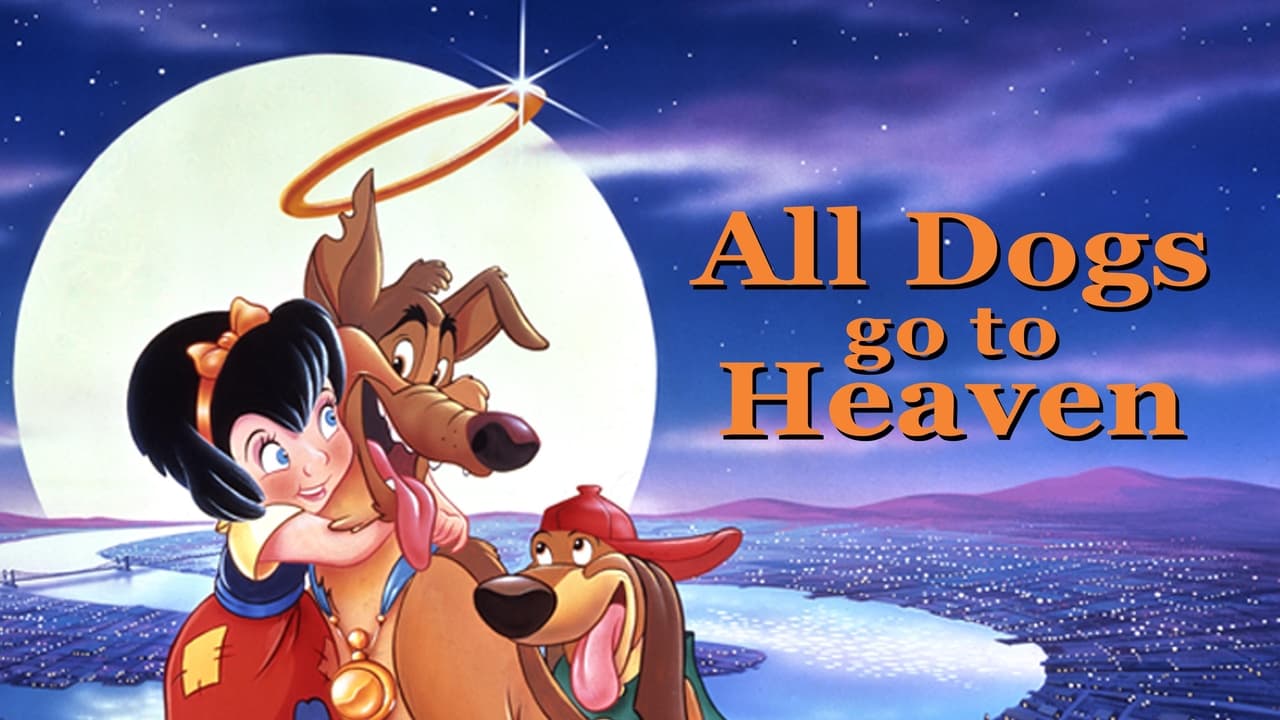
Charlie's path to redemption hinges on a little orphan girl named Anne-Marie, voiced with heartbreaking innocence by Judith Barsi. Anne-Marie has the unique ability to talk to animals, a gift Charlie exploits to gain inside information for betting on races. Initially, she's just a pawn in his scheme, but as their bond grows, Charlie finds himself genuinely caring for her, wrestling with his conscience for the first time. Anne-Marie is the film's emotional core, her simple desire for a loving family cutting through Charlie's cynicism.
Tragically, Judith Barsi was murdered by her father shortly before the film's release, a devastating event that casts a poignant shadow over her performance and the film itself. Knowing this adds an almost unbearable layer of sadness to Anne-Marie's vulnerability and yearning. The end credits song, "Love Survives," performed by Irene Cara and Freddie Jackson, was dedicated to her memory, a touching tribute that resonates deeply.
Retro Fun Facts & Lasting Charm
Beyond the main narrative, All Dogs Go to Heaven is peppered with memorable moments and Bluth's signature touches. The musical numbers, like Charlie's boastful "You Can't Keep a Good Dog Down" or the villainous Carface's slightly unsettling tune, are catchy and woven effectively into the story by composer Ralph Burns. The animation, while perhaps not possessing the sheer budget and polish of Disney's concurrent renaissance hits, has a unique, hand-drawn energy and character fluidity that feels distinctly Bluth. Look closely, and you'll see the detailed backgrounds and expressive character acting that were hallmarks of his studio. It's fascinating to think that this film, with its darker themes and independent spirit, found such a dedicated audience on VHS, perhaps precisely because it offered something different, something a little more complex for families to chew on. It even spawned a sequel, a TV series, and a Christmas special, proving Charlie's initial boast true – you really couldn't keep a good dog down.
The Verdict
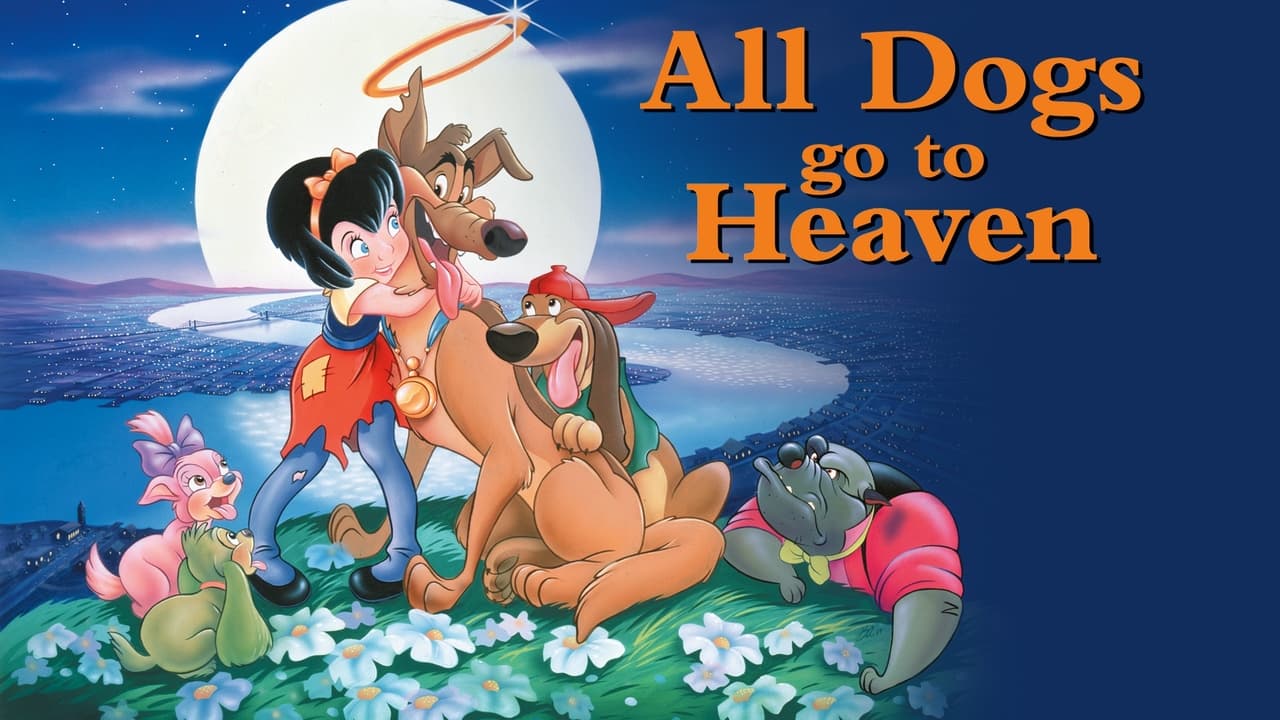
All Dogs Go to Heaven remains a fascinating and affecting piece of late-80s animation. It's a film that doesn't shy away from darkness but ultimately finds its way to a place of warmth and redemption. The fantastic voice work, particularly the irreplaceable chemistry between Burt Reynolds and Dom DeLuise, gives the film its spark, while Judith Barsi's performance as Anne-Marie provides its undeniable heart. It might tackle themes heavier than your average cartoon, and the animation might feel a touch less slick than its biggest competitor at the time, but its unique personality, memorable songs, and emotional honesty make it a standout. It’s a testament to Don Bluth’s vision of telling stories with real stakes and complex characters, even when those characters happen to be talking dogs.
Rating: 7.5/10
It earns this score for its superb voice cast, ambitious storytelling that dared to mix grit with charm, and its truly memorable emotional moments, even if the pacing occasionally wobbles. It stands as a distinct and important entry in the animation landscape of the era.
For many of us, sliding that chunky VHS tape into the machine meant entering a world that felt both familiar and surprisingly edgy – a reminder that even cartoon dogs could teach us a thing or two about life, loss, and finding the good within ourselves.