Okay, settle back into that comfy armchair, maybe picture the flickering glow of a CRT screen for a moment. Today, we're rewinding the tape to a gem that might have been a slightly unexpected find amidst the usual blockbuster fare at the video store: the beautifully animated, surprisingly poignant 1981 Hungarian film, The Little Fox (or Vuk, as it was originally titled). This wasn't your typical Saturday morning cartoon fodder; it was something richer, wilder, and altogether more European, offering a window into a different world of animation.
### A Brushstroke of Wildness
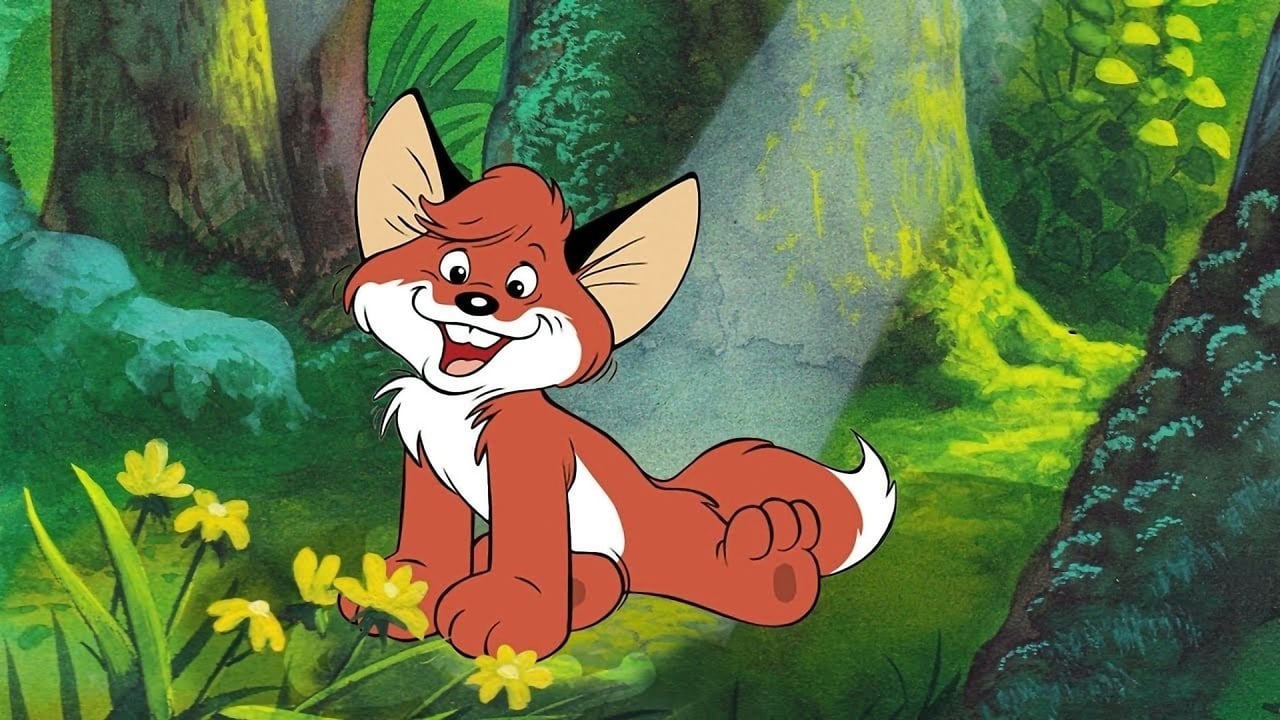
Right from the opening frames, The Little Fox establishes a distinct visual identity. Forget the polished sheen of Disney for a moment; this is the work of the famed Pannonia Film Studio, brought to life under the direction of Attila Dargay, a master of Hungarian animation also known for Mattie the Goose-Boy (1977). The style is fluid, expressive, and deeply connected to the natural world it portrays. The forests feel lush and alive, the characters move with a believable animal grace, yet their faces convey a remarkable depth of emotion. It’s hand-drawn artistry with a unique flavour, instantly captivating for anyone stumbling upon it on a rented VHS. Based on the popular 1965 novel by István Fekete, the film carries the weight of its literary origins, offering a story with more substance than many animated features of the era.
### Lessons Learned in Tooth and Claw
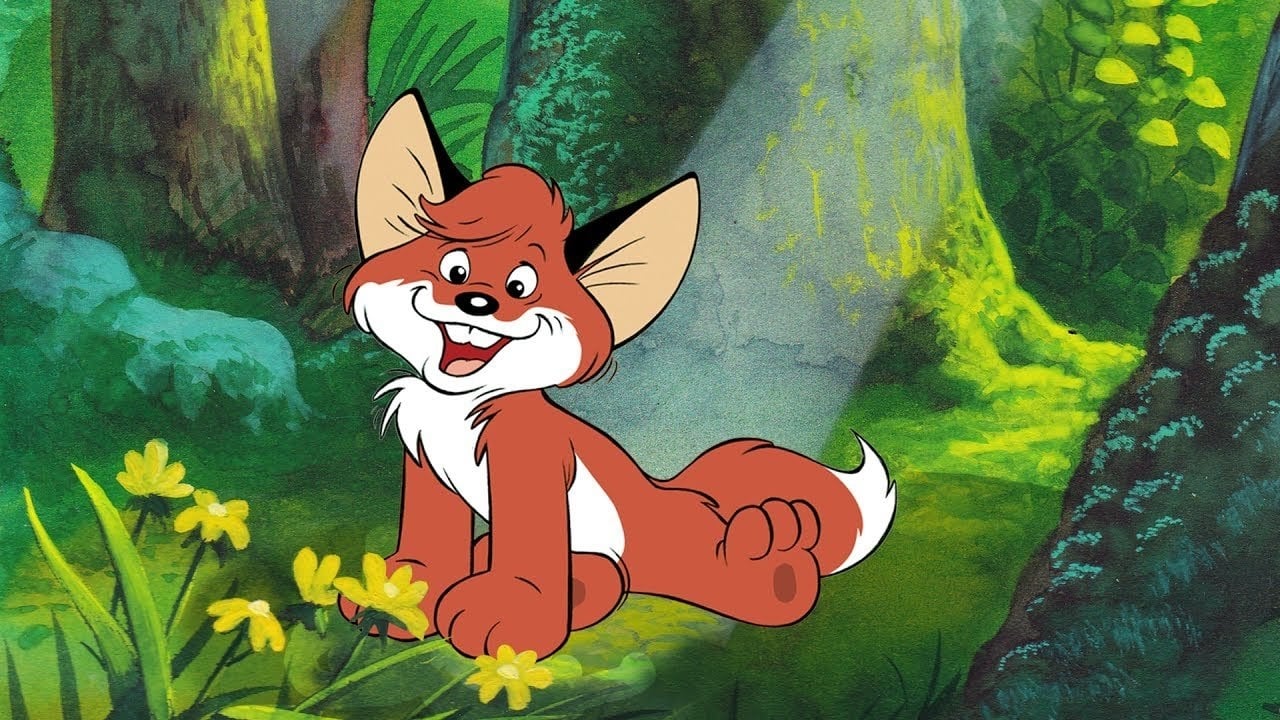
The story follows Vuk, a young fox kit full of playful curiosity, voiced with youthful energy by József Gyabronka in the original Hungarian track. His idyllic early life is shattered when his entire family is killed by a human hunter (referred to ominously as "Smooth-skin"). Orphaned and alone, Vuk is taken under the wing – or rather, paw – of his stern but wise uncle, Karak (voiced by the great Gyula Szabó). What follows is a true coming-of-age story, far removed from sanitized narratives. Vuk learns the hard lessons of survival: how to hunt, how to evade danger, and the constant threat posed by humans and their dogs. There's a genuine sense of peril here; the stakes feel real, and the film doesn't shy away from the natural cycle of life and death. It’s a testament to the storytelling, co-written by Dargay, István Imre, and Ede Tarbay, that these lessons land with emotional impact without feeling overly grim. We also meet Foxy (voiced by Teri Földi, who also voiced Vuk's mother Íny), a vixen who becomes Vuk's mate, adding layers of companionship and romance to his journey.
### More Than Just a Cartoon Fox
The Little Fox achieved tremendous popularity in its native Hungary and found its way onto television screens and VHS players across Europe and beyond, often through various dubbed versions. For many kids in the West, it might have been their first exposure to animation from behind the Iron Curtain, a fascinating glimpse into a different artistic sensibility. Pannonia Film Studio was a powerhouse, producing a wealth of distinctive animation during a challenging political era, and Vuk stands as one of its most beloved international successes.
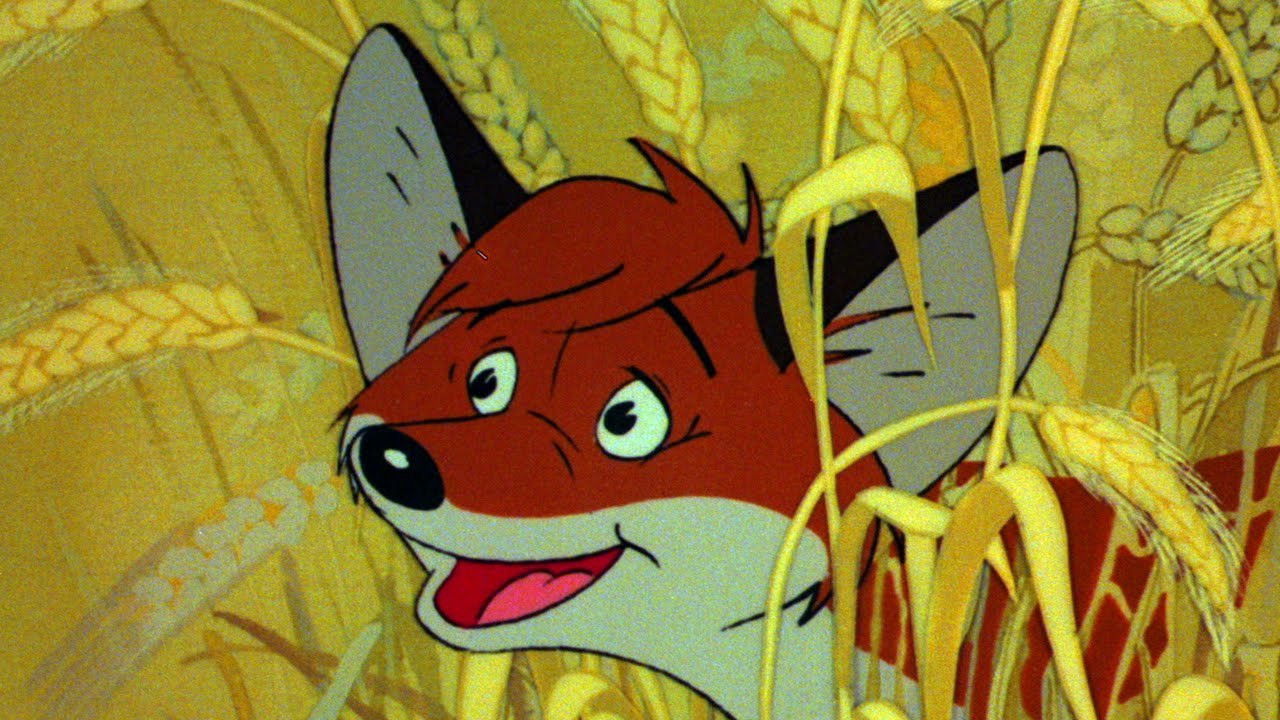
What makes it stick in the memory, perhaps even more than the lovely animation, is its emotional honesty. Remember watching films as a kid where cartoon animals faced real danger? The Little Fox handles themes of loss, resilience, and the often harsh realities of the wild with a maturity that respects its audience, young or old. The moments of triumph feel earned, the moments of sadness resonate deeply. It’s a story that celebrates the cleverness and adaptability of its vulpine hero while subtly commenting on humanity's impact on the natural world. Karak's lessons aren't just about catching chickens; they're about understanding the delicate balance of the ecosystem.
### A Timeless Tale from the Forest Floor
Sure, watching it today, some might find the pacing a little gentler than modern animation, but the artistry holds up beautifully. The character designs are memorable, the backgrounds are often painterly, and the core story remains compelling. It manages to be charming and adventurous while carrying an undercurrent of melancholy – a combination that feels quite unique. Its legacy is cemented in Hungary, where Vuk is a household name, though a much-maligned CGI sequel (A Kis Vuk, 2008) thankfully did little to tarnish the original's reputation. For those of us who caught it on a fuzzy tape years ago, it remains a fond memory – a beautifully crafted story that felt a little more real, a little more wild, than many of its contemporaries.
VHS Heaven Rating: 8/10
Justification: The Little Fox earns its high score for its beautiful and distinctive hand-drawn animation, its emotionally resonant storytelling that balances charm with genuine peril, and its mature handling of complex themes like loss and survival. While perhaps lesser-known internationally than some animated giants, its quality and heart make it a standout classic from the era, representing the artistic achievements of Pannonia Film Studio. It’s a film that stays with you long after the credits roll.
Final Thought: A truly special animated journey – pull this one from the shelf when you want a reminder that not all cartoon animals live in consequence-free worlds, and that beauty can be found even in stories tinged with sadness. Pure forest magic on magnetic tape.