Okay, grab your feathered boa and warm up those vocal cords, because we're diving headfirst into one of the most gloriously bizarre animated offerings to grace the shelves of our beloved video stores: 1991's Rock-A-Doodle. If ever there was a film that screamed "Wait, what did I just watch?" in the most strangely endearing way, this might be it. It’s a whirlwind of farm animals, rock 'n' roll, perpetual darkness, and a quest that feels dreamt up during a particularly vivid fever dream – exactly the kind of oddity we cherish here at VHS Heaven.
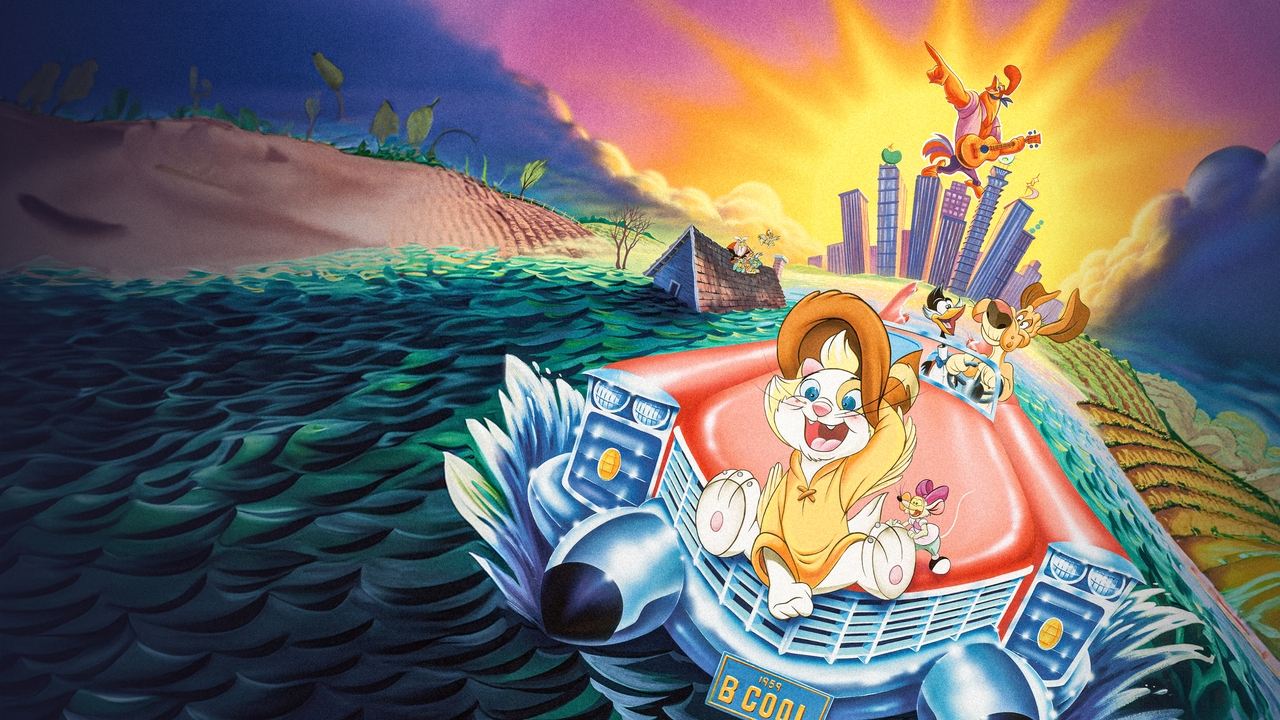
This wasn't your average talking animal cartoon, not by a long shot. It sprang from the often-darker, always distinctive imagination of Don Bluth, the animator who famously broke from Disney to give us gems like The Secret of NIMH (1982) and An American Tail (1986). Rock-A-Doodle, however, arrived during a more turbulent time for Bluth's studio, Sullivan Bluth Studios (formerly Don Bluth Productions), plagued by financial woes after the underperformance of All Dogs Go to Heaven (1989) and facing the juggernaut of the Disney Renaissance (Beauty and the Beast absolutely dominated the box office the same year Rock-A-Doodle limped in with just $11.7 million against an $18 million budget). You can almost feel the chaotic energy of its troubled production bleeding onto the screen.
### Cock-a-Doodle... Huh?
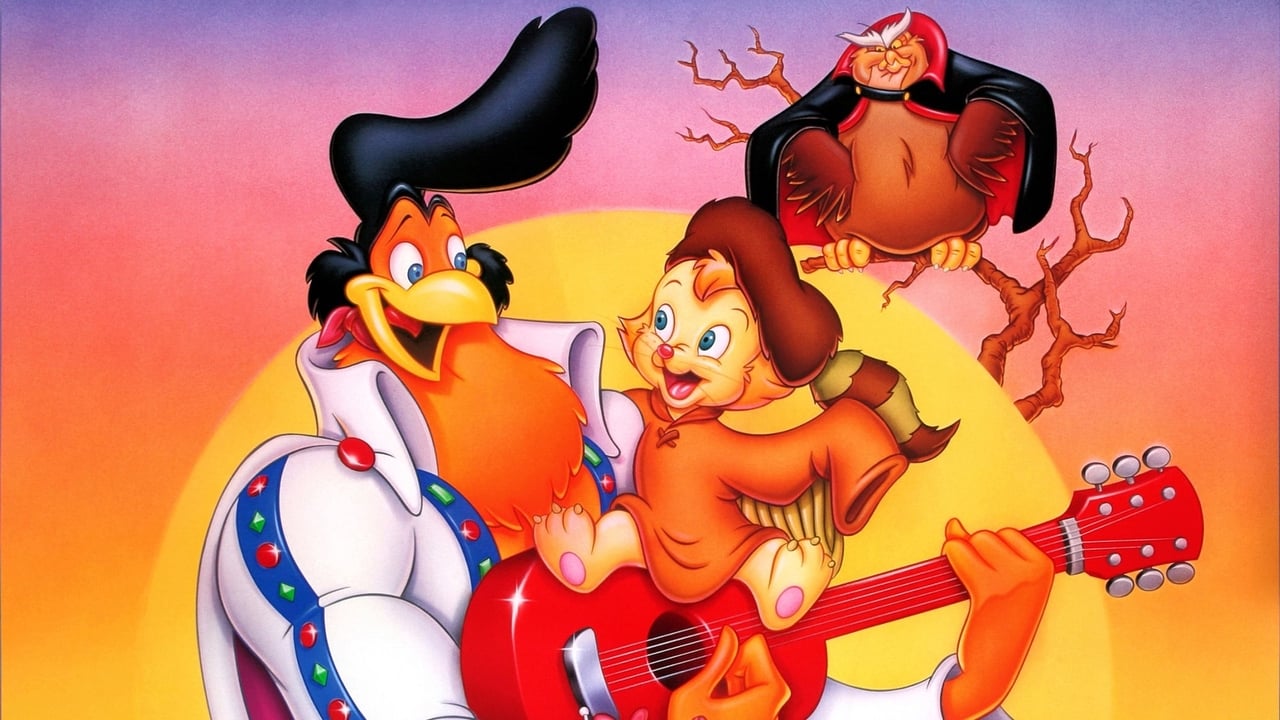
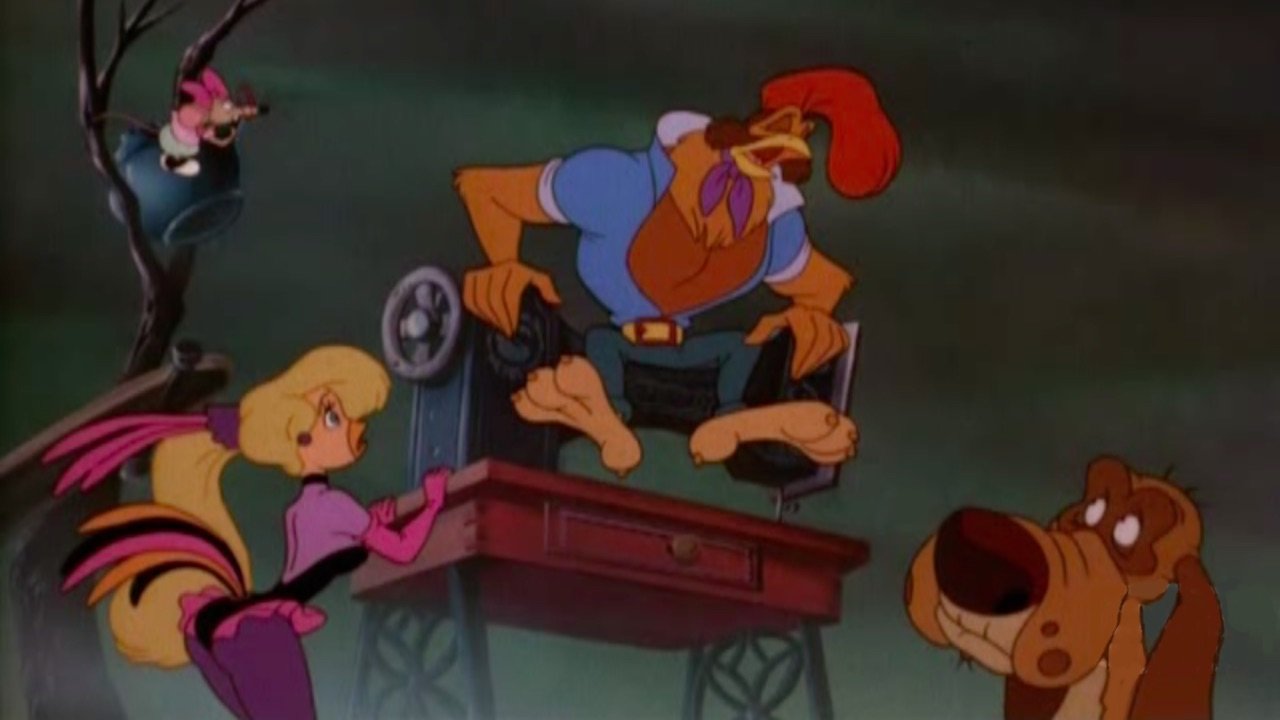
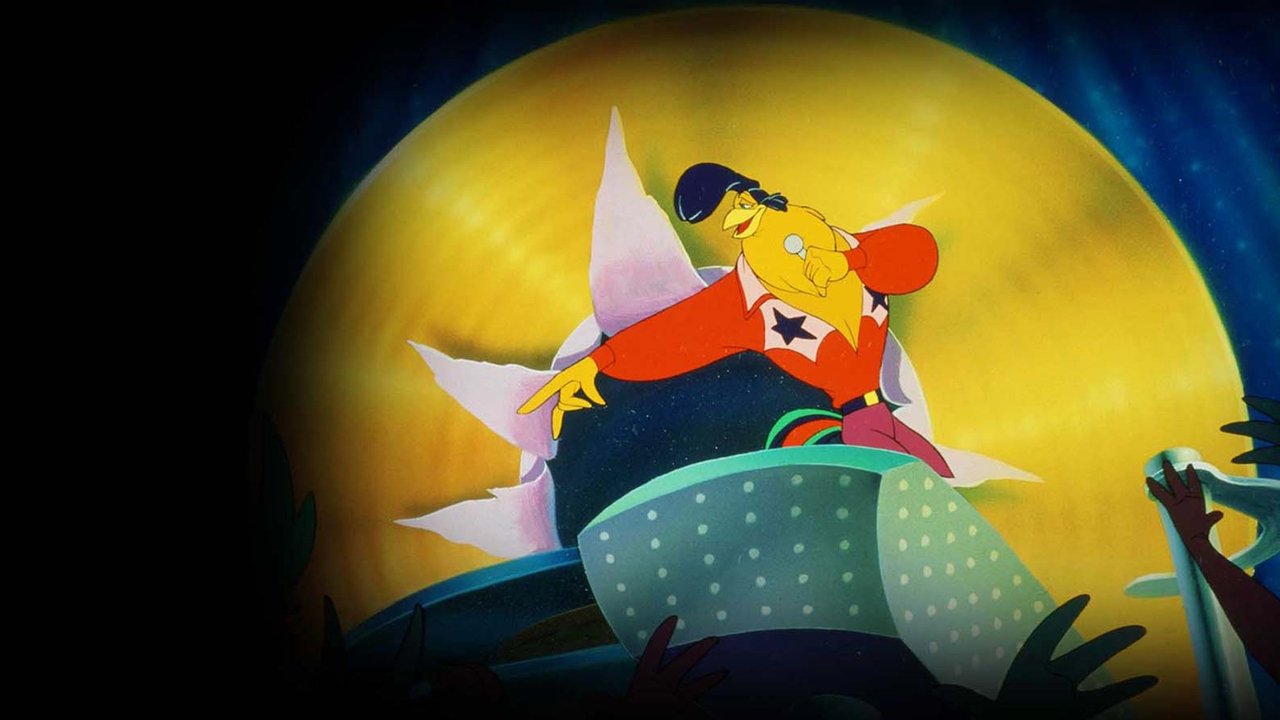
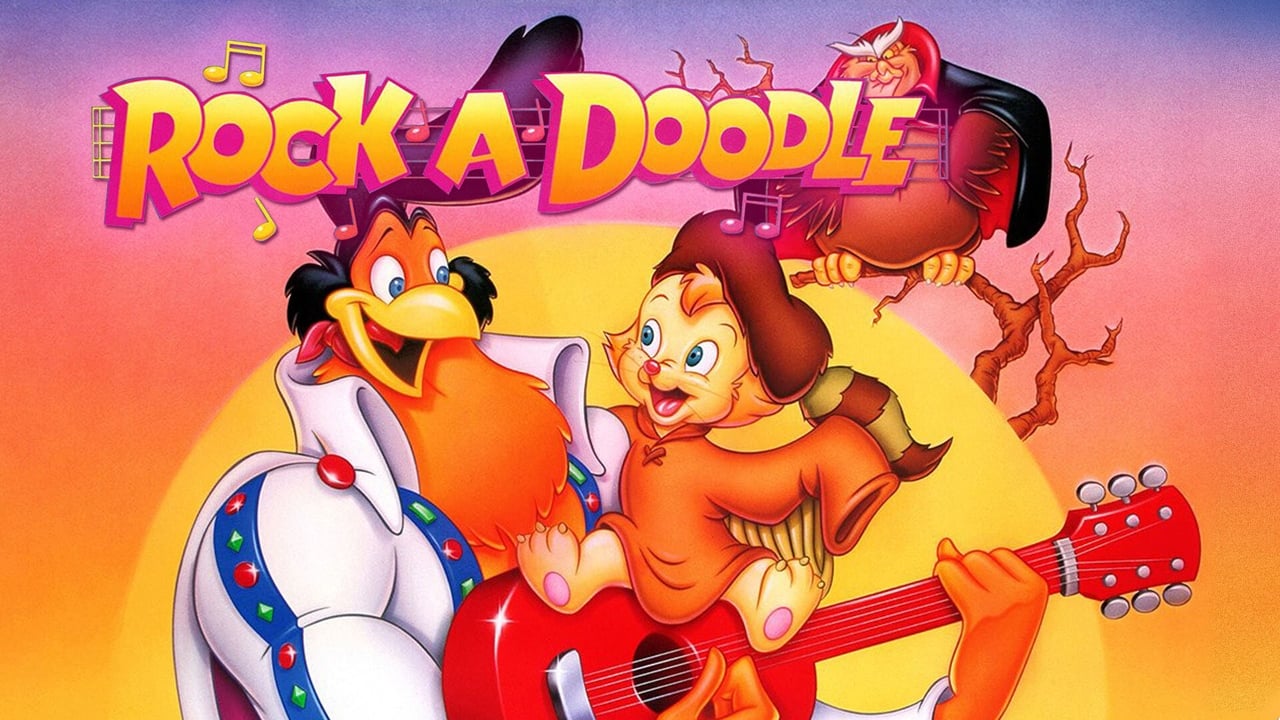
The premise itself is delightfully bonkers. Chanticleer, a rooster whose crow literally makes the sun rise (voiced with surprising crooner charm by the legendary country singer Glen Campbell), gets tricked by the nefarious Grand Duke of Owls (Christopher Plummer, chewing the scenery with glorious villainous glee) into thinking his crow isn't needed. Humiliated, Chanticleer leaves the farm for the big city ("The City" – subtle!) to become an Elvis-esque rock star. Naturally, this plunges the farm into eternal darkness and rain, prompting a motley crew – a determined little human boy named Edmond (who gets turned into a kitten, because why not?), a loyal hound dog Patou, a brainy magpie Peepers, and a neurotic mouse Snipes – to venture forth and bring him back before the owls take over completely. Oh, and did I mention the live-action sequences bookending the film? Yeah, those were reportedly added later in production to try and make the story feel more grounded, but honestly, they just add another layer to the film’s delightful strangeness.
### Bluthian Charm Amidst the Chaos
Despite its narrative quirks – and trust me, there are plenty – the classic Don Bluth visual style shines through. The animation, while perhaps not as consistently fluid as his earlier masterpieces, still carries that signature weight and expressiveness. Character designs are memorable, particularly the genuinely menacing Grand Duke and his Vulture henchmen. Bluth never shied away from darker themes or scary imagery, even in his kids' films, and the Duke’s pipe organ that literally sucks the life out of things is pure nightmare fuel, vintage Bluth-style. Remember how genuinely creepy some scenes felt back then, sandwiched between goofy songs? That was the Bluth magic – a willingness to mix the sweet with the slightly sinister.
The musical numbers are a mixed bag, ranging from Chanticleer's catchy rockabilly tunes (thanks, Glen Campbell!) to some slightly forgettable ensemble pieces. But hearing Christopher Plummer belt out villain songs about the joys of eating mice? Pure gold. And speaking of vocal legends, Rock-A-Doodle marked the final film role for the incomparable Phil Harris, the voice of Baloo in Disney's The Jungle Book (1967) and Little John in Robin Hood (1973). Here, he lends his warm, familiar drawl to Patou, the narrator dog, grounding the film with a comforting presence amidst the often-frantic action. It’s a lovely, albeit slightly bittersweet, final performance to cherish.
### Retro Fun Facts & Feathered Follies
The journey of Rock-A-Doodle to the screen was almost as dramatic as the plot itself. Loosely, very loosely, inspired by the early 20th-century play Chantecler by Edmond Rostand (yes, the Cyrano de Bergerac guy!), the concept bounced around for decades. Bluth’s studio faced immense pressure from investors Goldcrest Films, leading to significant story changes and cuts during production. Entire sequences were chopped, characters altered, and the tone arguably became muddled as they tried to salvage the project. There's a persistent rumor that the film was originally conceived as much darker and more complex before studio interference. Watching it now, you can sometimes see the seams where different ideas might have been stitched together. It's a fascinating example of creative vision battling production realities, a common story from that era of independent animation.
Another tidbit: the character Pinky, the obnoxious fox manager with a penchant for golf, was reportedly a caricature of one of the film's producers! Whether true or not, it adds a layer of behind-the-scenes intrigue to his scenes.
### So, Does This Rooster Still Rock?
Look, Rock-A-Doodle isn't a flawless masterpiece. Its plot meanders, the tone shifts wildly, and the live-action segments feel tacked on. Yet... there's an undeniable charm to its ambition and its sheer, unadulterated weirdness. It's a relic from a time when animated films outside the Disney mold felt riskier, stranger, and refreshingly unpredictable. Watching it today evokes that specific feeling of popping a tape into the VCR, unsure of what exactly you were getting into, but ready for the ride. It’s filled with memorable characters, some genuinely striking animation, and the kind of bizarre plot turns that stick in your memory long after the credits roll (seriously, the kitten transformation?). It captures that slightly off-kilter energy that made so many non-Disney animated features from the 80s and 90s uniquely compelling, even if they didn't quite hit every mark.
Rating: 6/10
Justification: While hampered by a chaotic plot, jarring tonal shifts, and visible production struggles, Rock-A-Doodle earns points for its distinctive Bluth animation style, memorable villainy from Christopher Plummer, catchy Glen Campbell tunes, and the heartwarming final performance of Phil Harris. It’s a fascinating, flawed, but ultimately endearing piece of 90s animation history – a cult classic curio perfect for a nostalgic rainy day viewing.
It might not crow loud enough to bring back the sun every time, but Rock-A-Doodle definitely earns its place as a uniquely feathered friend on the dusty shelves of VHS Heaven. Now, who's up for some owl pâté? (Just kidding... mostly.)