Before Disney’s ballroom dance swept the world off its feet, there existed another, perhaps more somber and primal, vision of the fairy tale beast. Cast your mind back, not quite to the neon glow of the 80s arcade, but a few years earlier, to 1976. This was the year television audiences were treated to a lavish, Emmy-winning Hallmark Hall of Fame production of Beauty and the Beast, a version seared into memory not by chipper songs, but by the sheer, imposing presence of George C. Scott inhabiting the monstrous form. For many of us browsing the slightly older, dustier fantasy section of the video store later in the 80s, this tape felt like discovering a hidden, more serious chapter of a familiar story.
### A Tale as Old as Time, Told with Gravitas
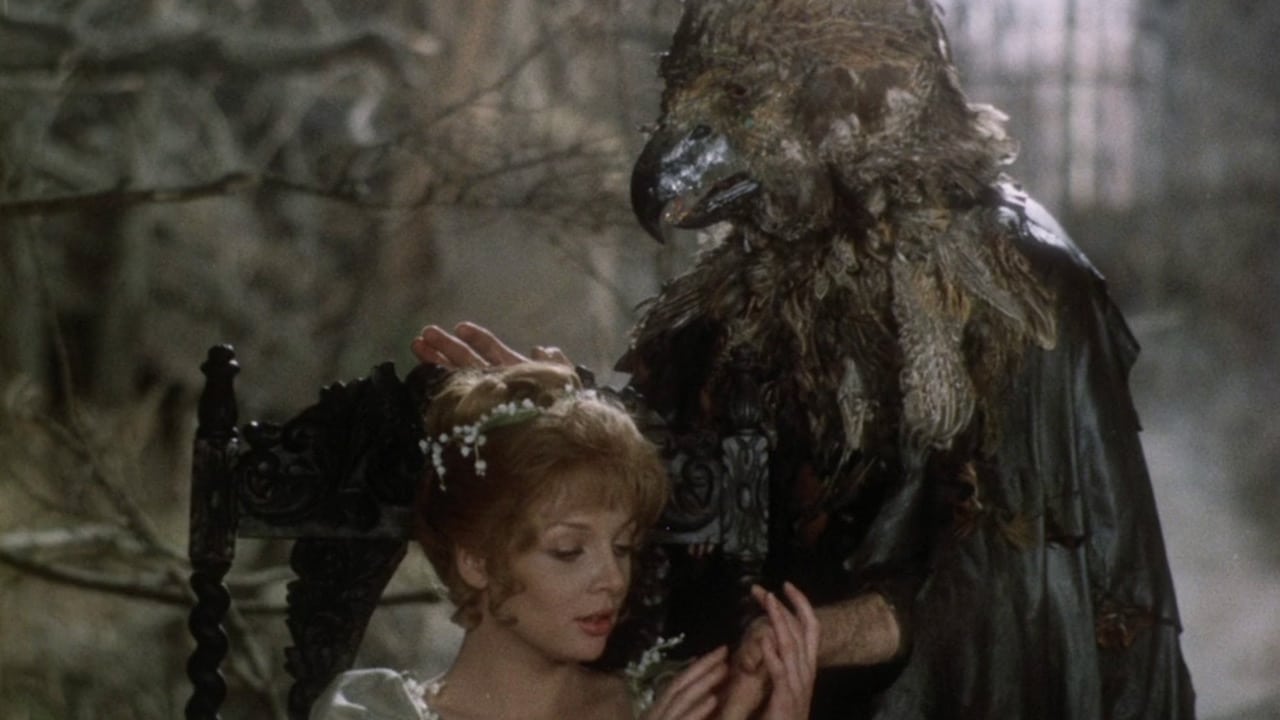
Directed by Fielder Cook, known for handling prestige television dramas, this adaptation leans into the gothic romance origins of the story penned by Ronald Millar and Tom Wright. Forget dancing cutlery; this version conjures a world of mist-shrouded castles, palpable loneliness, and a genuine sense of danger lurking beneath the surface of enchantment. The plot beats are familiar – the merchant father, the selfless daughter Belle offering herself in his place, the gradual thawing of the Beast's heart – but the execution carries a weight, an almost theatrical solemnity, that sets it apart. It aims less for childlike wonder and more for a mature exploration of isolation, inner monstrosity, and the transformative power of compassion.
### The Unforgettable Beast of George C. Scott
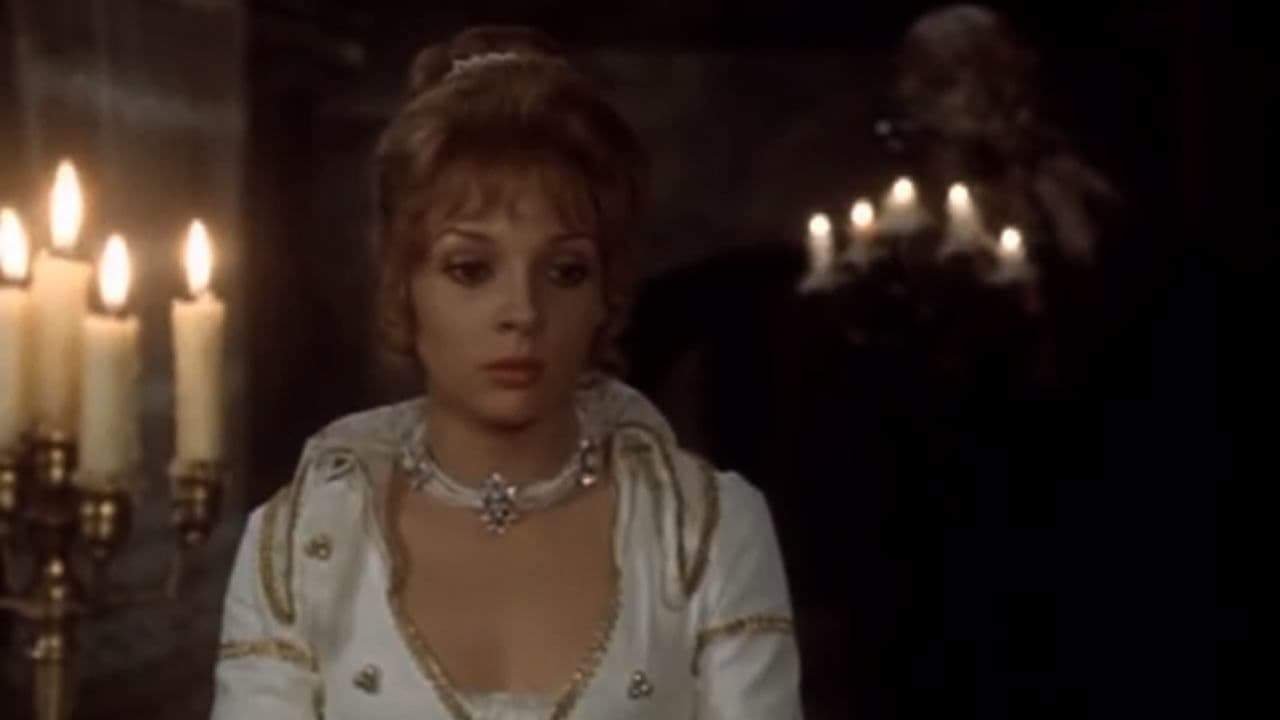
Let's be honest, the magnetic core of this production is George C. Scott. Already a cinematic titan after his monumental turn in Patton (1970), Scott brings an astonishing intensity to the Beast. Buried under impressive (and Emmy-winning) makeup designed by Del Armstrong and Michael Westmore, which leans more towards boar-like than feline, Scott commands the screen. It’s not just the look; it’s the voice – that gravelly, iconic instrument – conveying rage, pain, and vulnerability, often within the same line. There's a palpable sense of a tormented soul trapped within the monstrous facade. One fascinating tidbit: Scott apparently insisted on performing many of his own stunts, including navigating the castle set in the cumbersome costume and limited-visibility mask, adding another layer to the sheer physicality of his portrayal. He doesn't just play the Beast; he inhabits the tragedy of the character.
### A Steadfast Beauty
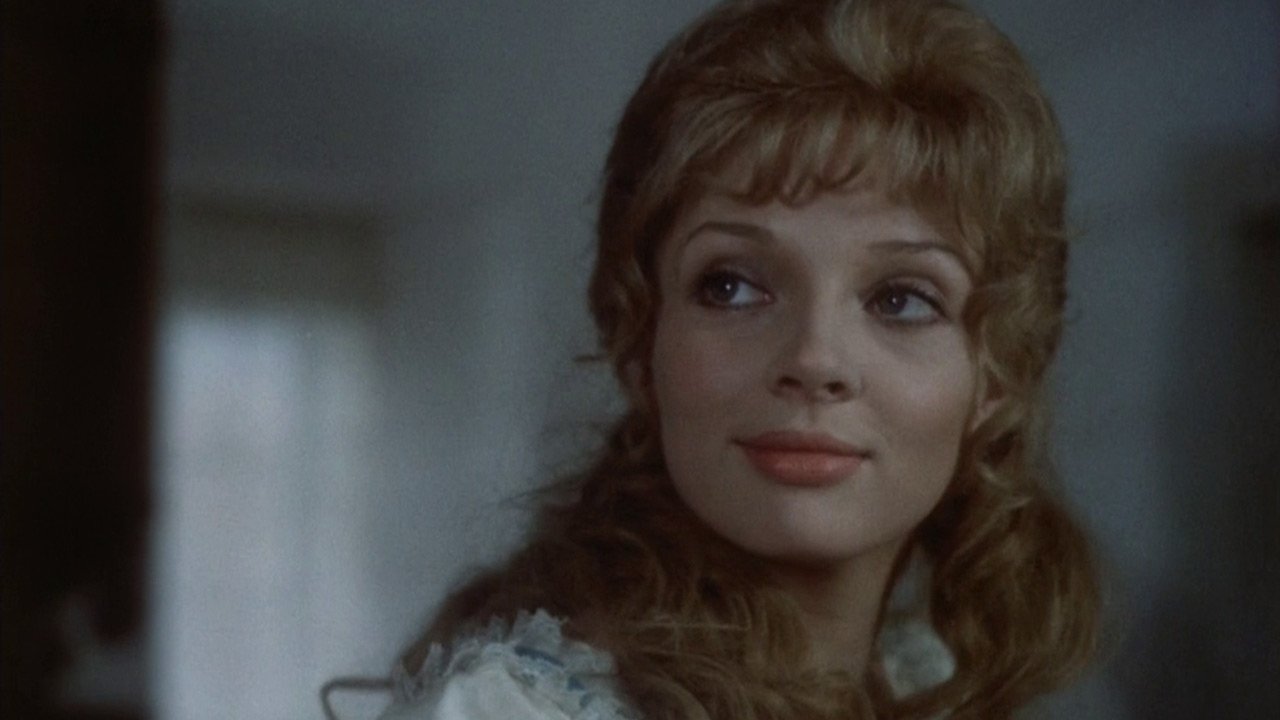
Playing opposite such a powerhouse performance is Trish Van Devere as Belle. Van Devere, who was Scott's real-life wife at the time (they married in 1972), brings a quiet strength and intelligence to the role. Her Belle isn't passively waiting for rescue; she possesses a resilience and empathy that feels earned. While the chemistry between Scott and Van Devere might feel more grounded and less fairy-tale electric than in other versions, there's an understated connection that develops convincingly over the film's runtime. She makes Belle's gradual shift from fear to understanding believable, providing the essential human anchor to Scott’s monstrous grandeur.
### Crafted for the Small Screen, Aiming High
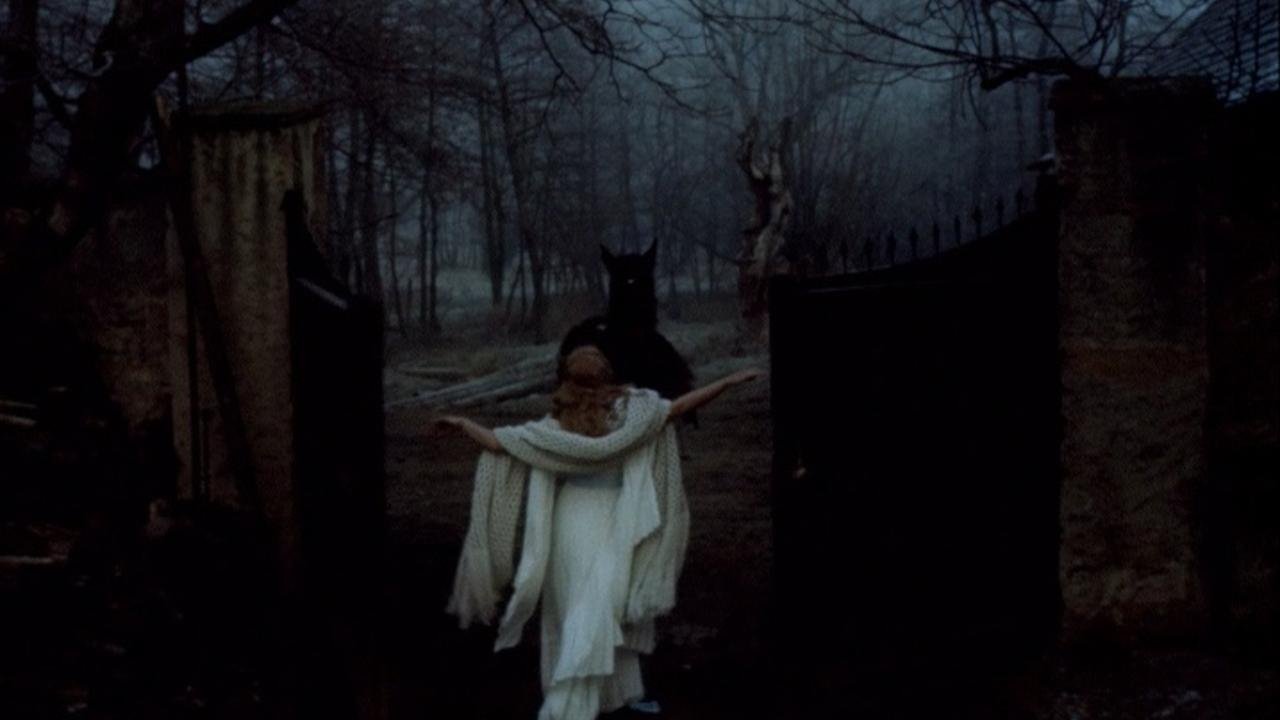
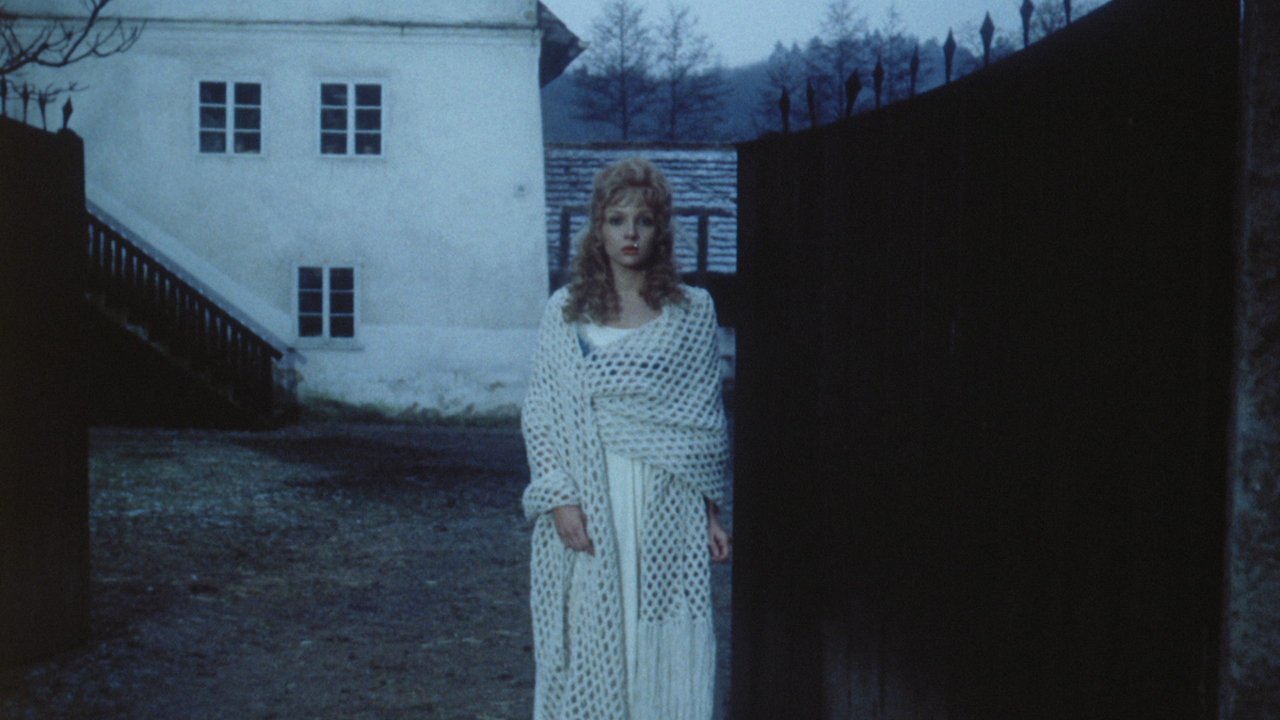
As a made-for-TV movie from the mid-70s, Beauty and the Beast showcases both the ambitions and limitations of the format. The production design is often quite beautiful, particularly the Beast's castle interiors, which feel appropriately baroque and slightly decaying. Elliot Kaplan's score effectively underscores the romantic and melancholic moods. However, one can occasionally sense the budget constraints compared to a theatrical feature. Some exterior shots or effects might seem modest by today's standards, but within its context, it was a remarkably high-quality production for television – a testament to the Hallmark Hall of Fame brand. It reportedly cost around $1 million, a hefty sum for TV then, aiming for cinematic quality on a home screen budget.
### A Different Kind of Enchantment
Watching this version today feels like stepping back into a different era of fantasy storytelling. It lacks the brisk pacing and overt spectacle we might expect now, favouring atmosphere and character depth. For those whose primary image of the tale comes from Disney, Scott's raw, almost frightening Beast and the story's more somber tone can be quite arresting. It's a reminder that the fairy tale has darker, more complex roots. It wasn't necessarily a tape kids clamoured to rent repeatedly for upbeat fun, but for those who stumbled upon it, perhaps on a rainy Sunday afternoon broadcast or nestled on the VHS shelf, it offered a uniquely potent, slightly melancholy take on the classic. It often shared shelf space with fantasy films from the 80s, becoming a sort of honorary member of the era for home video viewers.
Rating: 7.5/10
This score reflects the film's undeniable strength in George C. Scott's towering performance and its effectively gothic atmosphere, which remain compelling. It captures the dramatic core of the story with sincerity. Points are slightly tempered by the inherent limitations of its TV movie origins – the pacing can feel deliberate, and some production elements are dated. However, its ambition and Scott's unforgettable portrayal make it a significant and worthy adaptation.
Final Thought: Before the animated spectacle, there was this beast – a creature of genuine pathos and power, haunting the flickering screen of our CRT TVs and reminding us that some fairy tales carry shadows as deep as their magic.