Prepare to have your retinas seared and your understanding of animation fundamentally rearranged. Forget the Saturday morning cartoons or the polished Disney fare you might typically associate with the era. Slipping a tape of Son of the White Mare (originally Fehérlófia) into the VCR back in the day felt like uncovering a secret transmission from another dimension – a swirling vortex of color, myth, and pure, unadulterated visual poetry that few other films, animated or otherwise, have ever dared to match. This 1981 masterpiece from Hungarian animation maestro Marcell Jankovics wasn't just a movie; it was, and remains, an experience.

A Kaleidoscopic Quest
Plunging viewers headfirst into a world steeped in ancient Scythian, Avar, and Hungarian folklore, Son of the White Mare tells the deceptively simple story of Treeshaker (Fanyűvő, voiced by György Cserhalmi), a hero born with superhuman strength from the titular magical mare. His destiny? To journey into the Underworld, vanquish three world-devouring dragons, and free three captive princesses, thereby restoring balance to the cosmos. He's joined by two equally Herculean "brothers," Stonecrumbler (Kőmorzsoló, voiced by Vince Blaskó) and Irontemperer (Vasgyúró, voiced by Gyula Szabó), each born under similar mythic circumstances. It sounds like standard epic fare, but the execution is anything but.
Animation as Pure Synesthesia
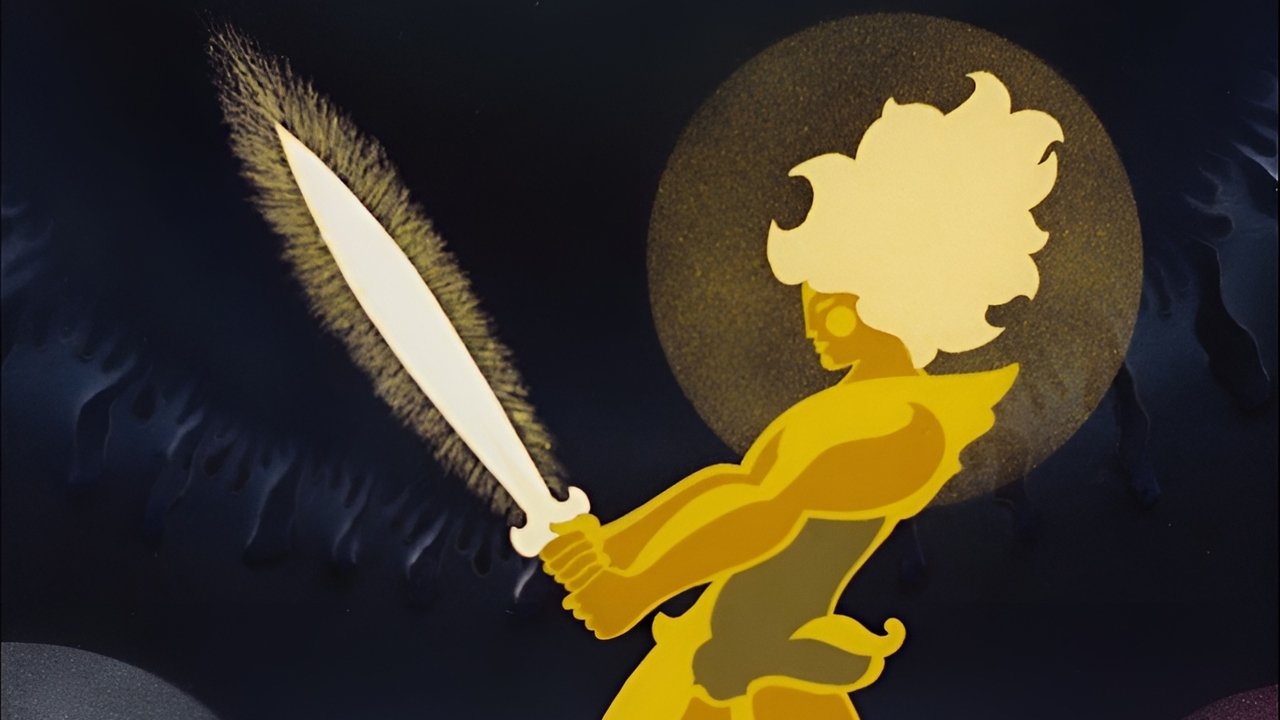
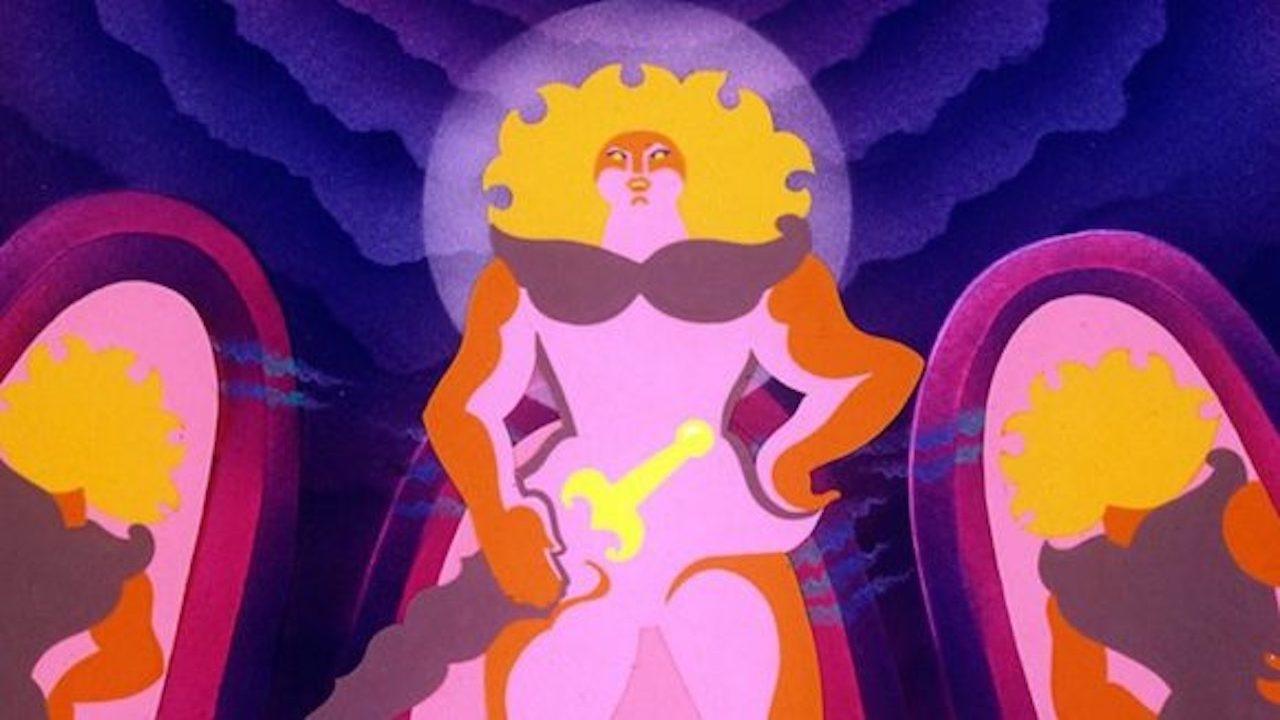
Forget clean lines and conventional character models. Jankovics, who co-wrote the screenplay with László György, employed a visual style that feels less like traditional animation and more like a living, breathing psychedelic tapestry. Characters and landscapes flow into one another, colors shift and pulse with emotional intensity, and forms morph constantly in a display of staggering artistic confidence. Watching it feels like witnessing a dream projected directly onto the screen. The animation, produced at the legendary Pannonia Film Studio (a powerhouse of Eastern European animation), is fluid to the point of being liquid, constantly transforming. There's a scene where Treeshaker wrestles a foe, and their bodies literally blend and reshape with the struggle – it’s utterly mesmerizing and unlike anything Western animation was attempting at the time. This wasn't just drawing; it was channeling primal energy through ink and paint.
Retro Fun Facts: Forging a Mythic Vision
Creating this visual marvel was no small feat in the pre-digital age. Every frame was meticulously hand-drawn and painted, a testament to the incredible skill and patience of the Pannonia artists under Jankovics's direction. His earlier feature, János Vitéz (1973), had already signaled his unique talent, but Fehérlófia pushed the boundaries even further. The film draws heavily from László Arany's 19th-century compilation of Hungarian folk tales, grounding its wild visuals in deep cultural roots. Interestingly, while a critical darling and revered in animation circles, Son of the White Mare remained relatively obscure in the West during the VHS boom, often overshadowed by more commercially accessible titles. Its status grew over the years through festival screenings, bootleg tapes passed among animation buffs, and word-of-mouth, cementing its cult classic reputation long before the stunning 4K restoration by Arbelos Films in 2019 finally brought its eye-popping glory to a wider audience. Imagine the sheer effort involved in tracking down a copy back then – a true quest for dedicated cinephiles!

More Than Just Pretty Pictures
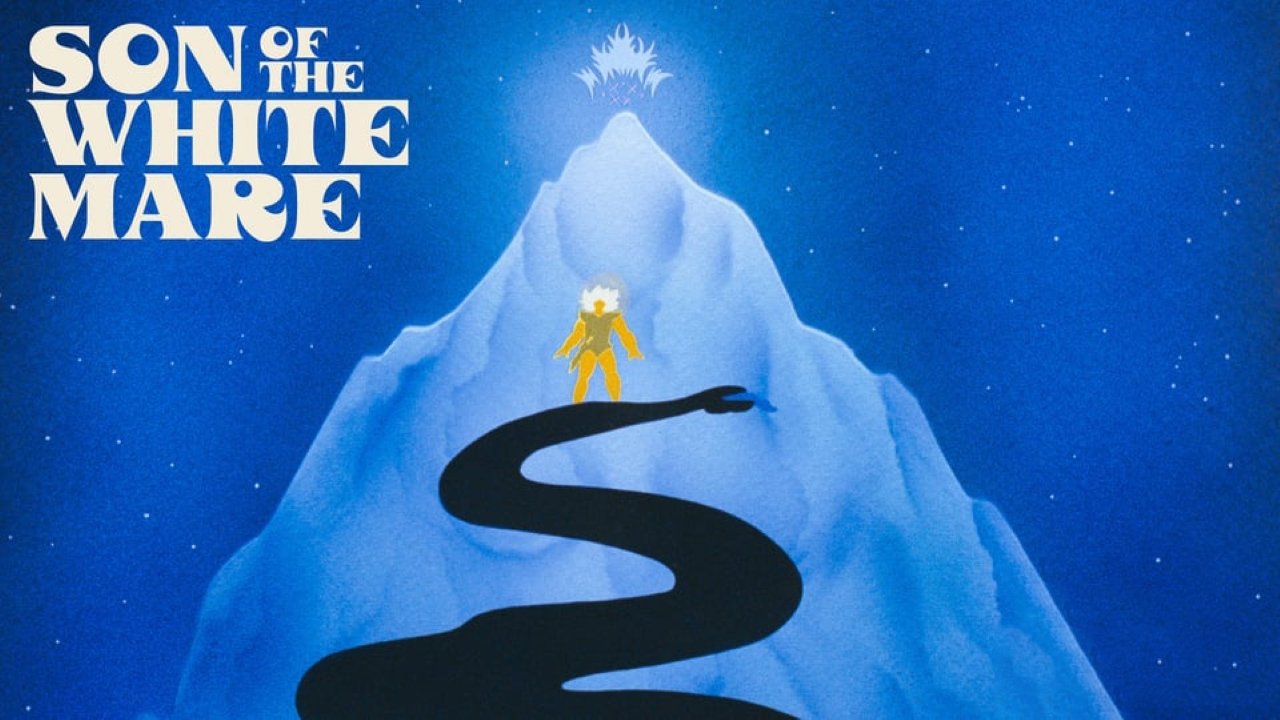
Beneath the dazzling visuals lies a potent exploration of mythic archetypes, cosmic cycles, and the struggle between creation and destruction. The dragons aren't just monsters; they represent elemental forces and corrupting powers. The journey into the Underworld is a classic descent and rebirth narrative, pulsating with raw, pre-Christian energy. The film’s power lies in its ability to convey these profound themes almost entirely through its visuals and evocative sound design, using dialogue sparingly. It taps into something ancient and universal, communicated through a language of pure sight and sound. It’s the kind of film that lodges itself in your subconscious, its images lingering long after the credits roll.
Why It Still Burns Bright
Even today, Son of the White Mare feels revolutionary. In an era often defined by more narrative-driven animation, its commitment to visual abstraction and symbolic storytelling is breathtaking. It's a reminder of animation's potential as a pure art form, capable of expressing complex ideas and emotions in ways live-action simply cannot. Watching it now evokes a particular kind of nostalgia – not necessarily for shared childhood viewings, but for the thrill of discovering something truly unique and artistically uncompromising, a hidden gem unearthed from the vast archives of world cinema. It’s the kind of film that makes you lean closer to the screen, utterly captivated by its sheer audacity and beauty.
VHS Heaven Rating: 9.5/10
The score reflects its status as a visually stunning, artistically daring masterpiece of animation. Its unconventional style might not be for everyone, preventing a perfect 10 for broad appeal, but its technical brilliance, mythic depth, and sheer imaginative power are undeniable. Son of the White Mare is a landmark achievement, a psychedelic folk epic that burns with primal energy.
It’s a film that doesn't just tell a story; it engulfs you in a myth. Track it down, dim the lights, and prepare for a journey unlike any other – a true treasure from the deep vaults of animation history.