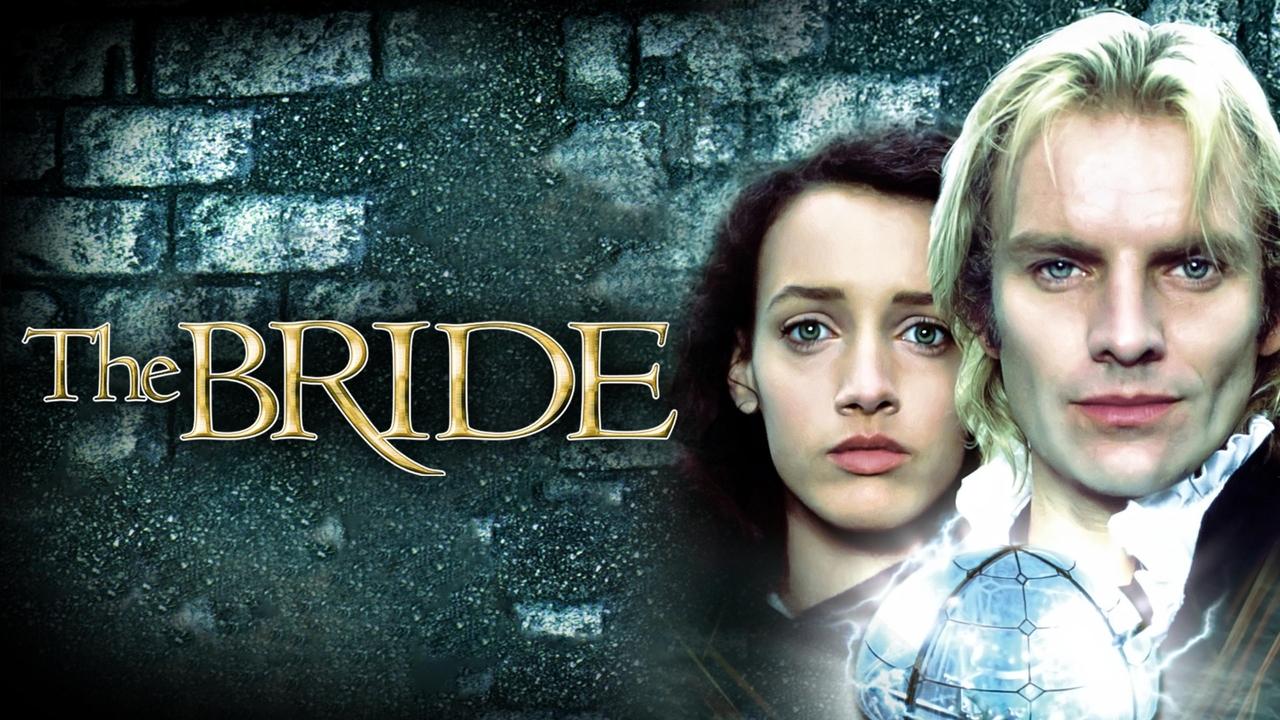
What if she didn’t scream? What if, instead of recoiling in terror, the Bride stepped down from the slab not as a monster’s mate, but as her own being, ready to discover the world – and herself? This is the fascinating, flawed, and visually lush question posed by Franc Roddam’s 1985 film, The Bride. Forget the iconic, lightning-streaked reveal of Elsa Lanchester; this is a different creation myth altogether, one that swapped the stark expressionism of James Whale for a kind of painterly, gothic romance shot through with peculiar 80s sensibilities. I remember renting this one from the local Video Magic, drawn in by the evocative cover art and the promise of a familiar monster story, only to find something far stranger and, in its own way, more ambitious.
A Different Kind of Creation
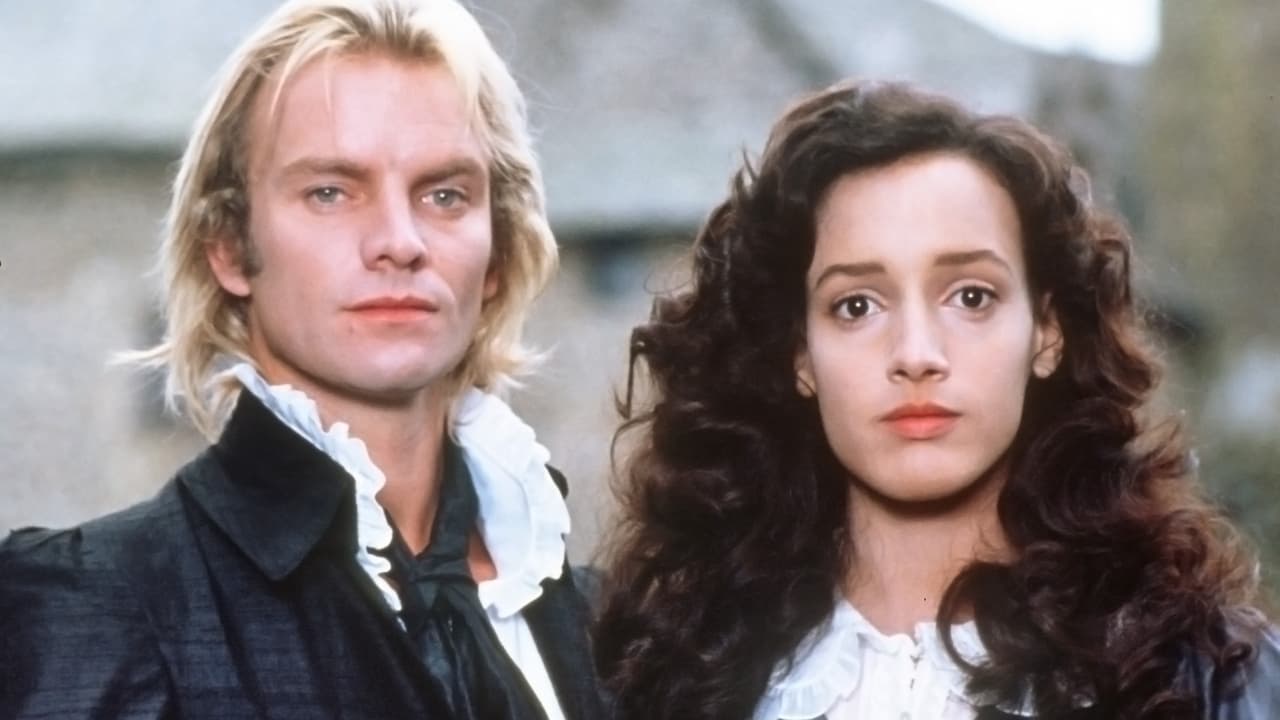
The premise diverges sharply from its Universal Horror roots almost immediately. Baron Charles Frankenstein (Sting, in a piece of truly inspired, era-defining casting hot off his success with The Police) succeeds in creating his female companion, Eva (Jennifer Beals, then riding high from 1983’s Flashdance). But Eva is not the patchwork creature one might expect; she is intelligent, beautiful, and initially terrified not of the Baron's original creation (Clancy Brown, hidden under impressive makeup), but of the Baron himself. When the lab explodes (as labs in these stories invariably do), the original Monster is presumed dead, and Frankenstein decides to mold Eva into his perfect, sophisticated partner, keeping her origins secret.
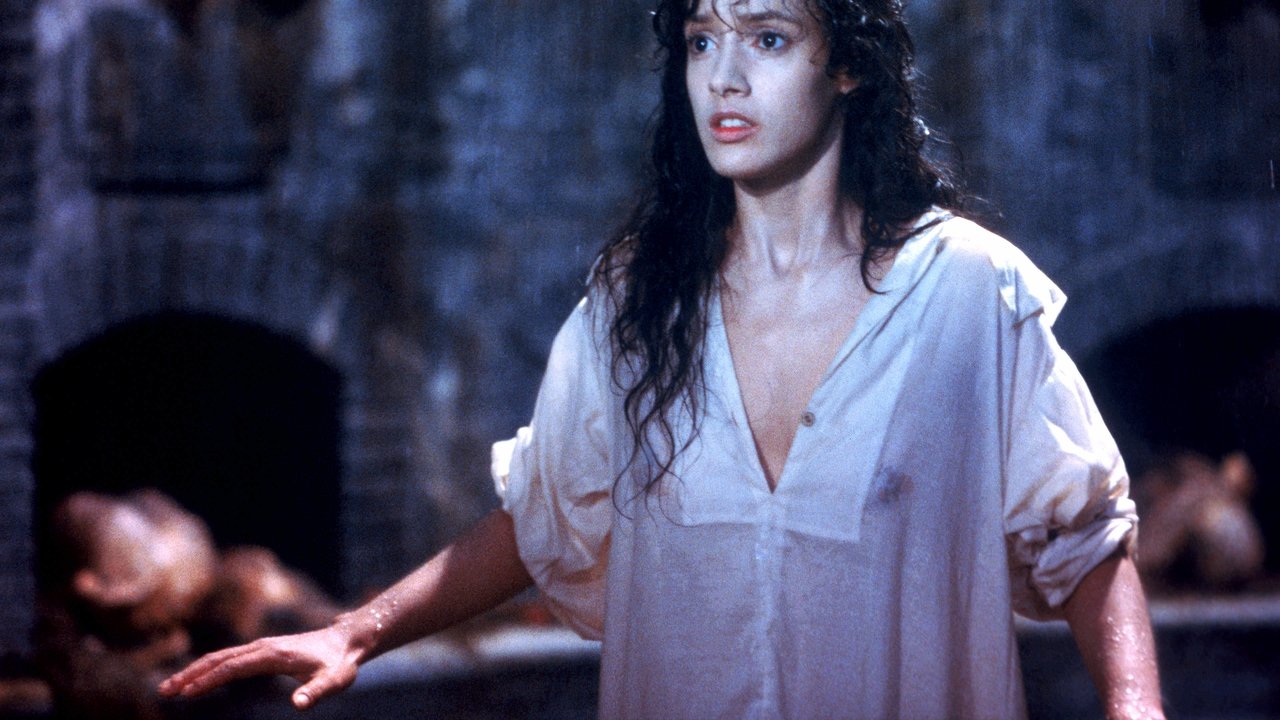
This setup allows director Franc Roddam, previously known for the gritty realism of Quadrophenia (1979), to explore themes far removed from simple horror. Eva's story becomes one of awakening consciousness and burgeoning independence. Locked away in Frankenstein's castle, she learns about the world through his curated lessons, but her innate curiosity and spirit begin to push against his possessive control. Doesn't this dynamic – the powerful male creator trying to shape and own his 'perfect' woman – resonate with anxieties far beyond the gothic laboratory?
Two Journeys, Intertwined
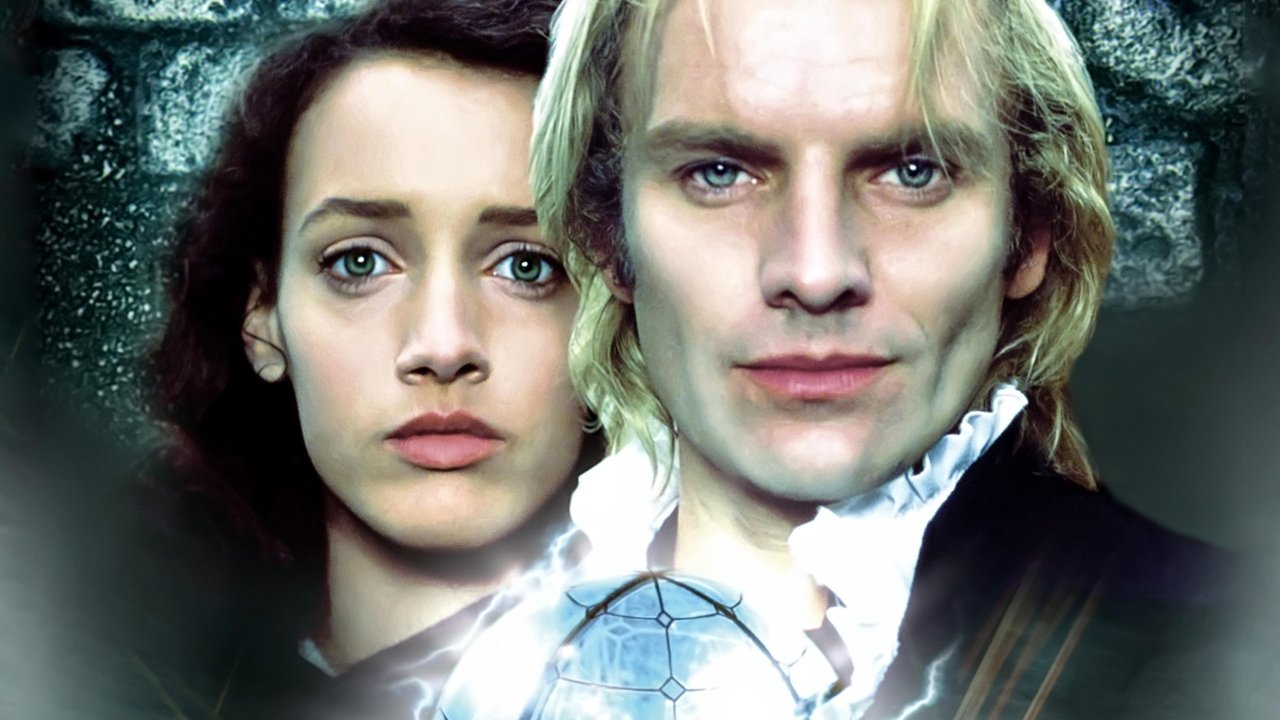
Meanwhile, the original Monster, now named Viktor, survives the blast and embarks on his own odyssey. Falling in with a traveling circus run by the kindly dwarf Rinaldo (David Rappaport, bringing immense heart to the role), Viktor finds tentative acceptance and friendship. Clancy Brown delivers a genuinely moving performance here. Buried under layers of prosthetics (designed by the legendary Nick Dudman's team), he conveys Viktor's pain, confusion, and burgeoning humanity with remarkable subtlety. His journey provides a stark contrast to Eva's gilded cage, highlighting themes of societal prejudice and the search for belonging. This parallel narrative structure is one of the film’s strengths, even if the tones sometimes clash.
Speaking of clashes, the film’s visual style is consistently gorgeous, thanks to cinematographer Stephen H. Burum (who would later shoot The Untouchables and Carlito's Way). Filmed largely on location in France and at England's Shepperton Studios, The Bride boasts stunning landscapes, opulent interiors, and a rich, almost fairytale-like aesthetic. The reported $13 million budget is certainly visible on screen. Yet, this visual beauty sometimes sits awkwardly alongside the darker gothic elements and the almost adventure-serial feel of Viktor’s circus escapades. It’s a film constantly trying to reconcile its romantic heart with its monstrous origins.
Retro Fun Facts: Behind the Creation
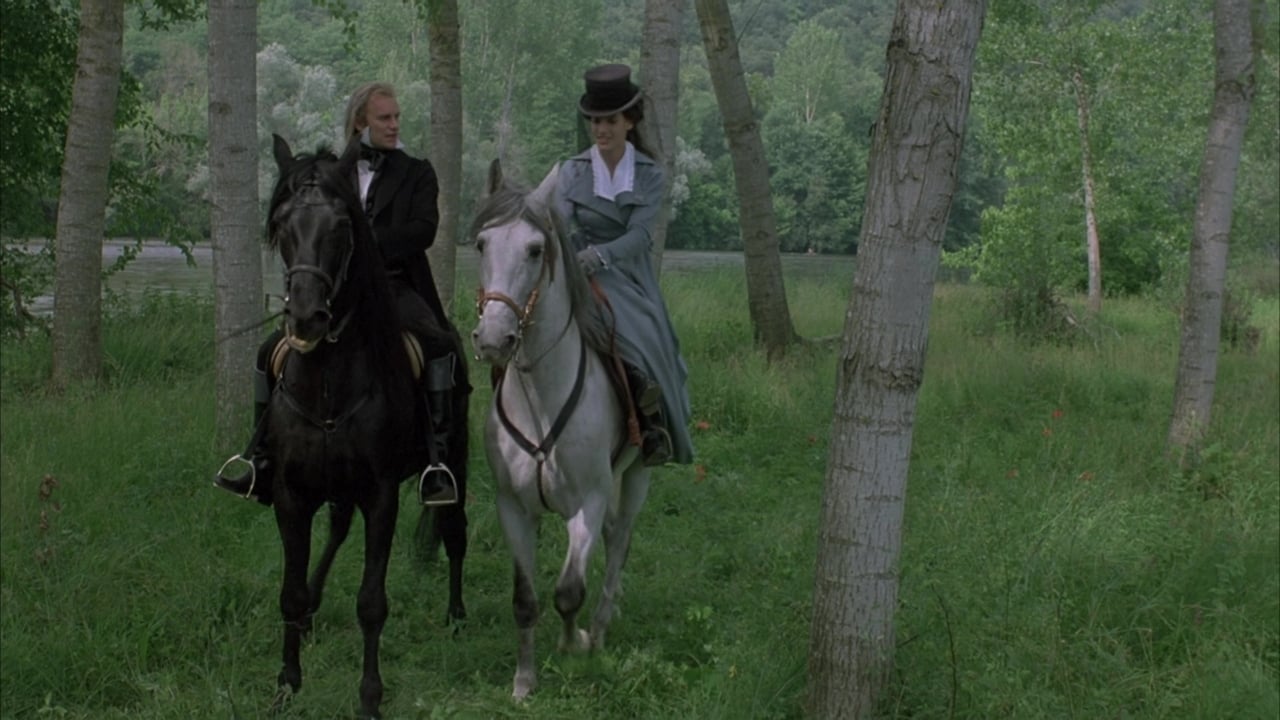
The casting itself was a fascinating snapshot of the mid-80s. Securing Sting was a major coup, lending the film a certain rock-star glamour, even if his performance as the icy, arrogant Baron sometimes feels a little stiff. He reportedly took extensive horse-riding lessons for the role. Jennifer Beals faced the challenge of portraying Eva's rapid evolution from near-infant to self-aware woman, a difficult arc she navigates with considerable grace. Writer Lloyd Fonvielle's script deliberately aimed to subvert the original Bride of Frankenstein, focusing squarely on the Bride's perspective – a proto-feminist angle that feels both intriguing and slightly underdeveloped in execution. Despite its pedigree and visual richness, the film struggled at the box office, grossing only around $3.6 million domestically, and faced largely negative reviews upon release, perhaps because audiences weren't sure what to make of its genre-bending nature.
Performance and Presence
While Sting’s Baron is perhaps more visually striking than emotionally resonant, Beals truly anchors Eva's journey. She captures the initial wide-eyed wonder and vulnerability, gradually layering in defiance and intellectual curiosity. You believe in her transformation, even when the script occasionally falters. But it's Clancy Brown, arguably, who steals the show. His Viktor is heartbreaking – a figure of immense physical power wrestling with profound loneliness and a yearning for connection. His scenes with Rappaport's Rinaldo are the film's emotional core, showcasing a tenderness rarely afforded to Frankenstein's creation on screen. Does his portrayal challenge our very definition of 'monster'?
An Ambitious Beauty, Forever Misunderstood?
The Bride isn't a perfect film. Its pacing can be uneven, the tonal shifts between Eva's gothic romance and Viktor's picaresque adventure can be jarring, and some of the dialogue lands with a thud. Yet, there's something undeniably captivating about its ambition, its visual splendor, and its central performances. It dared to take a familiar story and ask different questions, centering the female creation and giving the original monster a poignant, humanizing arc. It feels like a film born of a specific moment – the mid-80s blend of fantasy, romance, and star power – that perhaps never quite found its audience back then. Watching it now, on a format perhaps slightly less forgiving than the soft glow of a CRT hooked up to a VCR, its flaws are apparent, but so is its unique charm and haunting beauty.
Rating: 6/10
This score reflects the film's striking visuals, compelling central performances (especially Brown and Beals), and ambitious reimagining of the source material, balanced against its tonal inconsistencies, sometimes awkward script, and pacing issues. It’s a fascinating failure in some respects, but a beautiful and strangely memorable one.
The Bride remains a captivating curio from the VHS era – a gothic fairytale that tried to weave romance, adventure, and a nascent feminist spirit into the Frankenstein myth, leaving us with lingering images of beauty, loneliness, and the eternal quest for identity. What more could we ask from a trip back to the video store shelf?