Alright gearheads and tape hounds, let’s fire up the mental VCR and slide in a tape that smells faintly of gasoline and burnt rubber. Digging through the dusty shelves of memory (or maybe that forgotten box in the attic), you might just stumble upon 1979's Fast Company. It screams late-70s drive-in B-movie… until you notice the name in the director’s chair: David Cronenberg. Yes, that David Cronenberg, the maestro of body horror who brought us The Fly and Videodrome. What in the name of exploding heads is he doing directing a drag racing flick? Buckle up, because this is one fascinating detour.
### Nitro Dreams and Corporate Schemes
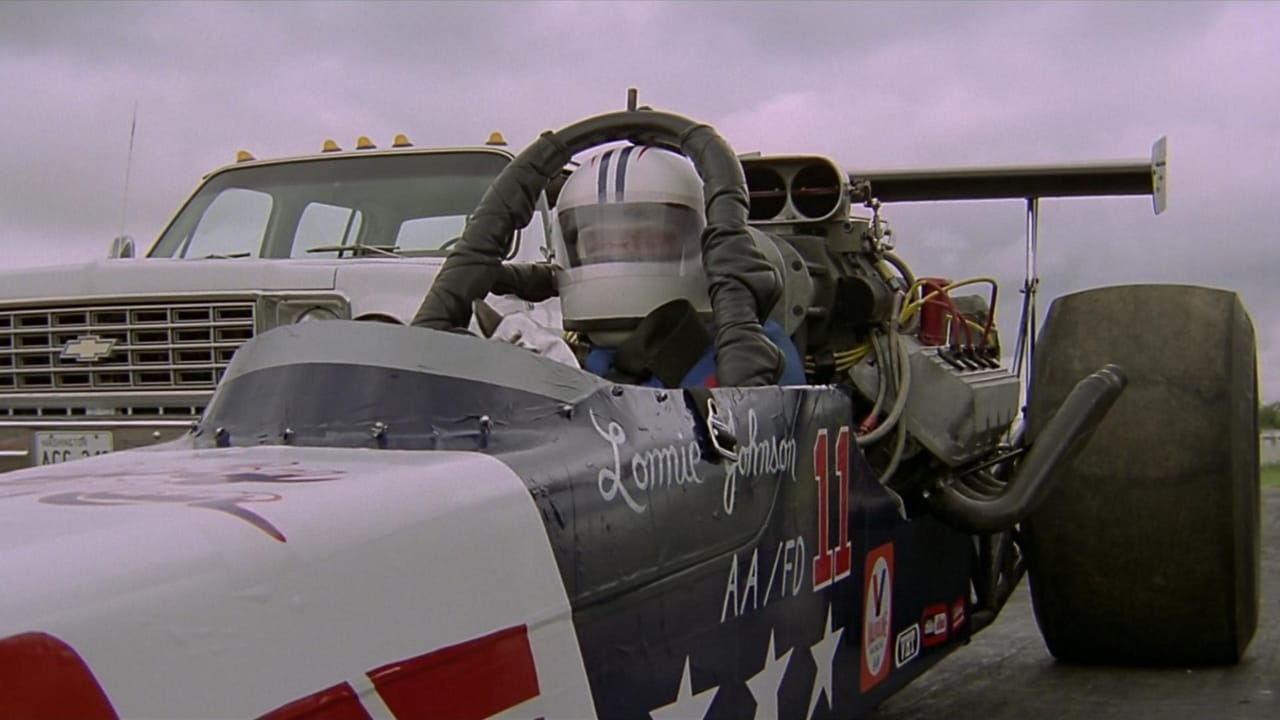
Forget the psychosexual nightmares for a moment; Fast Company plunges us headfirst into the high-octane, sponsor-driven world of professional drag racing. Our hero is Lonnie "Lucky Man" Johnson, played with weathered charisma by the legendary tough guy William Smith (a face instantly familiar from countless biker flicks and action roles like Any Which Way You Can). Lonnie is the star driver for FastCo, a corporation run by the slick, manipulative Phil Adamson (John Saxon, oozing the villainous charm he perfected in films like Enter the Dragon). Lonnie lives for the quarter-mile, pouring his heart and soul into his machine, but Adamson sees drivers as disposable parts, prioritizing profit over loyalty. When FastCo tries to sideline Lonnie for a younger, more controllable driver, things get personal, and the rivalry moves from the drag strip to sabotage and outright vengeance.
### Feel the Heat, Smell the Rubber
Let's talk action, because that's the greasy heart of Fast Company. Forget glossy CGI – this is pure, unadulterated, practical mayhem. Cronenberg, a noted car enthusiast himself, captures the visceral thrill of drag racing with genuine affection. The sequences on the strip feel real because, well, they largely were. Shot on location at Canadian drag strips like the Edmonton International Speedway, the film uses actual racing vehicles and captures the ear-splitting roar of engines, the plume of tire smoke, and the raw speed in a way that digital effects often struggle to replicate. Remember how those shaky, ground-level shots made you feel like you were right there next to the screaming engines?
The crashes and stunts have that authentic, wince-inducing quality that defined the best action films of the era. When metal twists and fire erupts, you know it's not pixels – it's actual metal and real fire, often orchestrated by brave stunt performers pushing the limits. There's a weight and danger here that feels tangible, a far cry from the sometimes floaty physics of modern blockbusters. It wasn't slick, but damn, it felt powerful on that slightly fuzzy CRT screen late at night. Retro Fun Fact: Cronenberg actually secured financing for this passion project largely based on the commercial success of his earlier horror films Shivers and Rabid. The financiers likely expected more horror, but got high-octane horsepower instead!
### Faces in the Pit Crew
William Smith is perfectly cast as Lonnie. He embodies the aging veteran racer – tough, principled, maybe a little stubborn, but undeniably magnetic. You believe he could wrench on an engine all night and then wrestle a bear before breakfast. Opposite him, John Saxon delivers exactly what you want: a smooth-talking antagonist whose corporate smile barely hides his ruthlessness.
And then there's Claudia Jennings as Sammy, Lonnie's girlfriend and a capable gearhead in her own right. A former Playboy Playmate of the Year (1970), Jennings brings a natural spark and toughness to the role, making Sammy more than just window dressing. A poignant note: Tragically, Claudia Jennings died in a car accident in October 1979, mere months after the film’s release, lending a sad layer of irony to her vibrant performance in this car-centric movie. The supporting cast, including Nicholas Campbell (later known for TV's Da Vinci's Inquest) as Lonnie's loyal mechanic buddy Billy, adds to the authentic pit-crew atmosphere.
### Cronenberg Off-Piste
So, where's the typical Cronenberg touch? Honestly, it’s subtle here. While Fast Company lacks the grotesque body horror he’s famous for, you can arguably see his fascination with the relationship between humans and machines – the almost symbiotic connection between driver and car. There's also a coldness to the corporate machinations and a certain clinical observation of the violence, hinting at the director's later preoccupations. It’s less about mutation and more about the mechanics of obsession and betrayal within this specific, self-contained world. The film’s straightforward narrative and focus on action make it an outlier, but not entirely disconnected from his thematic interests if you squint a little.
Despite Cronenberg's burgeoning reputation and the authentic racing action, Fast Company sputtered at the box office upon release (reportedly costing around $1.2 million CAD and not recouping it initially). Critics were likely confused, expecting horror and getting horsepower. But like so many underperformers of the era, it found its true audience later, becoming a beloved cult classic on home video – precisely the kind of gem you'd brag about finding at the local rental store.
### The Verdict
Fast Company is a gritty, straightforward, and deeply satisfying slice of late-70s action cinema. It delivers authentic drag racing thrills powered by fantastic practical effects and stunt work, anchored by strong performances from genre stalwarts William Smith and John Saxon. The David Cronenberg connection adds a fascinating layer of intrigue, making it a must-see for his completists and a unique discovery for action fans. It might lack the thematic depth of his later work, but it compensates with pure, unpretentious B-movie energy and a genuine love for its subject matter.
Rating: 7/10 - A well-oiled B-movie machine that delivers genuine thrills and stands as a fascinating, tire-squealing detour in a master filmmaker's career.
Final Thought: It doesn't explode bodies, but Fast Company absolutely explodes off the starting line – a reminder of an era when movie action felt dangerously, gloriously real. Still revs the engine today.