Alright, rewind your minds, fellow tapeheads. Picture this: It’s Friday night, the VCR is humming, and you’ve just slotted in a tape promising hard-hitting action. Sometimes, you stumbled onto something a cut above the usual Cannon Films fare, something with a bit more grit, a bit more procedural steel behind the roundhouse kicks. That, my friends, is the feeling of discovering 1985’s Code of Silence. It’s a Chuck Norris vehicle, sure, but strap in, because this one hits different.
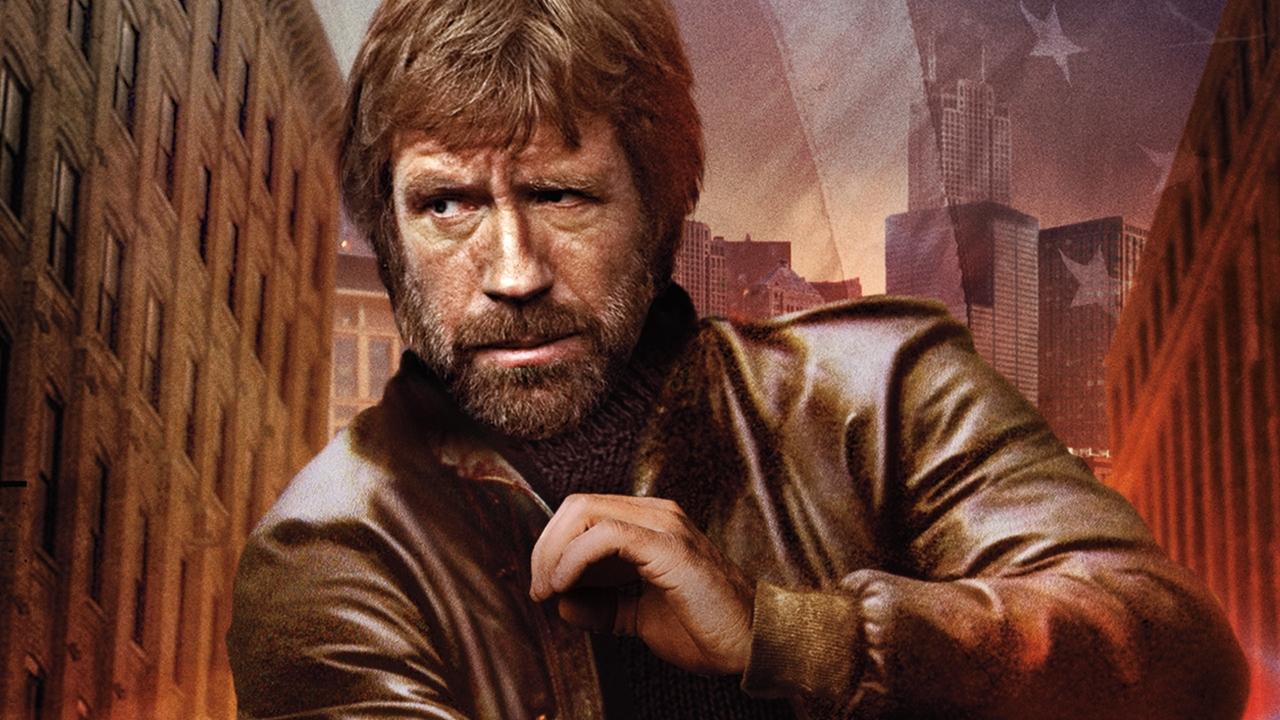
This wasn't just another generic action script gathering dust. Believe it or not, the screenplay for Code of Silence originally started life in the late 70s as Dirty Harry IV: Code of Silence. Clint Eastwood passed, and after some rewrites, it landed in the lap of Chuck Norris. And honestly? It feels like a perfect fit for his stoic, tough-guy persona, injecting a welcome dose of urban realism into his filmography.
### Chicago’s Finest (and Roughest)
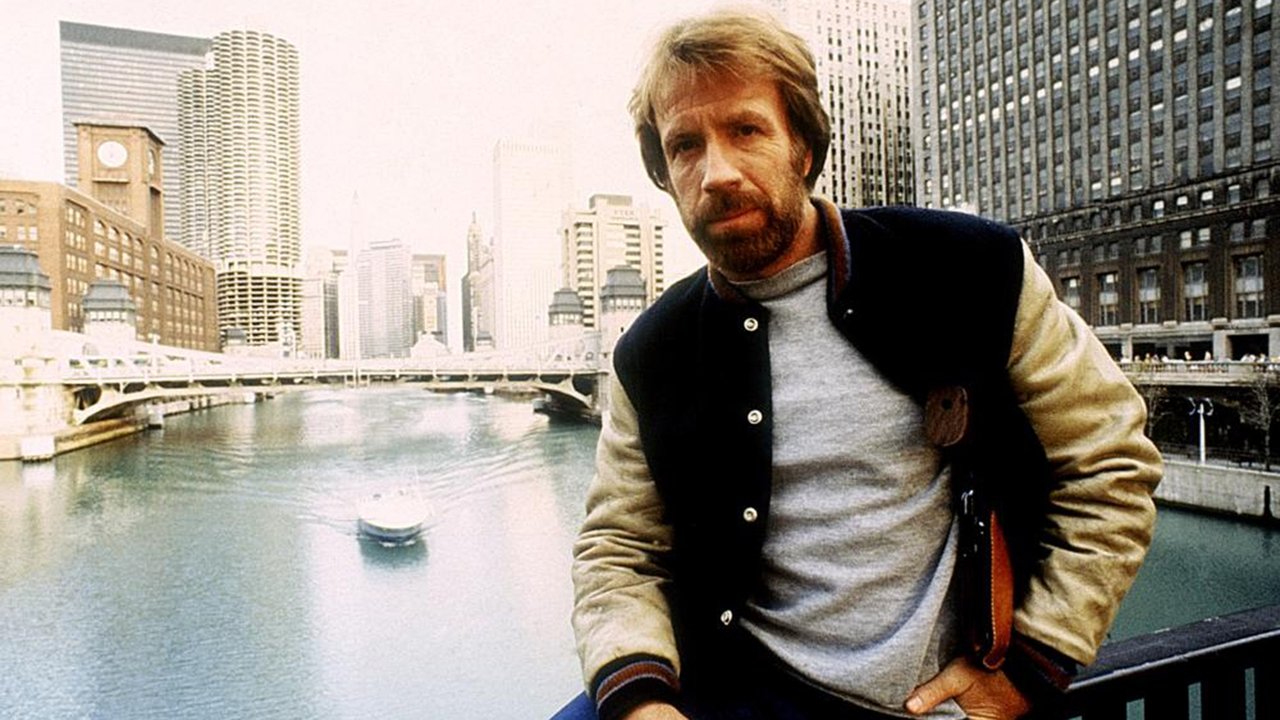
We're dropped straight into the mean streets of Chicago, a city captured with a palpable sense of place by director Andrew Davis. If that name rings a bell, it should – he’d later give us the tightly wound perfection of The Fugitive (1993), and you can see the seeds of that grounded, location-specific intensity right here. Norris plays Sgt. Eddie Cusack, an honest cop navigating a brutal drug war between rival Colombian gangs while simultaneously dealing with corruption festering within his own department.
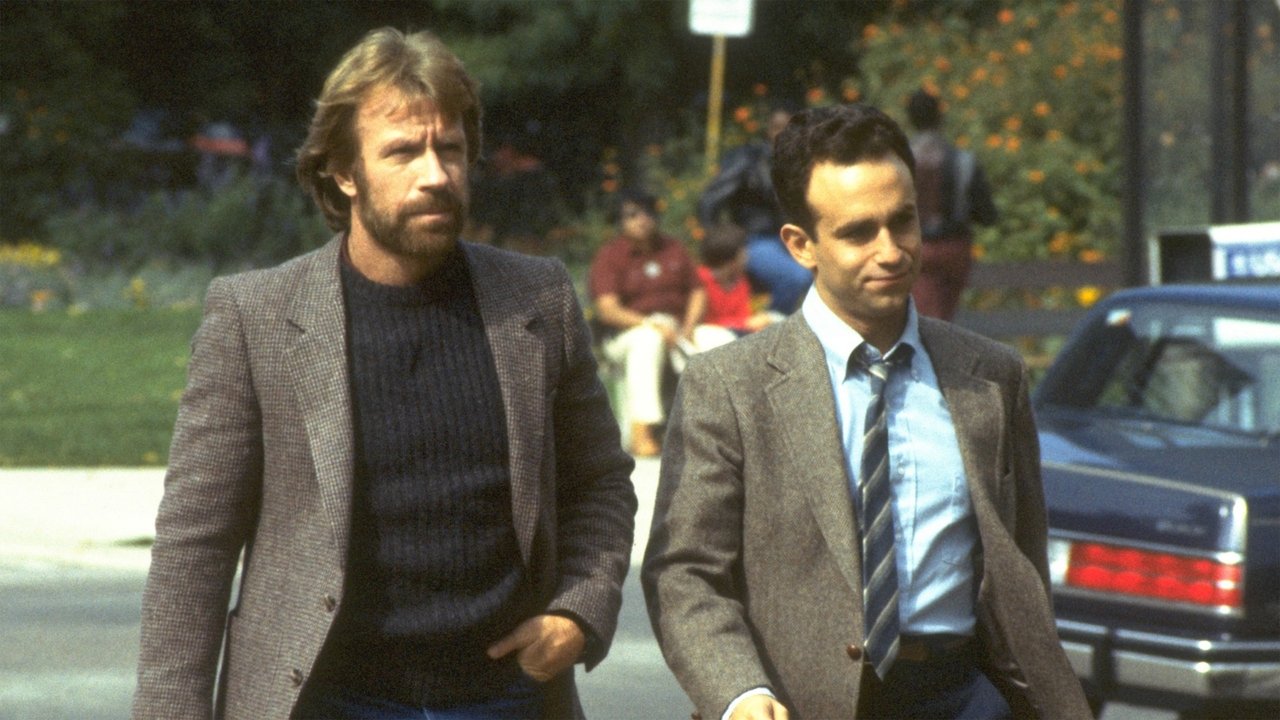
This isn't the Norris of Missing in Action or Lone Wolf McQuade, solely relying on martial arts prowess (though don't worry, the kicks are present and accounted for). Cusack is weary, principled, and finds himself isolated by the very "code of silence" his colleagues use to protect a dirty cop (Ron Dean, perfectly slimy). Norris delivers one of his most effective performances here, dialing back the overt machismo for a more restrained, determined portrayal. He carries the weight of the badge and the city's grime convincingly.
### That Glorious 80s Action Crunch
Let’s talk about why this film feels so good in that retro action sweet spot. Davis orchestrates some truly memorable set pieces that rely entirely on practical effects and sheer nerve. Remember that insane fight scene atop a moving L train? That’s real stunt work, folks, high above the actual streets of Chicago, giving it a sense of genuine peril that CGI often smooths over today. The stakes feel incredibly high because, well, they were.
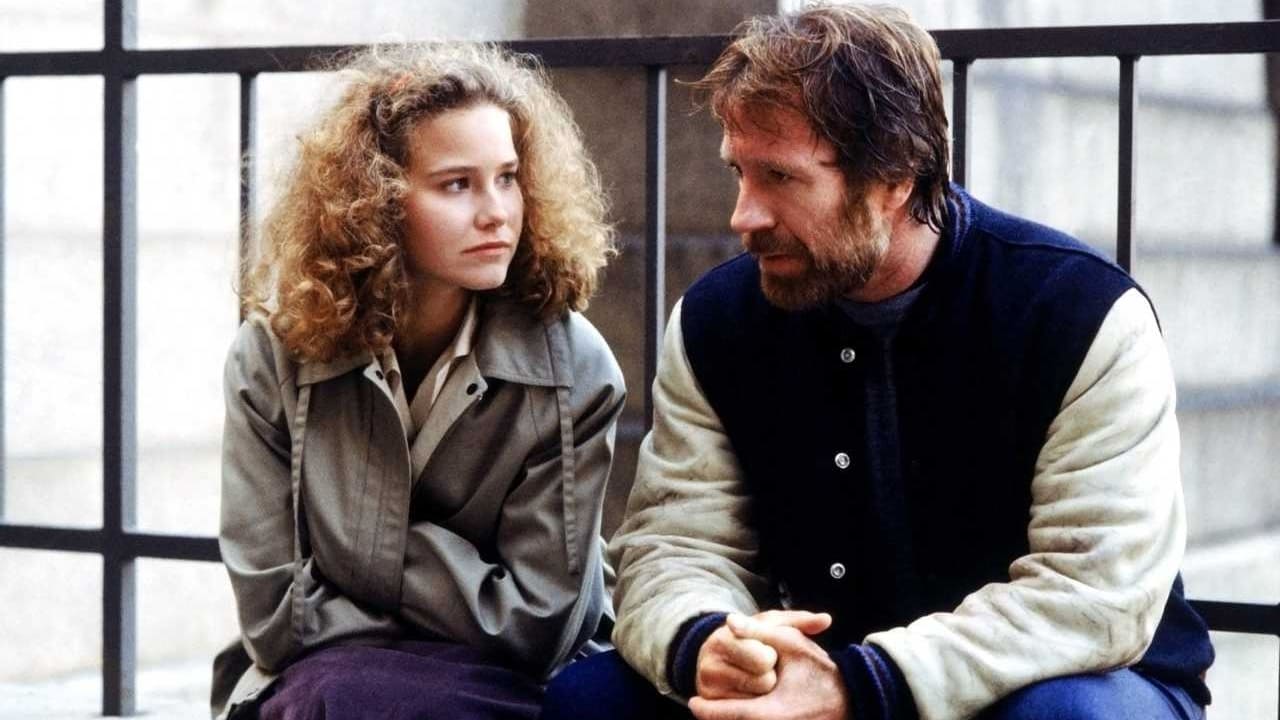
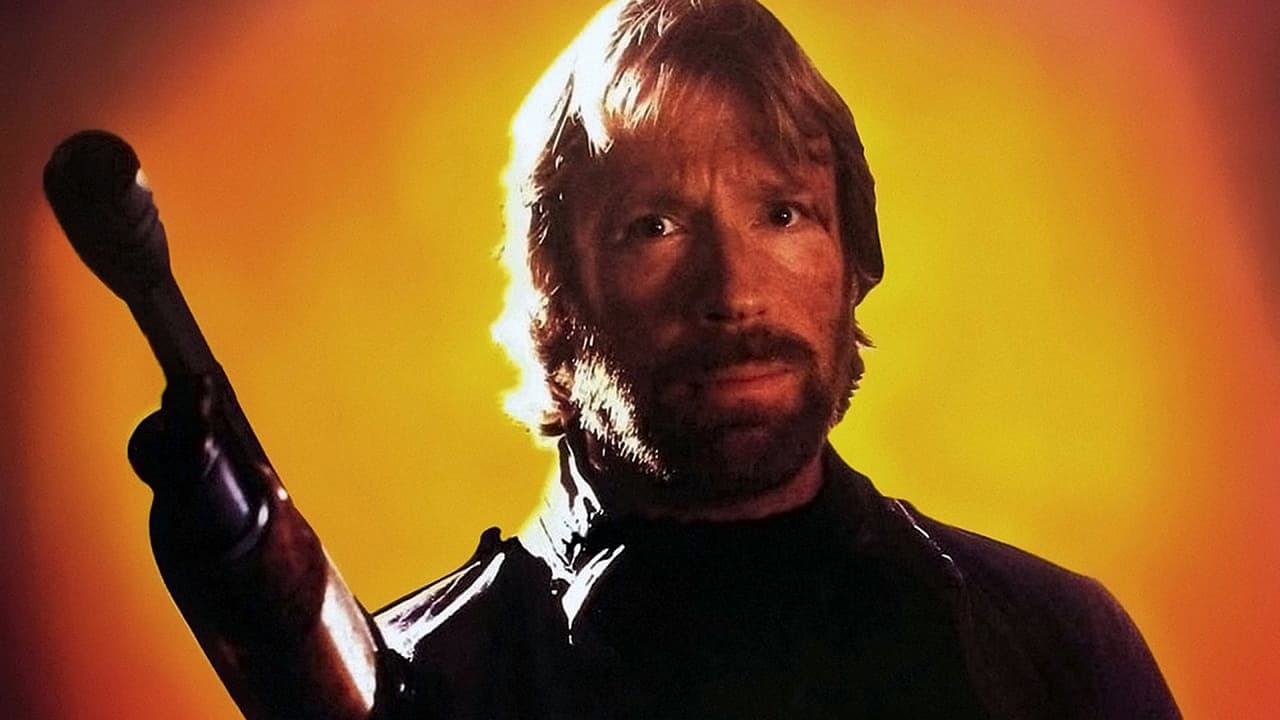
Then there’s the barroom shootout – chaotic, sudden, and brutal. The bullet hits, the shattering glass, the sheer panic… it feels visceral in a way modern, heavily edited sequences sometimes miss. This was the era where squibs reigned supreme, and stunt performers truly put their bodies on the line. You felt the impact through that slightly fuzzy CRT screen, didn't you? It wasn't clean; it was messy and dangerous, reflecting the film's gritty tone. Even the car chases feel grounded, weaving through recognisable Chicago streets, adding another layer of authenticity often missing when films shoot on anonymous backlots.
### Silva's Menace and a Robotic Surprise
A hero is often only as good as his villain, and Code of Silence delivers big time with Henry Silva as Luis Comacho. Silva, a veteran screen heavy, is absolutely chilling here. With his icy stare and ruthless efficiency, Comacho is a genuinely intimidating antagonist, elevating the stakes considerably. He brings a quiet intensity that contrasts perfectly with the explosive action surrounding him. We also get a solid turn from the always reliable Bert Remsen as Cusack's aging, alcoholic former partner, adding a touch of pathos.
And then… there’s the “Prowler.” Oh boy. In the film’s climax, facing overwhelming odds, Cusack requisitions a remote-controlled police drone/tank – a six-wheeled, heavily armed robot designed for riots. It’s pure, unfiltered 80s invention, slightly clunky by today’s standards but undeniably awesome at the time. This wasn't CGI; they built that thing! Reportedly, the Prowler was a fully functional gadget created for the film, adding a wonderfully tangible, almost sci-fi element to the street-level grit. It's a sequence that perfectly encapsulates the era's blend of practical problem-solving and slightly over-the-top concepts.
### More Than Just Kicks
While the action is the main draw, Code of Silence benefits from its relatively strong script (that Dirty Harry DNA showing through) and its willingness to tackle themes of police corruption and institutional loyalty, however thorny. It adds a layer of substance that makes Cusack's struggle more compelling. The film performed well at the box office, pulling in over $20 million on its roughly $7 million budget, and received surprisingly positive reviews for a Norris picture, with critics like Roger Ebert praising its effective action and Davis's direction. It felt like a step up, a sign that Norris could handle more grounded, character-driven material.
Watching it today, maybe on a less-than-pristine streaming copy that mimics that old VHS feel, Code of Silence holds up remarkably well. It’s a tight, efficient thriller with genuinely thrilling practical action sequences and one of Chuck Norris’s best performances. It captures that specific 80s action flavor – tough, gritty, a little worn around the edges, but undeniably effective.
VHS Heaven Rating: 8/10
Justification: While undeniably a product of its time (hello, Prowler!), Code of Silence delivers exceptionally well-crafted practical action sequences thanks to Andrew Davis's sharp direction. Chuck Norris gives a surprisingly strong, grounded performance, complemented by a menacing Henry Silva. The gritty Chicago atmosphere and the thematic weight elevate it above standard 80s action fare. It loses a couple of points for some predictable plot beats and that slightly dated (but awesome) robot climax, but its core strengths shine brightly.
Final Take: Forget the memes for a second; Code of Silence is proof that Chuck Norris could deliver serious, hard-edged action with the best of them, especially when backed by solid direction and a commitment to making you feel those stunts. A must-watch for fans of gritty urban thrillers and the golden age of squibs and steel.