The asphalt screams. Not with the high-pitched whine of modern rubber on smooth roads, but with a guttural howl – the sound of desperation, decay, and metal pushed past its breaking point. This is the sound that echoes long after the VCR sputters to a stop, the signature cry of George Miller’s 1979 masterpiece, Mad Max. It’s a film that doesn’t just depict a society crumbling at the edges; it drags you down into the dust and grit with it.
### A Sun-Scorched Foreboding
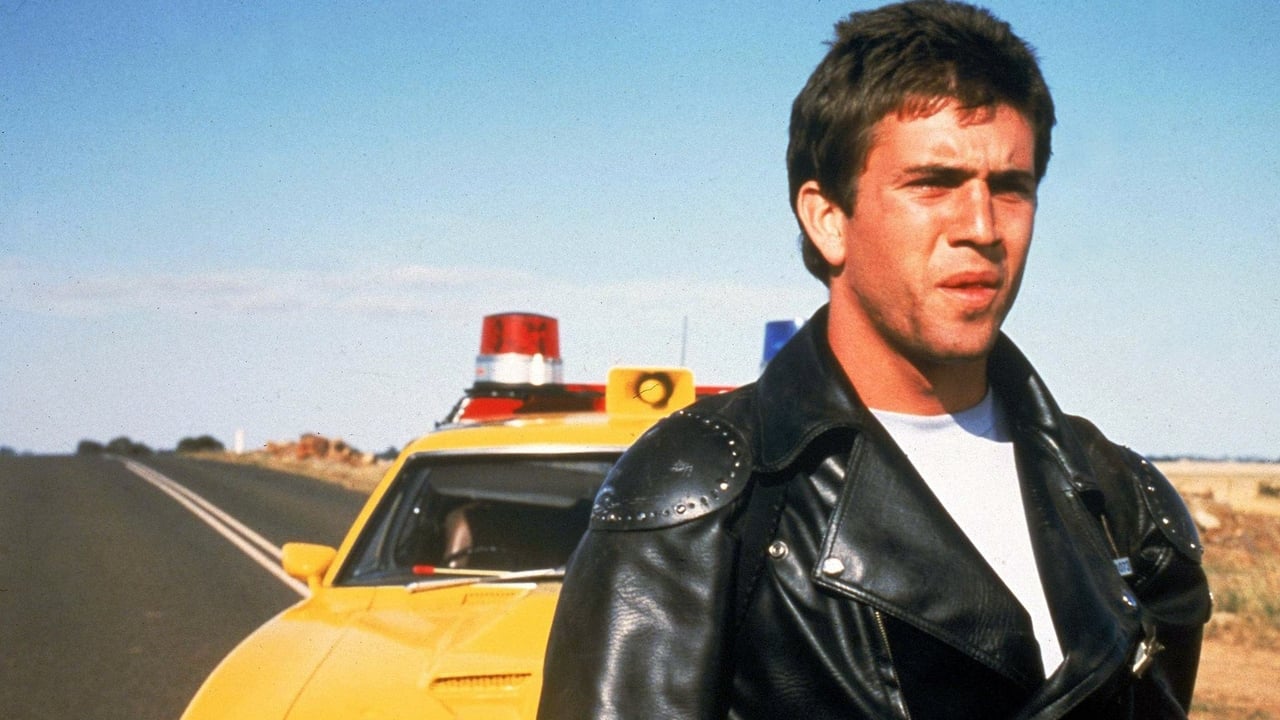
Forget the polished dystopias that came later. Mad Max presents a "near future" that feels unnervingly plausible, filmed on the desolate highways outside Melbourne, Australia. It’s not quite post-apocalyptic yet, but the rot has set in. Civilization is fraying, resources are dwindling, and the highways are ruled by nomadic biker gangs who deal in terror and violence. Holding the thin, cracking line is the Main Force Patrol (MFP), clad in battered leathers, driving souped-up pursuit vehicles, looking almost as desperate as the criminals they chase. The film’s low budget (reportedly around $350,000 AUD) wasn’t a constraint; it was an asset, forcing a level of raw authenticity that multi-million dollar productions struggle to replicate. You can practically smell the exhaust fumes and taste the dust.
### The Road Warrior Begins
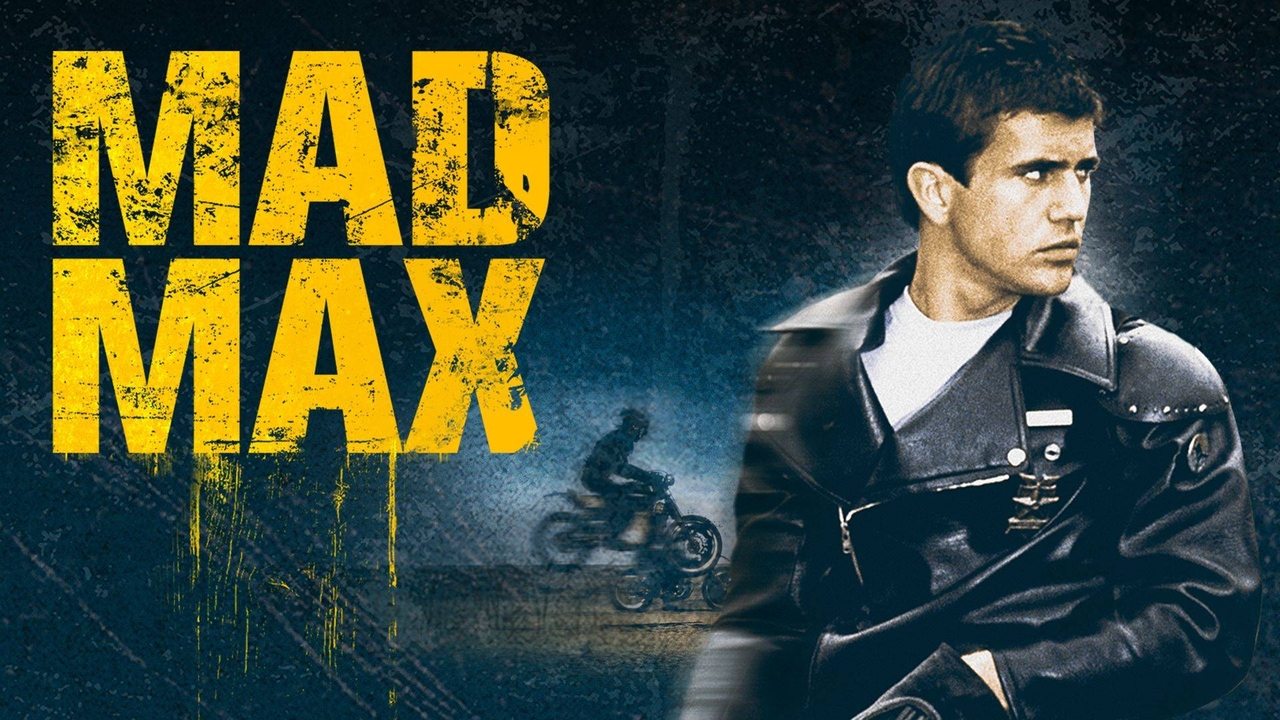
At the center stands Max Rockatansky, brought to raw, simmering life by a young, relatively unknown Mel Gibson. Legend has it Gibson only accompanied a friend to the audition and, nursing bruises from a bar fight the night before, inadvertently caught the casting director's eye with his 'weathered' look. Whether true or not, he embodies Max perfectly – the MFP's top pursuit man, skilled and seemingly detached, but clinging fiercely to the remnants of his family life, his anchor in a world sliding into chaos. He’s not yet the mythic wanderer of later films; here, he's achingly human, making his eventual transformation all the more chilling.
### Highway Predators
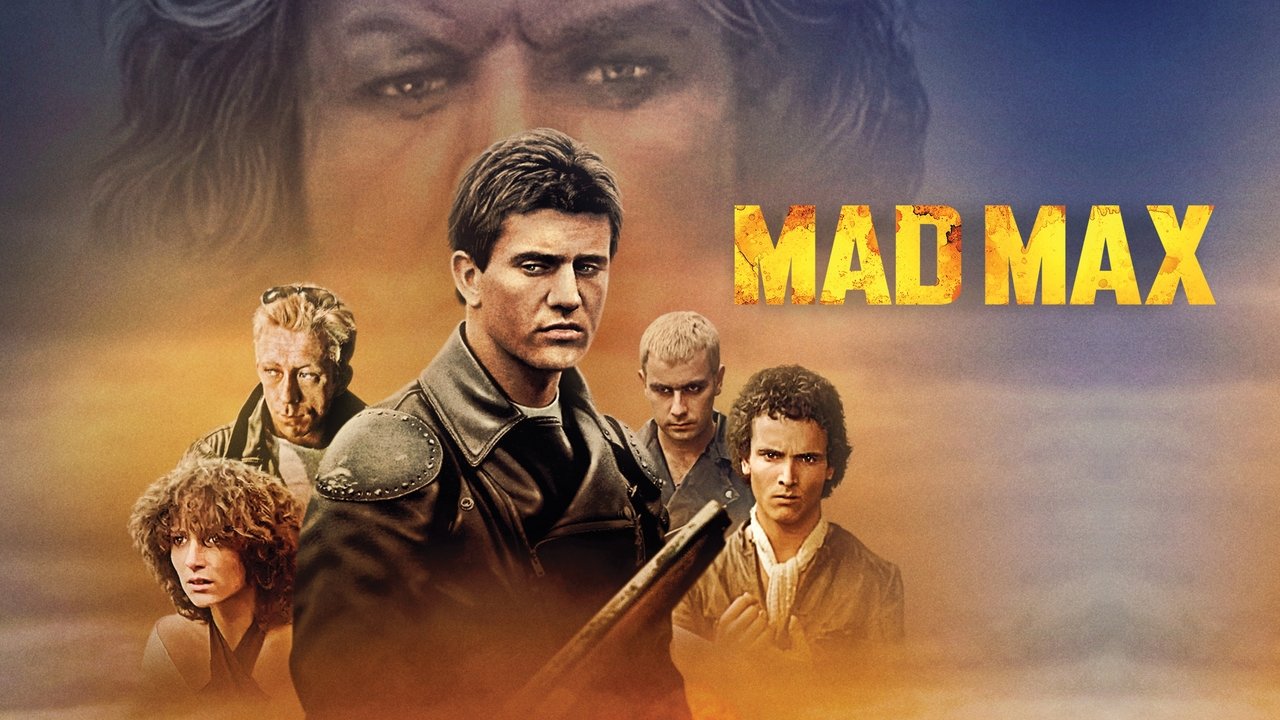
Against Max and the dwindling MFP stands one of cinema’s truly memorable gangs, led by the charismatic but utterly psychotic Toecutter, played with terrifying conviction by Hugh Keays-Byrne. His calm pronouncements laced with menace, his eyes burning with nihilistic glee – Toecutter isn't just a villain; he's the embodiment of the coming anarchy. Fun fact: George Miller deliberately cast actors from rival real-life biker clubs to play members of Toecutter’s gang, allegedly encouraging on-set friction to fuel the performance energy. Keays-Byrne himself, a veteran of the Royal Shakespeare Company, brought a theatrical intensity that elevated the material, a presence so commanding that Miller brought him back decades later to play the iconic Immortan Joe in Mad Max: Fury Road.
### Visceral Velocity and Vision
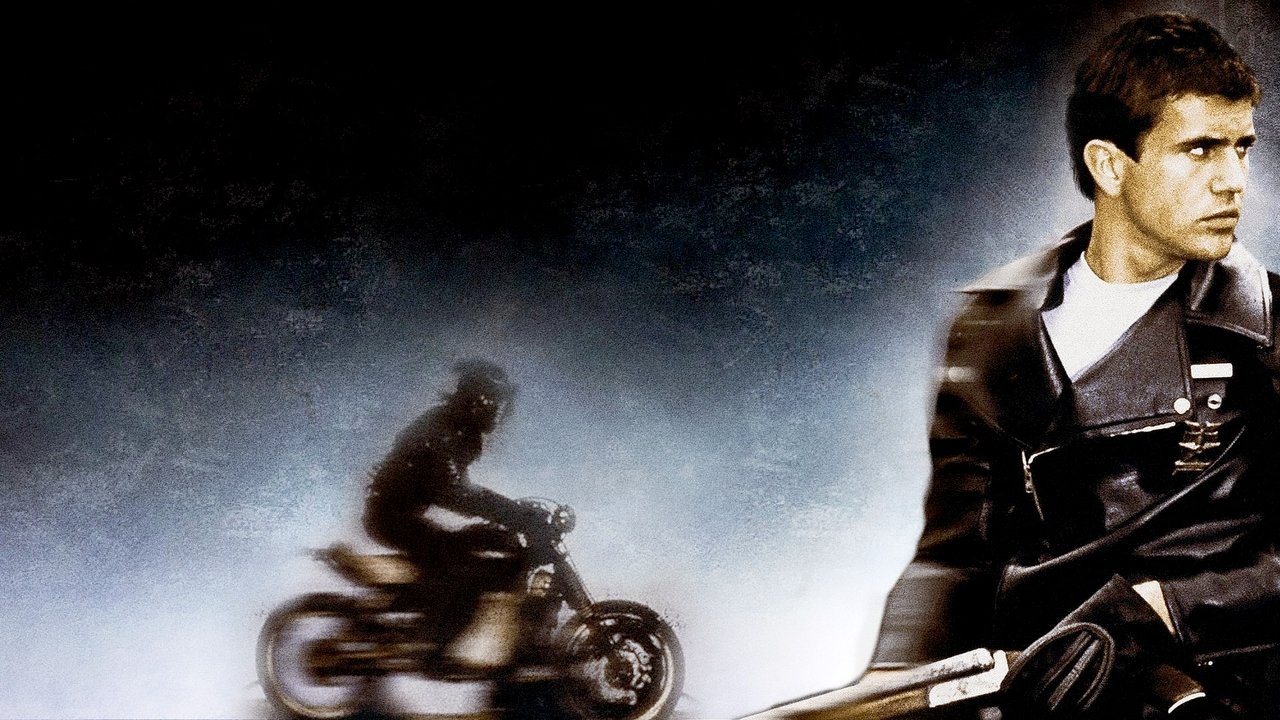
What truly sets Mad Max apart, especially considering its vintage and budget, is George Miller’s groundbreaking direction. A former emergency room doctor, Miller brought a unique understanding of trauma and high-speed impact to the screen. The stunts, often performed by the legendary Grant Page and his team, are breathtakingly real and genuinely dangerous – there's no CGI safety net here. Miller’s use of wide anamorphic lenses, low-angle shots mere inches from the speeding bitumen, and kinetic, sometimes jarring editing creates an unparalleled sense of velocity and impact. You feel every swerve, every collision. Combined with the pulsating, often unsettling score by Australian composer Brian May (no, not that Brian May), the film achieves a state of near-constant tension. Miller and his crew often filmed guerrilla-style, dodging authorities and pushing the boundaries of safe filmmaking – the blue van destroyed in the opening sequence was reportedly Miller’s own personal vehicle sacrificed for the shot!
### The Descent
The film doesn't shy away from brutality. It understands that the true horror isn't just the physical violence, but the psychological toll. As Toecutter's gang escalates their reign of terror, targeting those Max holds dear (Spoiler Alert for a 40+ year old film is probably unnecessary, but the loss Max suffers is central), the narrative pivots. It becomes a stark, uncompromising revenge thriller. The moment Max dons the black leather MFP interceptor gear, retrieves the sawed-off shotgun, and stares into the mirror, his eyes stripped of everything but cold fury... it’s unforgettable. The methodical, almost emotionless way he hunts down those who wronged him is far more disturbing than any explosive outburst. It’s the quiet snap of a soul pushed beyond its limit.
### Legacy in Leather and Gasoline
Mad Max wasn't an immediate critical darling everywhere (its initial US release suffered from a clumsy American dubbing track – seek out the original Australian audio!), but its influence is undeniable. It became a colossal financial success, holding the Guinness World Record for the highest profit-to-cost ratio for years, paving the way for The Road Warrior (1981), Beyond Thunderdome (1985), and the stunning return with Fury Road (2015). It redefined the post-apocalyptic genre, influenced countless action films with its practical stunt work and kinetic style, and launched Mel Gibson into international stardom. Its raw energy, gritty realism, and surprisingly bleak outlook still feel potent today.
Watching it now, on a format perhaps closer to its gritty origins than pristine Blu-ray, you remember why it hit so hard. It felt dangerous, unpredictable, real in a way few action films did then, or do now. Doesn't that climactic, chilling final scene still send a shiver down your spine?
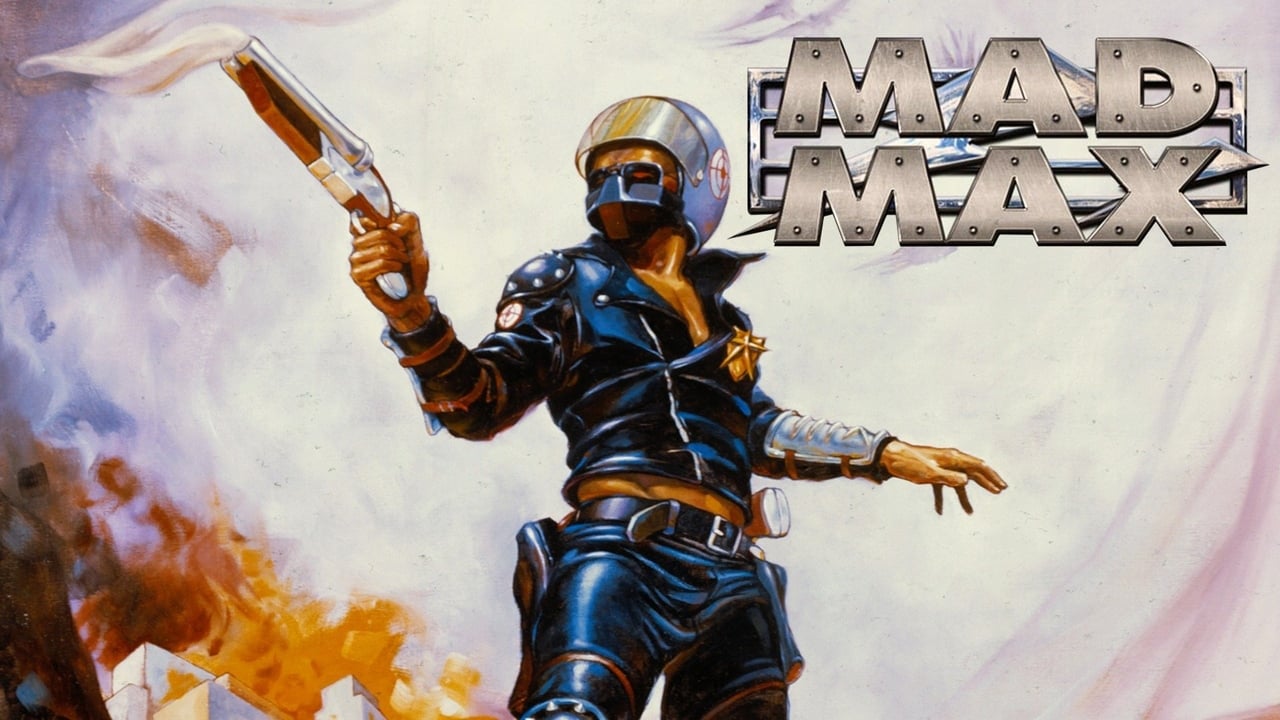
Rating: 9/10
Justification: Despite its low budget and rough edges, Mad Max is a masterclass in tension, atmosphere, and visceral filmmaking. George Miller's visionary direction, Mel Gibson's star-making turn, Hugh Keays-Byrne's iconic villainy, and the groundbreaking stunt work combine to create a raw, powerful cinematic experience. Its enduring influence and unforgettable tone cement its status as a genre-defining classic.
Final Thought: Before the Wasteland became a playground, it was born here, on these sun-baked Australian roads, in the hollow eyes of a man who lost everything and became Mad Max. A brutal, essential piece of cult cinema history.