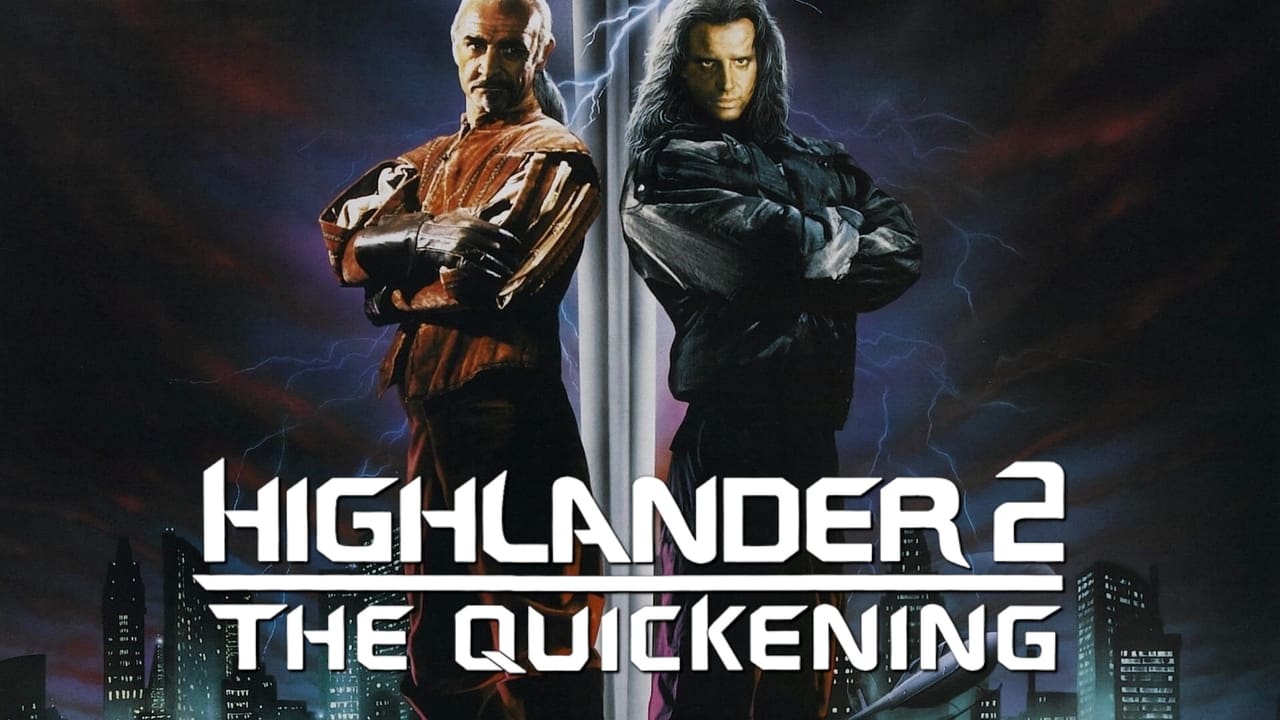
It wasn't supposed to be this way. There are cinematic nightmares born of suspense, of lurking dread in shadowed corners. And then there's the unique, chilling unease that settles when watching something beloved get fundamentally broken. That's the cold space occupied by Highlander II: The Quickening, a film whose very existence feels like a tear in the fabric of a story many of us held dear. Watching it unfurl, even back on a grainy VHS rented with eager anticipation, felt less like a continuation and more like witnessing a slow, bewildering derailment.
A Future Forged in Confusion
The original Highlander (1986), directed with MTV-infused visual flair by Russell Mulcahy, gave us a sweeping romantic fantasy grounded in a compelling mythology: immortal warriors battling through centuries for "The Prize." It was lightning in a bottle. This sequel, bafflingly, decides the Immortals aren't magical beings from Earth's history, but... alien revolutionaries banished from the planet Zeist? It's a retcon so jarring, so fundamentally altering, that it induces a kind of narrative whiplash. Suddenly, Connor MacLeod (Christopher Lambert, looking perpetually perplexed, mirroring the audience) isn't the last of his kind, but an alien exile. Ramirez (Sean Connery, resurrected through means the film barely bothers to explain convincingly) is also an alien wizard-type. Remember that profound sense of timeless melancholy from the first film? Gone, replaced by sci-fi B-movie tropes.
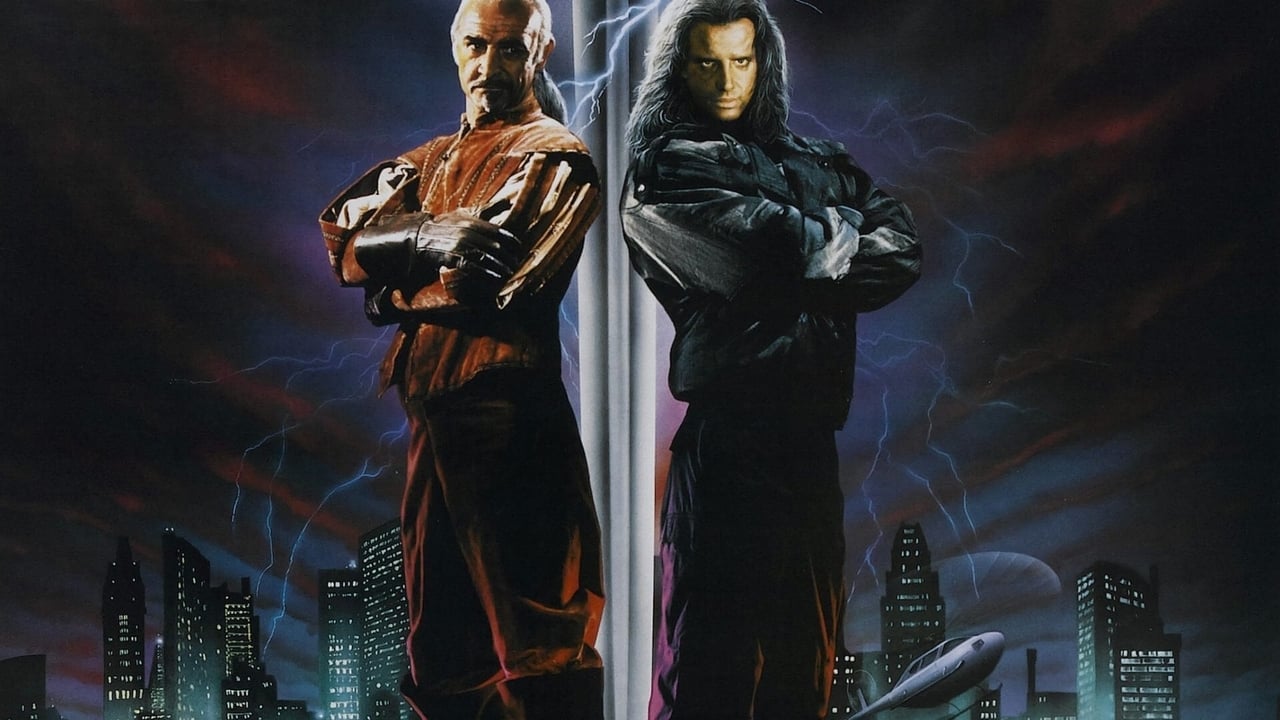
The setup itself has a kernel of potential: 2024, Earth's ozone layer is gone (thanks to MacLeod's intervention decades prior, apparently?), and the planet languishes under an artificial electromagnetic Shield controlled by a corrupt corporation. MacLeod, now an old man, seemingly awaits death. The cyberpunk-lite visuals, with their rain-slicked streets and oppressive architecture, are pure early 90s dystopian chic, and Mulcahy certainly knows how to frame a moody shot. There are moments, fleeting glimpses of the director's undeniable visual talent that gave the first film its iconic look, but they're adrift in a sea of narrative nonsense.
Echoes from Zeist (and Argentina)
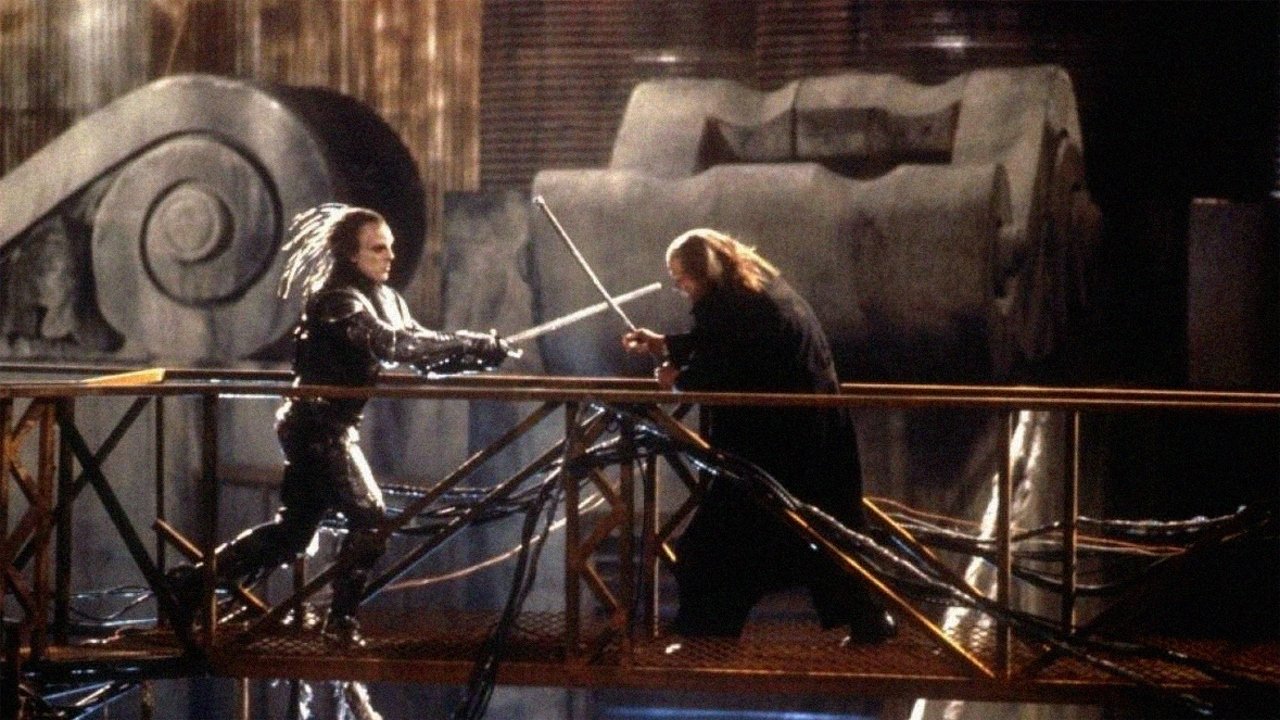
The plot kicks in when ruthless General Katana (Michael Ironside, chewing scenery with professional gusto) arrives from Zeist to hunt MacLeod down. Cue sword fights, explosions, and the inexplicable return of Ramirez, seemingly summoned by MacLeod shouting his name. Connery, reportedly pocketing a cool $3.5 million for his brief return, brings his usual charisma, but even he seems slightly bemused by the proceedings. His banter with Lambert offers faint sparks of the original's charm, but it's not enough to ignite this damp squib. Virginia Madsen joins as Louise Marcus, an eco-terrorist trying to expose the Shield conspiracy, adding a human element but ultimately feeling underserved by the chaotic script.
The film's chaotic nature isn't just on screen; it mirrors a notoriously troubled production. Filmed largely in Argentina during a period of economic hyperinflation, the budget spiraled out of control. Crucially, the completion bond company eventually seized control from Mulcahy, heavily re-editing the film against his wishes. This interference is often cited as the primary reason for the theatrical cut's incoherence. Mulcahy himself was so dismayed he reportedly walked out of the premiere after only 15 minutes. It's a dark legend whispered among fans – a film wrested from its creator and Frankensteined into something unrecognizable. Can you imagine the frustration, pouring your vision into something, only to have it butchered by financiers?
The Renegade Cut: A Noble Failure?
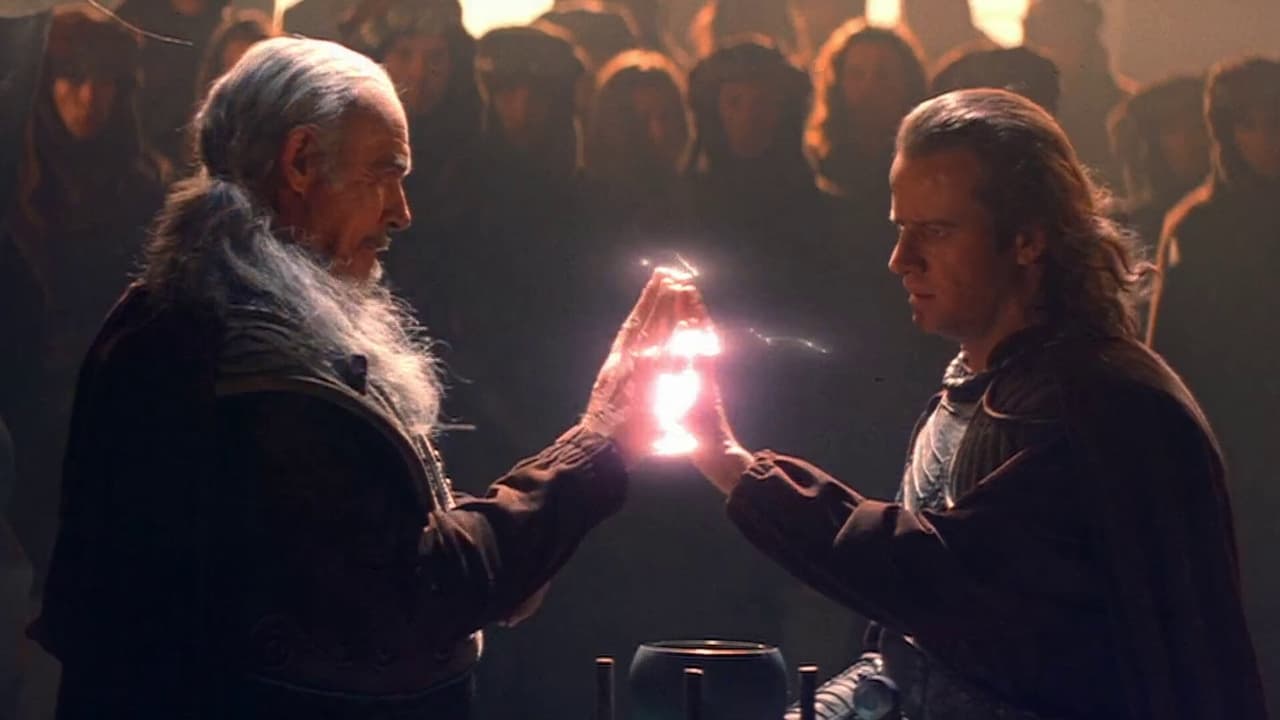
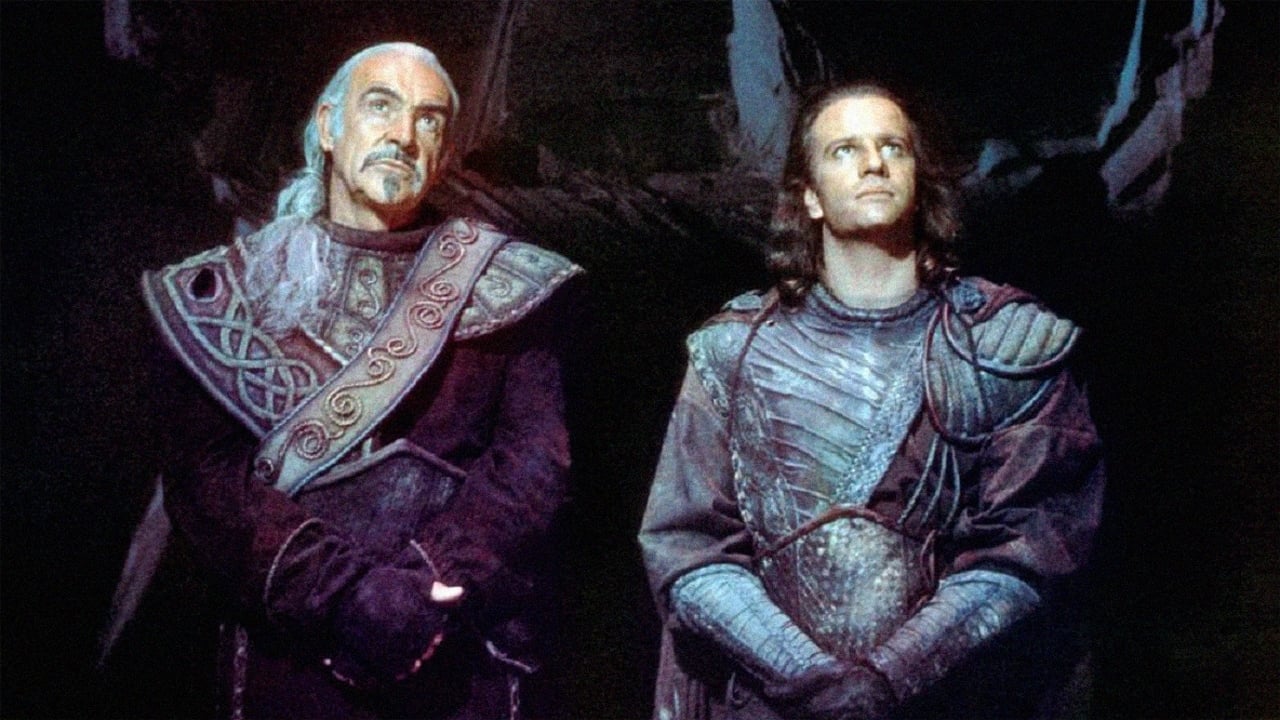
Years later, Mulcahy was able to assemble his preferred version, known as the "Renegade Cut" (and later further refined in a Special Edition). This version excises the entire Zeist subplot, restoring the Immortals' origins to a forgotten, technologically advanced past on Earth. While undeniably a vast improvement – clarifying motivations, smoothing transitions, and removing the most egregious lore violation – it still can't fully salvage the film. The core issues of a contrived plot, uneven tone, and some questionable action sequences remain. The hoverboard escape? Let's just say it hasn't aged like fine wine. It’s fascinating, though, to see how different editing choices can reshape a narrative, even if the original clay was flawed. This alternate version, often found on later DVD or Blu-ray releases, became a sought-after artifact for fans desperate for any version of Highlander II that made a lick of sense.
Why Does It Linger?
Despite its manifest flaws, Highlander II: The Quickening holds a strange place in the VHS pantheon. It’s a spectacular failure, a cautionary tale about sequel hubris and studio meddling. Perhaps that’s why we remember it – the sheer audacity of its mistakes, the collective groan it elicited from fans of the original. Watching it now offers a different kind of chill: the morbid curiosity of dissecting a cinematic train wreck. You see the potential in Mulcahy’s visuals, the commitment (however baffled) of the actors, the ambition buried under layers of terrible decisions. It’s a reminder that even colossal misfires can be strangely compelling viewing, a relic from an era when studios weren't quite so adept at sanding the weird edges off their blockbusters, even if those edges were jagged and nonsensical.
Rating: 3/10
The score reflects the theatrical version's catastrophic narrative choices, incoherent plot, and betrayal of the original's mythology. While Mulcahy's visual style occasionally flickers through, and the actors (especially Ironside having a blast) try their best, it's fundamentally broken. The "Renegade Cut" might nudge this score slightly higher (perhaps a 4 or 5) for effort and coherence, but it can't fix the foundational cracks. This film earns its rating through sheer disappointment and the squandering of immense potential.
It stands not as a worthy successor, but as a stark monument to how badly things can go wrong, forever haunting the Highlander legacy like a ghost from a planet that never should have existed. There should have been only one... sequel this bad.