The flickering neon sign promises cheap thrills and greasy escapism, but something feels immediately wrong. It hangs heavy in the air, thick as the exhaust fumes from the beat-up cars queuing under its sickly glow. This isn't just another night at the movies. Welcome to the Star Drive-In, the setting for Brian Trenchard-Smith's razor-sharp slice of Ozploitation, Dead End Drive-In (1986) – a film that felt less like science fiction and more like a grim prophecy whispered onto grainy magnetic tape.
Welcome to Your Permanent Feature Presentation
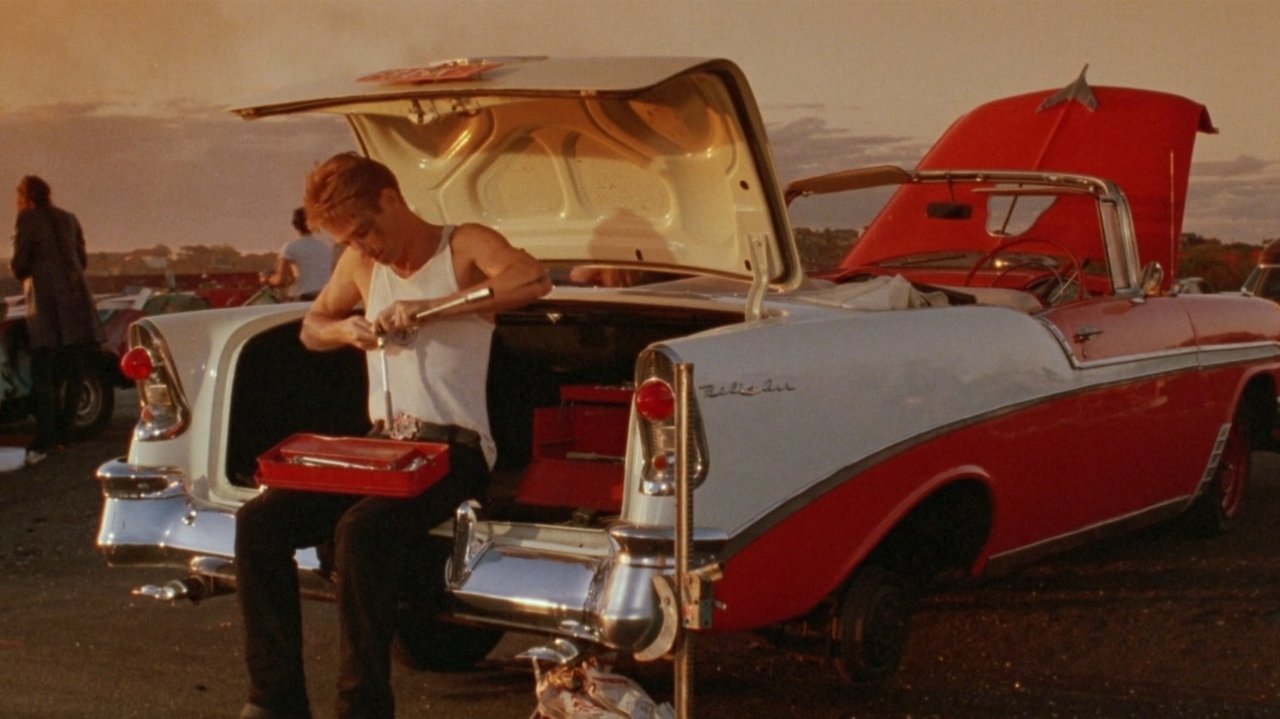
The setup is brutally simple, yet chillingly effective. In a near-future Australia buckling under economic collapse and rampant youth unemployment, drive-in movie theatres have become government-sanctioned containment zones. Lured in by cheap tickets and the promise of B-movies, unsuspecting teens and undesirables find their car wheels stolen, leaving them trapped indefinitely. Jimmy "Crabs" Ross (Ned Manning) and his girlfriend Carmen (Natalie McCurry) cruise into the Star Drive-In in his brother's prized '56 Chevy, thinking they're in for a typical night out. They quickly discover the truth: the gates are locked, the tires are gone, and this is now their home. It’s a potent allegory, painting a picture of societal apathy where troublesome youth are simply warehoused, placated with junk food, punk rock, and endless Z-grade cinema, forgotten by the outside world. Doesn't that core dread still resonate, that fear of being sidelined and forgotten?
Punk Rock Anarchy and Social Decay
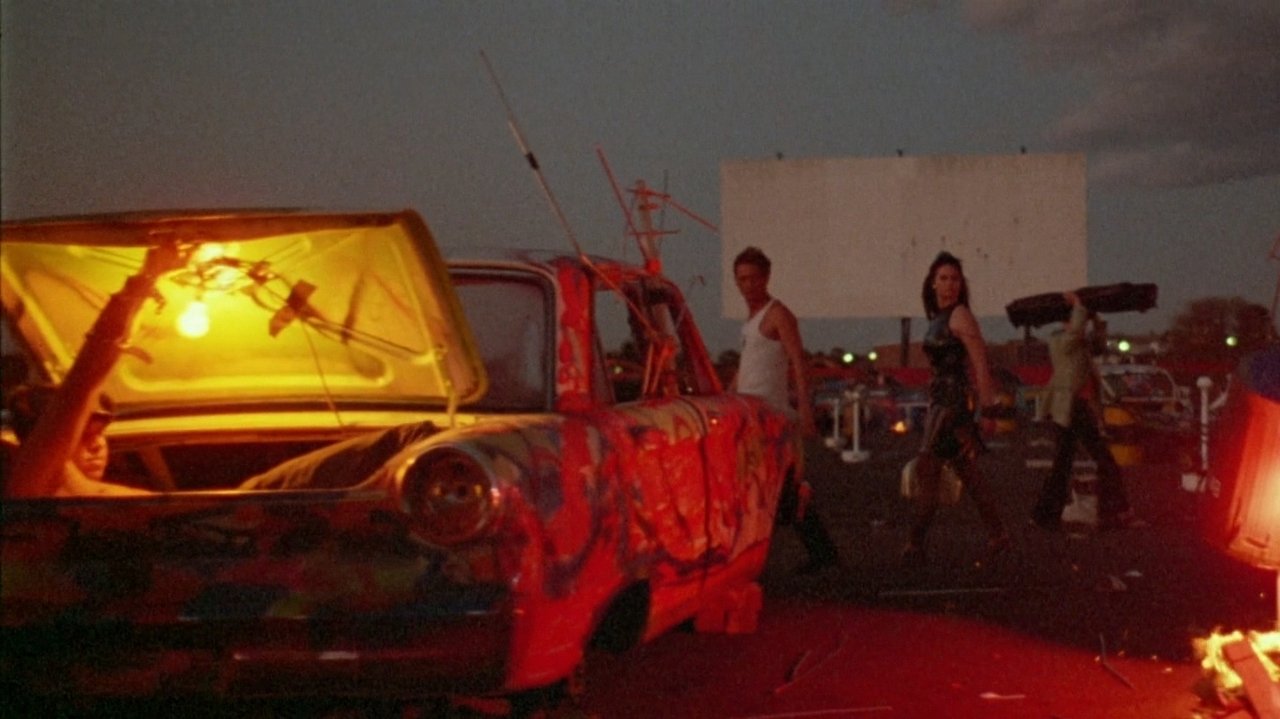
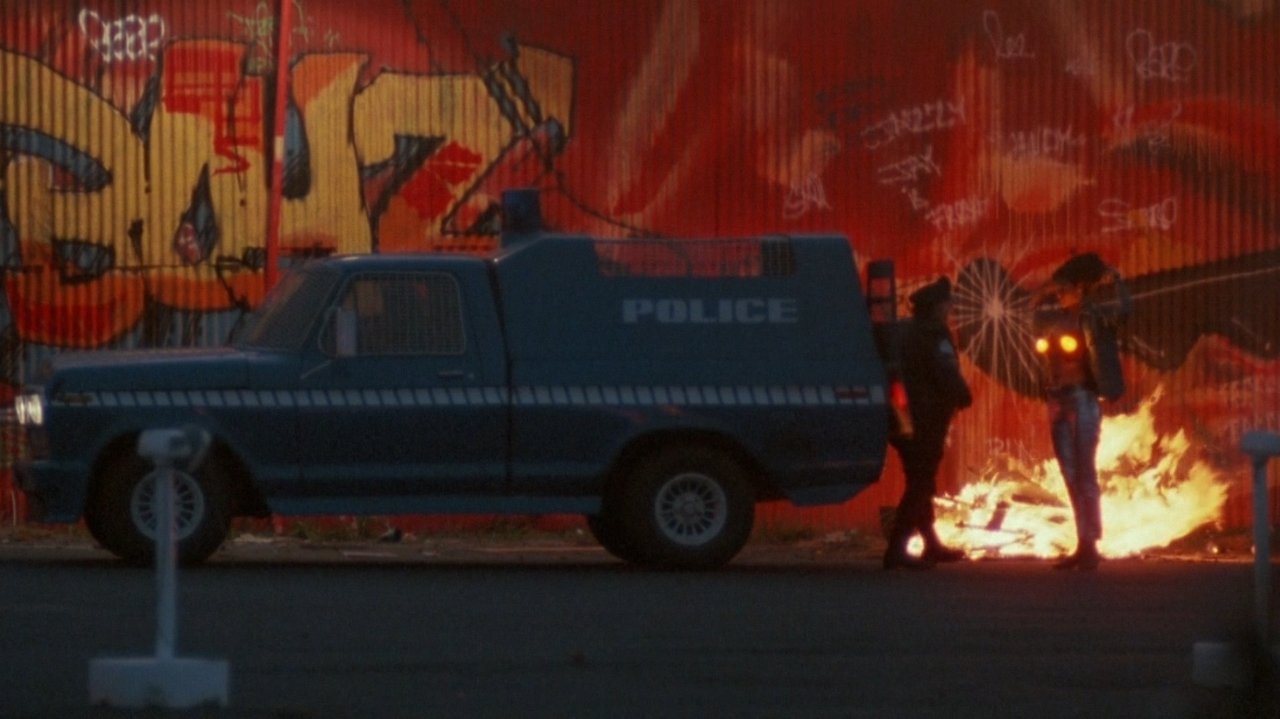
What elevates Dead End Drive-In beyond a simple dystopian concept is its vibrant, almost feral energy. Trenchard-Smith, a maestro of low-budget, high-impact filmmaking (Turkey Shoot, BMX Bandits), infuses the film with a distinct punk rock aesthetic. The drive-in isn't just a prison; it's a microcosm of a decaying society, complete with its own tribal hierarchies, simmering racial tensions (a somewhat uncomfortable element reflecting certain aspects of 80s Australia), and a population resigned to their fate. The production design is superb – the Star Drive-In feels genuinely grimy and lived-in, a character in itself. Filming took place at the real-life Matraville Drive-In in Sydney, which was conveniently scheduled for demolition shortly after filming wrapped, lending an air of inescapable decay and authenticity to the location. You can almost smell the stale popcorn and desperation. The pulsing synth and rock score by Frank Strangio perfectly complements the visuals, driving the narrative forward with relentless energy.
Meet the Inmates
Ned Manning delivers a compelling performance as Crabs, capturing the character's initial swagger slowly dissolving into restless desperation. He’s not a traditional hero, just a guy who refuses to accept the cage he’s been put in. Natalie McCurry’s Carmen represents the allure of conformity, the temptation to accept the relative comfort of captivity rather than fight an uncertain battle for freedom. Their conflicting desires form the emotional core of the film. And then there's Thompson (Peter Whitford), the oleaginous, authoritarian manager of the drive-in, delivering chillingly bureaucratic justifications for the imprisonment. He embodies the smiling face of institutional control, perhaps the most unsettling villain of all. Whitford plays him with a perfect blend of faux-friendliness and implicit menace.
Ozploitation Thrills and That Jump
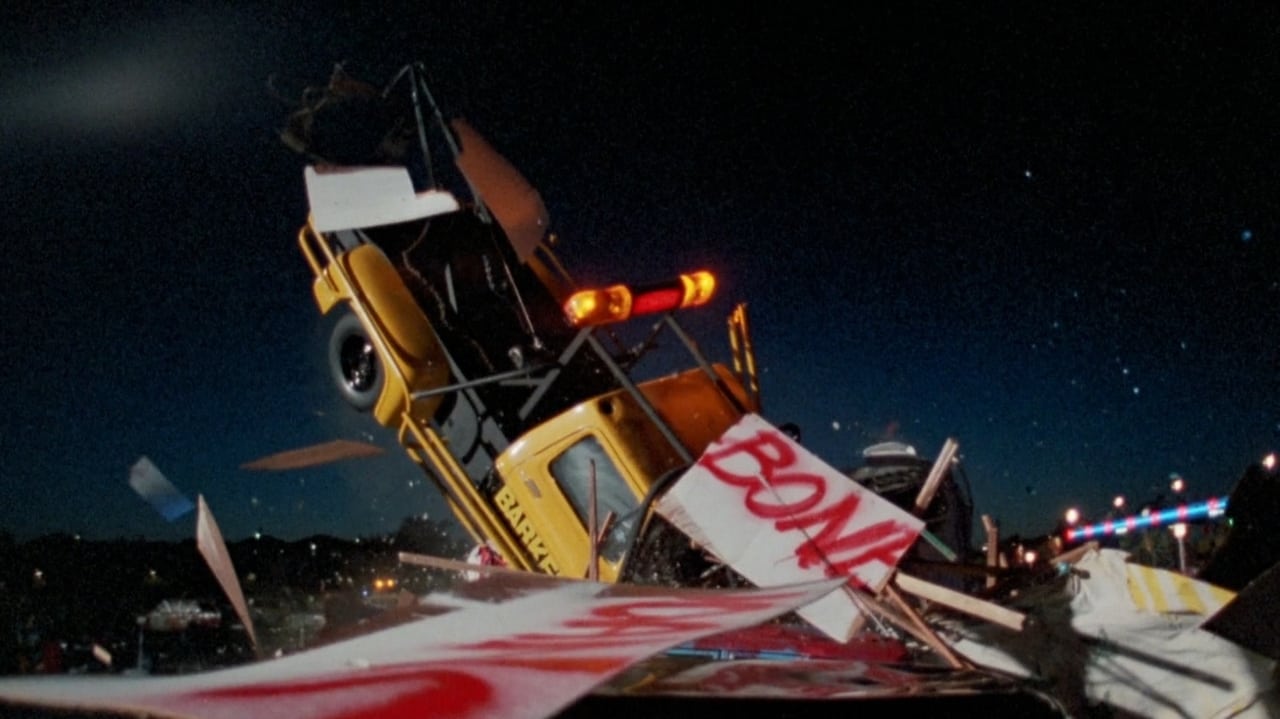
Of course, this being an Ozploitation film directed by Brian Trenchard-Smith, you know you're in for some spectacular practical action. The film builds towards Crabs' desperate escape attempt, culminating in one of the most legendary stunts in Australian cinema history. Yes, that truck jump. Piloted by renowned stuntman Guy Norris (who later coordinated stunts for Mad Max: Fury Road), a massive tow truck launches off a ramp constructed from wrecked cars, soaring over the drive-in fence. Watching it again, even knowing it's real, the sheer audacity is breathtaking. Reportedly, the stunt nearly went disastrously wrong when the truck clipped the fence on landing, adding another layer of real-world danger to the legend. It's a moment of pure cinematic adrenaline, perfectly encapsulating the film's defiant spirit. Trenchard-Smith, ever the pragmatist, supposedly got the shot in just one take, maximising the impact (and minimising the budget strain on the roughly AUD $2.5 million production).
Beneath the Rust and Rumble
While packed with action and a unique premise, Dead End Drive-In isn't just empty spectacle. Adapted from a short story by the acclaimed Booker Prize-winning author Peter Carey, the film retains a core of biting social commentary. It taps into anxieties about youth alienation, governmental overreach, consumerism as pacification, and the dangers of complacency. It asks uncomfortable questions about freedom and security, and whether choosing the latter ultimately means losing oneself. It’s this thematic depth, simmering beneath the surface of the explosive action and punk rock stylings, that gives the film its lasting power. I distinctly remember the stark, almost desolate feeling the film left me with after catching it on a late-night broadcast years ago – a feeling that lingered long after the credits rolled.
The Verdict
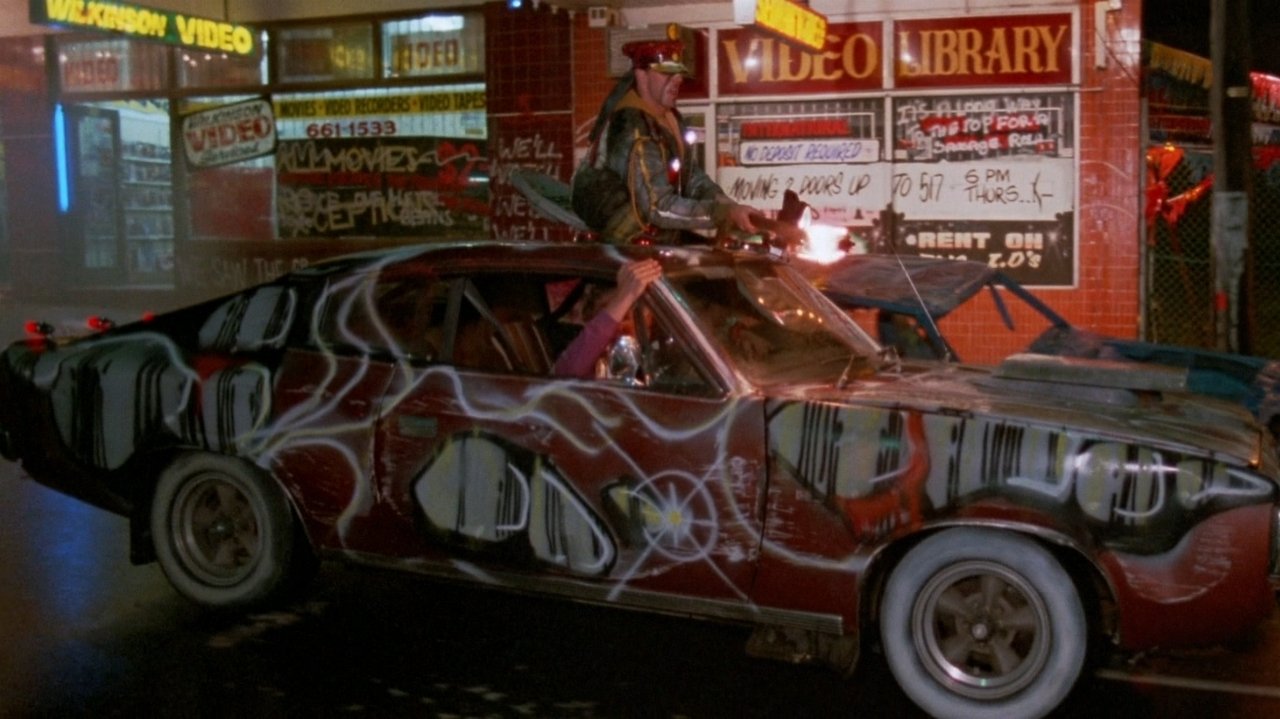
Dead End Drive-In is a quintessential piece of 80s Ozploitation cinema – gritty, energetic, stylish, and surprisingly thoughtful. It perfectly blends dystopian sci-fi with high-octane action and pointed social satire. The performances are solid, Trenchard-Smith's direction is lean and mean, and the atmosphere is thick with punk rock dread and automotive exhaust. The film’s core premise feels disturbingly relevant even today, and that climactic stunt remains an all-timer. While some elements might feel dated (particularly certain social dynamics), its raw energy and intelligent undercurrent make it a standout cult classic. It perfectly captured a specific kind of sun-baked, nihilistic anxiety unique to Australian genre cinema of the era.
Rating: 8/10
This film earns its score through its unique and chilling concept, brilliant execution of atmosphere, unforgettable practical stunt work, and resonant social commentary, all delivered with Brian Trenchard-Smith's signature Ozploitation flair. It’s more than just a drive-in flick; it’s a barbed commentary wrapped in high-octane B-movie clothing, a rusty gem gleaming under the harsh projector light that absolutely deserves its spot in VHS Heaven.