The blackness between the stars holds terrors beyond imagining, but sometimes the most chilling threat is simply physics, writ large and deadly across the void. There's a primal fear tapped into by 1979's Meteor, a sense of utter helplessness against cosmic indifference. It wasn't just another disaster flick churned out in the wake of The Towering Inferno or Earthquake; it carried the weight of the Cold War and the chillingly plausible threat of global annihilation, swapping fire or flood for a five-mile-wide chunk of rock named Orpheus, heading straight for us. Remember the stark, terrifying simplicity of that concept hitting home on a fuzzy CRT screen?
### Countdown to Catastrophe
Directed by Ronald Neame, a filmmaker with a surprisingly diverse resume that already included the high-water mark of the genre with The Poseidon Adventure, Meteor aims for a similar blend of spectacle and human drama, albeit with... mixed results. The premise is pure high-stakes dread: Dr. Paul Bradley (Sean Connery, bringing his inimitable gravitas, reportedly taking the role partly to recoup losses from other ventures), the brilliant but disillusioned designer of an orbiting nuclear missile platform named Hercules, is dragged back into government service. Why? Because Hercules, initially conceived as an illegal anti-Soviet weapon, might be Earth's only hope against Orpheus. The catch? It needs to be paired with its Soviet counterpart, Peter the Great, requiring unprecedented and tense cooperation between mortal enemies.
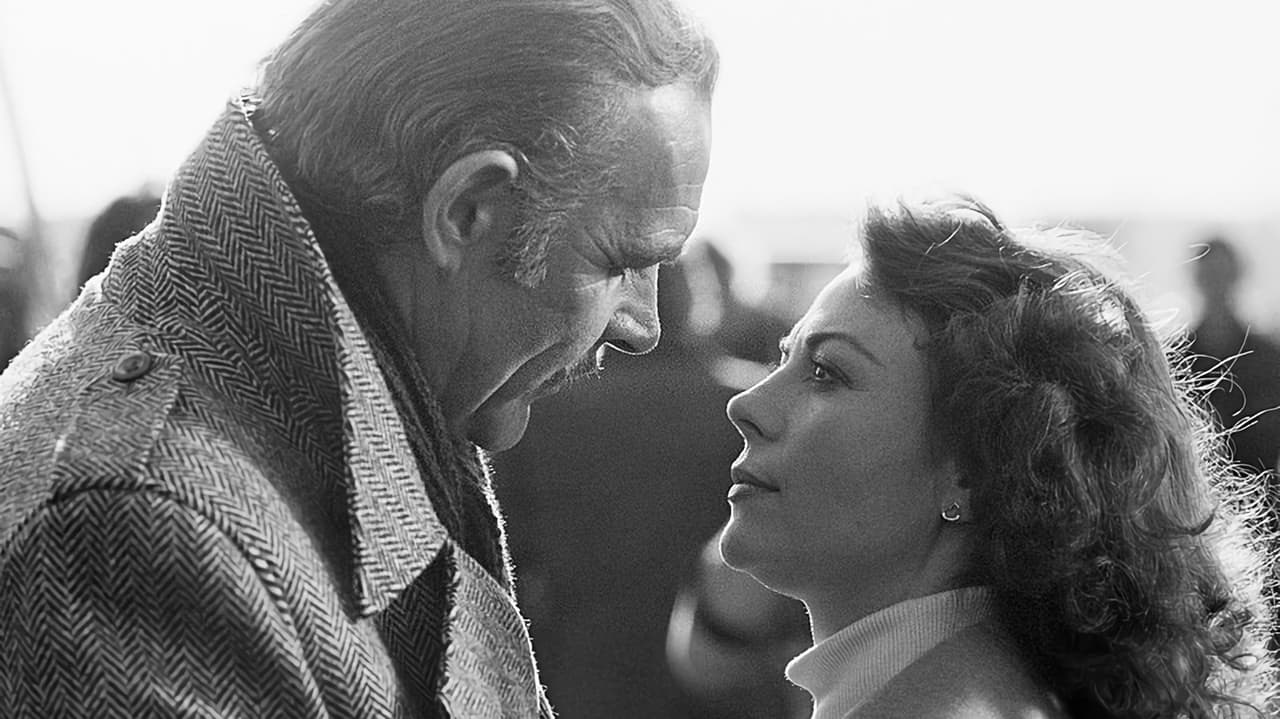
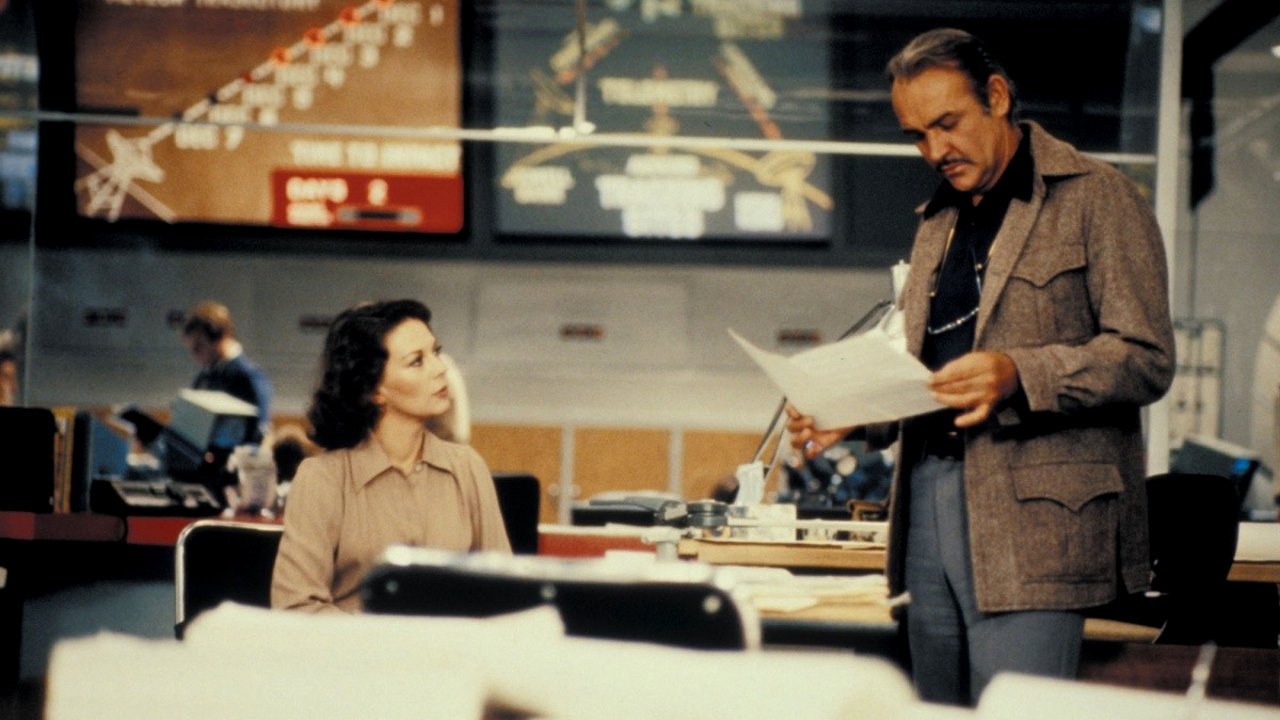
The film drips with the specific anxieties of its time. The scenes in the underground command center – IADS (Inter-American Defense System), hidden beneath New York City – hum with paranoia and political maneuvering. Karl Malden is perfectly cast as the gruff, pragmatic NASA chief Harry Sherwood, trying to navigate the science and the stonewalling generals. Brian Keith plays the weary Soviet scientist Dr. Dubov, embodying the cautious hope and deep suspicion of détente, while Natalie Wood (Wood’s penultimate film appearance before her tragic death) serves as his interpreter, Tatiana Donskaya, caught between worlds and developing a connection with Bradley. And who else could play the calm-under-pressure President but Henry Fonda, practically reprising his Fail Safe stoicism?
### Spectacle and Splinters
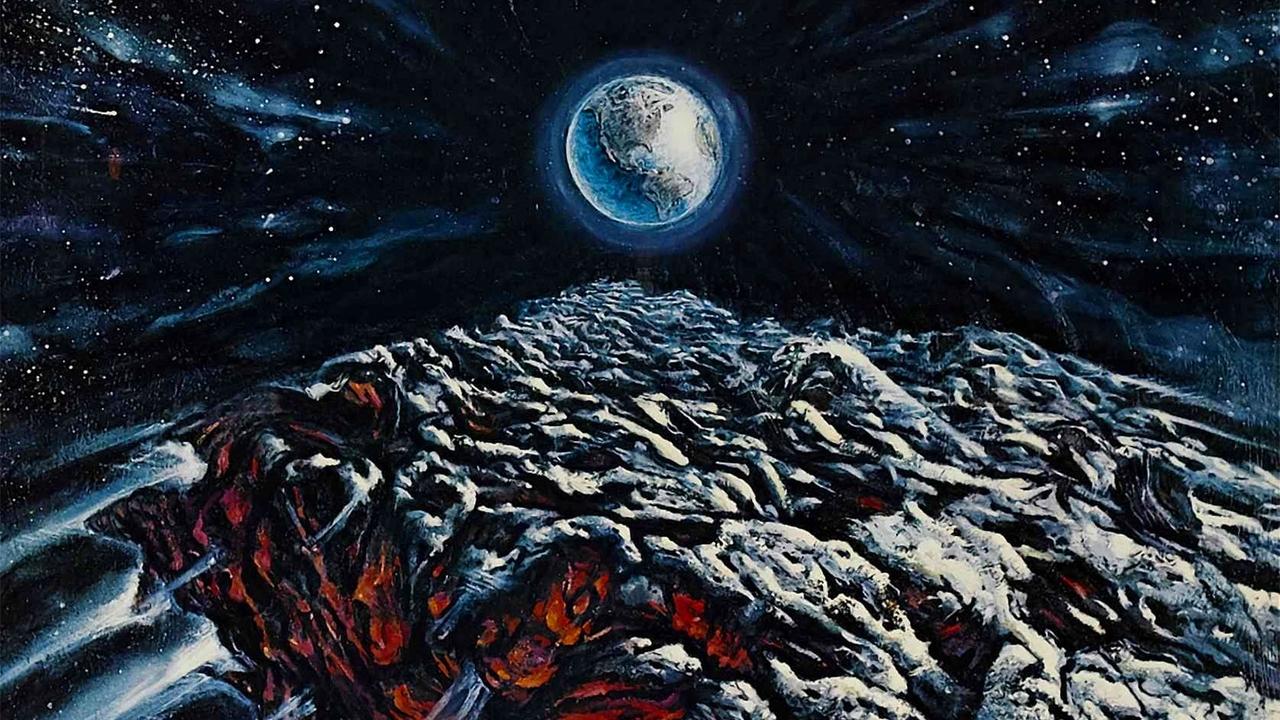
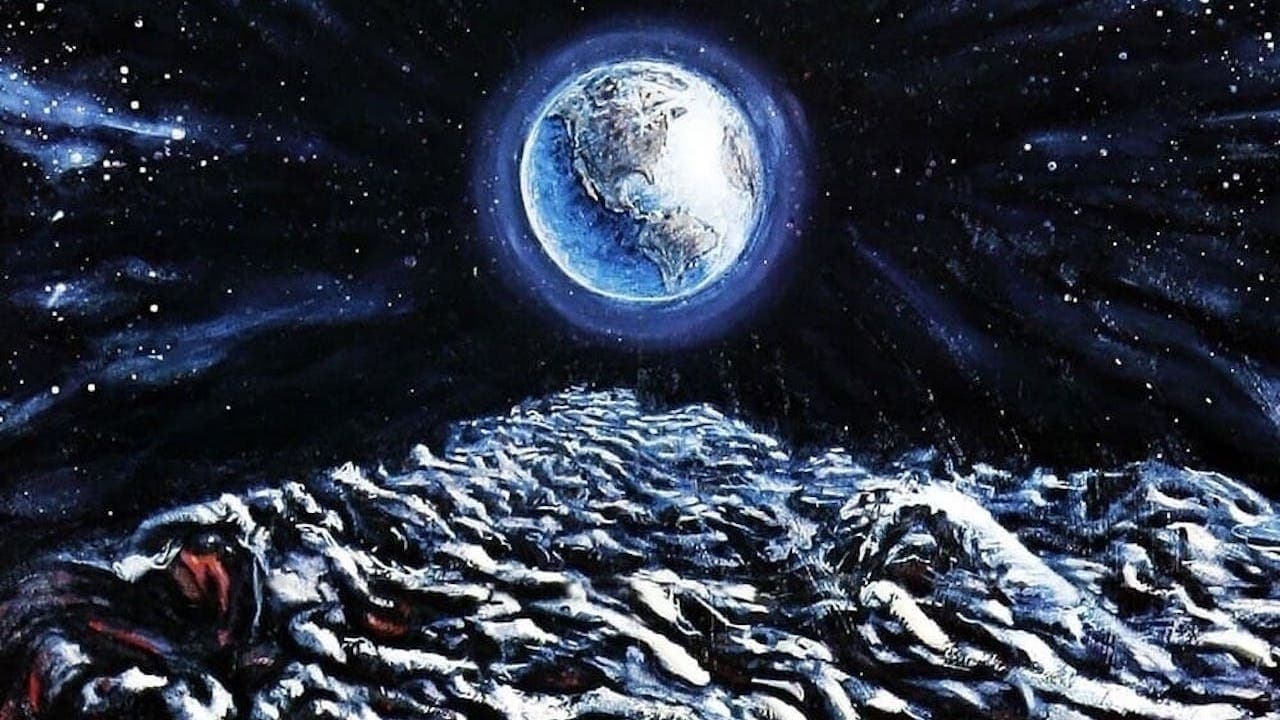
Let's talk about the main event: the titular meteor and the attempts to stop it. While the film secured an Academy Award nomination for Best Sound, the visual effects are... well, they're of their time. Watching it now, the model work and compositing can feel charmingly rudimentary compared to modern CGI. Yet, there was a tactile reality to those miniature spaceships, the orbiting missile platforms, and the shots of Orpheus tumbling through space that sparked the imagination back in the day. Do you recall the genuine tension as smaller fragments began hitting Earth – Siberia, Switzerland – hinting at the devastation to come?
The production itself was apparently fraught with challenges. Rumors persisted of budget overruns (estimates suggest it cost around $16 million – a hefty sum then, maybe $65-70 million today – but struggled at the box office) and difficulties achieving the desired scale of destruction. Neame later admitted compromises were made. Yet, there's an earnestness to the spectacle. The sequence where the US and Soviet missiles launch in unison, streaking towards their interplanetary target, still carries a certain Cold War thrill. And the climactic sequence, depicting Orpheus fragments hitting New York City (intercutting miniatures, matte paintings, and stock footage), delivers moments of genuine, old-school disaster movie mayhem – particularly the unforgettable subway inundation. It might look a bit creaky now, but didn't that scene feel genuinely harrowing back on VHS?
### Cold War Collision Course
Beyond the falling rocks, Meteor is fascinating as a geopolitical artifact. The core plot hinges on the idea that only by setting aside mutually assured destruction can humanity survive an external threat. It’s a surprisingly hopeful message wrapped in impending doom, reflecting the cautious optimism and ever-present fear of the late Carter era. The interactions between the American and Soviet scientists and military men provide much of the film's dramatic tension, often more effectively than the looming space rock itself. Connery and Keith have a compelling, wary respect, while Malden fumes with pragmatic urgency.
However, the film isn't without its flaws. The pacing can feel uneven, bogged down at times by bureaucratic discussions or underdeveloped personal dramas. Wood feels somewhat underserved by her role, primarily functioning as a translator and love interest. But the sheer star power assembled keeps things watchable, a hallmark of the era's disaster epics – load the cast with familiar faces and hope for the best. It’s a comfort food formula, even when the stakes are literally world-ending.
### Lasting Impact?
Meteor didn't redefine the disaster genre like The Poseidon Adventure or achieve the iconic status of Twister years later. It exists as a fascinating, flawed, but often genuinely tense time capsule. It’s a reminder of a specific brand of cinematic spectacle, reliant on models, mattes, and sheer directorial will, wrestling with anxieties both cosmic and terrestrial. Watching it today evokes a specific kind of nostalgia – not just for the film itself, but for the era it represents, when the threat of nuclear annihilation felt terrifyingly immediate, and the idea of cooperation seemed both essential and almost impossibly remote. It tried to be epic, and sometimes, against the odds, it almost felt like it was.

VHS Heaven Rating: 6/10
Justification: While hampered by dated effects (even for '79), pacing issues, and some thin characterizations, Meteor boasts a compelling high-concept premise rooted in real-world anxieties, a stellar veteran cast (Connery, Malden, Fonda, Keith, Wood), and moments of genuinely effective Cold War tension and disaster movie spectacle. Its ambition sometimes exceeds its grasp, but its earnestness and its status as a specific artifact of late-70s filmmaking give it undeniable nostalgic charm and historical interest for fans of the genre and the era.
Final Thought: It may not be the slickest disaster epic ever made, but Meteor’s earnest grapple with global catastrophe and Cold War paranoia makes it a strangely compelling watch, a dusty gem from the shelf that reminds us how fragile everything felt back then – and perhaps, still does.