Alright fellow tapeheads, dim the lights, maybe adjust the tracking just a hair, and let’s rewind to 1992. Picture this: you're browsing the aisles of your local video store, the smell of plastic cases and slightly worn carpet in the air. You scan past the big new releases, your eyes catching on a cover featuring a stern-looking fellow in vaguely mystical attire, maybe some swirling energy effects. The title? Doctor Mordrid. It looks… intriguing. Familiar, maybe? You take a chance, slide that hefty VHS cassette across the counter, and head home for what turns out to be one of the more fascinating footnotes in the annals of straight-to-video fantasy.

Because let's be honest, Doctor Mordrid has always lived under the shadow of a certain Sorcerer Supreme from Marvel Comics. The whispers were true: this project, nurtured by Charles Band’s Full Moon Entertainment, began life as an attempt to secure the rights for an official Doctor Strange movie. When that deal evaporated like morning mist, Band and writer C. Courtney Joyner (Puppet Master III, Trancers III) cleverly filed off the serial numbers, tweaked the mythos, and gave us Anton Mordrid instead – a mystical guardian protecting Earth from his ridiculously high-tech (for the era!) New York apartment. It’s a “retro fun fact” that defines the film’s entire existence, a fascinating ‘what if?’ scenario played out on glorious, fuzzy videotape.
### Our Sorcerer (Not Quite) Supreme
What immediately elevates Doctor Mordrid beyond typical low-budget fare is the casting of the legendary Jeffrey Combs in the title role. We knew him, we loved him, as the maniacally intense Herbert West in Re-Animator (1985) or the delightfully creepy Crawford Tillinghast in From Beyond (1986). Here, though, Combs delivers something remarkably different: restraint. His Mordrid is quiet, watchful, almost unnervingly calm. He’s an ancient being disguised as an unassuming landlord, his power simmering beneath a tweed jacket. It’s a performance that grounds the fantastical elements, lending a surprising weight to the proceedings. You believe this man could manipulate cosmic energies, mostly because Combs sells it with those piercing eyes and precise delivery.
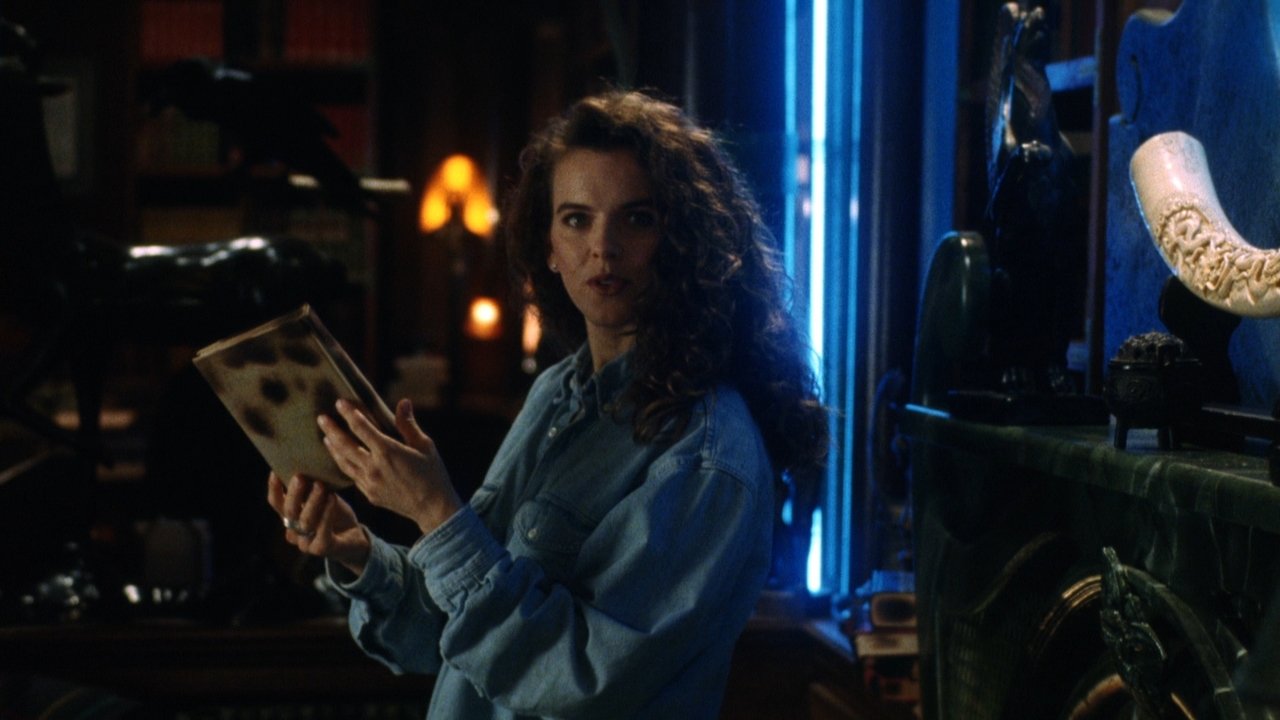
He's joined by Yvette Nipar as Samantha, the police consultant living in his building who gets drawn into his otherworldly conflict. Nipar provides the crucial audience viewpoint character, reacting to the escalating weirdness with a relatable blend of skepticism and eventual acceptance. Jay Acovone plays the requisite skeptical cop, Lt. Clarke, fulfilling his role with professional gruffness. But really, this is Combs' show, and he carries it admirably.
### Full Moon Magic on a Budget
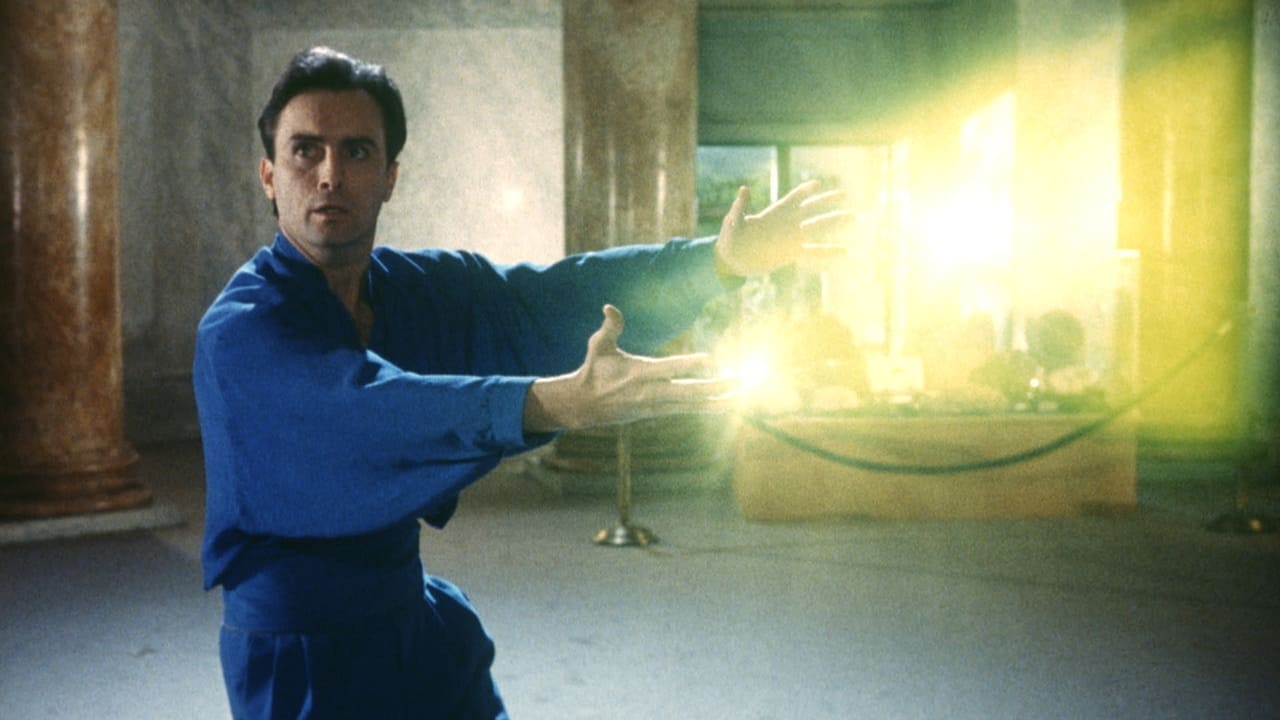
Directed by father-and-son duo Albert Band (a veteran director with credits stretching back decades) and Charles Band (the maestro of Full Moon himself), Doctor Mordrid showcases the studio's signature knack for stretching a dollar. Forget MCU levels of digital wizardry; this is the era of practical effects, optical glows, and clever compositing. The magic often feels tangible, if slightly dated – energy bolts crackle, objects levitate with visible wire-work charm (sometimes!), and dimensional portals shimmer with analog grit. It’s the kind of filmmaking that required ingenuity over processing power. They couldn't conjure worlds with a mouse click; they had to build them, light them, and shoot them.
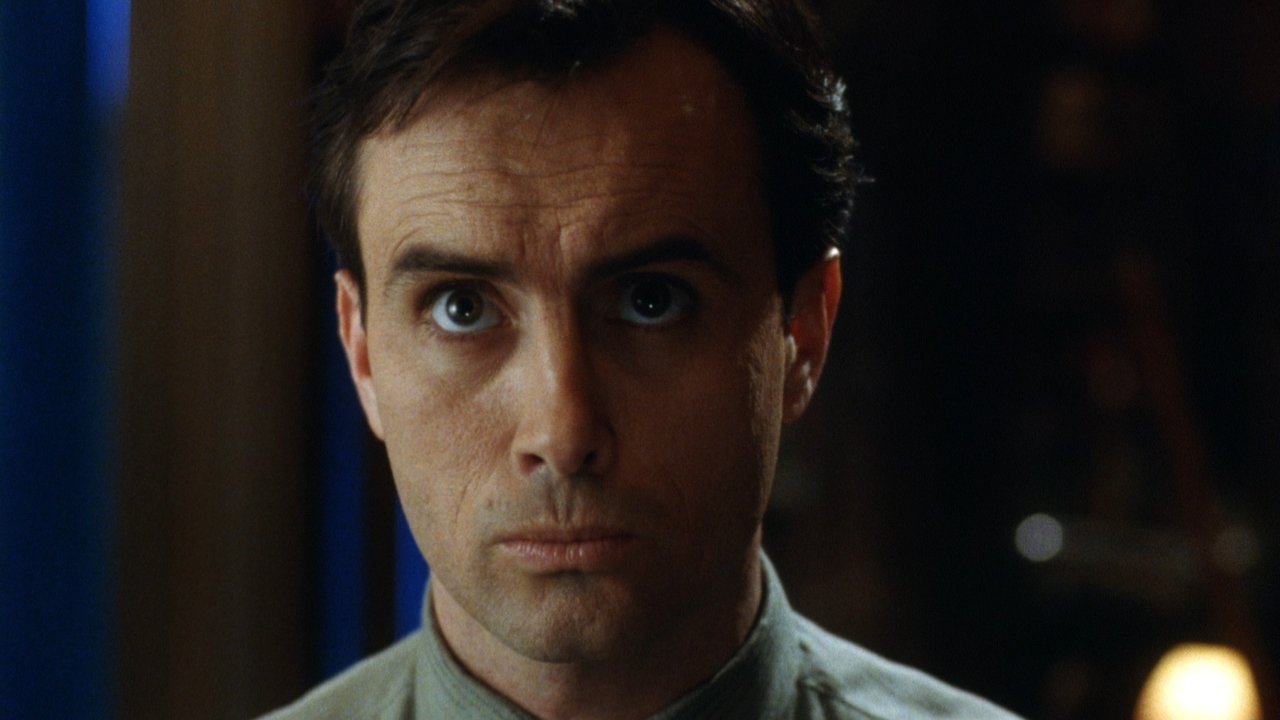
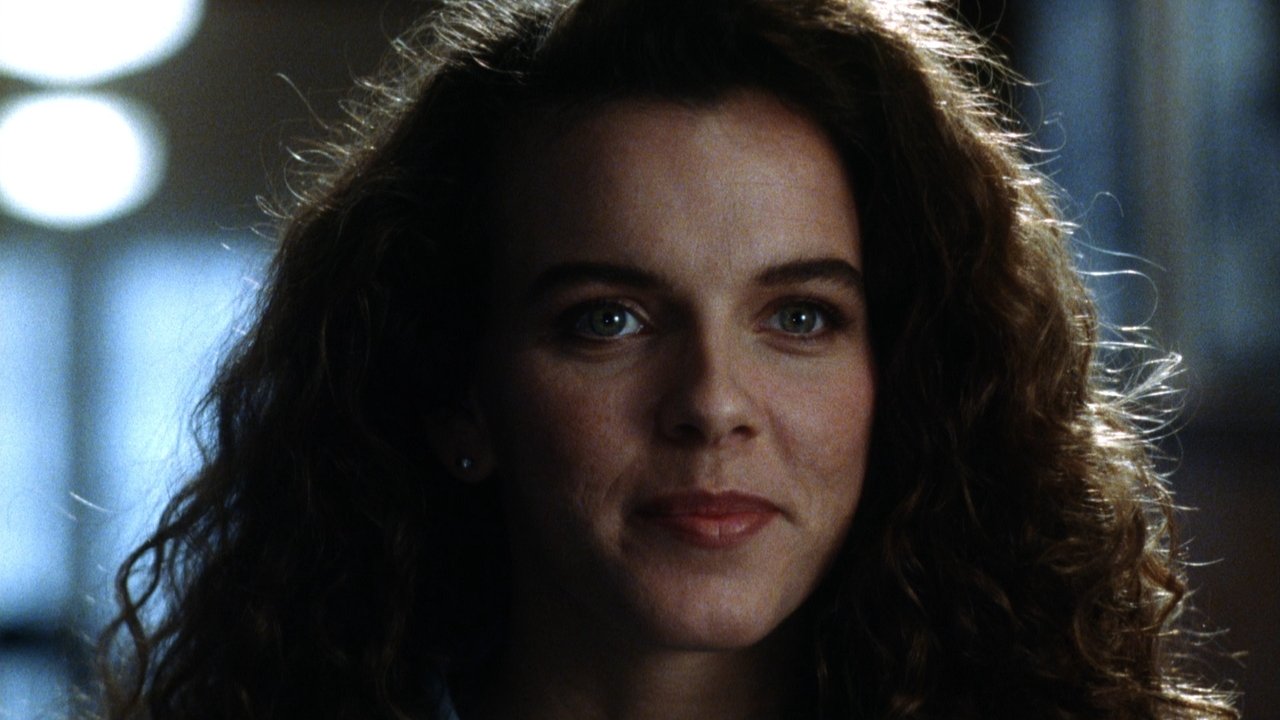
The plot itself is straightforward fantasy 101: Mordrid must stop his childhood rival, the evil sorcerer Kabal (Brian Thompson, chewing scenery with delightful menace), from unleashing demonic forces upon our world. Kabal arrives looking like a refugee from a particularly aggressive heavy metal band, ready to gather the alchemical elements needed for his nefarious plan. The story unfolds across familiar cityscapes – reportedly filmed largely around Los Angeles – giving it an accessible, urban fantasy feel that works well with the budget. There's a certain charm to seeing cosmic battles hinted at within mundane locations like police stations and museums.
### That Stop-Motion Showdown!
But let’s talk about the real reason Doctor Mordrid secured its place in the hearts of many VHS hounds: the climax. Oh, that glorious finale! Facing off in a museum after hours, Mordrid and Kabal eschew simple energy blasts for something far more spectacular. They animate the exhibits! Spoiler Alert if you haven't seen it, but the sight of a T-Rex skeleton lumbering to life to battle a resurrected mastodon, rendered through painstaking stop-motion animation (often attributed to the legendary David Allen's studio, known for their incredible work on Puppet Master and Ghoulies II), was pure, unadulterated awesome back in '92.
Watching it now, you can see the seams, the slight jerkiness inherent in the technique. But remember watching this on a 27-inch CRT? It felt huge, visceral. This wasn’t smooth CGI; this was miniature craftsmanship brought to life frame by painstaking frame. Compared to today's often weightless digital creations, there’s a physicality here, a sense of real objects moving in real space, that still resonates. It's a testament to the artistry involved, a high point for Full Moon's practical effects work, and honestly, the main reason the film is still discussed today. Wasn't that sequence just mind-blowing for its time on a video store budget?
### The Verdict
Doctor Mordrid wasn't a blockbuster. It likely played mostly on video store shelves and late-night cable, finding its audience among fantasy fans and Full Moon devotees. It’s a film keenly aware of its limitations but striving earnestly to deliver spectacle and character. Jeffrey Combs gives a performance far better than the material strictly requires, elevating the entire affair. The effects, particularly the stop-motion finale, remain a charming and impressive example of practical filmmaking ingenuity from the era. It carries that unmistakable early 90s straight-to-video vibe – slightly serious, slightly goofy, but undeniably entertaining.
Rating: 7/10
Justification: While the plot is derivative (thanks to its origins) and the budget constraints show, Doctor Mordrid punches above its weight thanks to a compelling lead performance from Jeffrey Combs and a truly memorable stop-motion climax that was pure VHS gold. It's a fun, fascinating piece of 90s fantasy filmmaking well worth tracking down.
Final Thought: It may not be the official Sorcerer Supreme, but Doctor Mordrid conjured its own unique, practical magic that still holds a special charm in our digital age – a true relic of the days when fantastic beasts battled frame by glorious frame.